Despite advancements in developing prospective, eco-friendly, and fuel-efficient powerplants, traditional technologies are not quick to fade into the past. There are several reasons for this, including rapidly falling oil prices. In countries where oil cost constitutes the largest share of fuel prices, it has dropped to its lowest level since 2004.
Today in the USA, air ticket prices for some routes (Chicago-Pittsburgh, Las Vegas-Colorado) have fallen to $19, which is directly attributed to the drop in oil prices. The price of aviation gasoline, the most common type of aviation fuel in US general aviation, is also decreasing. As a result, demand for aircraft with traditional powerplants is not only sustained but may even grow.
Market Growth and Record Demand
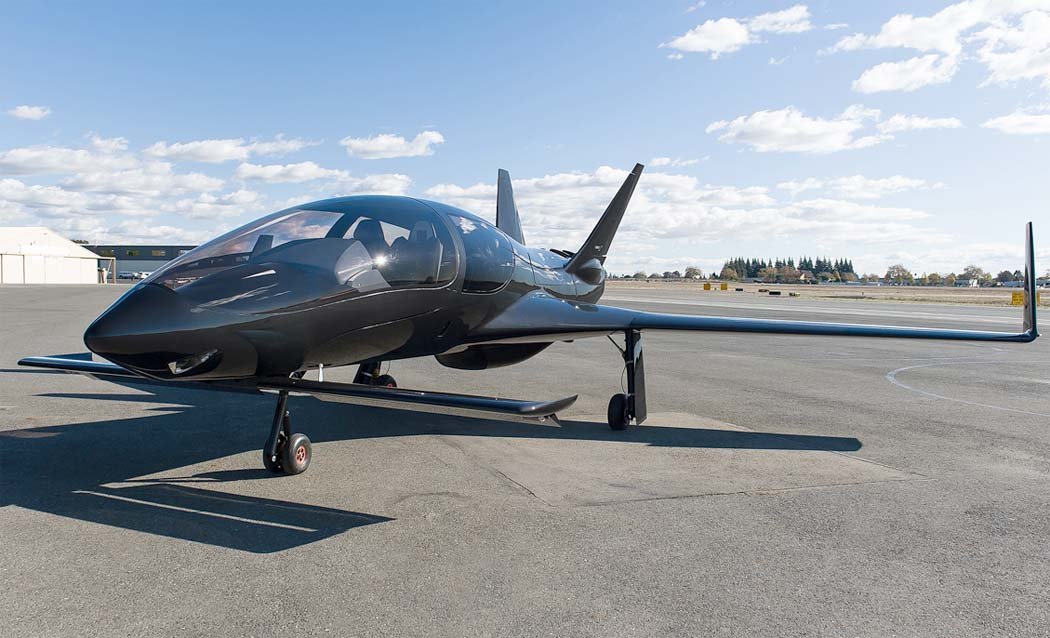
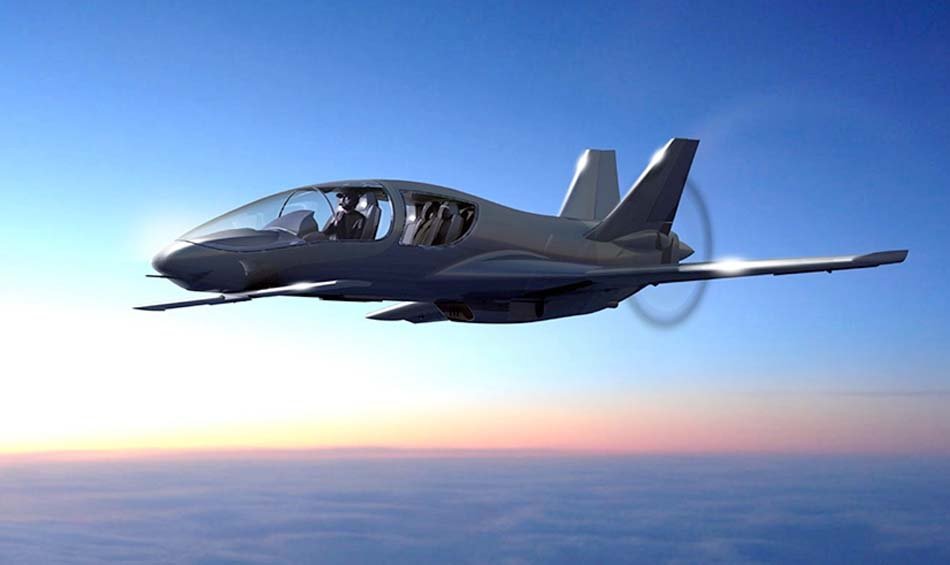
A prime example is the new Co50 Valkyrie aircraft from Cobalt Aircraft (San Francisco, California), which first flew in January 2015. From November 12, 2015, to February 16, 2015, over 90 orders were collected for the production of these aircraft, totaling more than $50 million. In the first 24 hours alone after sales were announced, the company received 29 orders. Co50 Valkyrie aircraft are expected to enter service in 2017.
What is the reason for such a surge in demand? Some Americans attribute Cobalt Aircraft’s marketing success to the extensive use of social media and clever advertising. For example, popular companies like Google and Apple are among the first buyers of the aircraft, and for some customers, their example is infectious.
Perhaps the reason lies in attractive pricing: a year before sales began, information circulated about the aircraft costing $700,000 and above. However, in November, it was announced that the “Valkyrie” could be ordered for $595,000 with a $15,000 deposit.
Regarding pricing, on an American forum just before the sales announcement, a certain Buzz Killington even conducted a unique analysis of price changes for general aviation aircraft in the US. A Cessna 182, upon entering service, cost $15,000, which would be equivalent to only $130,000 in November of the previous year, while new aircraft of this type were then selling for $400,000. In light of such reasoning, a price of $700,000 seemed unreasonably high. But after a 15% price reduction, Americans forgot their criticism of Cobalt Aircraft’s pricing policy and rushed to buy the new aircraft.
Nevertheless, American pilots are not deterred by the high price, the lack of information about the aircraft, or even its, in my opinion, not-so-successful name, “Valkyrie.” “Valkyrie” translates from Old Norse as “chooser of the slain.” In ancient Scandinavian mythology, a Valkyrie is a king’s daughter who hovers on a winged horse over the battlefield, collecting warriors fallen in combat to take them to the heavenly hall of Valhalla.
Most Americans likely simply do not know this legend and believe the aircraft is named after the famous supersonic nuclear bomber of the late 1960s. This is quite plausible, as the XB-70, like the Co-50, is a “canard” design. Among the nearly hundred ordered aircraft, some will be sent to customers in Brazil, the UK, Germany, and other countries. Therefore, let’s not resort to mysticism and instead look at why Cobalt Aircraft buyers are interested in the Valkyrie. “Because it’s beautiful,” says David Loury, the company’s CEO and aircraft designer.
Cutting-Edge Design and Superior Performance
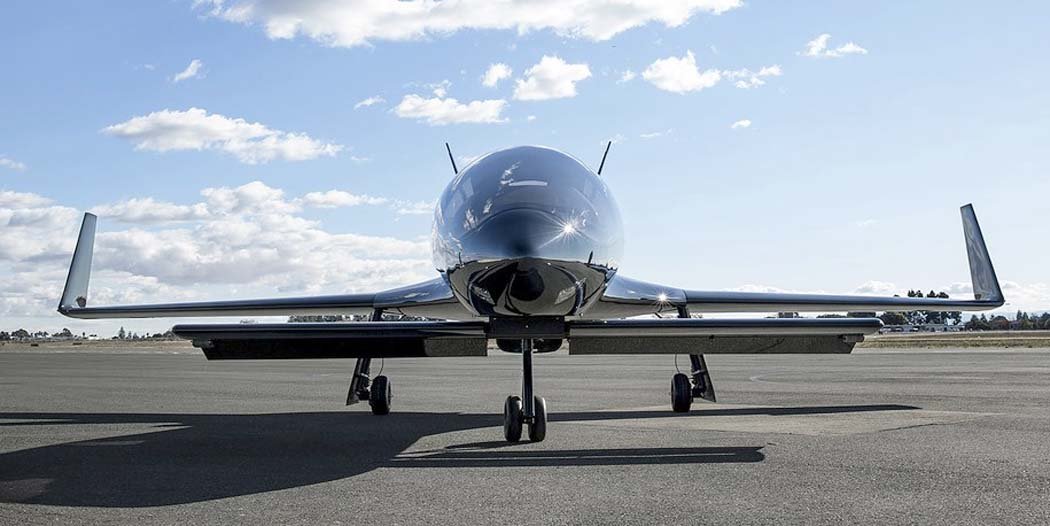
Perceptions of beauty are subjective, but one cannot deny that the aircraft looks unusual and modern. The second reason is its speed characteristics. With a 350 hp engine and a “canard” aerodynamic configuration, the aircraft develops a maximum speed of 475 km/h and a cruise speed of 463 km/h. This is higher than the fastest serial piston-powered Mooney Acclaim Type S (389 km/h).
If compared to the maximum speed of the best-selling piston light aircraft, the Cirrus SR22 (342 km/h), the advantage is undeniable. However, in terms of flight range, the “Valkyrie” is slightly inferior to the Cirrus SR22, but a detailed comparison of the Co50’s flight characteristics with competitors is not yet possible due to insufficient information. For example, there are absolutely no data on the aircraft’s take-off and landing performance, although it is known that the take-off/landing roll distances for canard designs are not the shortest, as it is difficult to install powerful high-lift devices on aircraft with this balancing scheme.
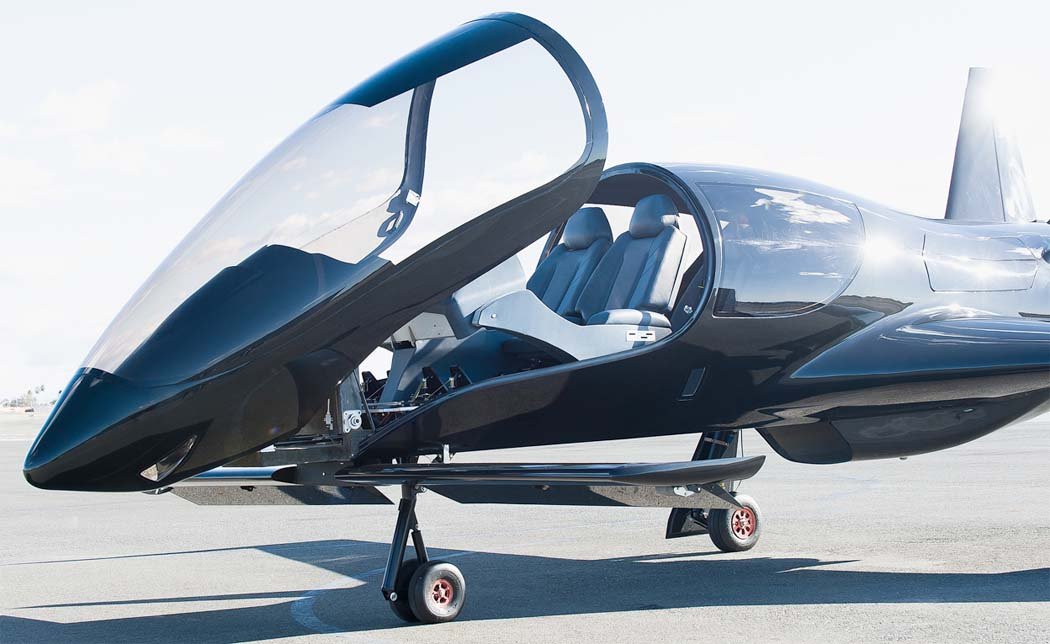
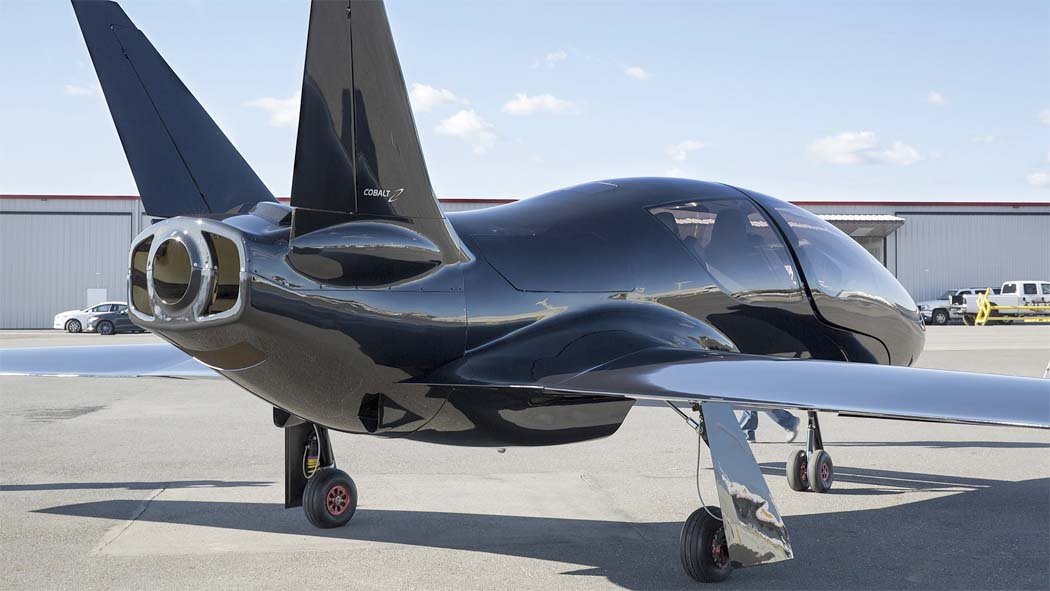
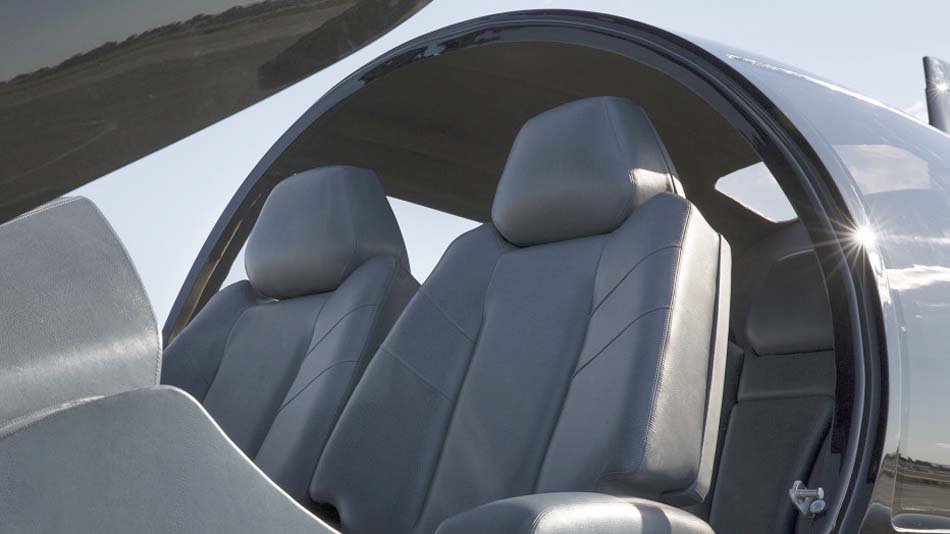
The company draws attention to the wide 320° view from the cockpit and reduced noise within, thanks to the engine being positioned far back and the pusher propeller creating noise behind the aircraft, rather than in front. This cannot be disputed. The radical design of the cockpit canopy certainly makes the aircraft recognizable. It hinges forward, freeing up space for boarding and alighting for a crew of four to five people, including in emergency situations.
Advanced Safety and Exceptional Comfort
Moreover, passengers can only access their seats if the front seatbacks are folded down. This canopy design offers several advantages, primarily an exceptionally wide view from the cockpit. However, it also places high demands on the operability of the mechanisms and locks that secure the canopy in open and closed positions in an emergency. There might be an emergency jettison mechanism, but the developer does not mention it.
It should be noted that Cobalt Aircraft has implemented a number of solutions to enhance flight safety. Specifically, the aircraft uses an anti-icing system (AIS) and is equipped with a rapid recovery system that ensures the aircraft’s landing via parachute in an emergency situation. The company also believes that the canard balancing scheme provides additional safety by increasing stability when the wing reaches critical angles of attack. However, for a complete understanding of safety, data on the aircraft’s spin characteristics would be beneficial.
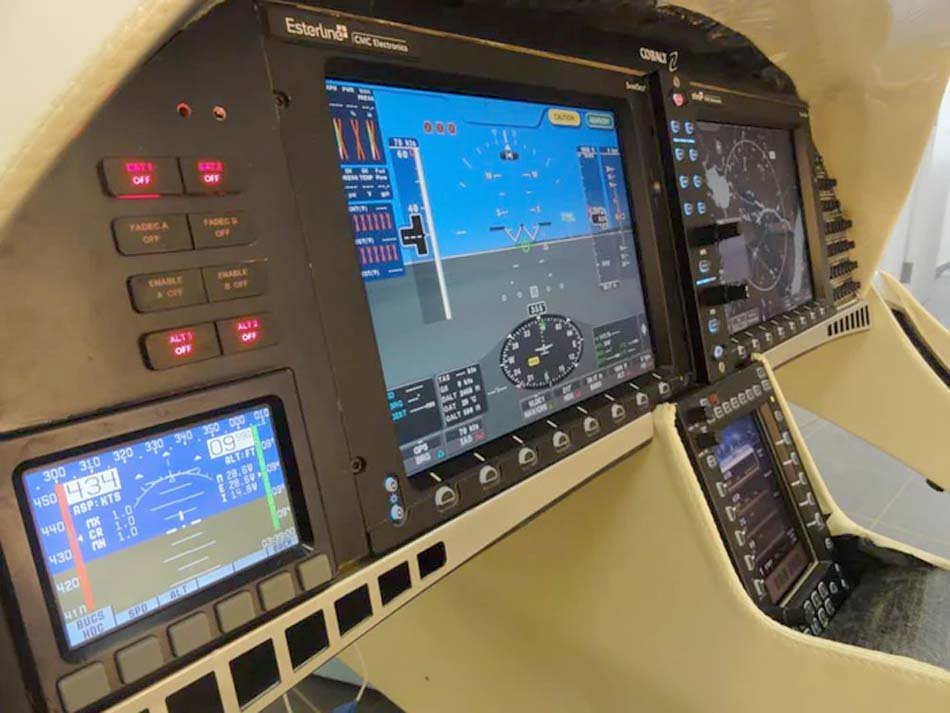
Side stick controls and Garmin G3X Touch touchscreen monitors with Powerlink Full Authority Digital Control Engine (FADEC) are not unique today. Characteristic features of the time include dashboard holders for iPads, a luxurious interior, and seats designed by a former employee of Hermes, a leader in interior design and manufacturing. Incidentally, one of the positive features of the cabin noted is the large, capacious luggage compartment, which can fit not only suitcases but also golf clubs and even skis.
The airframe is made of AGATE carbon composites; Carbon-Nomex is used in the construction of the rudders and flaps; the retractable landing gear structure is made of aluminum and steel alloys; the Hartzell variable-pitch propeller blades are aluminum.
In conclusion, a few words about the chief designer and founder of Cobalt Aircraft, David Loury. He is French; he made the first sketches of the aircraft more than 10 years ago in Paris. In 2001, he obtained a private pilot’s license and holds a Master’s degree in aerospace engineering from the Georgia Institute of Technology, as well as a Master’s in Physics and Economics from Ecole Nationale Supérieure des Mines de Nancy. He began his career in aerospace engineering at Altran, a recognized global leader in innovation and high-tech engineering consulting.
In 2008, David registered Cobalt Aircraft in San Francisco, and in the same year, he received funding for the development of his aircraft project. Some critics in the US express surprise, questioning: “If Burt Rutan couldn’t do it, I doubt Cobalt will,” implying that Rutan’s four- to five-seater canard aircraft never gained widespread adoption. Evidently, David Loury thinks differently and doesn’t defer to authorities. Follow the project’s development – it will be interesting.
Technical Specifications
| Modification | Co50 |
| Wingspan, m | 9. 14 |
| Aircraft length, m | 9. 14 |
| Aircraft height, m | 3. 05 |
| Maximum takeoff weight | 1550 |
| Engine type | 1 Piston engine Continental TSIOF-550-D |
| Power, kW | 1 x 350 |
| Maximum speed, km/h | 475 |
| Cruising speed, km/h | 463 |
| Practical range, km | 2656 |
| Max. rate of climb, m/min | 254 |
| Service ceiling, m | 7600 |
| Crew, crew members | 1 |
| Payload: | 3-4 passengers |
Image gallery of the Co50 Valkyrie