Tabla Consolidada de Ases de la Aviación Canadiense
Descubre la impresionante tabla de ases de la aviación canadiense. Conoce a los pilotos legendarios y sus impactantes registros de victorias aéreas históricas.
Descubre la impresionante tabla de ases de la aviación canadiense. Conoce a los pilotos legendarios y sus impactantes registros de victorias aéreas históricas.
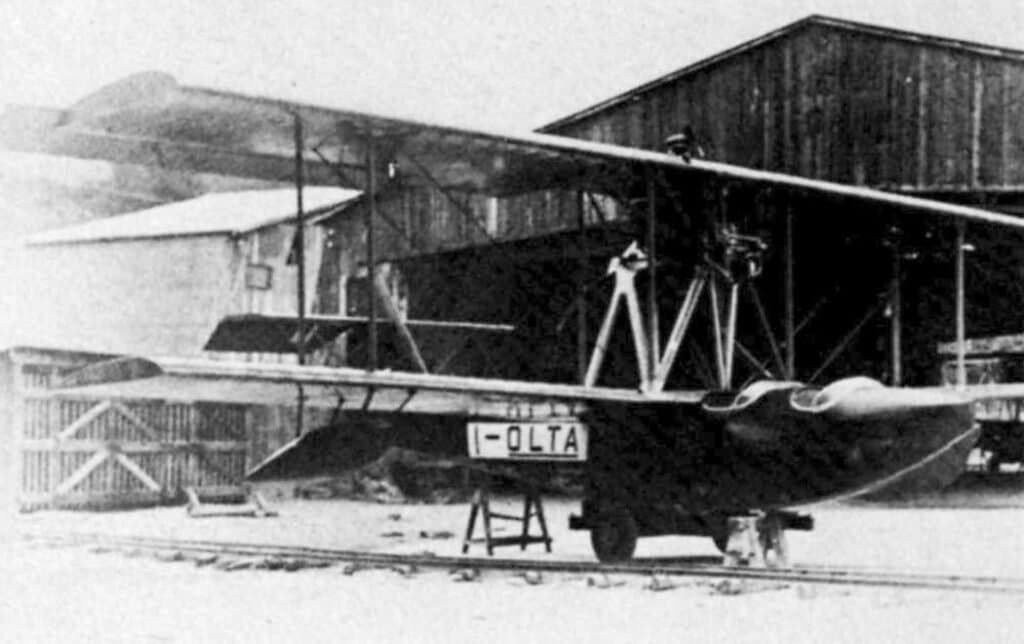
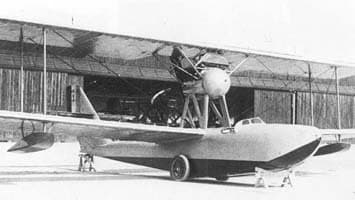
Descubre el hidroavión multipropósito CANT 10, diseñado por Raffaele Conflenti. Operó rutas comerciales y sirvió en Argentina y Paraguay.
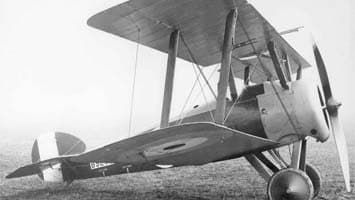 Ataque
Descubre el Sopwith T.F.1 Camel, un prototipo de ataque blindado británico de la Primera Guerra Mundial. Diseñado para trincheras, con blindaje y armamento único.
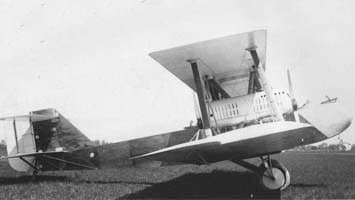 Bombardero
Descubre el Caproni Ca.66, el innovador bombardero nocturno italiano de los años 20. Un biplano cuatrimotor elogiado por su maniobrabilidad y defensa.
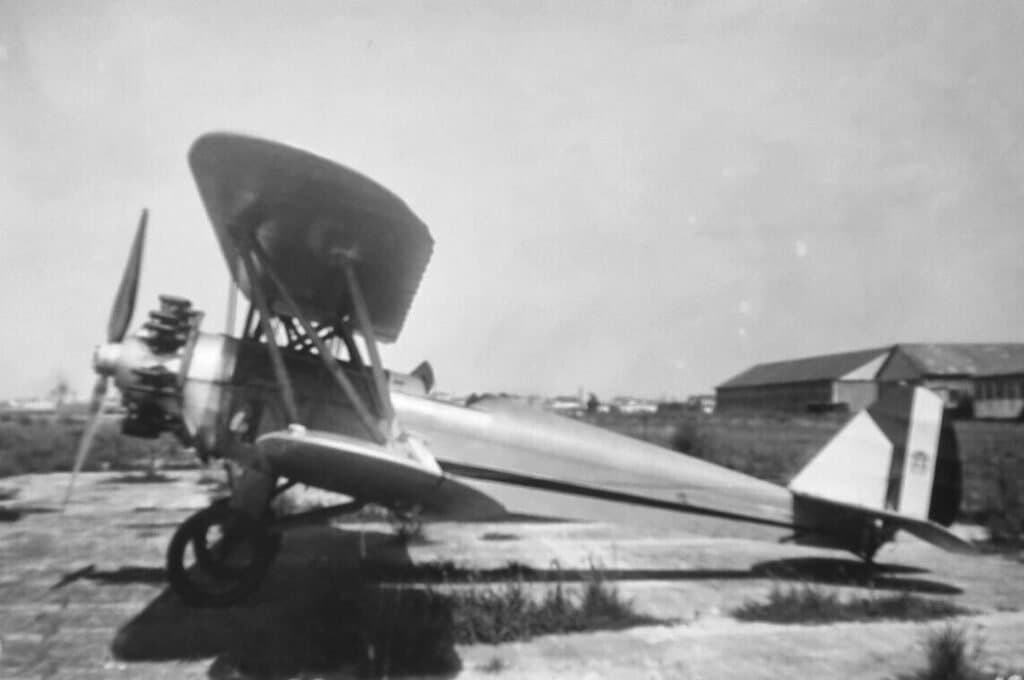
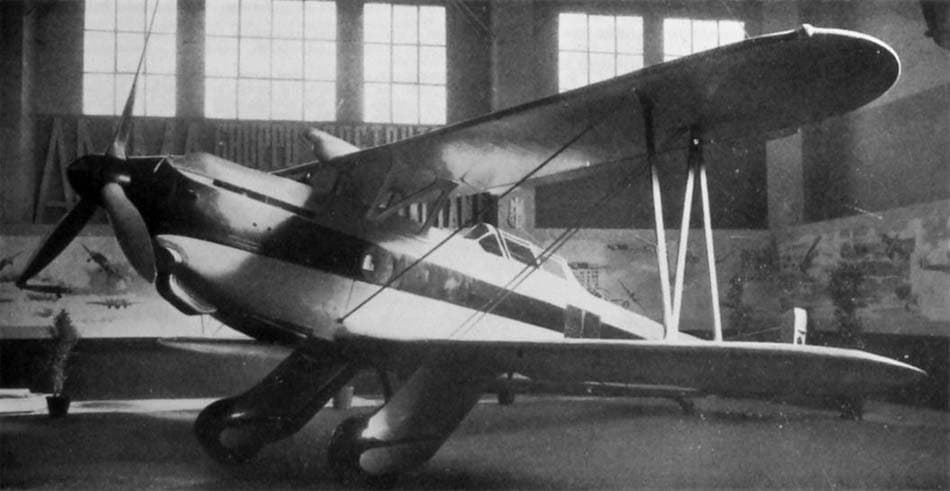
Descubre el Caproni Ca.104 A.A., un entrenador acrobático italiano de 1930. Conoce su potente motor Walter Castor, diseño único y sus variantes.
 Reconocimiento
Descubre el Caproni Ca.134, un biplano de reconocimiento italiano de 1937. Conoce su diseño, armamento, vuelos inaugurales y misteriosa desaparición.
 Hidroavion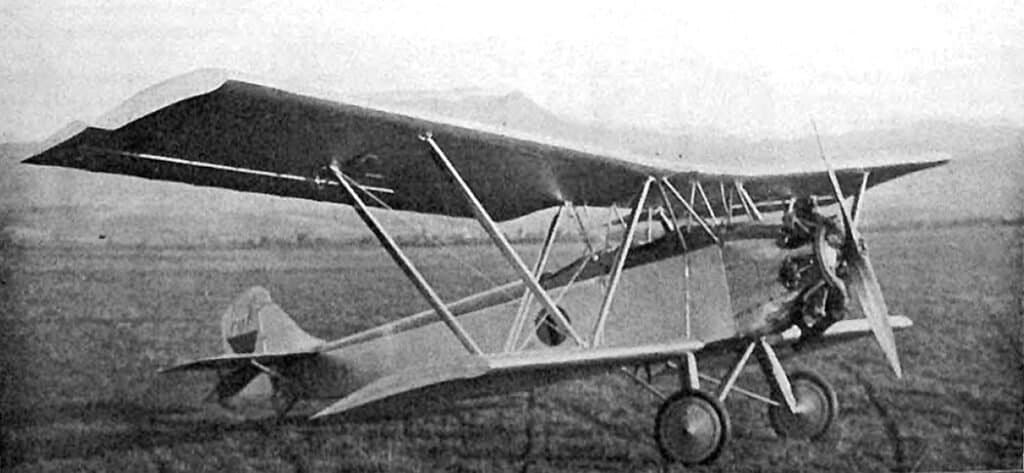
Descubre el desafortunado biplano italiano Cantieri Aeronautici Bergamaschi C-4. Aeronave civil de 1929 diseñada por Calligaris, fracasó comercialmente.