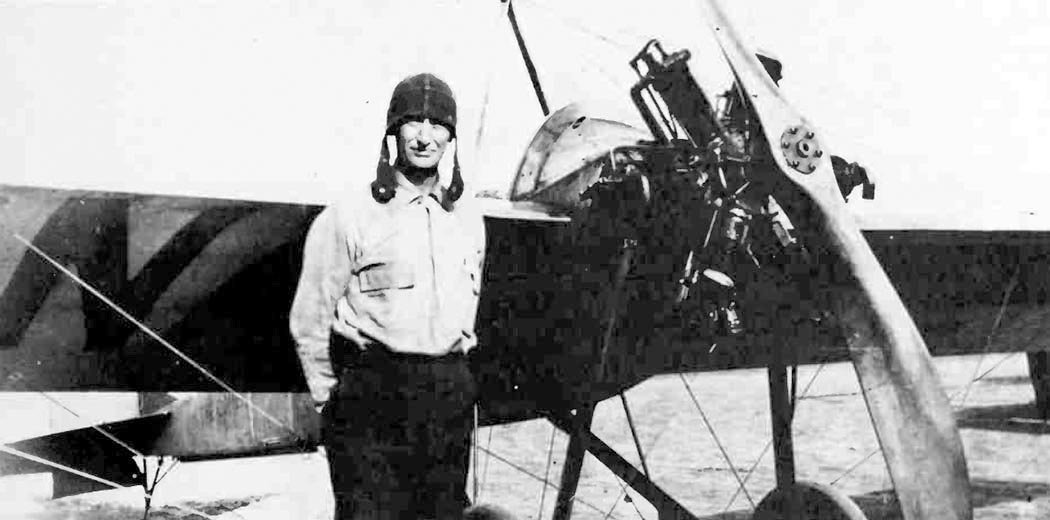
Clyde Vernon Cessna was born on December 5, 1878, in Hawthorne, Iowa, to a farming family. His parents came from families of French and German immigrants. When he was two years old, his family moved to Kansas, to the “old wild West,” where his father acquired 40 acres of land and started a farm.
Like many children of that time, Clyde couldn’t even finish elementary school, as the family grew and the children helped with household chores. However, the clever boy often showed resourcefulness, inventiveness, and entrepreneurial spirit, even as a teenager, when he took a job as a dealer selling agricultural equipment. At a very young age, Clyde became known among his neighbors as a skilled mechanic, improving agricultural machines.
The Path to Aviation
The acquired skills soon came in handy. At the turn of the 19th and 20th centuries, America was swept by an automobile boom. 20-year-old Cessna, moving to Enid, Oklahoma, got a job as an auto mechanic and later even opened his own car sales firm. Clyde was a successful businessman; his “Land Automobile Agency” sold over a hundred cars.
On July 6, 1905, he married school teacher Europa Elizabeth Dotzour. In February 1910, Cessna visited the Moisant International Aviation Air Circus in Oklahoma City, and this sharply changed his life. Succumbing to “aviation fever,” Clyde abandoned all his affairs and got a job as a mechanic at the New York firm Queen Aeroplane Company, which was involved in selling “flying wonder-machines.” Here, he became acquainted with aircraft design and the theoretical foundations of flight.
A month later, the enthusiast returned home with a Bleriot XI fuselage purchased for $7,500 and a 40-horsepower Elbridge engine. By May 1911, the aircraft, named Silverwing, was fully ready. However, the struggles began. Peasant ingenuity could not replace actual flight training, and the first attempt to get airborne ended in failure: on June 9, the aircraft overturned during takeoff, never leaving the ground. Clyde escaped with bruises, but repairing the plane cost a hundred bucks.
The second attempt also proved fruitless, and after the third, the aspiring aviator briefly landed in the hospital with injuries. But finally, on the thirteenth (!) attempt, the aircraft did fly about a hundred meters. To conclude his “historic flight,” Clyde, while turning the machine, misjudged the maneuver and “landed” on a tree. His wife, who supported him in all his endeavors, helped him that time too. She brought a tractor to the crash site, with which the damaged aircraft was towed home.
Annoyed by another failure, Cessna exclaimed: “I will fly this thing after all, and then I’ll burn it, and never deal with airplanes again!” However, a month later, he managed to make a normal flight. The successfully landed pilot was enthusiastically received by a crowd of spectators. Past ridicule was replaced by honor and fame. The townspeople now called their hero “the bird catcher from Enid.”
Aviation Pioneer and Records
Meanwhile, the situation on his father’s farm was going from bad to worse—it was heading towards bankruptcy. In late December, Clyde and his family packed their belongings and moved to a farm in Kansas. The winter of 1911-1912 was tough; in addition, Cessna fell ill but continued to repair his aircraft in the cold shed day after day.
With the arrival of spring 1912, the situation began to improve. Clyde made a series of successful flights at fairs and sports festivals across the state, earning a couple of hundred dollars each time. The profits allowed him to build several aircraft modeled after the “Bleriot XI” by 1915. Cessna continued to perform and now traveled throughout the US Midwest, towing the aircraft on a trailer. In most cases, under contract terms, he had to take off and stay airborne in front of the public for several minutes. The show “Cessna in his Monoplane” attracted many spectators. Profits grew: the average annual salary of a worker in the US at that time was about $600, and Cessna earned that much in a single day of an airshow.
But he already dreamed of something bigger—designing and manufacturing new aircraft models. In 1915, he made his first demonstration flights in Wichita (his future “capital”), and a year later, he received an offer from the local automotive company Jones Six to use part of their production facilities in exchange for advertising. Interestingly, “under the wing” of Jones automobilists, other famous aviation firms—Stearman and Mooney—would later begin their careers.
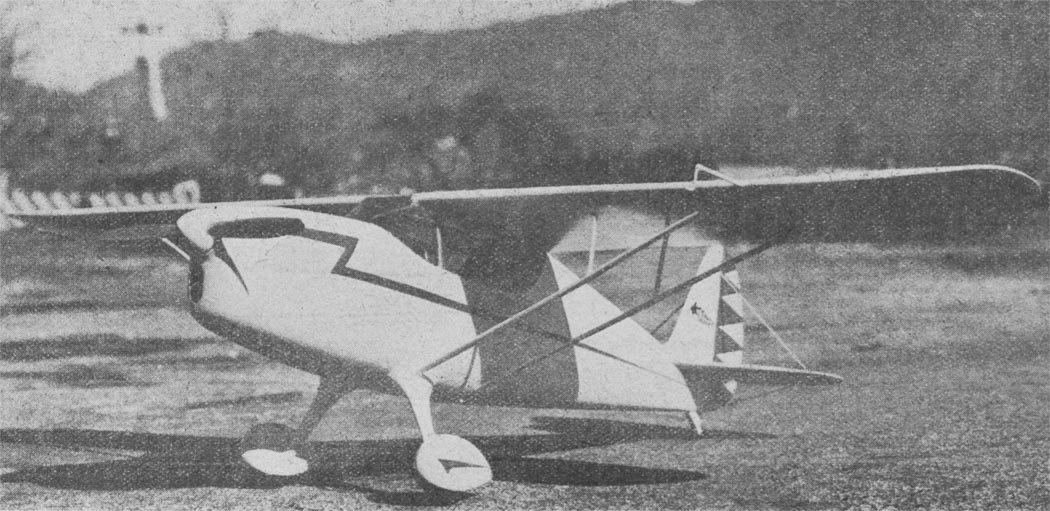
Cessna’s new aircraft was named the 1916-Jones Six. The name of the automotive company was emblazoned in large letters on the lower surface of its wing, “visible from a thousand feet up.” One of the spectators of these promotional flights was local college student Lloyd Stearman, who soon became Cessna’s partner and a well-known aircraft designer. By early 1917, Cessna had built the “Comet” aircraft with a 60-horsepower Anzani engine, which differed significantly from his earlier machines. On it, for the first time, the fuselage was completely covered with fabric skin, the stabilizer was enlarged, and the cowling covered a significant part of the cockpit. And although the machine no longer looked like a technical masterpiece for its time, during a flight from Blackwell (Oklahoma) to Wichita, it managed to set a national speed record of 125 miles per hour (201.17 km/h), albeit with the help of a tailwind.
Technical Specifications
| Modification | Comet |
| Wingspan, m | 8.23 |
| Aircraft length, m | 6.55 |
| Aircraft height, m | 2.44 |
| Engine type | 1 Piston engine Anzani |
| Power, hp | 1 x 60 |
| Maximum speed, km/h | 201 |
| Cruising speed, km/h | 175 |
| Crew | 4 |
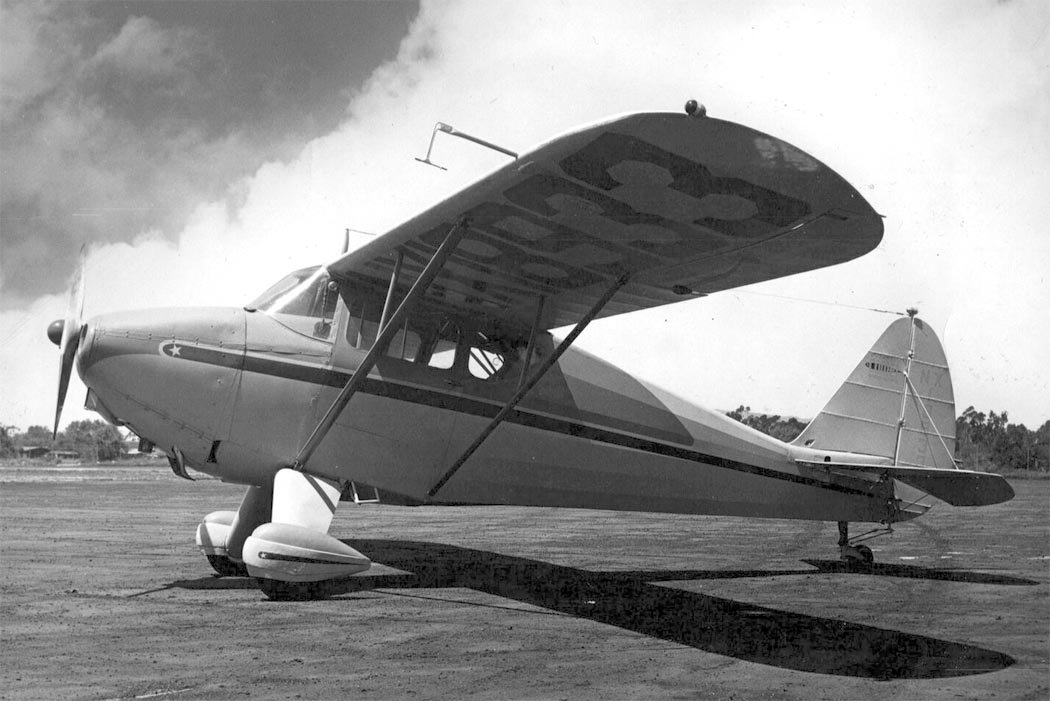
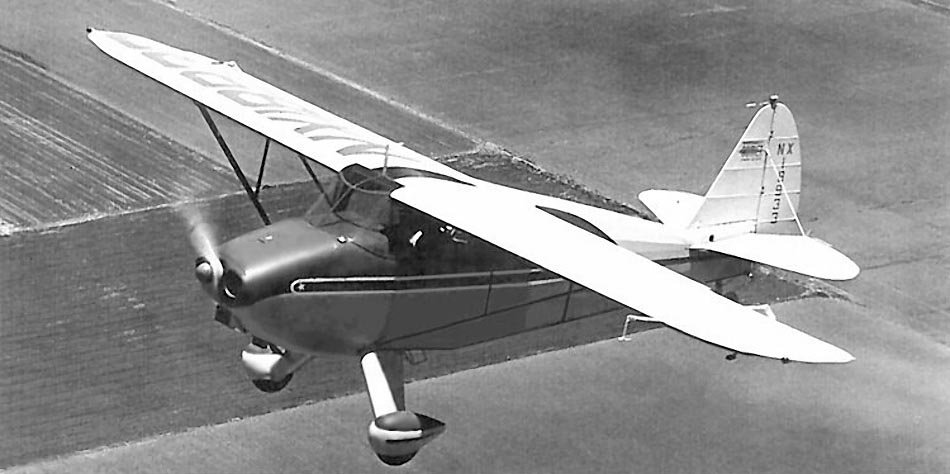
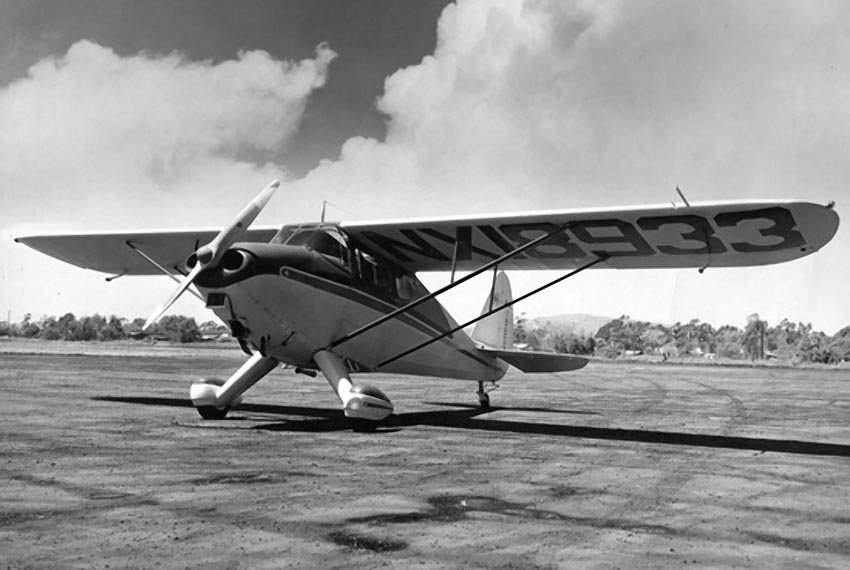
Image gallery of the Clyde Vernon Cessna