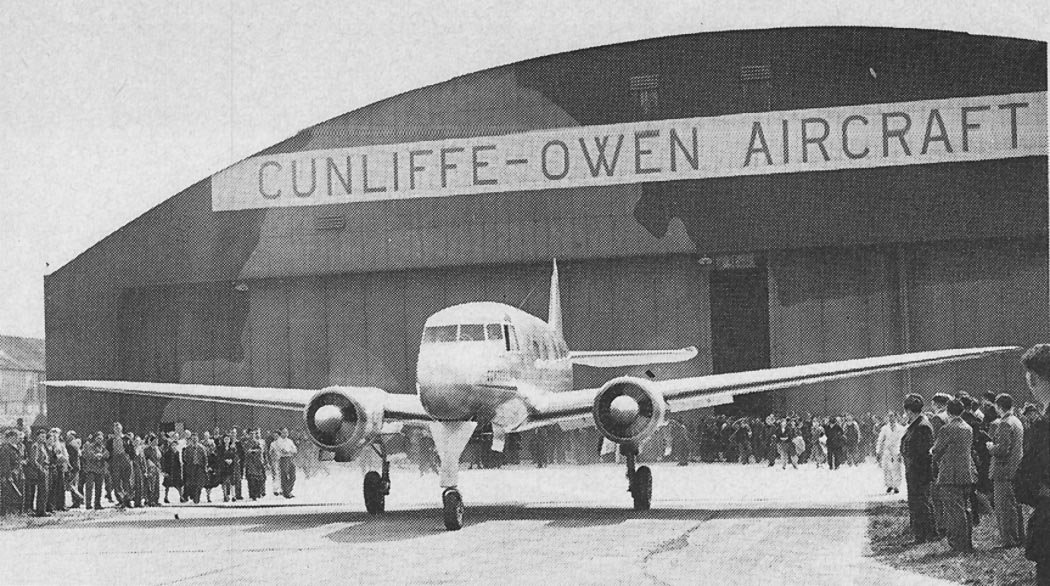
Cunliffe-Owen Aircraft, Ltd. was a second-tier British aviation firm that began operations in 1937, funded by the British American Tobacco Company. Led by Mr. Hugo Cunliffe-Owen, who seemingly had no prior aviation experience, its factory near Southampton Airport opened in February 1939 as one of the “shadow factories”.
Initial plans involved the licensed production of the Burnelli UB-14, with one “Burnelli” (designated Cunliffe-Owen O.A.1, later Charles de Gaulle’s personal transport) assembled from pre-made parts. The outbreak of World War II altered the company’s plans, shifting to direct wartime production, manufacturing Spitfire components, and repairing and restoring these aircraft. From 1943, it also produced the Supermarine Seafire and opened another factory near Edinburgh for repairing Lockheed Hudson aircraft.
The Concordia: Post-War Ambition
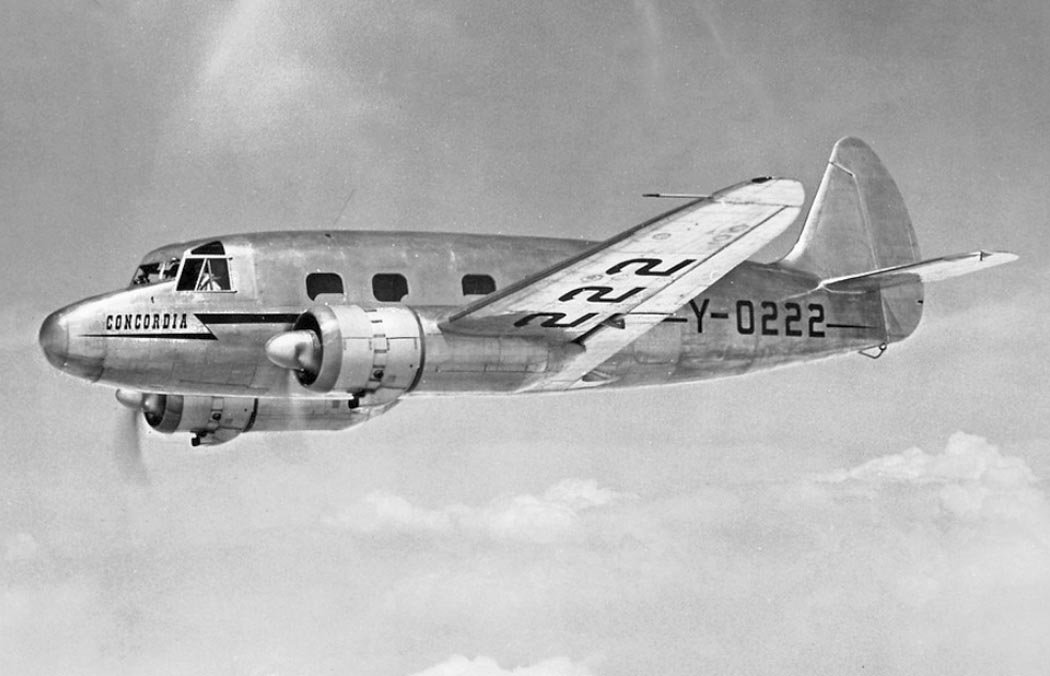
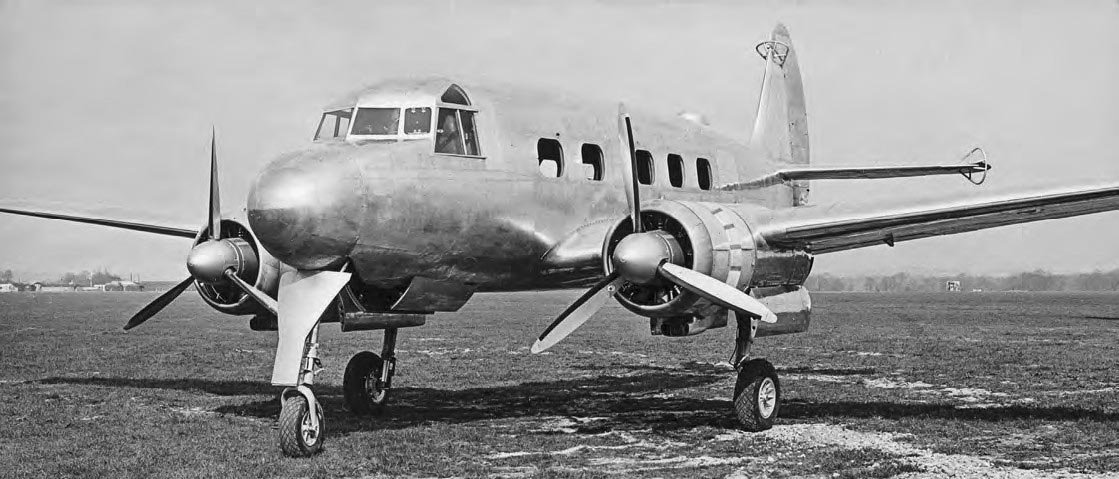
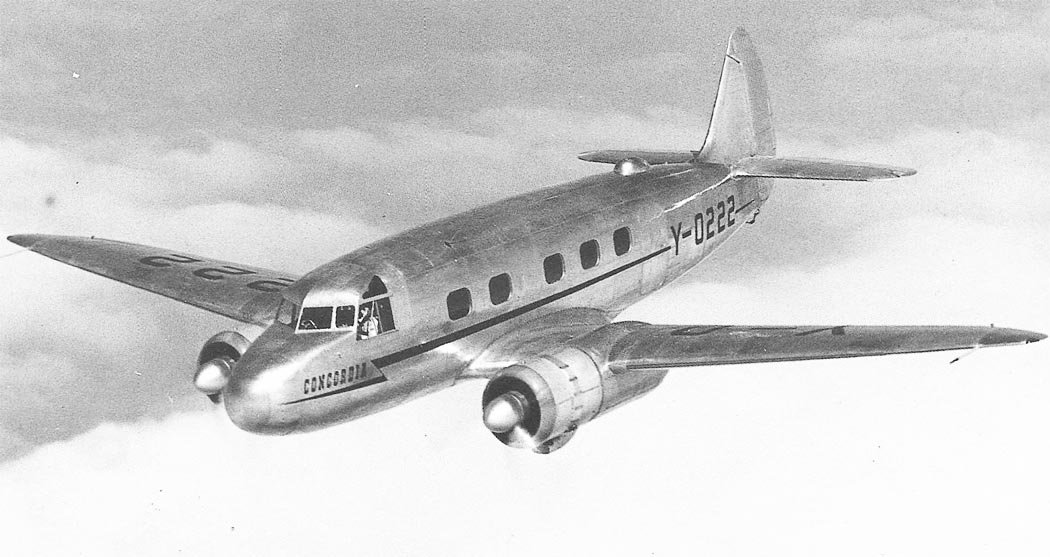
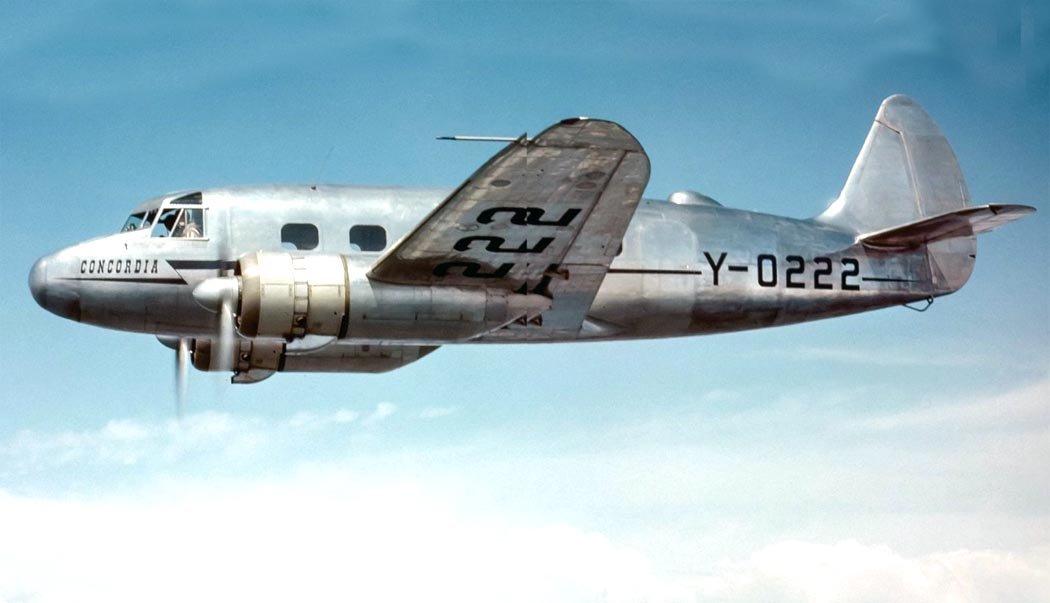
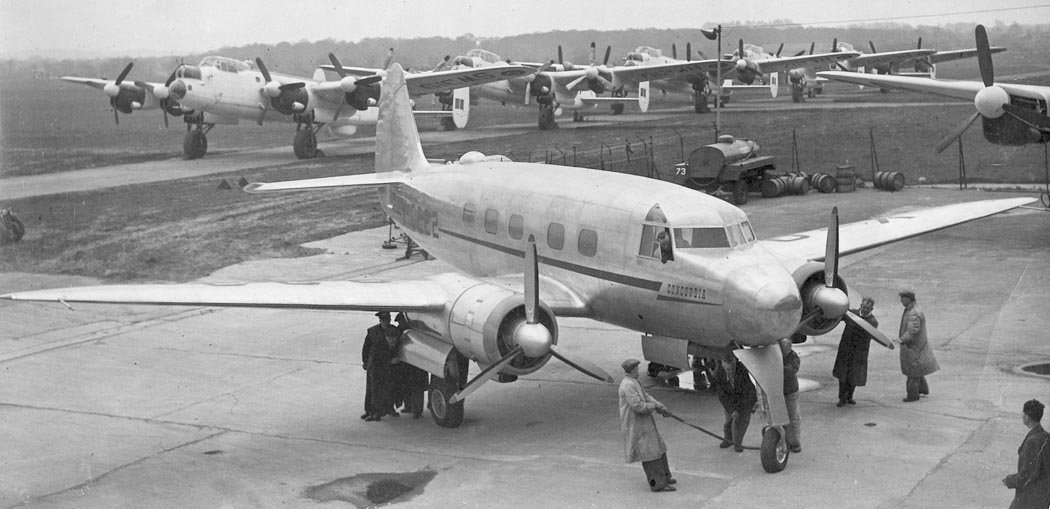
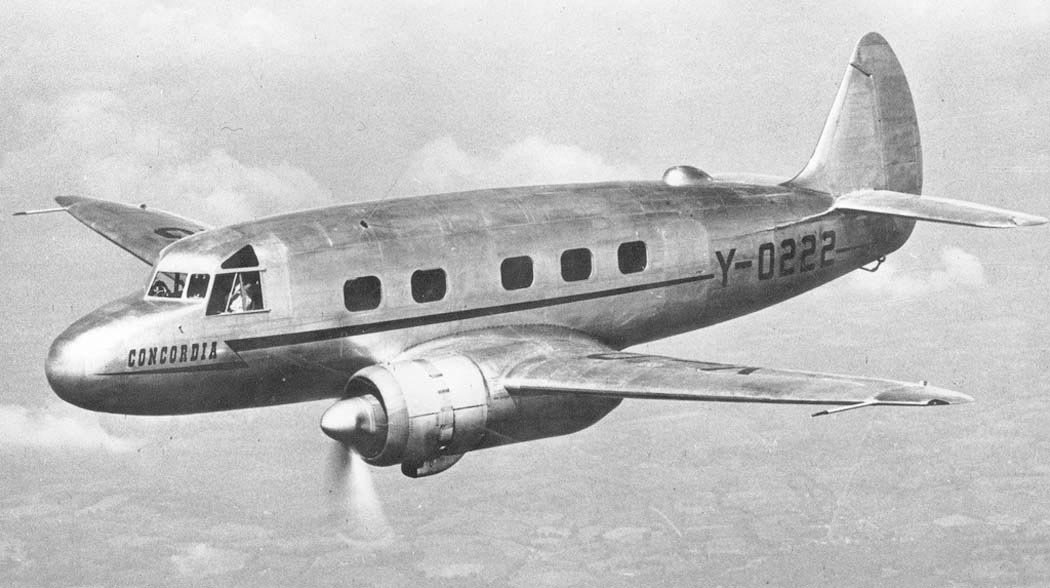
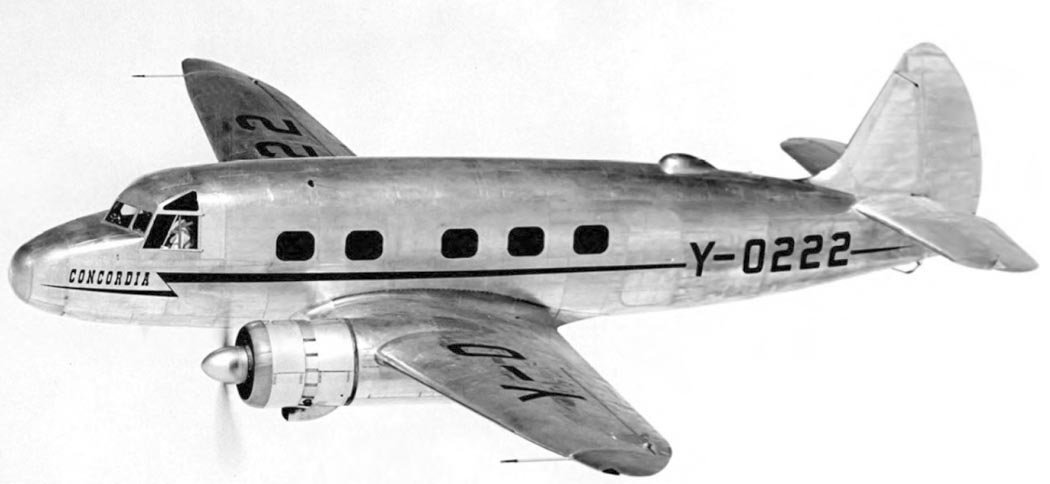
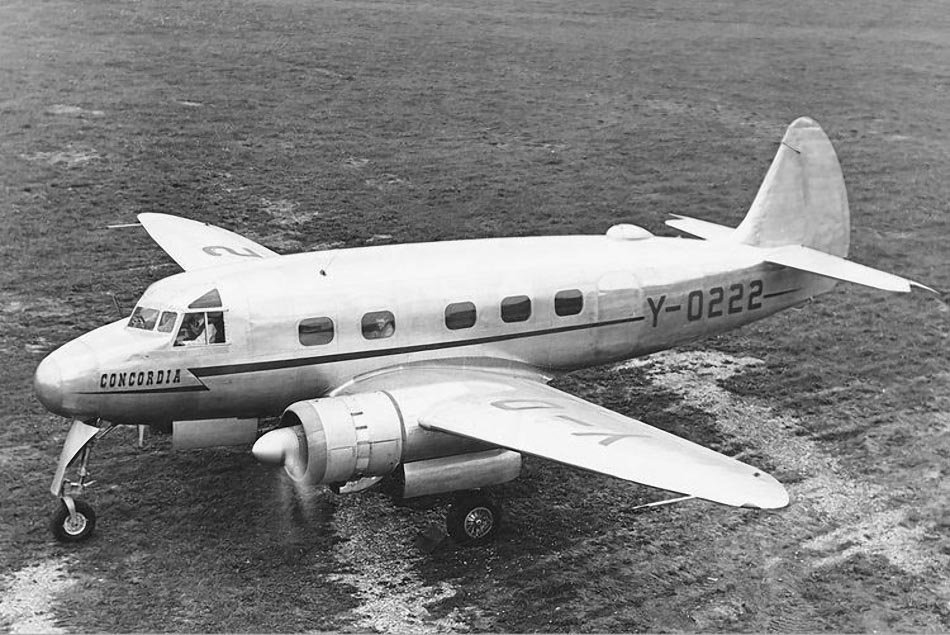
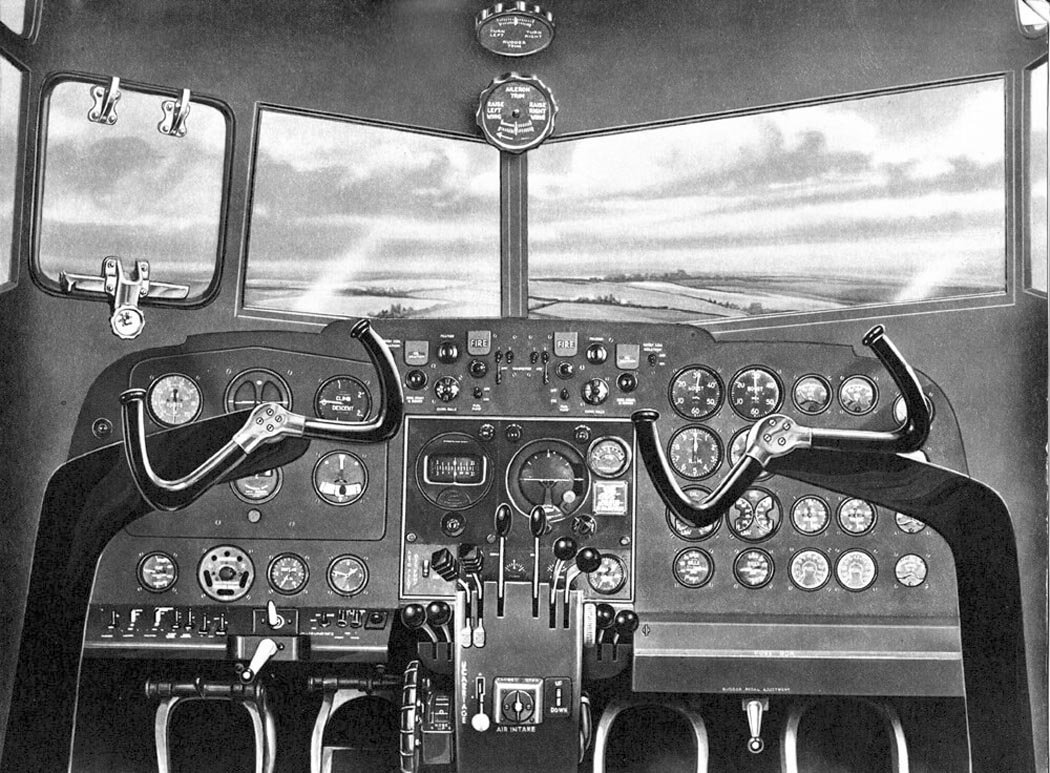
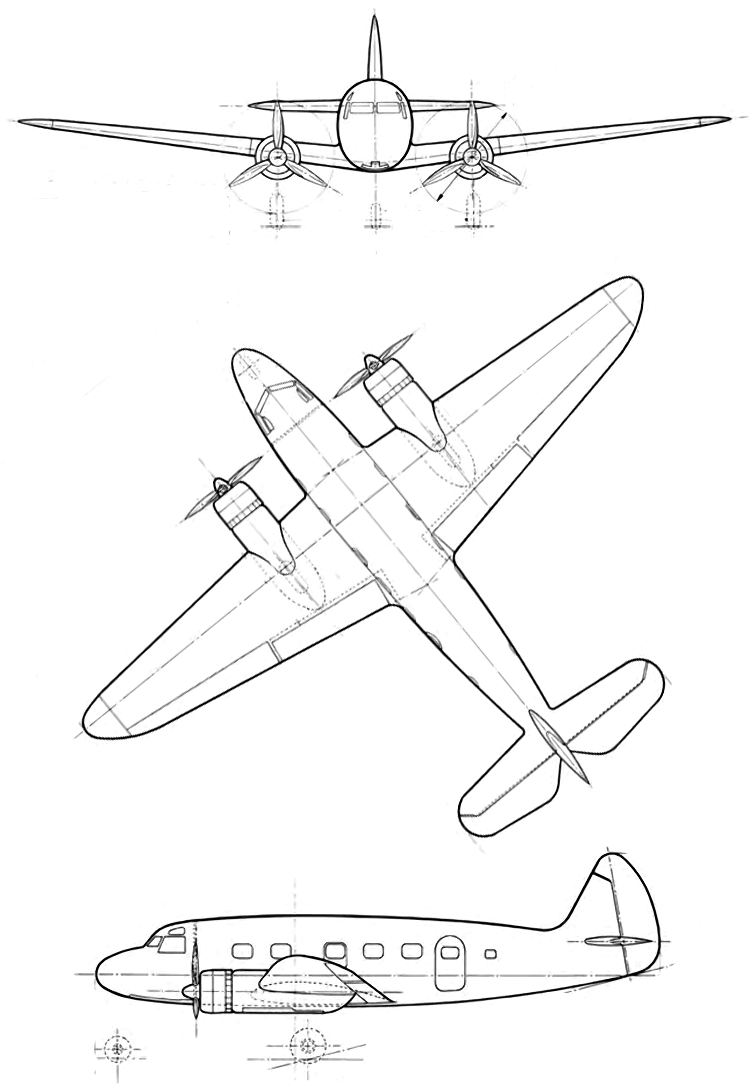
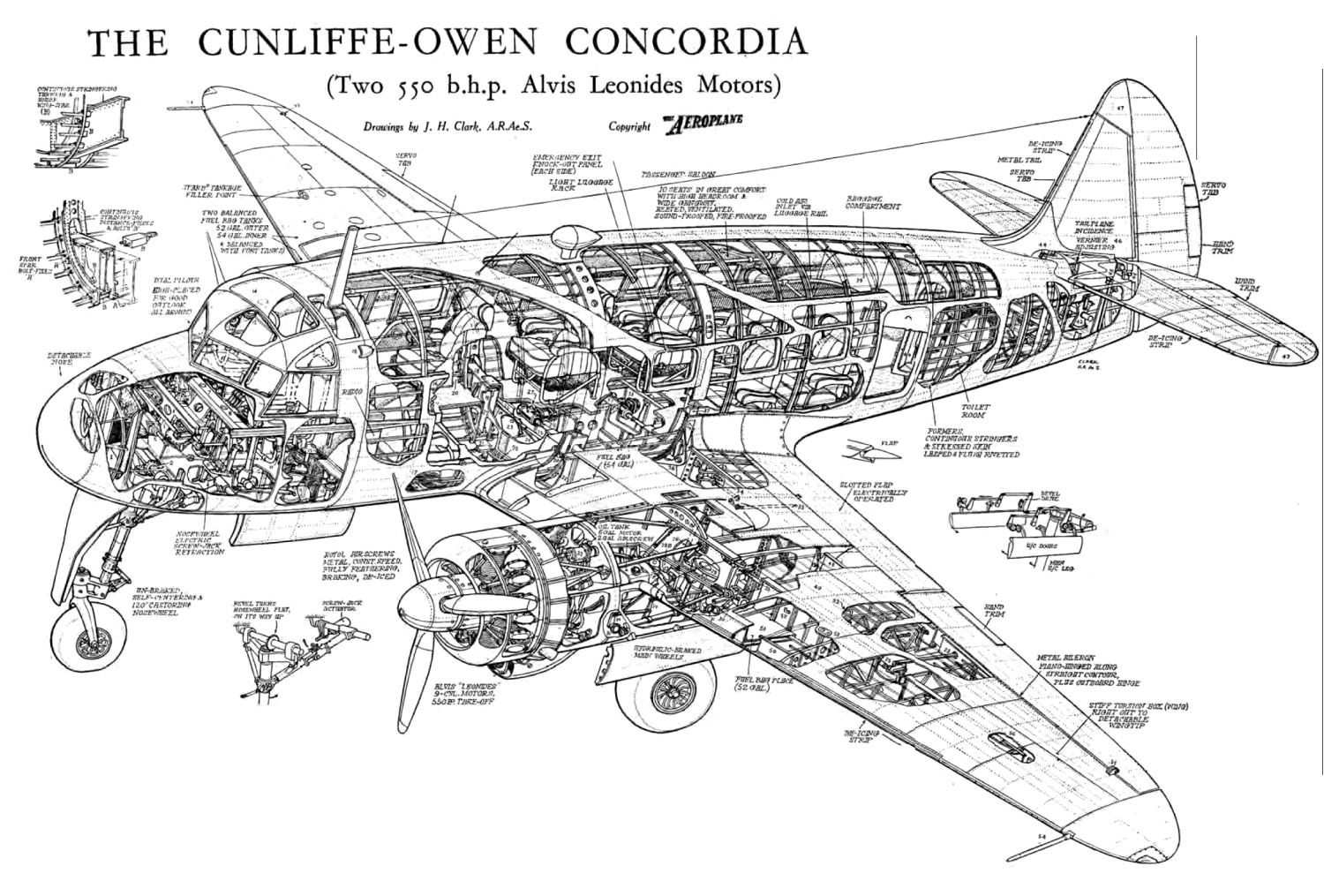
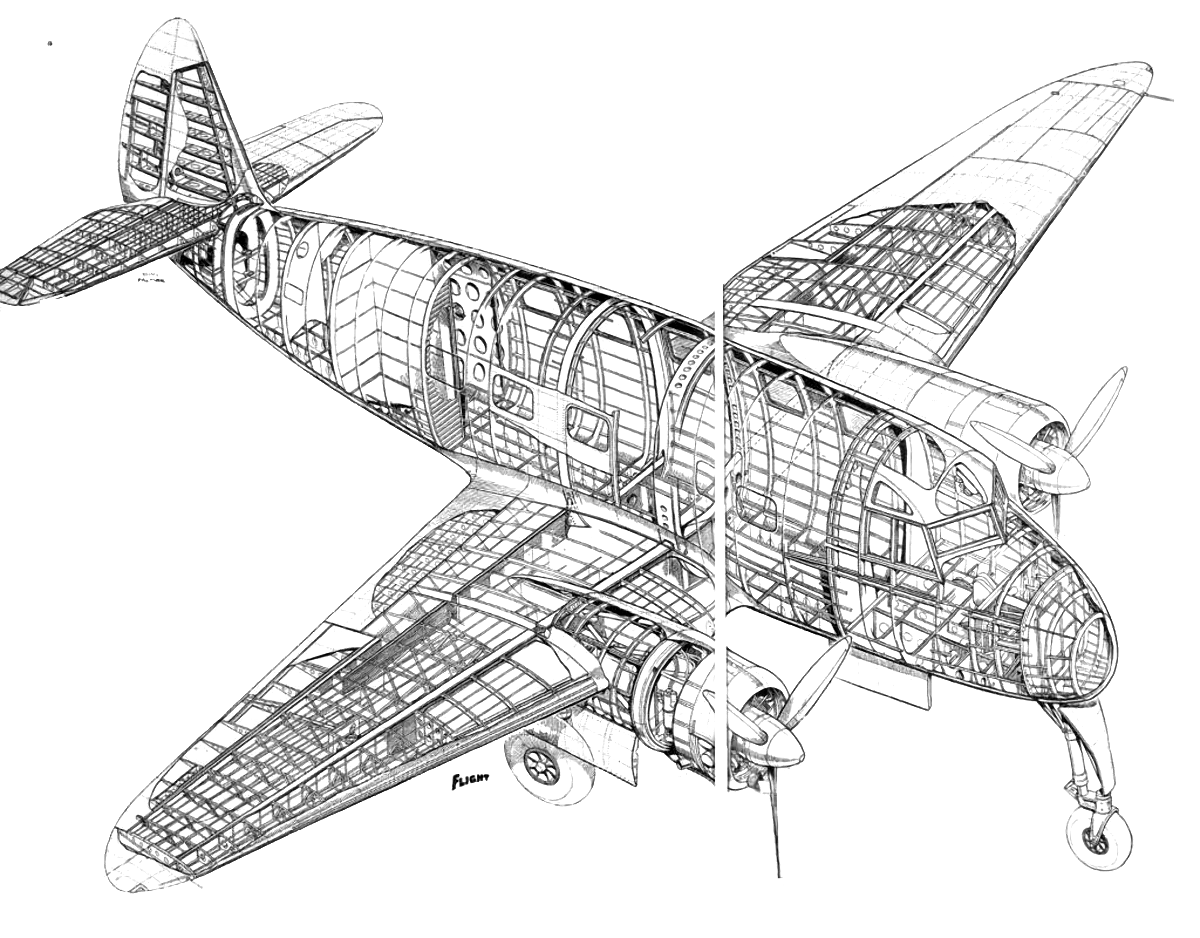
The company’s post-war ambitions centered on the Cunliffe-Owen Concordia, the only aircraft designed by the firm in its brief history. The “Concordia” (registration Y-0222) made its first flight on May 19, 1947. While lacking unique groundbreaking features, it did incorporate a tricycle landing gear with a nose wheel retracting with a twist, similar to the main gear of the P-40.
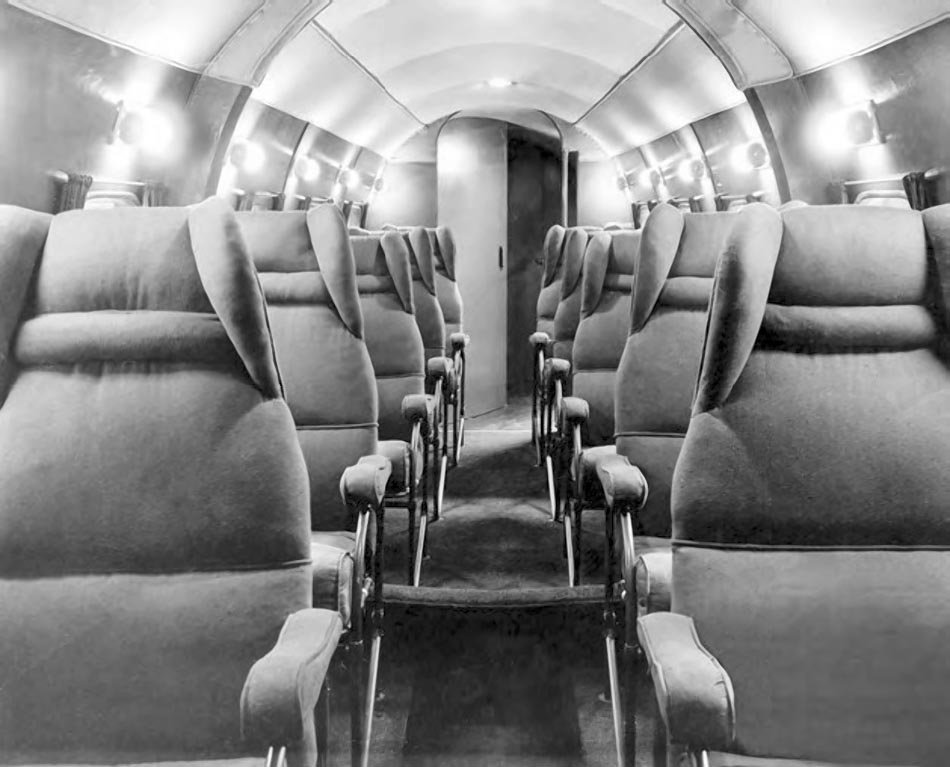
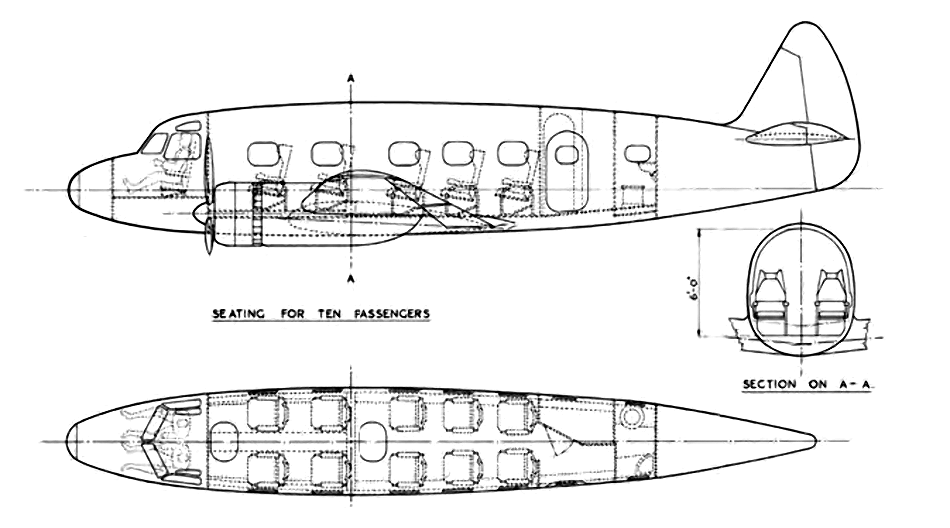
Designed to carry 10 passengers up to 1600 km, the aircraft was marketed as exceptionally comfortable, economical, and cheap to operate for short and medium-haul flights. Its cabin was soundproofed, separated from the cockpit by a partition with a door, and uniquely, allowed smoking. It also included a baggage compartment and a lavatory.
Configurations and Project’s End
The Concordia offered configurations for 12 or 8 passengers with additional luggage, including special chests for baggage in the cabin. Other proposed uses included cargo, medical transport, military transport for 14 soldiers, and as a corporate jet. Both produced aircraft were equipped with two 550 hp Alvis Leonides engines with electric propeller pitch control, with a reversible pitch modification available upon request.
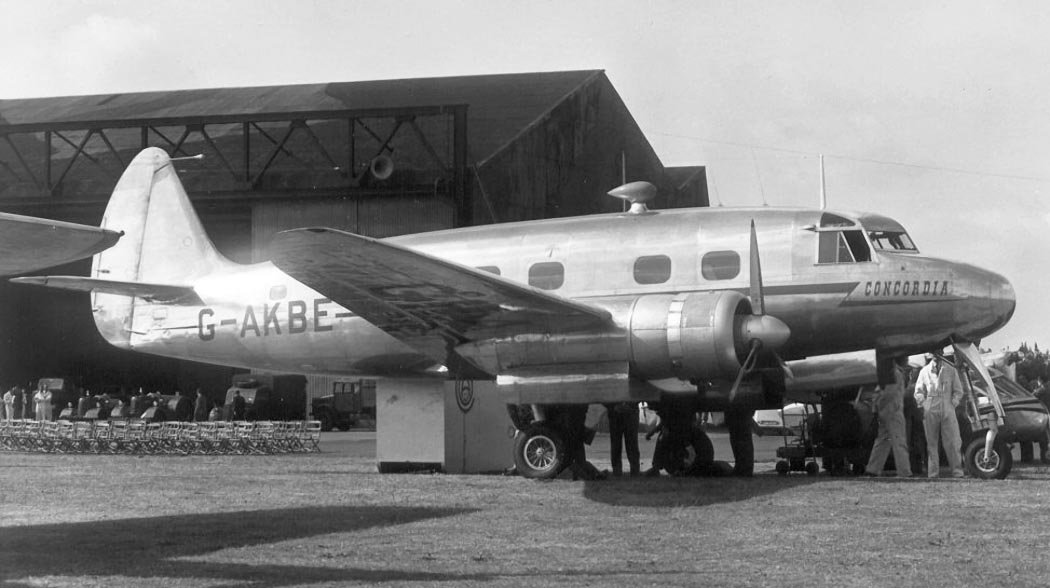
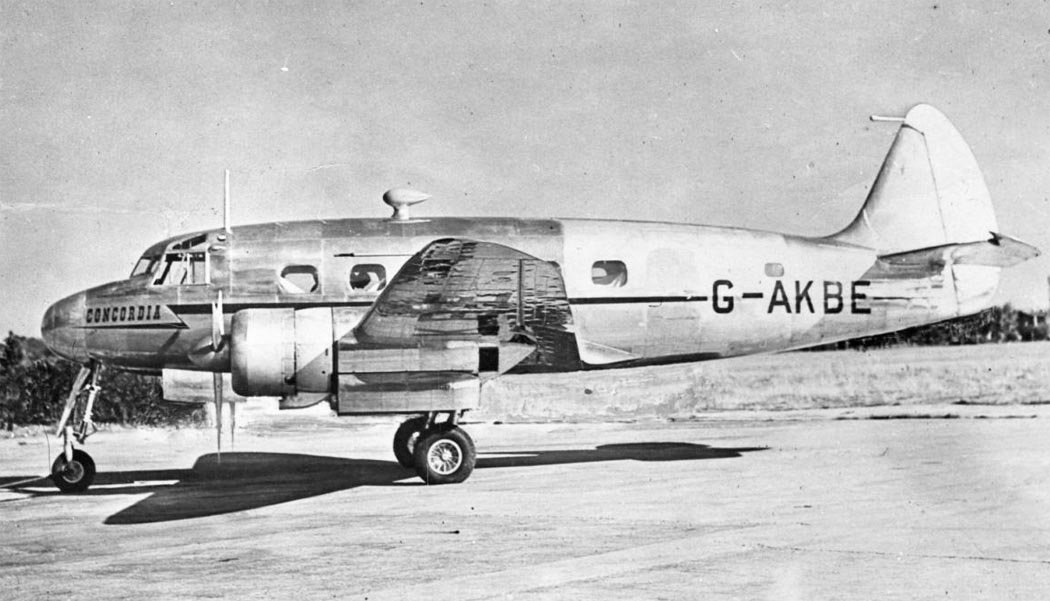
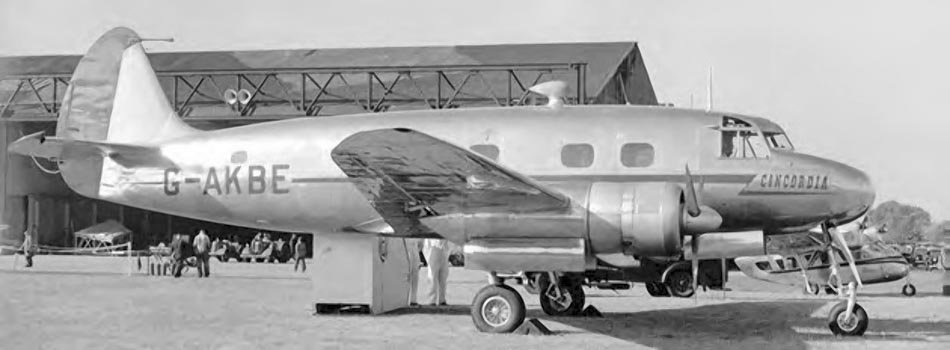
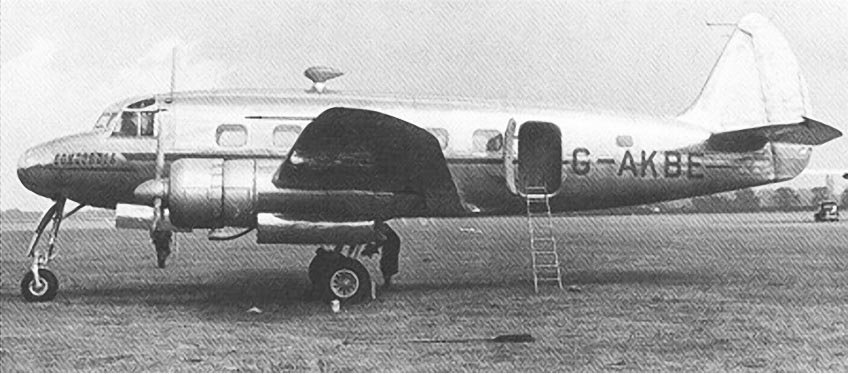
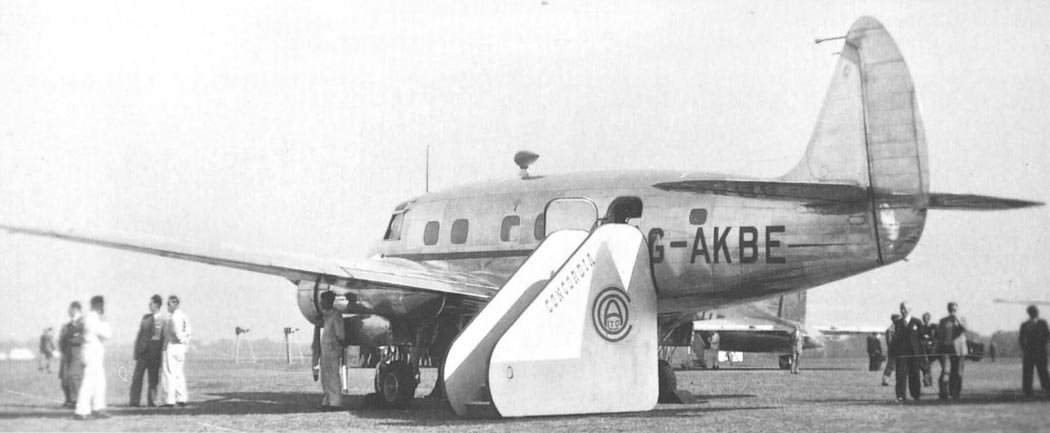
The second prototype (G-AKBE) differed slightly from the first, being 5 inches longer to mitigate structural resonance. Photographs also show other distinctions, such as a fairing for the radio navigation antenna, different antenna masts, and the absence of a streamlined “patch” near the tail where the first prototype had an anti-spin parachute. All work on the project ceased on November 18, 1947.
The termination was due to intense market competition, with rivals including British counterparts from stronger firms like the De Havilland Dove, as well as a large number of demobilized American Dakotas. A total of six Concordias were laid down, with orders for British European Airways (two), Air Malta (one), and the Nabob of Bhopal (one). In the same year, 1947, Cunliffe-Owen Aircraft ceased to exist.
Technical Specifications
| Modification | Concordia |
| Wingspan, m | 17.25 |
| Aircraft length, m | 13.67 |
| Aircraft height, m | 5.10 |
| Wing area, m2 | 40.40 |
| Empty weight | 2 018 |
| Maximum takeoff weight | 5670 |
| Engine type | 2 Piston engine Alvis Leonides L.E.4M |
| Power, hp | 2 x 550 |
| Maximum speed, km/h | 348 |
| Cruising speed, km/h | 312 |
| Crew | 2 |
| Payload | up to 10 passengers |
Image gallery of the Cunliffe-Owen Concordia