2FR.2 Bulldog
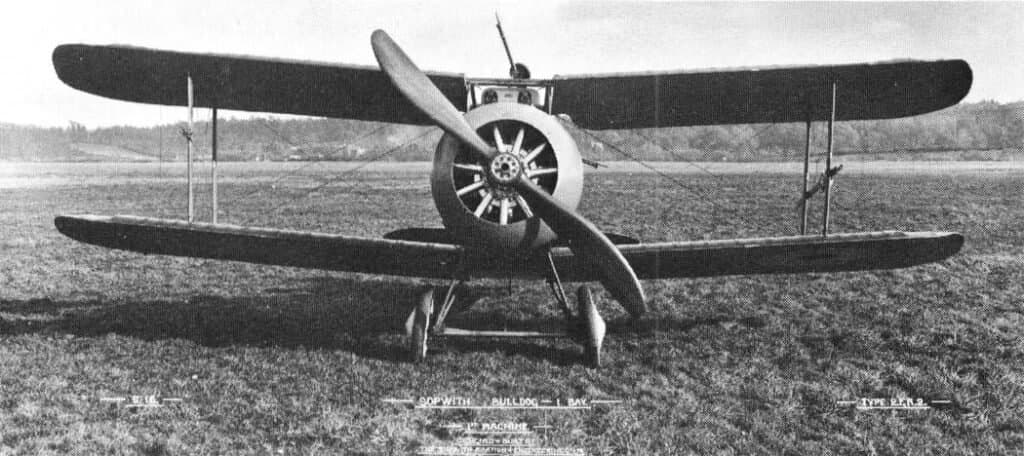
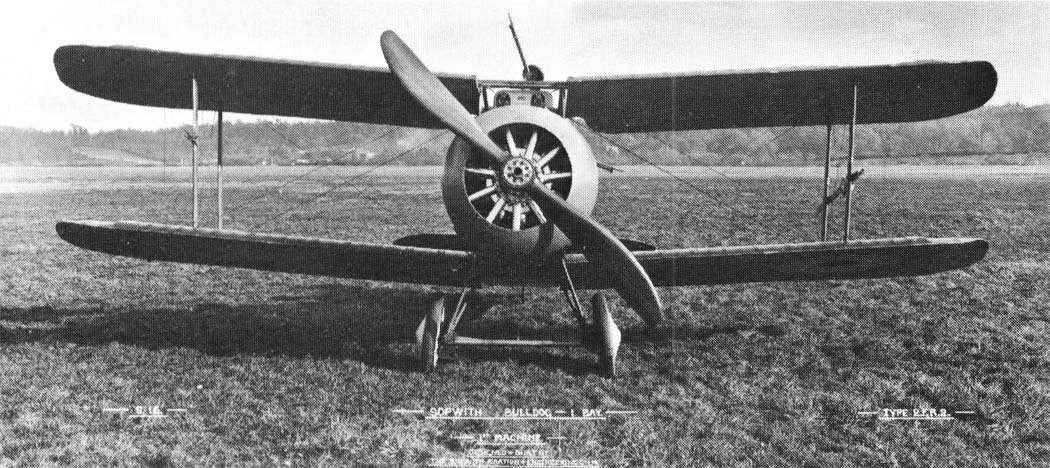
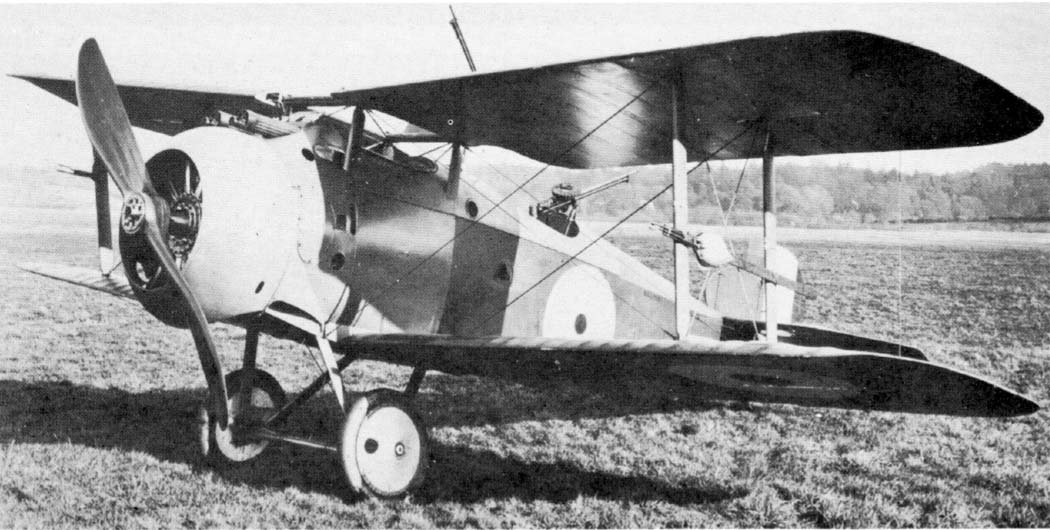
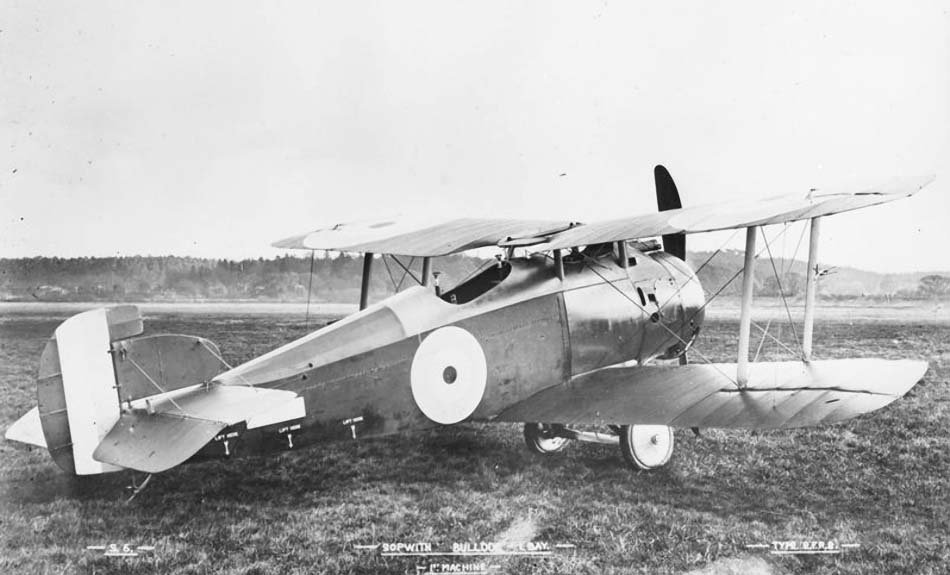
The 2FR.2 Bulldog was a fighter aircraft developed by the renowned English firm Sopwith. Conceived as a combat biplane, the Bulldog was characterized as a somewhat overweight and unwieldy machine for its category. Despite this, its design included a remarkably powerful armament configuration for its era.
Formidable Armament
This fighter was equipped with a significant arsenal: two fixed forward-firing machine guns for the pilot, complemented by two additional independent machine guns cleverly mounted on top of the upper wing. This arrangement aimed to maximize its offensive capability in aerial combat.
Post-WWI Production & Engine Variants
Unfortunately, due to the end of World War I, the production of the 2FR.2 Bulldog was severely limited, with only two examples ever built. The first unit featured an eleven-cylinder Clerget 11Eb engine, delivering 200 horsepower. The second prototype was powered by a nine-cylinder ABC Dragonfly engine, which offered a superior output of 320 horsepower.
Technical Specifications
| Modification | Bulldog |
| Wingspan, m | 10.29 |
| Length, m | 7.00 |
| Height, m | 2.67 |
| Wing area, m2 | 31.12 |
| Empty weight | 645 |
| Normal takeoff weight | 1132 |
| Engine type | 1 Piston engine Clerget 11B |
| Power, hp | 1 x 200 |
| Maximum speed, km/h | 175 |
| Cruising speed, km/h | 148 |
| Practical range, km | 400 |
| Practical ceiling, m | 4800 |
| Crew, crew members | 2 |
| Armament | four 7.7-mm machine guns (two forward and two twin-mounted in the rear cockpit on a movable turret) |
Image and diagram gallery of the 2FR.2 Bulldog
 2FR.2 Bulldog |
 2FR.2 Bulldog |
 2FR.2 Bulldog |
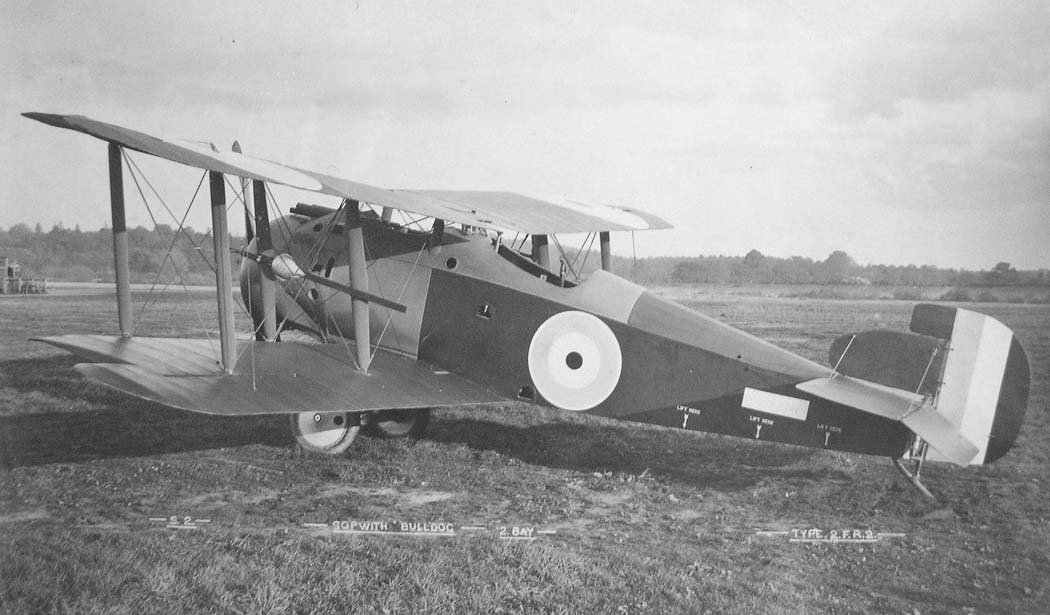 2FR.2 Bulldog |
 2FR.2 Bulldog |
 2FR.2 Bulldog |
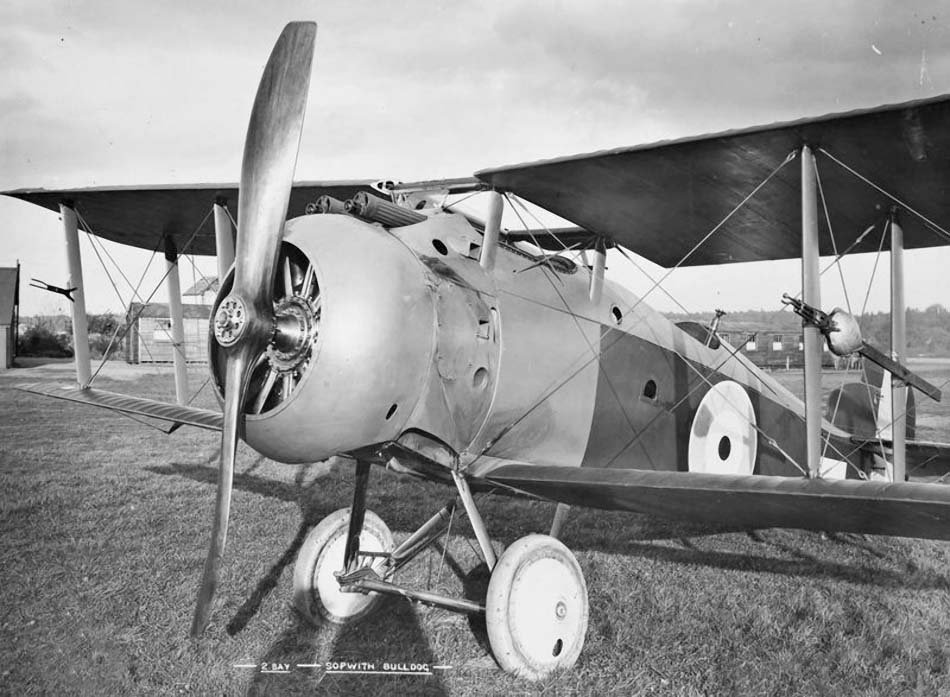 2FR.2 Bulldog |
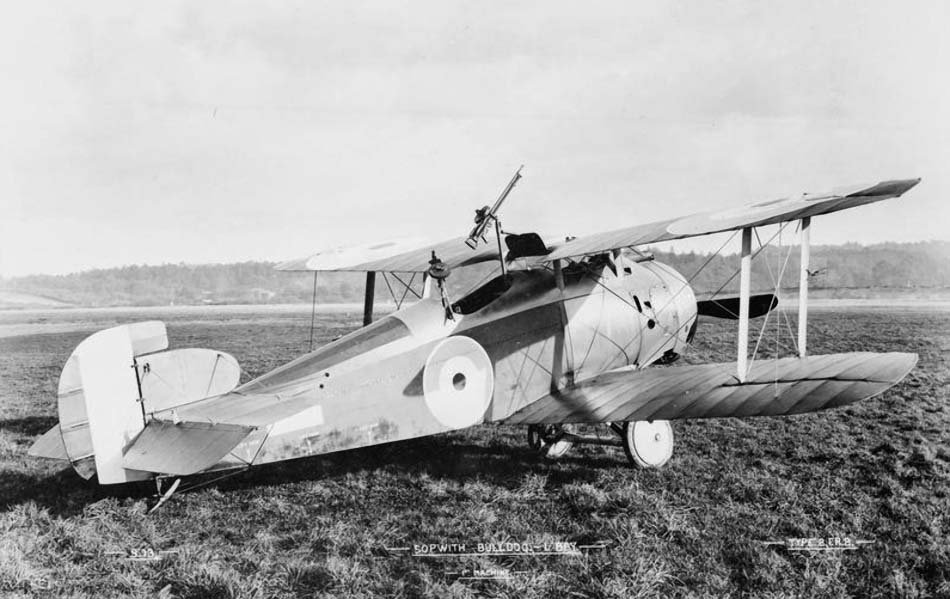 2FR.2 Bulldog |
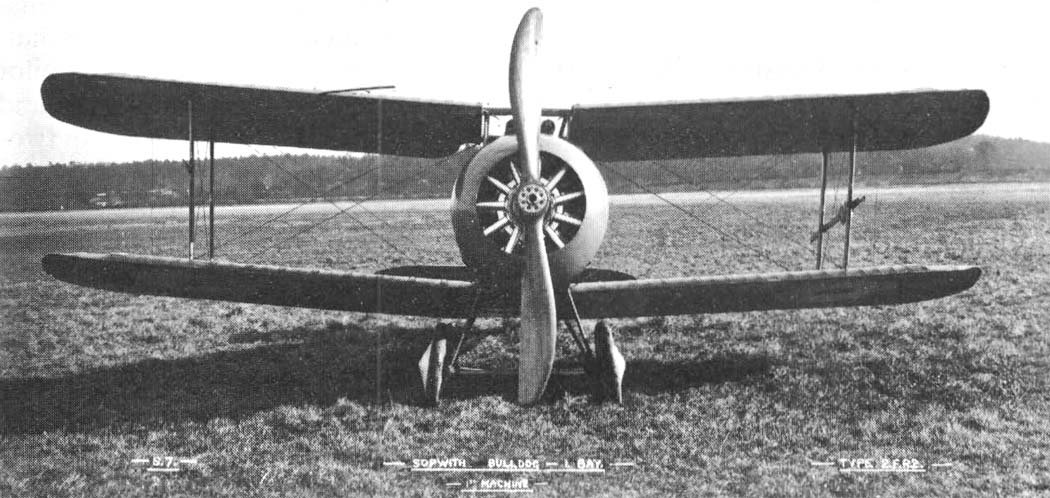 2FR.2 Bulldog |
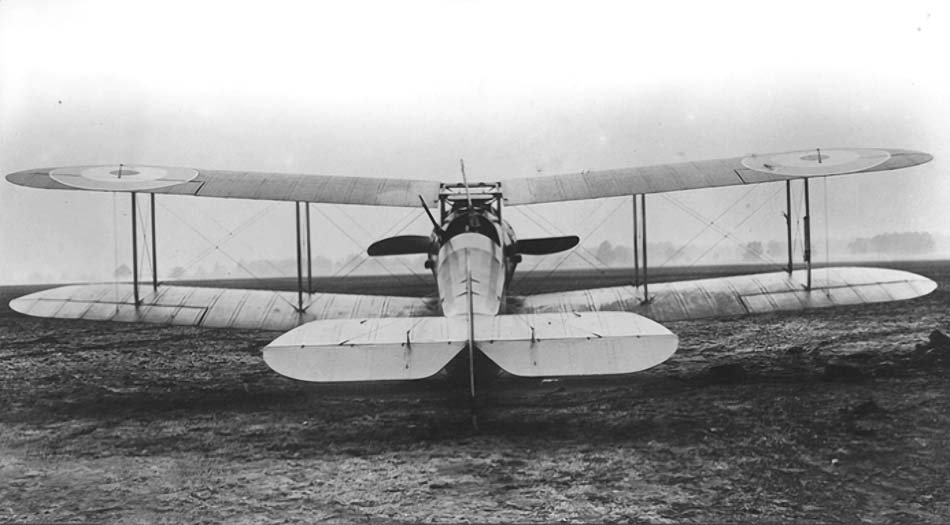 2FR.2 Bulldog |
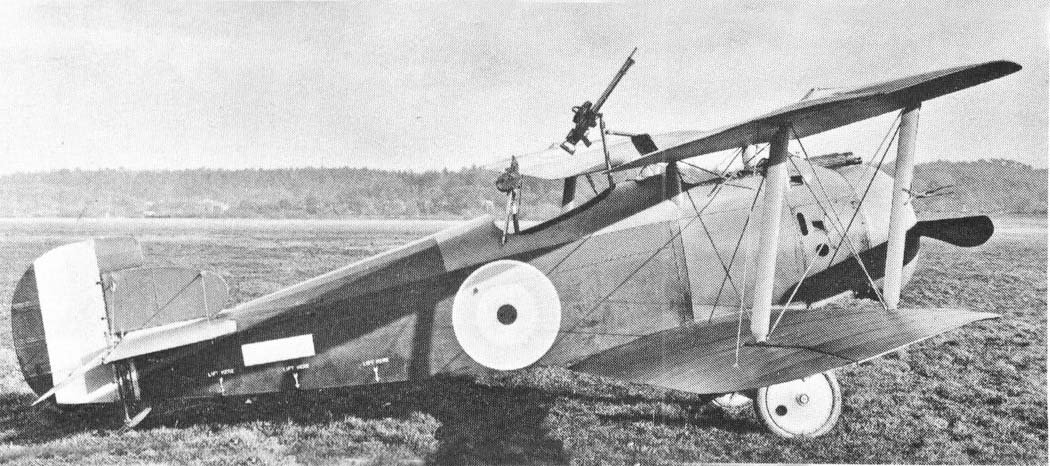 2FR.2 Bulldog |
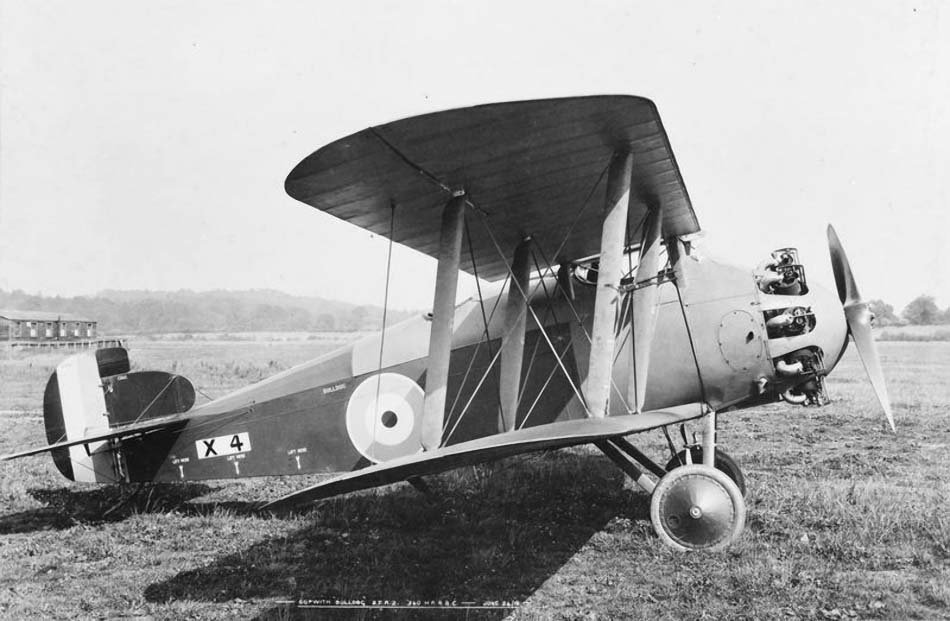 2FR.2 Bulldog |
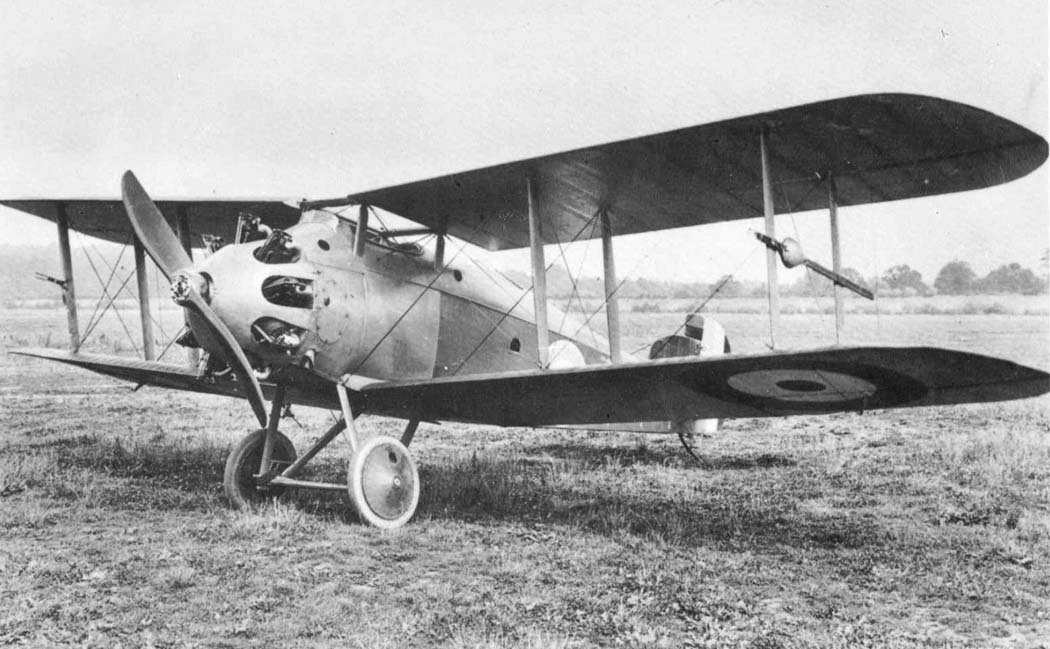 2FR.2 Bulldog |
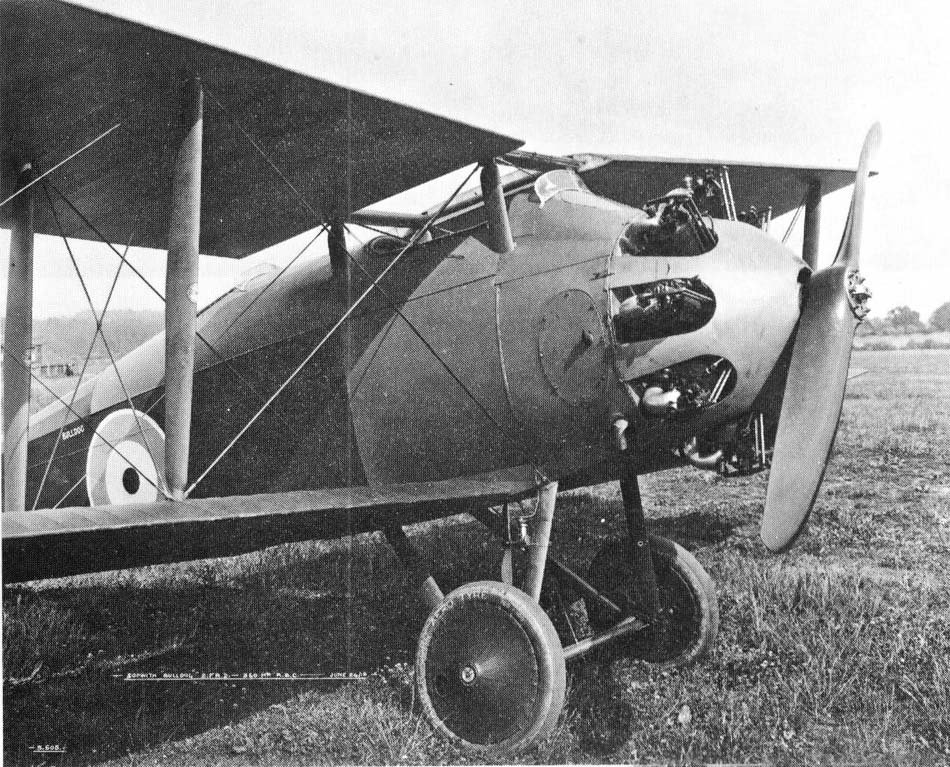 2FR.2 Bulldog |
ArchivoAéreo Editorial Team
A group of aviation researchers and enthusiasts dedicated to documenting and preserving global aeronautical history. All articles are reviewed to ensure historical accuracy.
Sources & Accuracy
The information presented in this technical sheet has been compiled from declassified flight manuals, historical archives, and specialized literature. While we strive for maximum accuracy, some performance data may vary depending on the specific variant or operational conditions.