Bell Model 42
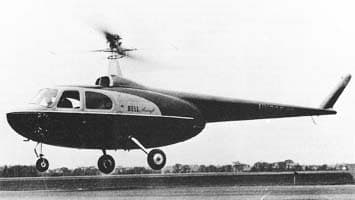
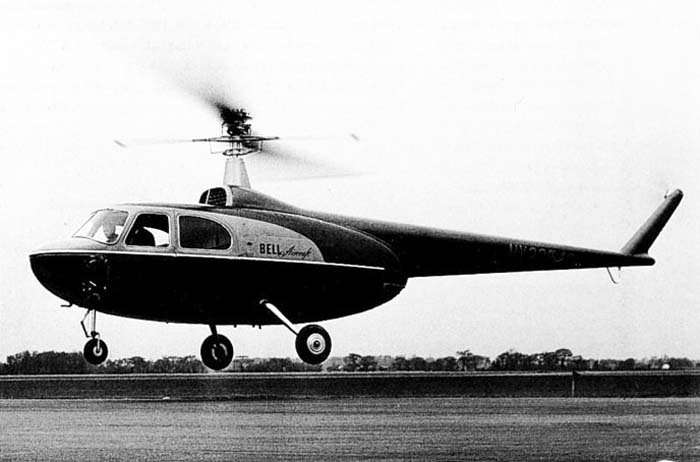
After researching the potential market for civil helicopters larger than the Model 47, Lawrence Bell tasked the “Bell” helicopter design bureau with creating a new machine. The result was the Bell Model 42, a very promising helicopter with an elegant, streamlined shape and high flight performance.
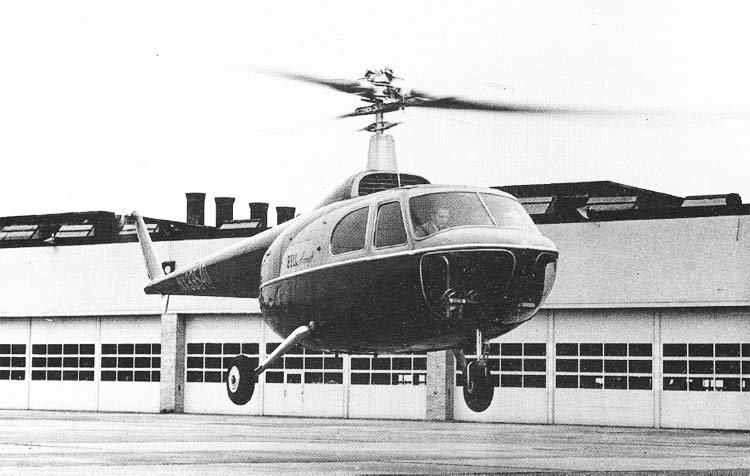
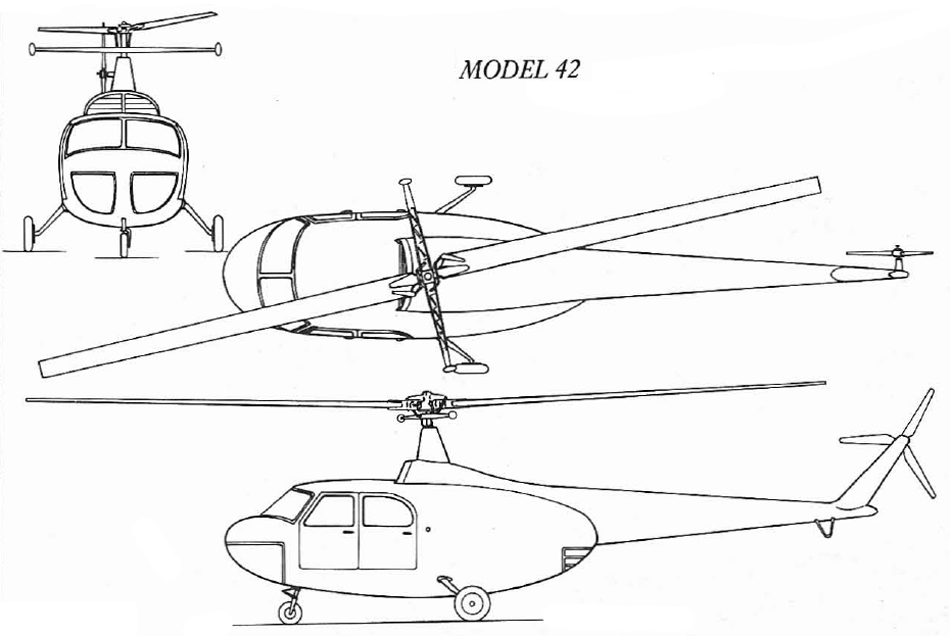
This all-metal helicopter accommodated five people, including two pilots sitting side-by-side, and three passengers seated behind them on a common bench. Entry to the cabin was through a car-type door.
Innovative Design and Powerplant
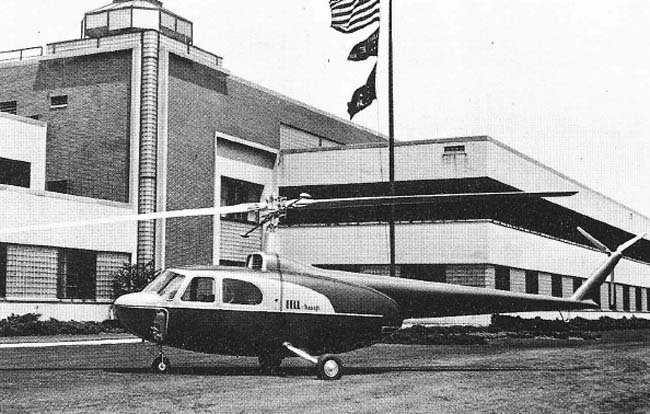
The chosen engine for the helicopter was a Pratt & Whitney R-985 Wasp Junior air-cooled radial engine, installed horizontally in the rear fuselage. The wooden main rotor featured a typical “Bell” design for that period.
A three-bladed, also wooden, tail rotor was located on the right side of the semi-monocoque tail boom.
Challenges and Limited Production
Unfortunately, the Model 42, which first flew in 1946, encountered a number of serious problems. Only three prototypes were built, as the civil rotorcraft market had not yet matured, and no buyers for the helicopter were found.
Technical Specifications
| Modification | Bell 42 |
| Main rotor diameter, m | 14.48 |
| Tail rotor diameter, m | 2.25 |
| Maximum takeoff weight | 2315 |
| Engine type | 1 Piston engine Pratt & Whitney R-985 Wasp Junior |
| Power, kW | 1 x 336 |
| Maximum speed, km/h | 201 |
| Cruising speed, km/h | 161 |
| Practical range, km | 480 |
| Service ceiling, m | 3965 |
| Crew | 2 crew |
| Payload | 3 passengers |
Image and diagram gallery of the Bell Model 42
 Bell 42 |
 Bell 42 |
 Bell 42 |
 Bell 42 |
ArchivoAéreo Editorial Team
A group of aviation researchers and enthusiasts dedicated to documenting and preserving global aeronautical history. All articles are reviewed to ensure historical accuracy.
Sources & Accuracy
The information presented in this technical sheet has been compiled from declassified flight manuals, historical archives, and specialized literature. While we strive for maximum accuracy, some performance data may vary depending on the specific variant or operational conditions.