Bell Model 42
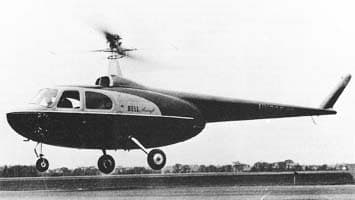
After researching the potential market for civil helicopters larger than the Model 47, Lawrence Bell tasked the “Bell” helicopter design bureau with creating a new machine. The result was the Bell Model 42, a very promising helicopter with an elegant, streamlined shape and high flight performance.
This all-metal helicopter accommodated five people, including two pilots sitting side-by-side, and three passengers seated behind them on a common bench. Entry to the cabin was through a car-type door.
Innovative Design and Powerplant
The chosen engine for the helicopter was a Pratt & Whitney R-985 Wasp Junior air-cooled radial engine, installed horizontally in the rear fuselage. The wooden main rotor featured a typical “Bell” design for that period.
A three-bladed, also wooden, tail rotor was located on the right side of the semi-monocoque tail boom.
Challenges and Limited Production
Unfortunately, the Model 42, which first flew in 1946, encountered a number of serious problems. Only three prototypes were built, as the civil rotorcraft market had not yet matured, and no buyers for the helicopter were found.
Technical Specifications
| Modification | Bell 42 |
| Main rotor diameter, m | 14.48 |
| Tail rotor diameter, m | 2.25 |
| Maximum takeoff weight | 2315 |
| Engine type | 1 Piston engine Pratt & Whitney R-985 Wasp Junior |
| Power, kW | 1 x 336 |
| Maximum speed, km/h | 201 |
| Cruising speed, km/h | 161 |
| Practical range, km | 480 |
| Service ceiling, m | 3965 |
| Crew | 2 crew |
| Payload | 3 passengers |
Image and diagram gallery of the Bell Model 42
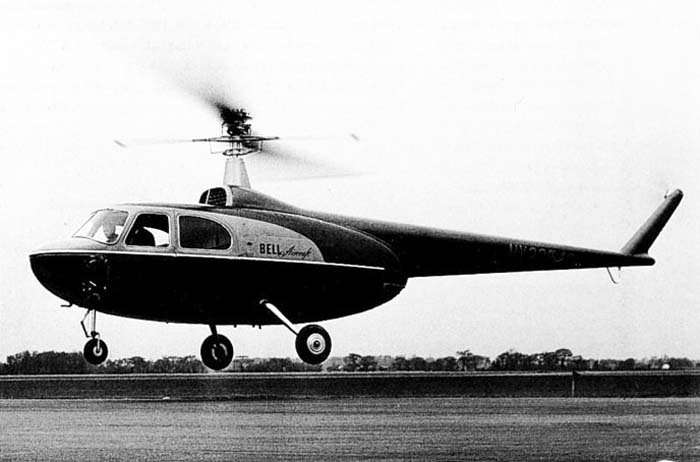 Bell 42 |
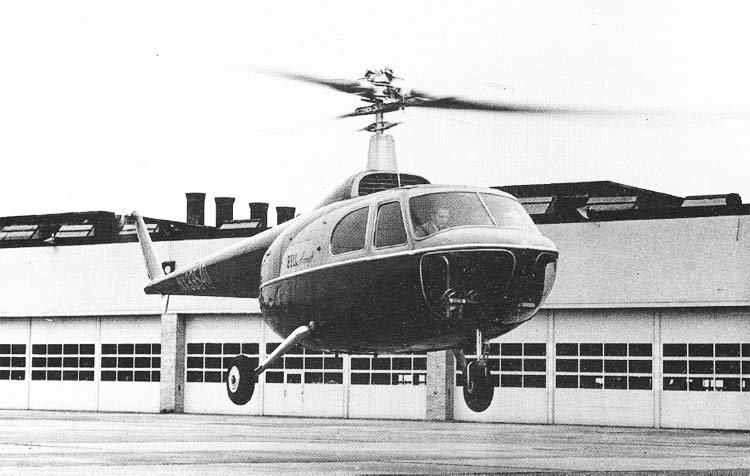 Bell 42 |
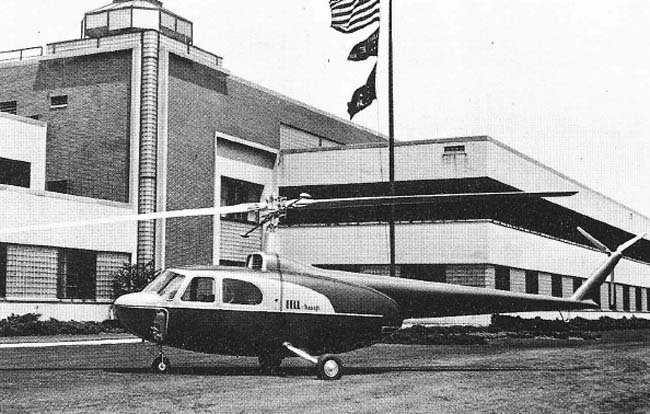 Bell 42 |
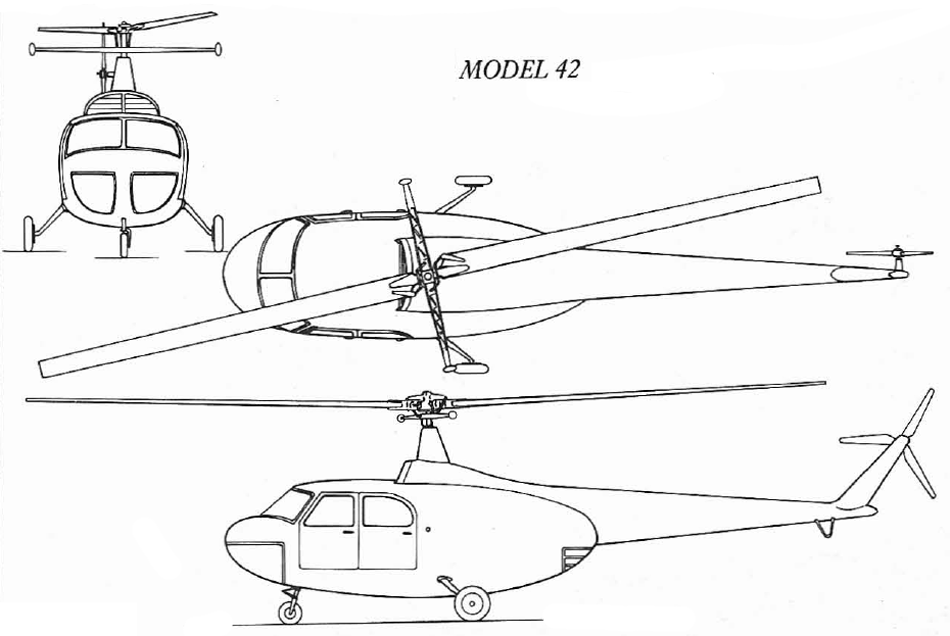 Bell 42 |
Equipo Editorial de ArchivoAéreo
Grupo de investigadores y entusiastas de la aviación dedicados a documentar y preservar la historia aeronáutica mundial. Todos los artículos son revisados para garantizar precisión histórica.
Fuentes y Rigurosidad
La información presentada en esta ficha técnica ha sido compilada a partir de manuales de vuelo desclasificados, archivos históricos y bibliografía especializada. Aunque nos esforzamos por mantener la máxima precisión, algunos datos de rendimiento pueden variar según la variante específica o las condiciones operativas.