Benes-Mraz Be.50 Beta-Minor
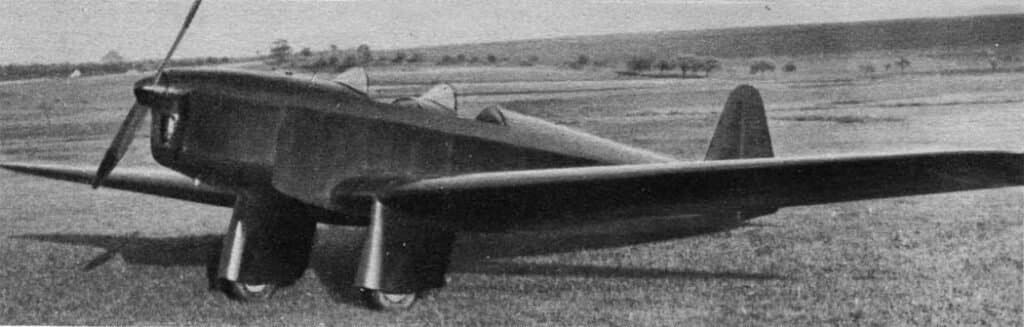
On August 31, 1935, the light sport aircraft Benes-Mraz Be.50 Beta-Minor made its maiden flight. It was designed for sports activities and training purposes.
Design and Construction
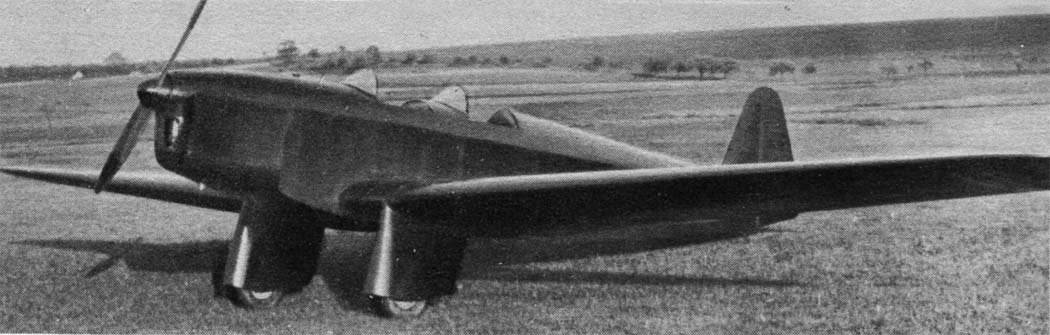
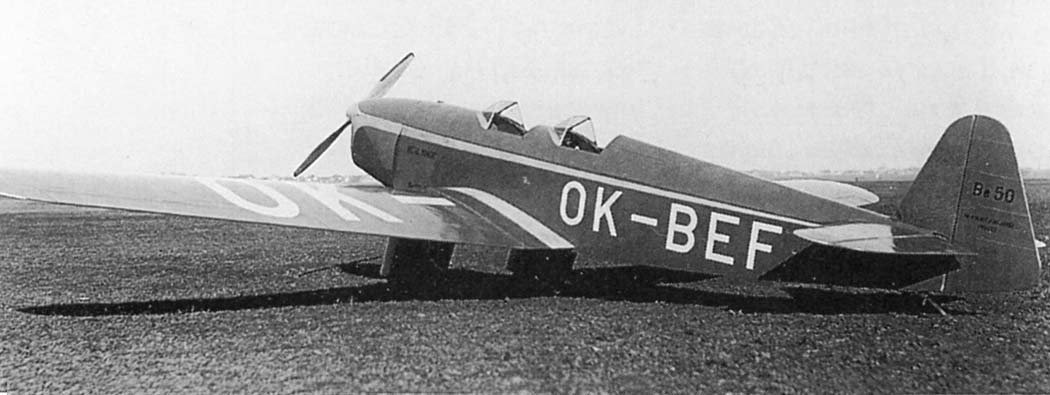
The aircraft was a cantilever low-wing monoplane with a single tail fin. Its two-seat cockpit was fully enclosed by a common canopy with hinged sections. It featured a three-point landing gear, complete with fairings on the main struts and a tail wheel. The primary structure of the aircraft was made of wood.
Development and Success
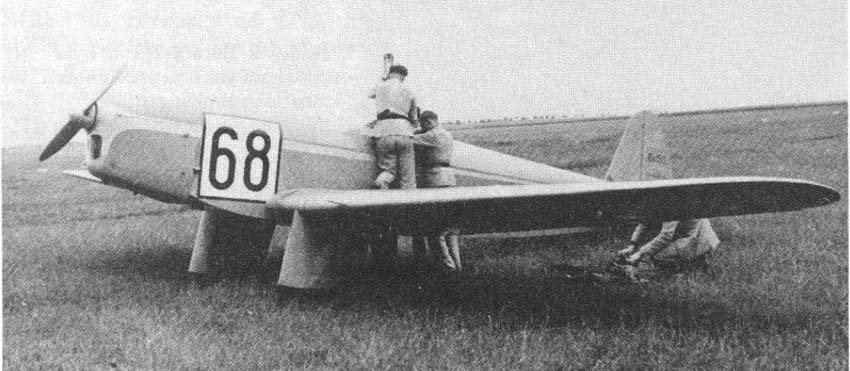
The first prototype, equipped with a 90 hp Walter Minor 4-I engine, successfully passed its tests and received the registration number OK-BEB. Following several successful performances in competitions, the aircraft became popular with customers. A total of 43 Be.50 units were built.
Technical Specifications
| Modification | Be.50 |
| Wingspan, m | 12.16 |
| Length, m | 7.85 |
| Height, m | 1.95 |
| Wing area, m2 | 16.30 |
| Empty weight | 460 |
| Maximum takeoff weight | 730 |
| Engine type | 1 Piston engine Walter Minor 4-I |
| Power, hp | 1 х 90 |
| Maximum speed, km/h | 195 |
| Cruising speed, km/h | 170 |
| Practical range, km | 750 |
| Practical ceiling, m | 5200 |
| Crew, crew members | 2 |
Image and diagram gallery of the Benes-Mraz Be.50 Beta-Minor
 Be.50 Beta-Minor |
 Be.50 Beta-Minor |
 Be.50 Beta-Minor |
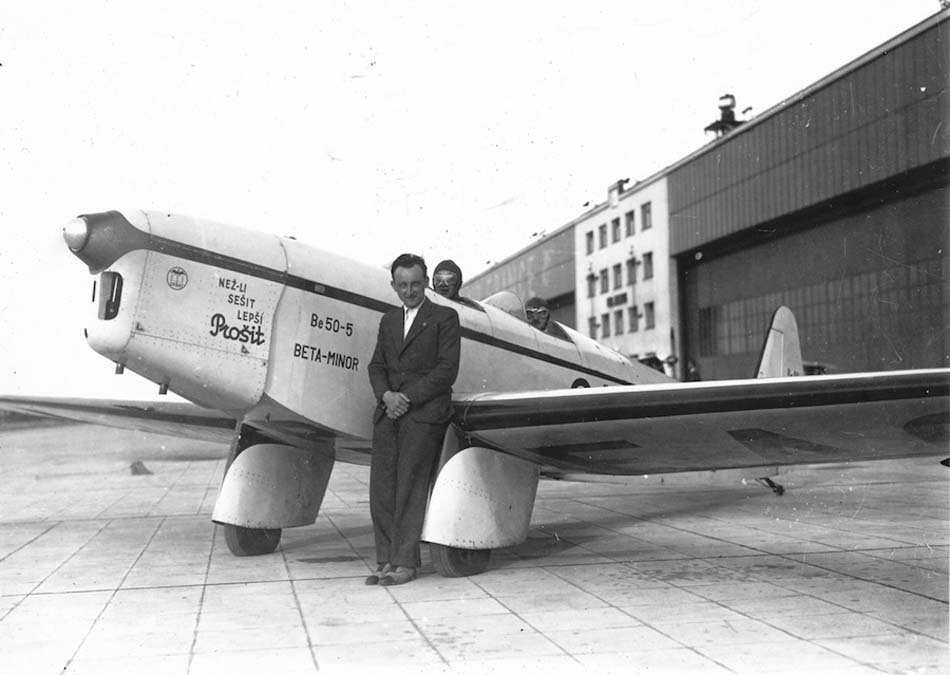 Be.50 Beta-Minor |
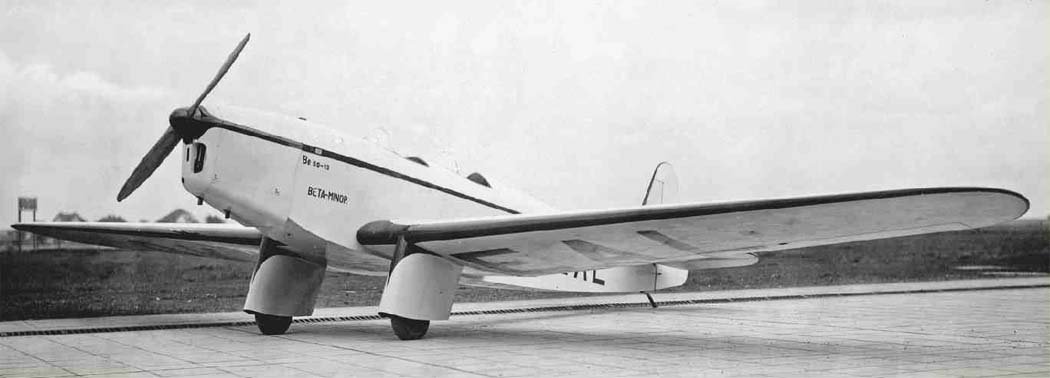 Be.50 Beta-Minor |
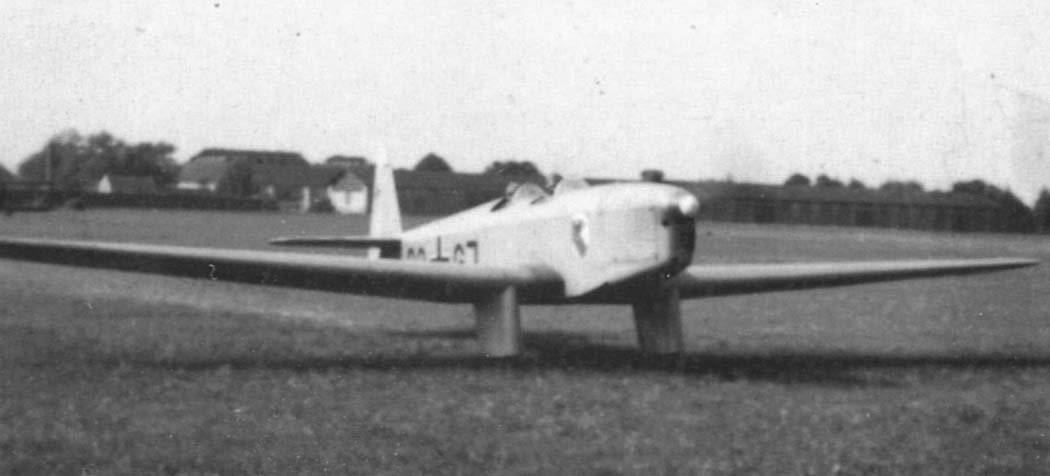 Be.50 Beta-Minor |
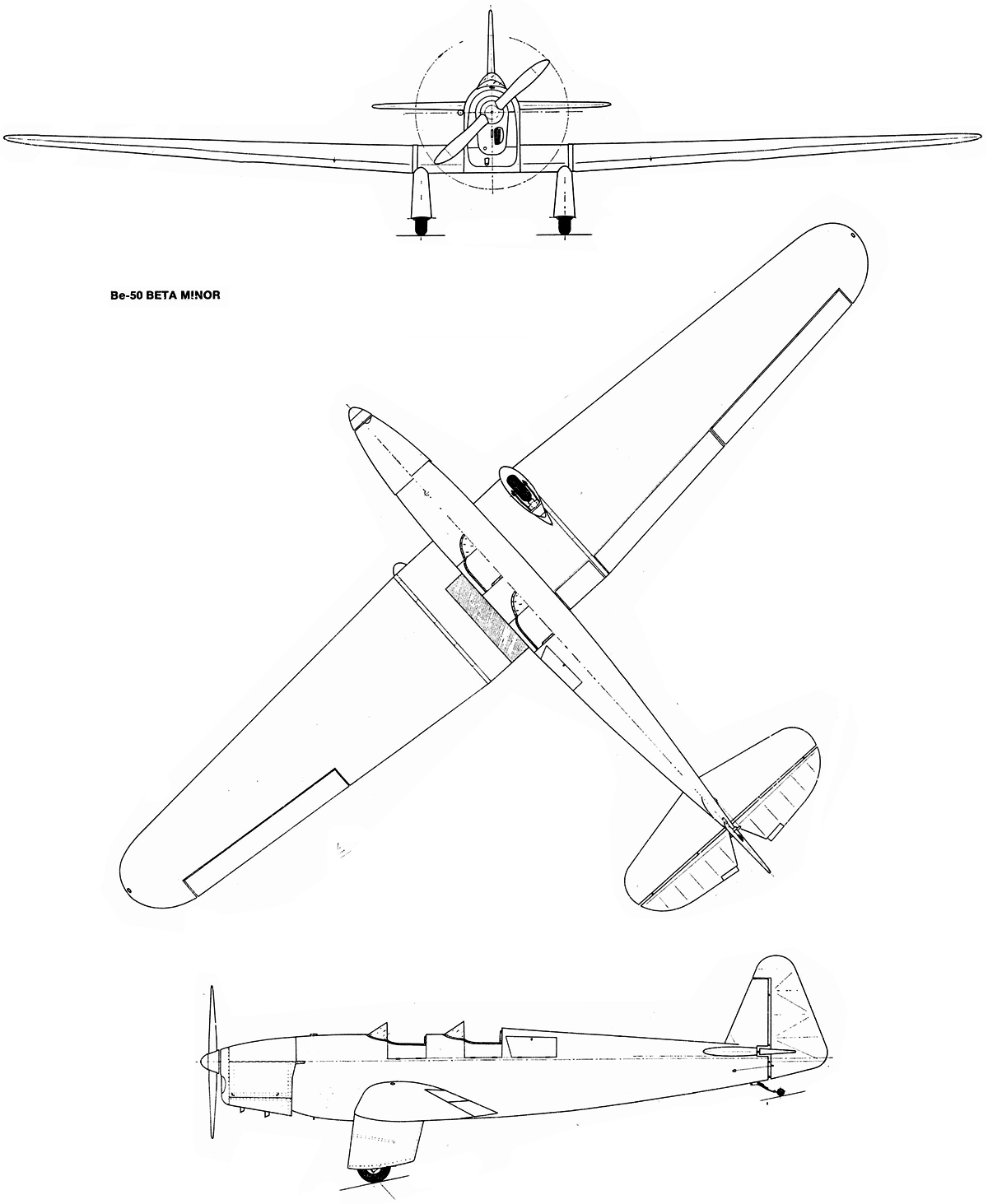 Be.50 Beta-Minor |
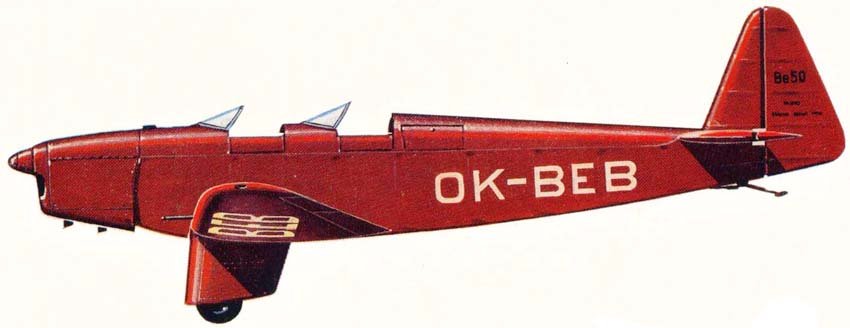 Be.50 Beta-Minor |
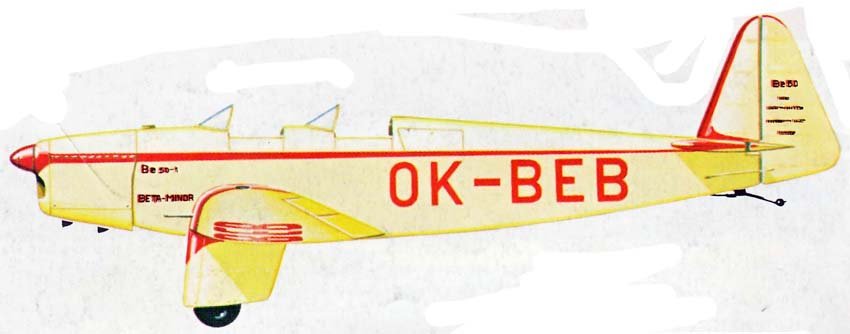 Be.50 Beta-Minor |
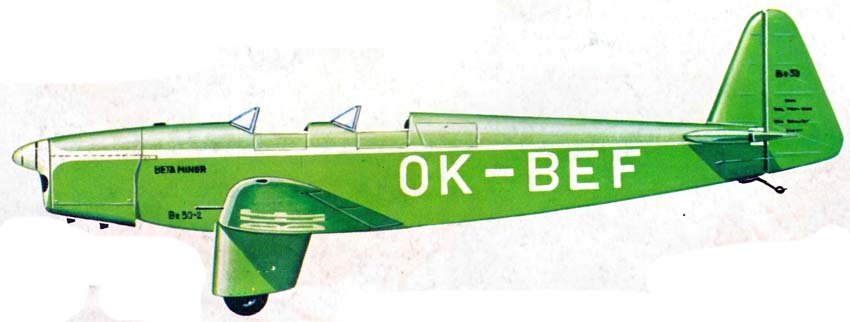 Be.50 Beta-Minor |
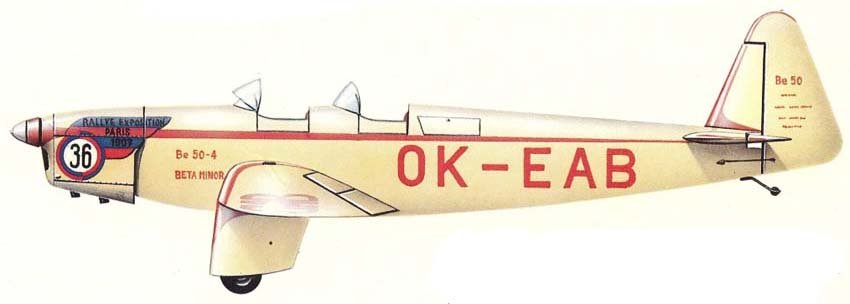 Be.50 Beta-Minor |
ArchivoAéreo Editorial Team
A group of aviation researchers and enthusiasts dedicated to documenting and preserving global aeronautical history. All articles are reviewed to ensure historical accuracy.
Sources & Accuracy
The information presented in this technical sheet has been compiled from declassified flight manuals, historical archives, and specialized literature. While we strive for maximum accuracy, some performance data may vary depending on the specific variant or operational conditions.