Benes-Mraz Be.50 Beta-Minor
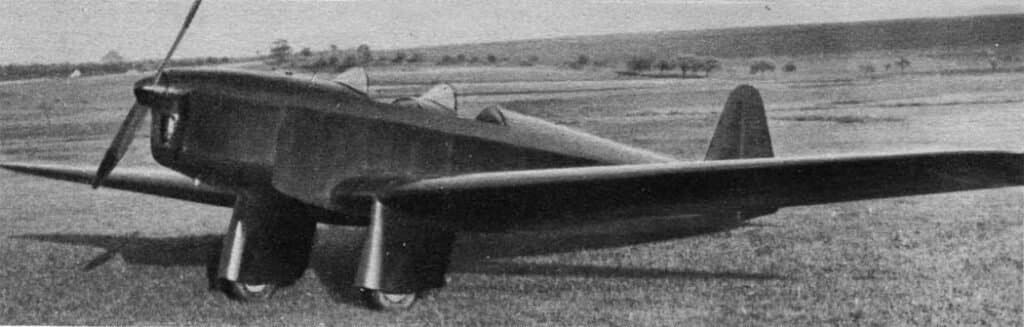
On August 31, 1935, the light sport aircraft Benes-Mraz Be.50 Beta-Minor made its maiden flight. It was designed for sports activities and training purposes.
Design and Construction
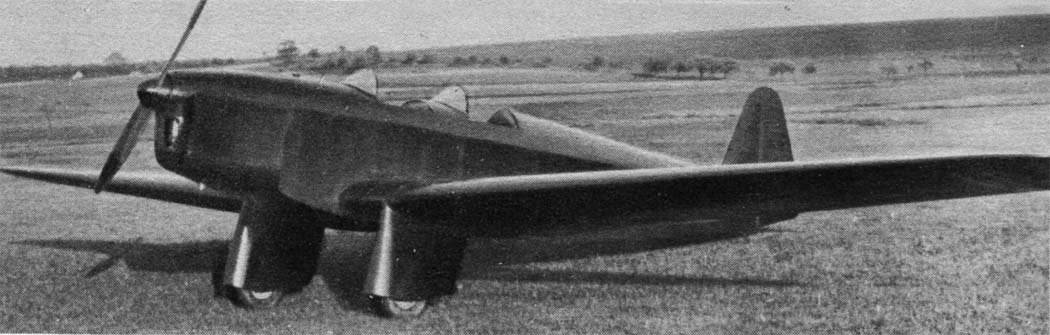
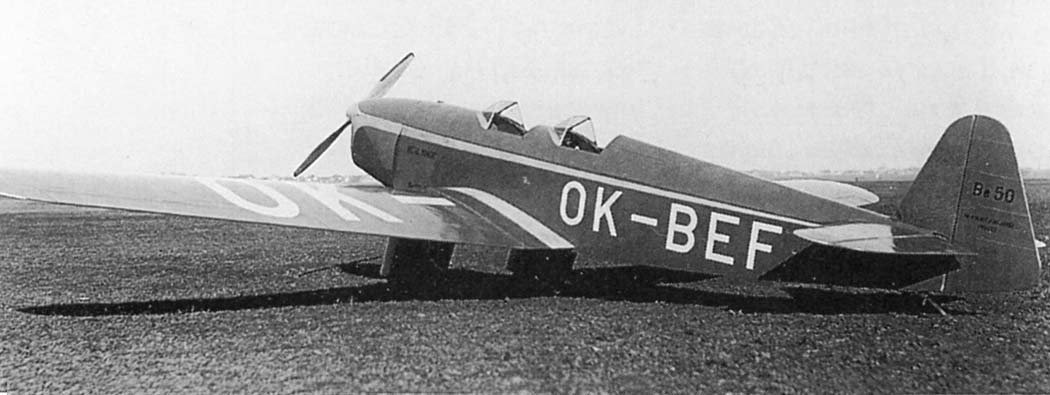
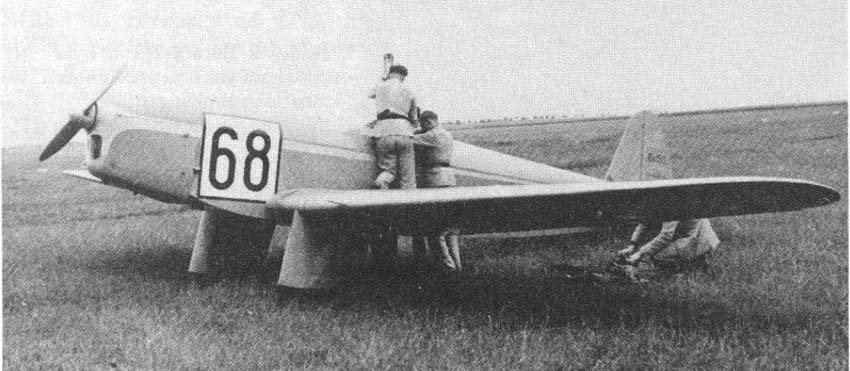
The aircraft was a cantilever low-wing monoplane with a single tail fin. Its two-seat cockpit was fully enclosed by a common canopy with hinged sections. It featured a three-point landing gear, complete with fairings on the main struts and a tail wheel. The primary structure of the aircraft was made of wood.
Development and Success
The first prototype, equipped with a 90 hp Walter Minor 4-I engine, successfully passed its tests and received the registration number OK-BEB. Following several successful performances in competitions, the aircraft became popular with customers. A total of 43 Be.50 units were built.
Technical Specifications
| Modification | Be.50 |
| Wingspan, m | 12.16 |
| Length, m | 7.85 |
| Height, m | 1.95 |
| Wing area, m2 | 16.30 |
| Empty weight | 460 |
| Maximum takeoff weight | 730 |
| Engine type | 1 Piston engine Walter Minor 4-I |
| Power, hp | 1 х 90 |
| Maximum speed, km/h | 195 |
| Cruising speed, km/h | 170 |
| Practical range, km | 750 |
| Practical ceiling, m | 5200 |
| Crew, crew members | 2 |
Image and diagram gallery of the Benes-Mraz Be.50 Beta-Minor
 Be.50 Beta-Minor |
 Be.50 Beta-Minor |
 Be.50 Beta-Minor |
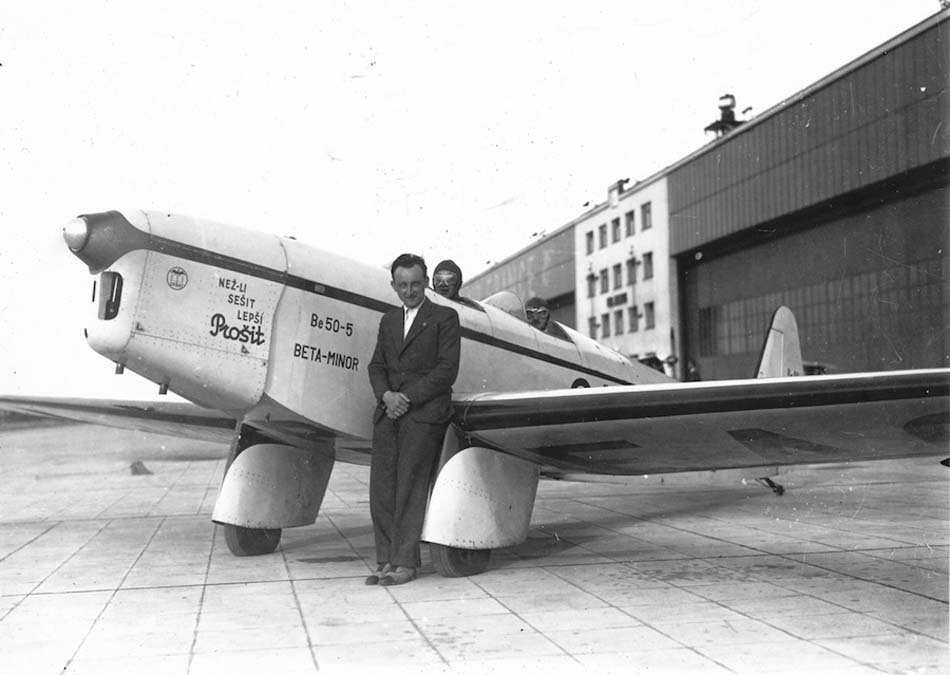 Be.50 Beta-Minor |
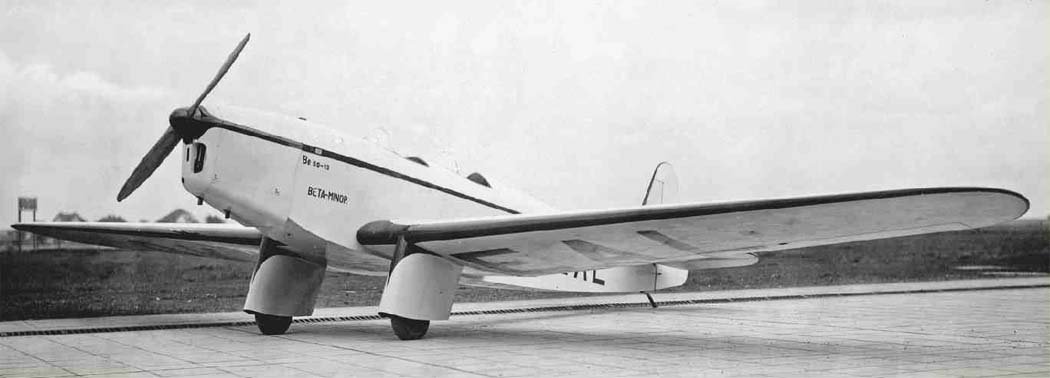 Be.50 Beta-Minor |
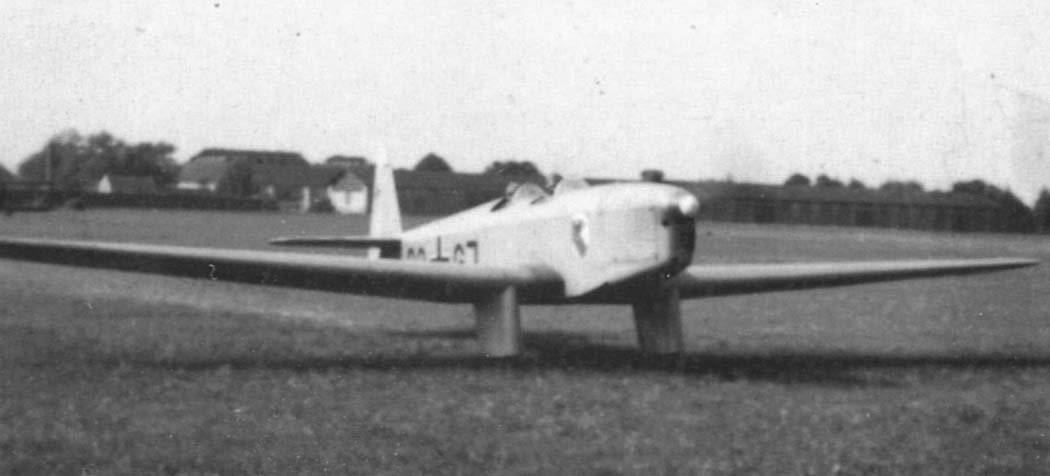 Be.50 Beta-Minor |
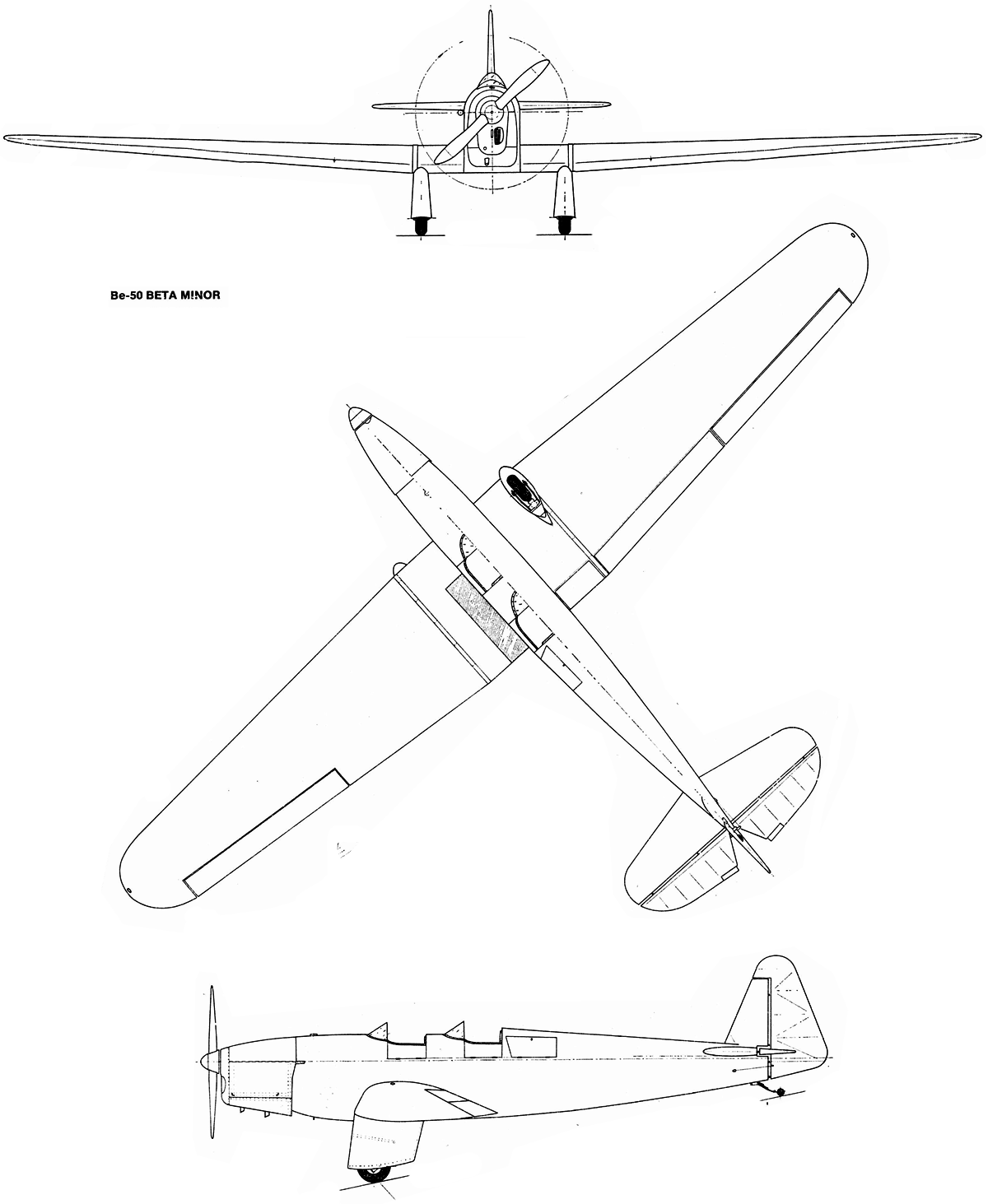 Be.50 Beta-Minor |
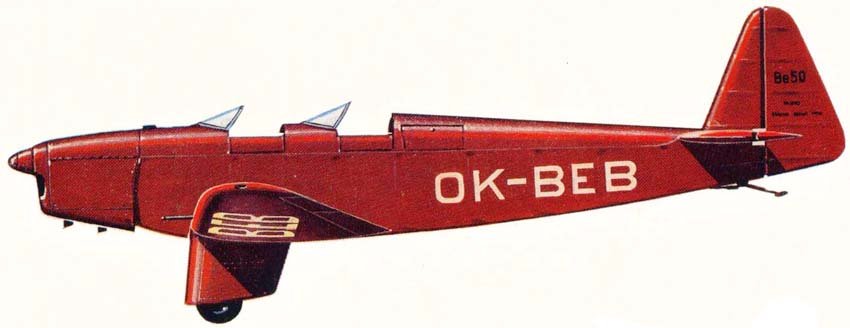 Be.50 Beta-Minor |
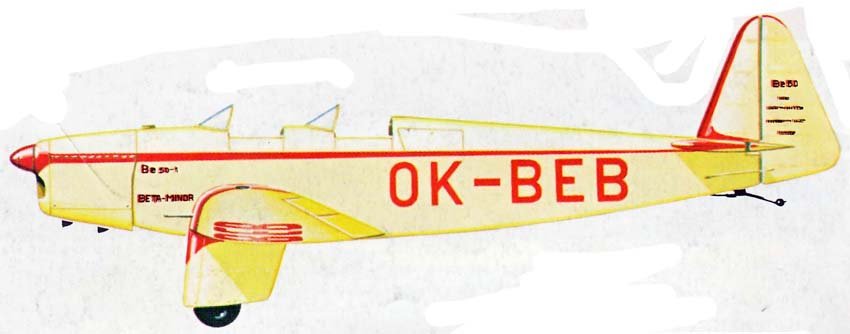 Be.50 Beta-Minor |
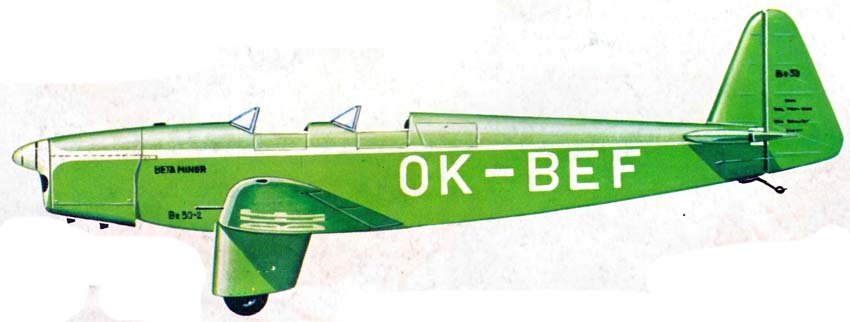 Be.50 Beta-Minor |
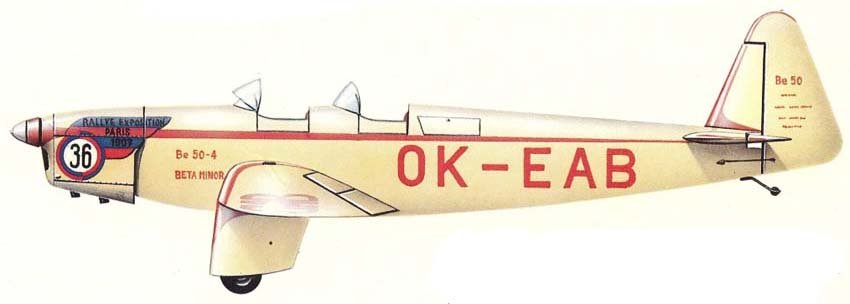 Be.50 Beta-Minor |
Equipo Editorial de ArchivoAéreo
Grupo de investigadores y entusiastas de la aviación dedicados a documentar y preservar la historia aeronáutica mundial. Todos los artículos son revisados para garantizar precisión histórica.
Fuentes y Rigurosidad
La información presentada en esta ficha técnica ha sido compilada a partir de manuales de vuelo desclasificados, archivos históricos y bibliografía especializada. Aunque nos esforzamos por mantener la máxima precisión, algunos datos de rendimiento pueden variar según la variante específica o las condiciones operativas.