Bertrand U1
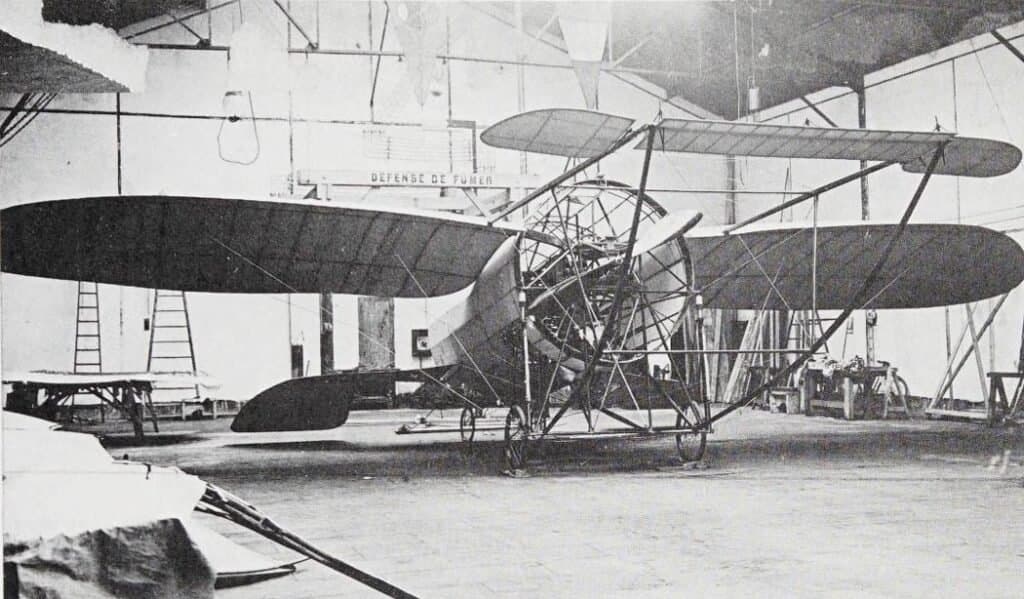
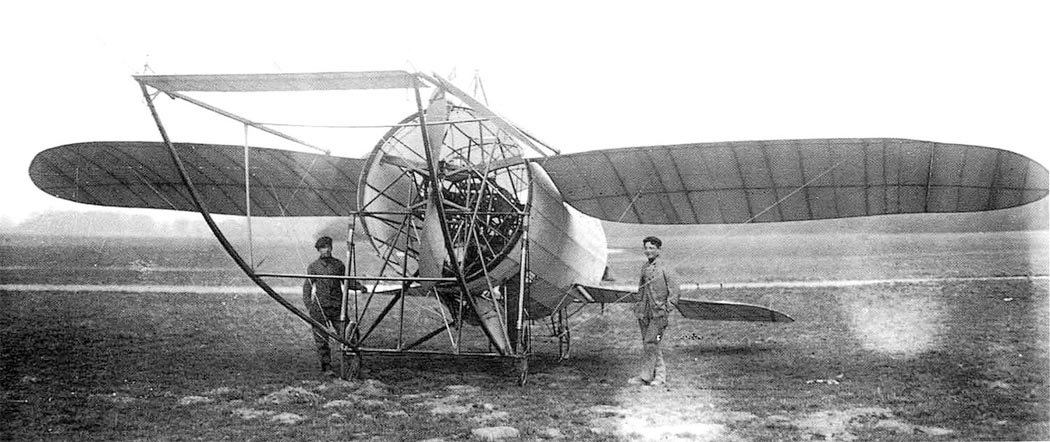
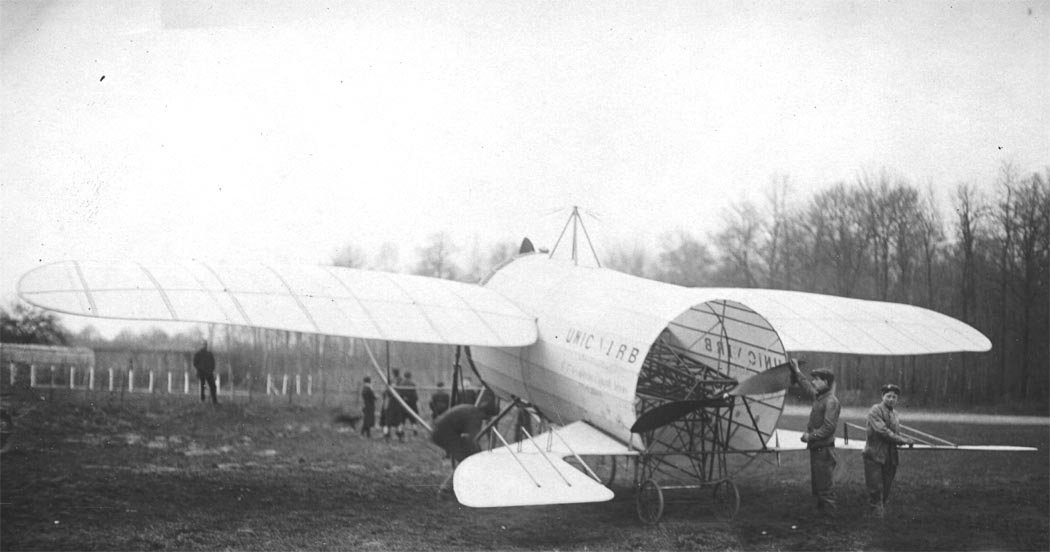
For many years, aviation engineers have known that propeller efficiency can be increased by placing it within an annular duct. However, the additional mass and aerodynamic drag of the duct often negate the efficiency gains of the propulsion system. Some designers sought to resolve this problem by turning part of the fuselage into an annular duct.
Early Aviation Innovations
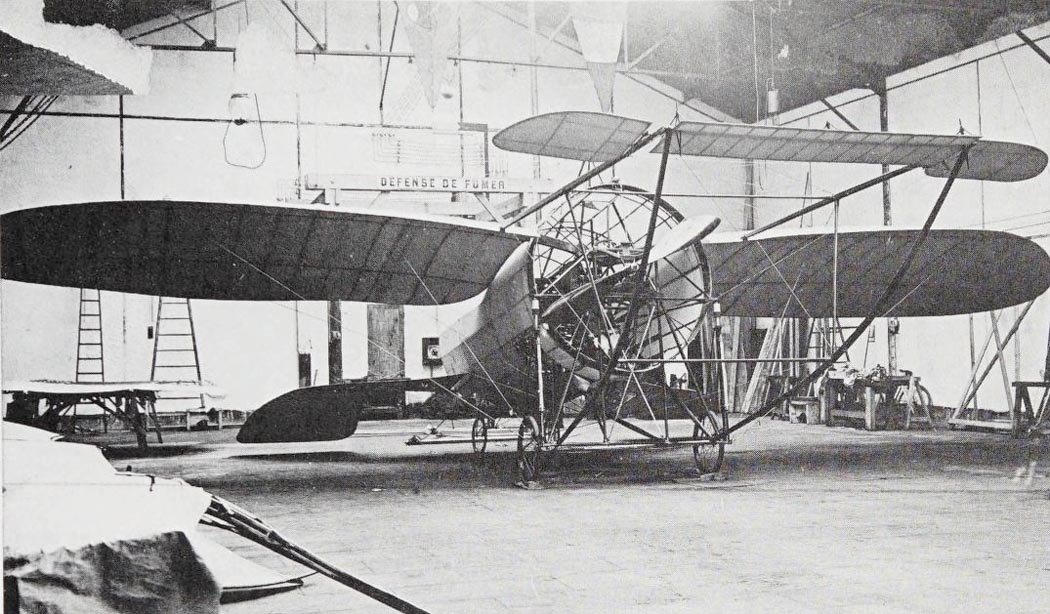
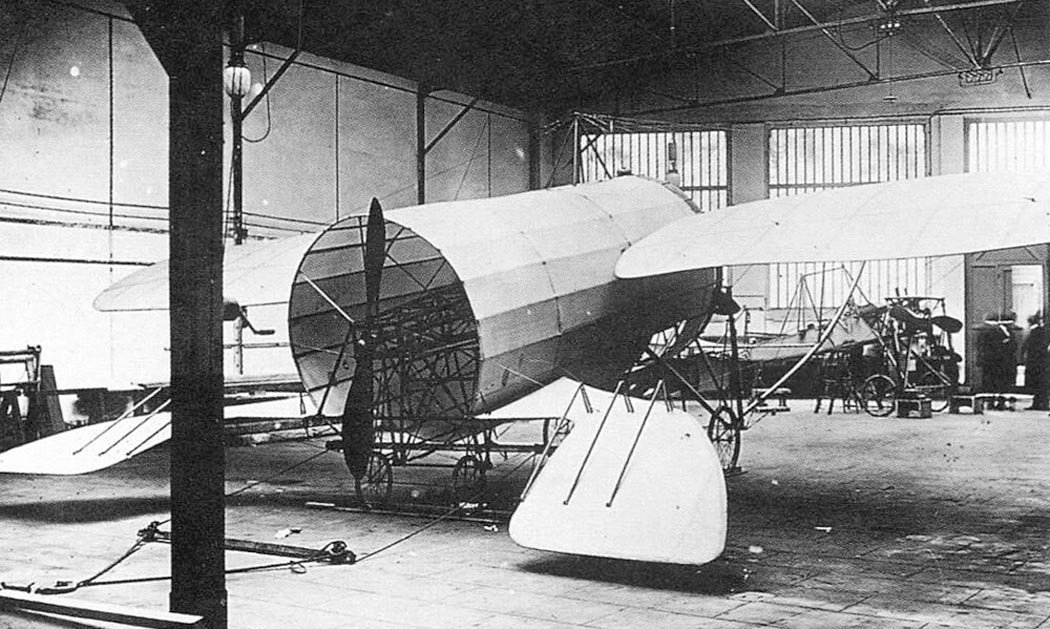
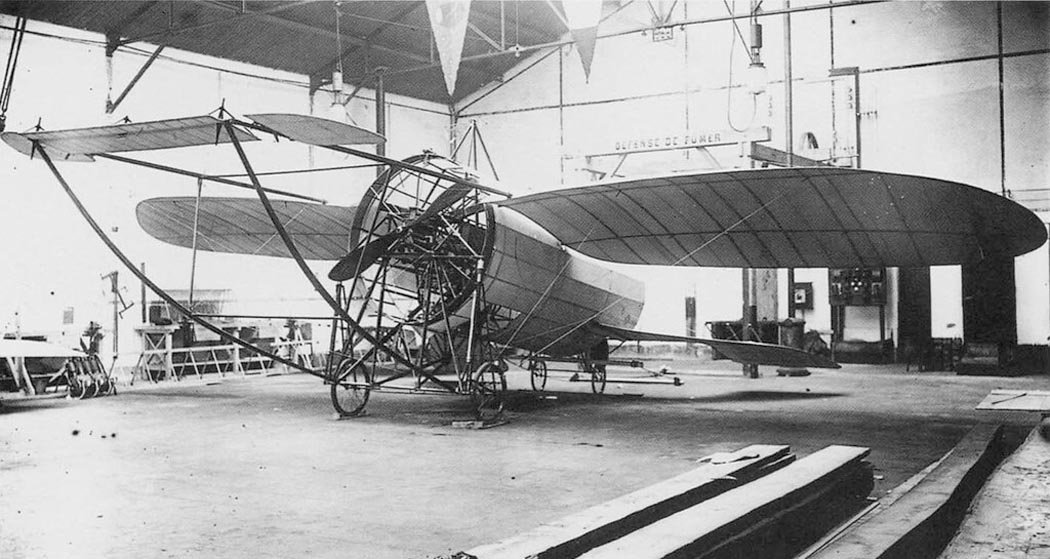
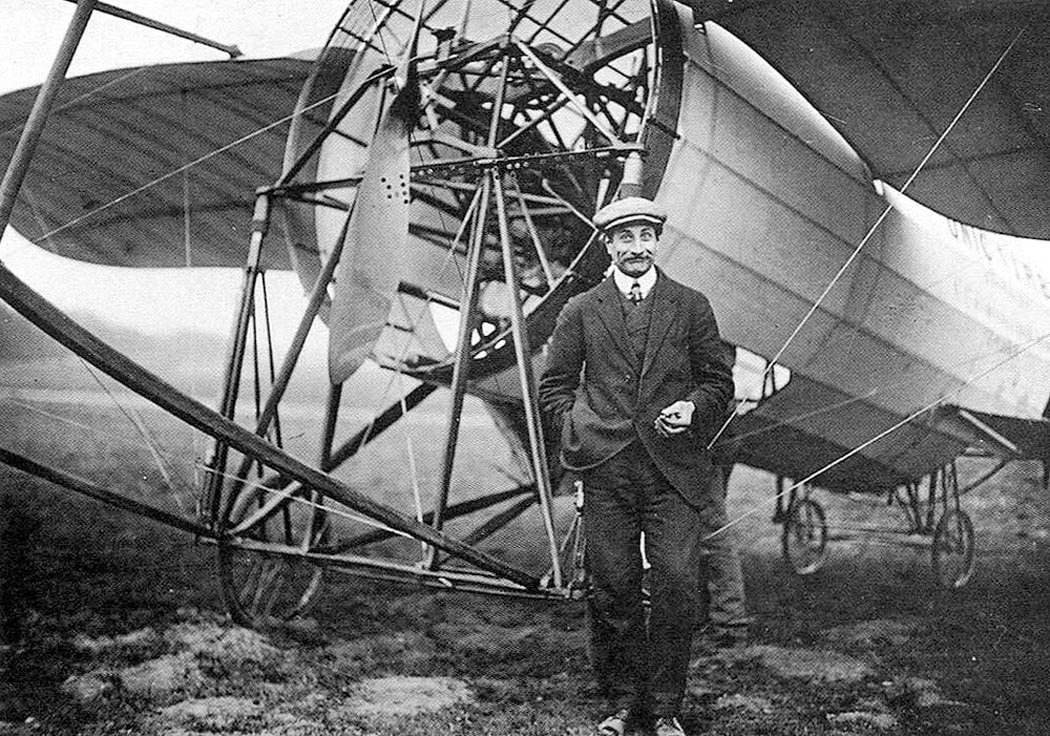
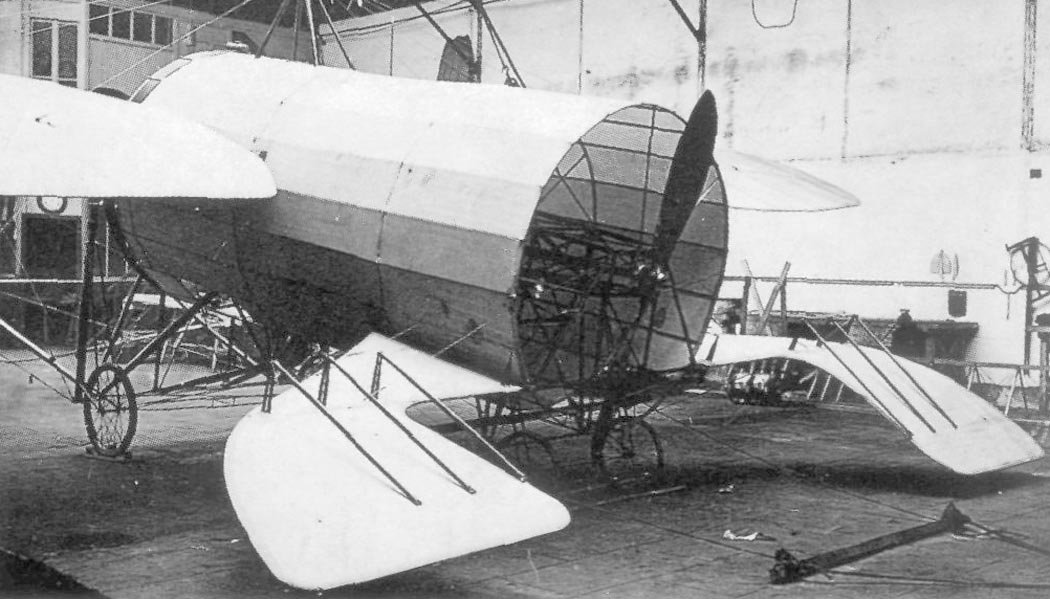
One such aircraft was the Bertrand U1 (Bertrand Unic 1) monoplane. Built in 1909, this French ‘tunnel’ aircraft had several unique features. A single 30 hp (22 kW) Unic engine drove two propellers, each installed at opposite ends of the 2-meter diameter tunnel.
The Unique Bertrand U1 Design
Aerodynamically, the aircraft featured a ‘canard’ configuration, equipped with an additional tail assembly. The ailerons were not installed on the wing (with a wingspan of 13.40 m), but rather on the tips of the forward control surface (PGO).
Technical Specifications
| Modification | Bertrand U1 |
| Wingspan, m | 13.40 |
| Wing area, m2 | 40.00 |
| Normal takeoff weight | 461 |
| Engine type | 1 Piston engine Unic |
| Power, hp | 1 x 30 |
| Crew, crew members | 1 |
Image and diagram gallery of the Bertrand U1
 Bertrand U1 |
 Bertrand U1 |
 Bertrand U1 |
 Bertrand U1 |
 Bertrand U1 |
 Bertrand U1 |
 Bertrand U1 |
ArchivoAéreo Editorial Team
A group of aviation researchers and enthusiasts dedicated to documenting and preserving global aeronautical history. All articles are reviewed to ensure historical accuracy.
Sources & Accuracy
The information presented in this technical sheet has been compiled from declassified flight manuals, historical archives, and specialized literature. While we strive for maximum accuracy, some performance data may vary depending on the specific variant or operational conditions.