Bertrand U1
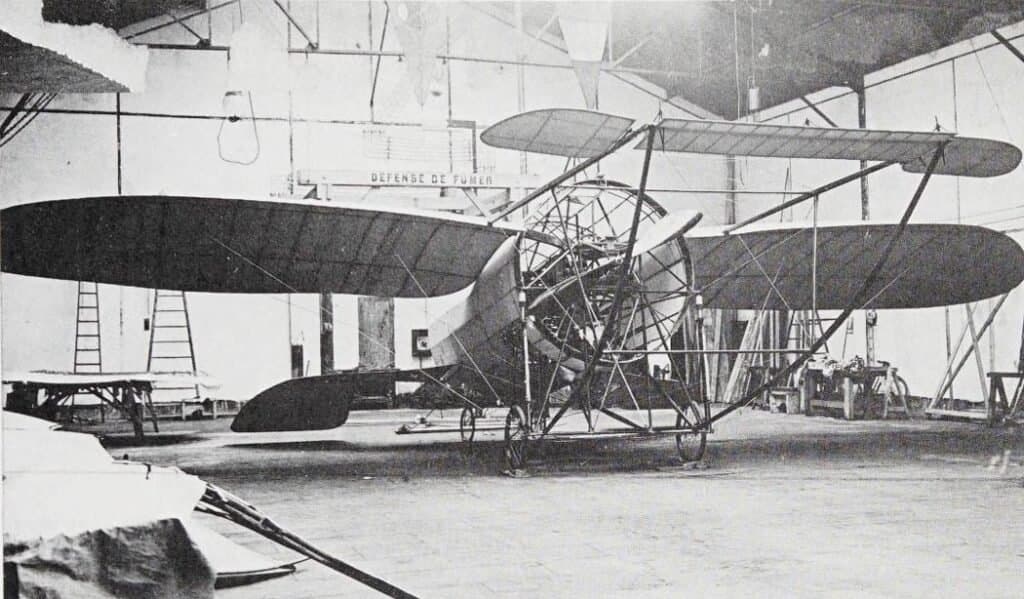
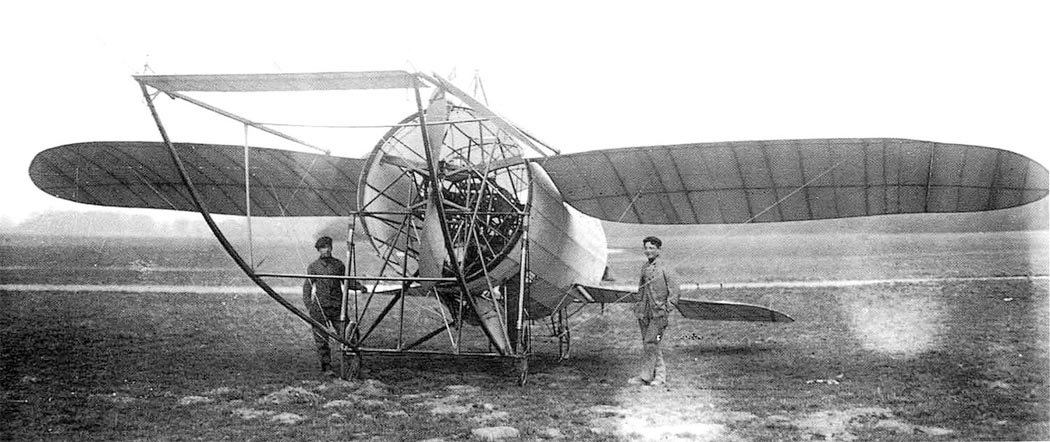
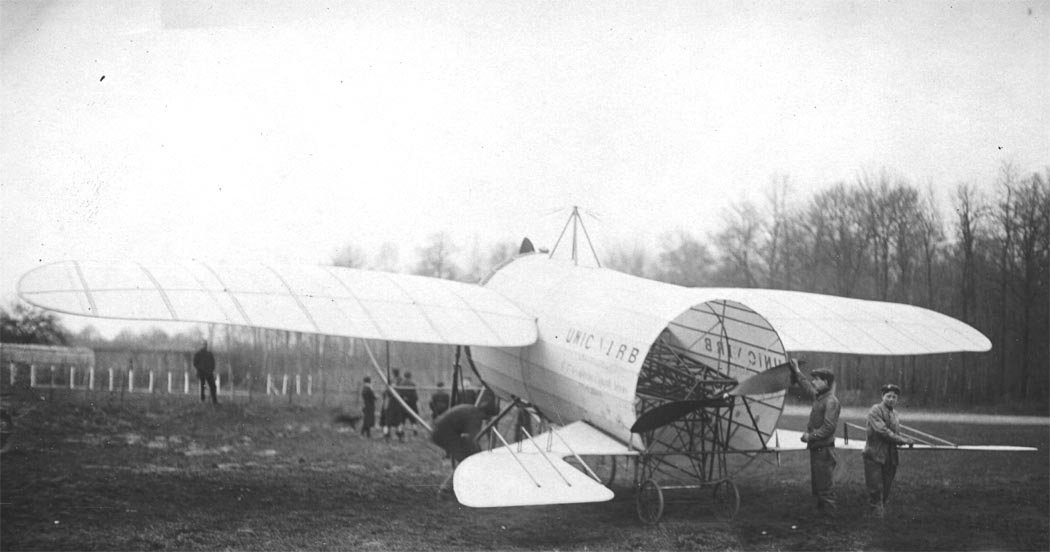
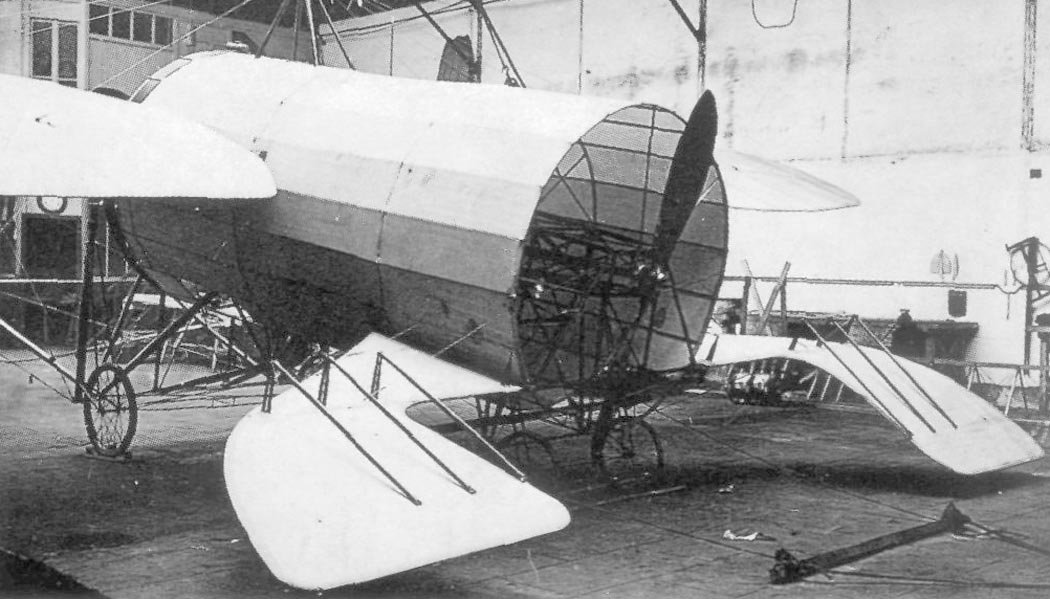
For many years, aviation engineers have known that propeller efficiency can be increased by placing it within an annular duct. However, the additional mass and aerodynamic drag of the duct often negate the efficiency gains of the propulsion system. Some designers sought to resolve this problem by turning part of the fuselage into an annular duct.
Early Aviation Innovations
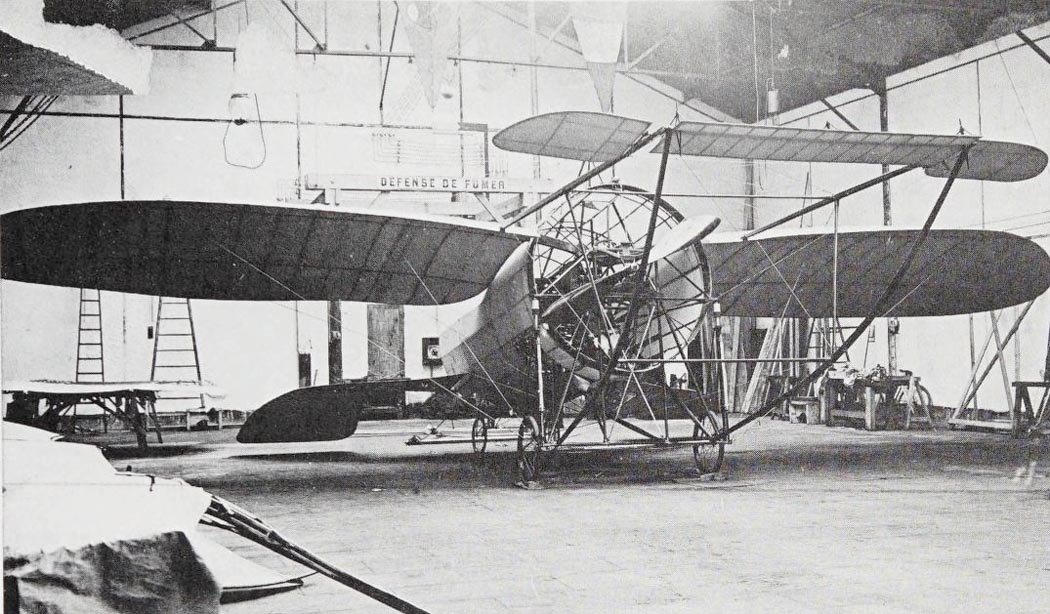
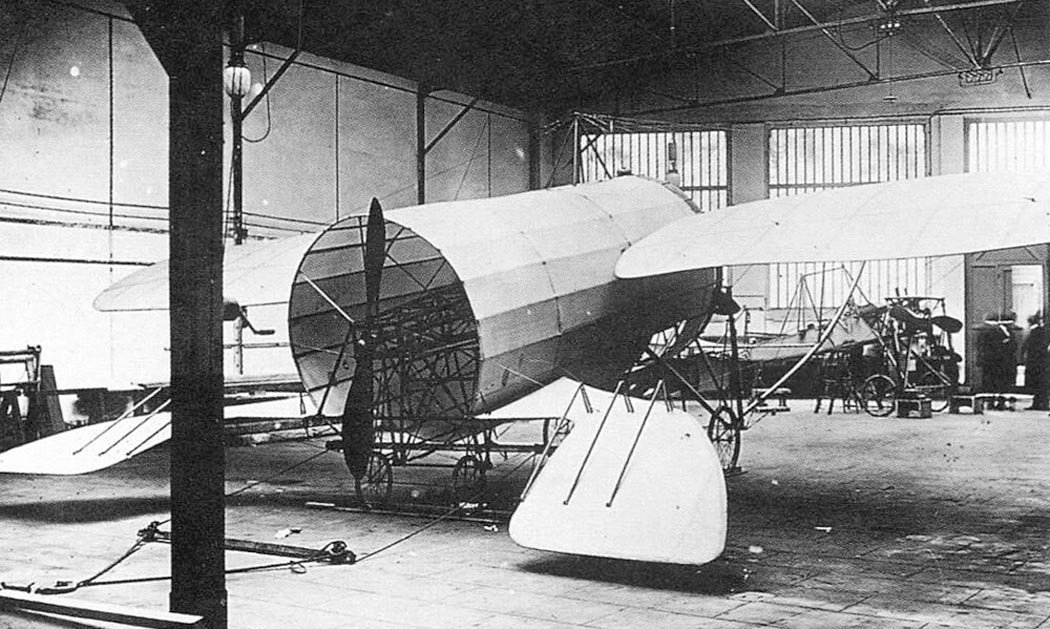
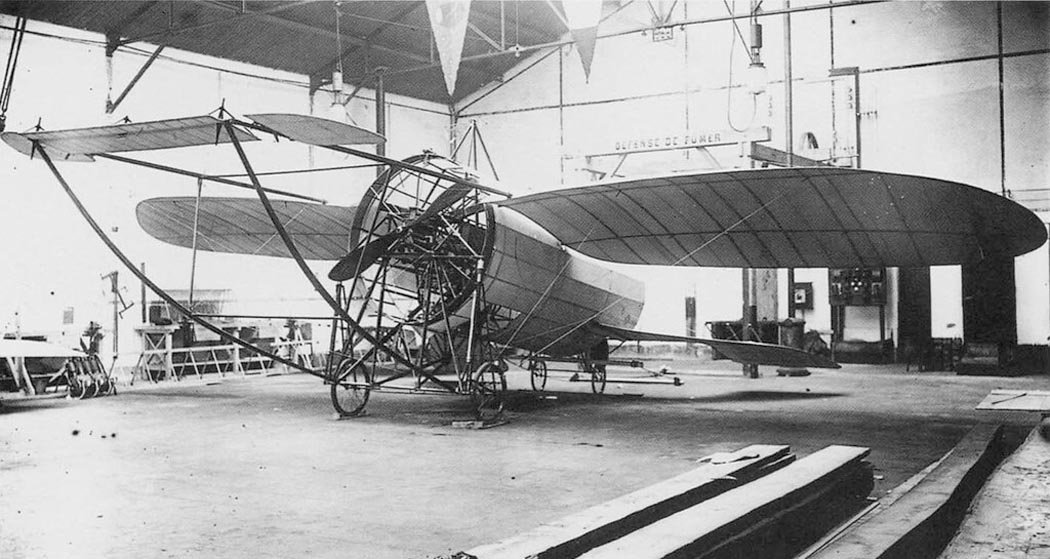
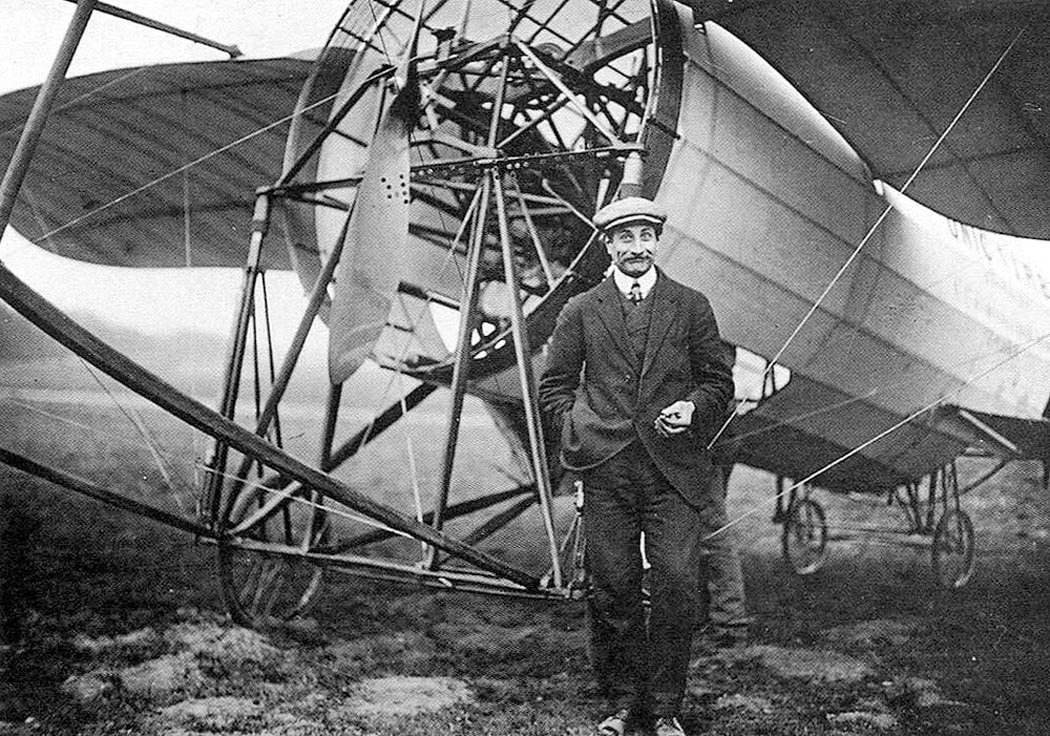
One such aircraft was the Bertrand U1 (Bertrand Unic 1) monoplane. Built in 1909, this French ‘tunnel’ aircraft had several unique features. A single 30 hp (22 kW) Unic engine drove two propellers, each installed at opposite ends of the 2-meter diameter tunnel.
The Unique Bertrand U1 Design
Aerodynamically, the aircraft featured a ‘canard’ configuration, equipped with an additional tail assembly. The ailerons were not installed on the wing (with a wingspan of 13.40 m), but rather on the tips of the forward control surface (PGO).
Technical Specifications
| Modification | Bertrand U1 |
| Wingspan, m | 13.40 |
| Wing area, m2 | 40.00 |
| Normal takeoff weight | 461 |
| Engine type | 1 Piston engine Unic |
| Power, hp | 1 x 30 |
| Crew, crew members | 1 |
Image and diagram gallery of the Bertrand U1
 Bertrand U1 |
 Bertrand U1 |
 Bertrand U1 |
 Bertrand U1 |
 Bertrand U1 |
 Bertrand U1 |
 Bertrand U1 |
Equipo Editorial de ArchivoAéreo
Grupo de investigadores y entusiastas de la aviación dedicados a documentar y preservar la historia aeronáutica mundial. Todos los artículos son revisados para garantizar precisión histórica.
Fuentes y Rigurosidad
La información presentada en esta ficha técnica ha sido compilada a partir de manuales de vuelo desclasificados, archivos históricos y bibliografía especializada. Aunque nos esforzamos por mantener la máxima precisión, algunos datos de rendimiento pueden variar según la variante específica o las condiciones operativas.