Besson H-3
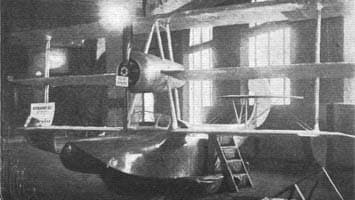
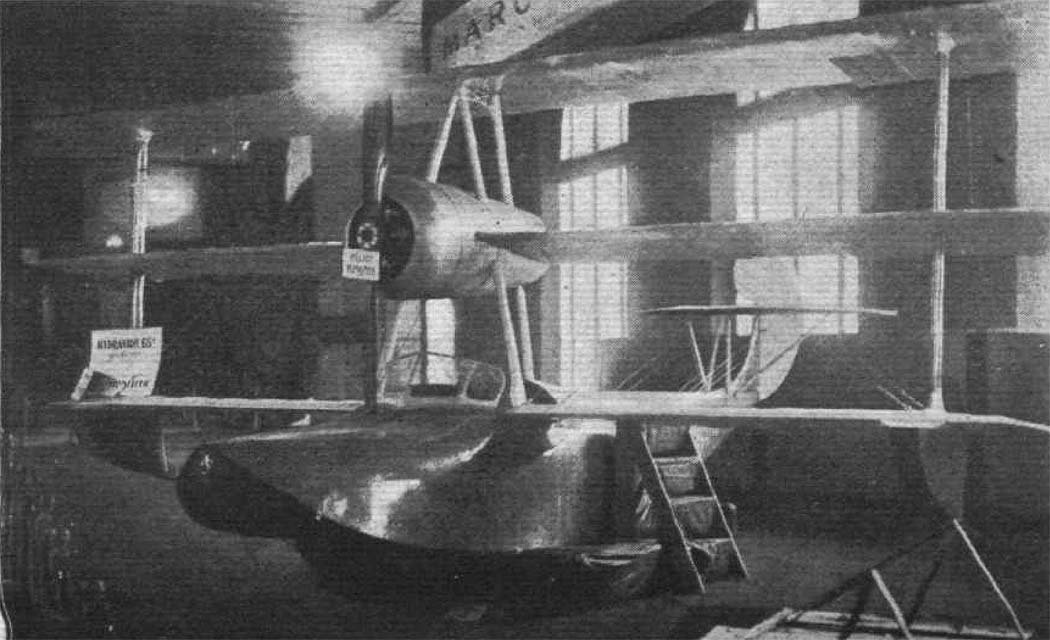
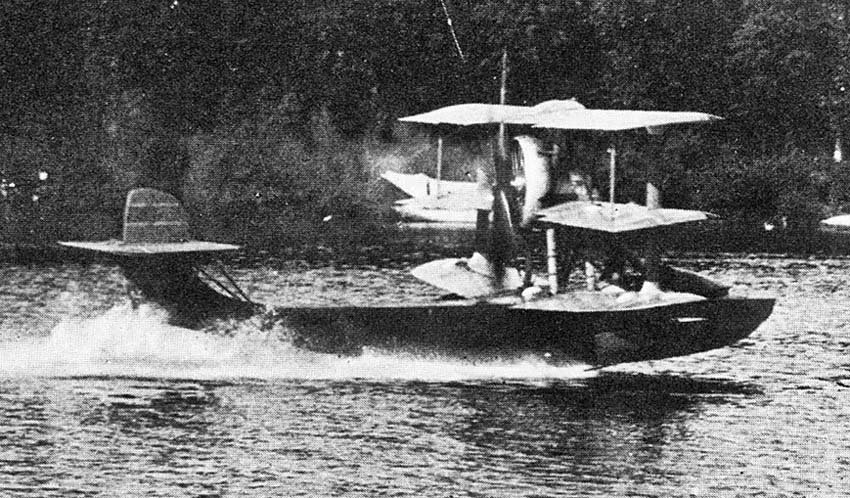
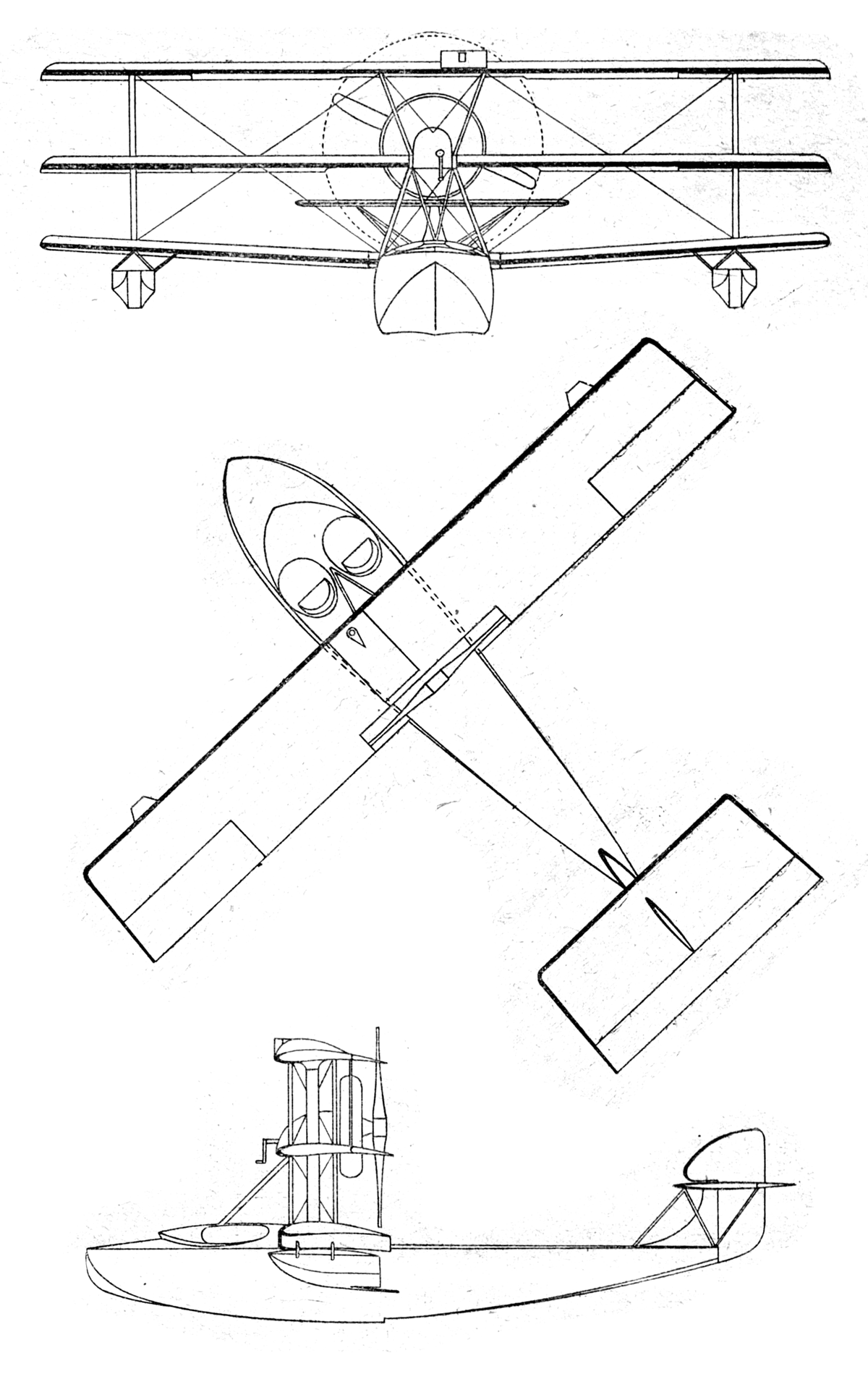
In 1919, designer Marcel Besson began the development of a light multi-purpose flying boat, designated Besson H-3. It was a two-seater wooden single-strut triplane, equipped with a 60 hp (45 kW) Rhône 9Z engine.
Early Development and Design
That same summer, the H-3 was demonstrated to the public at the Paris Air Show. During further tests, it became clear that the engine’s power was insufficient, and it was decided to replace it with a 130 hp (97 kW) Clerget 9B rotary engine.
Challenges and Engine Upgrade
The re-engining significantly improved the boat’s flight characteristics, but no buyers for the H-3 could be found. In 1922, it underwent a small modernization, receiving new wings with an increased area (32.20 m²), after which its designation was changed to MB-12.
Technical Specifications
| Modification | H- 3 |
| Wingspan, m | 8.25 |
| Length, m | 9. 00 |
| Height, m | 3.10 |
| Wing area, m2 | 30.99 |
| Empty weight | 5 90 |
| Maximum takeoff weight | 875 |
| Engine type | 1 Piston engine Clerget 9B |
| Power, hp | 1 x 130 |
| Maximum speed, km/h | 1 55 |
| Cruising speed, km/h | 12 5 |
| Practical range, km | 450 |
| Service ceiling, m | 3200 |
| Crew | 2 |
Image and diagram gallery of the Besson H-3
 H-3 |
 H-3 |
 H-3 |
ArchivoAéreo Editorial Team
A group of aviation researchers and enthusiasts dedicated to documenting and preserving global aeronautical history. All articles are reviewed to ensure historical accuracy.
Sources & Accuracy
The information presented in this technical sheet has been compiled from declassified flight manuals, historical archives, and specialized literature. While we strive for maximum accuracy, some performance data may vary depending on the specific variant or operational conditions.