Besson H-3
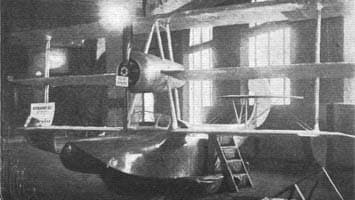
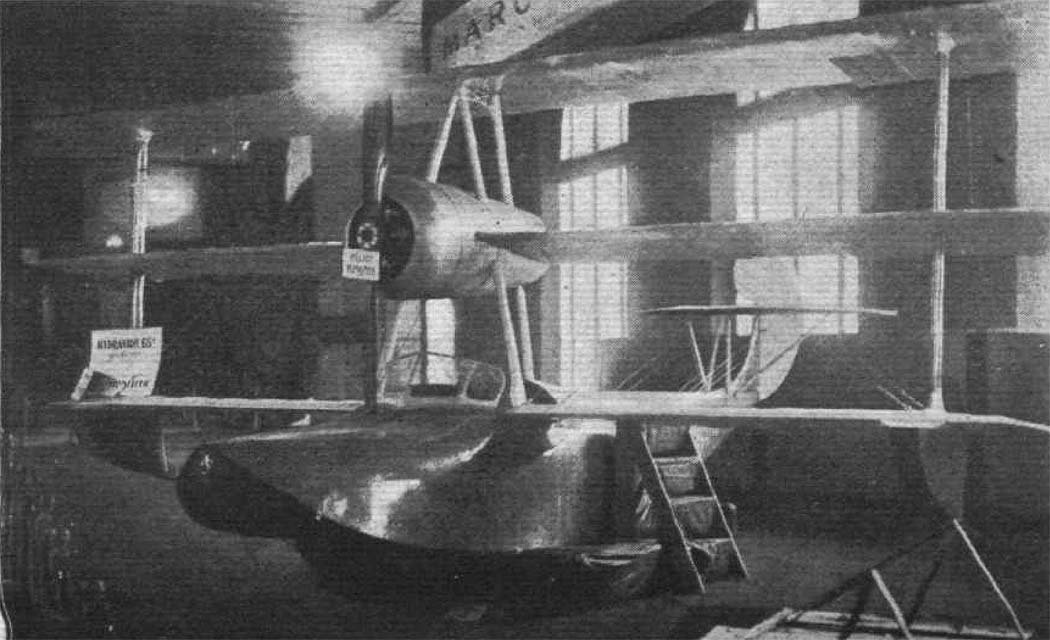
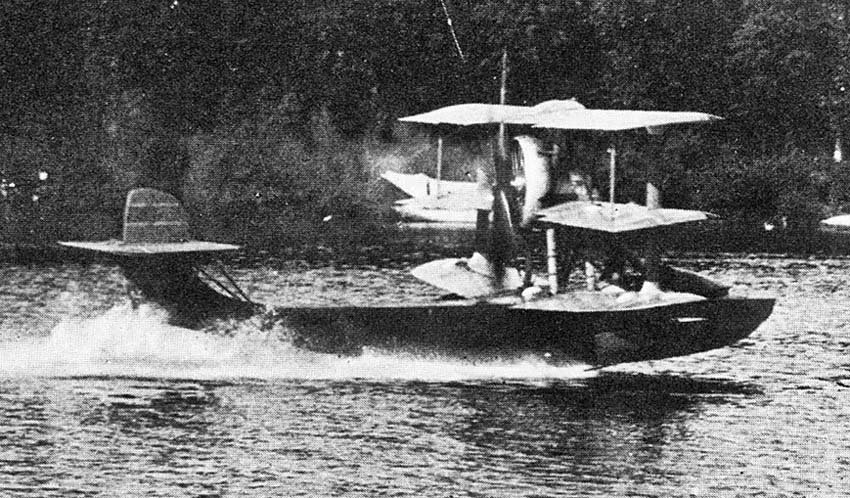
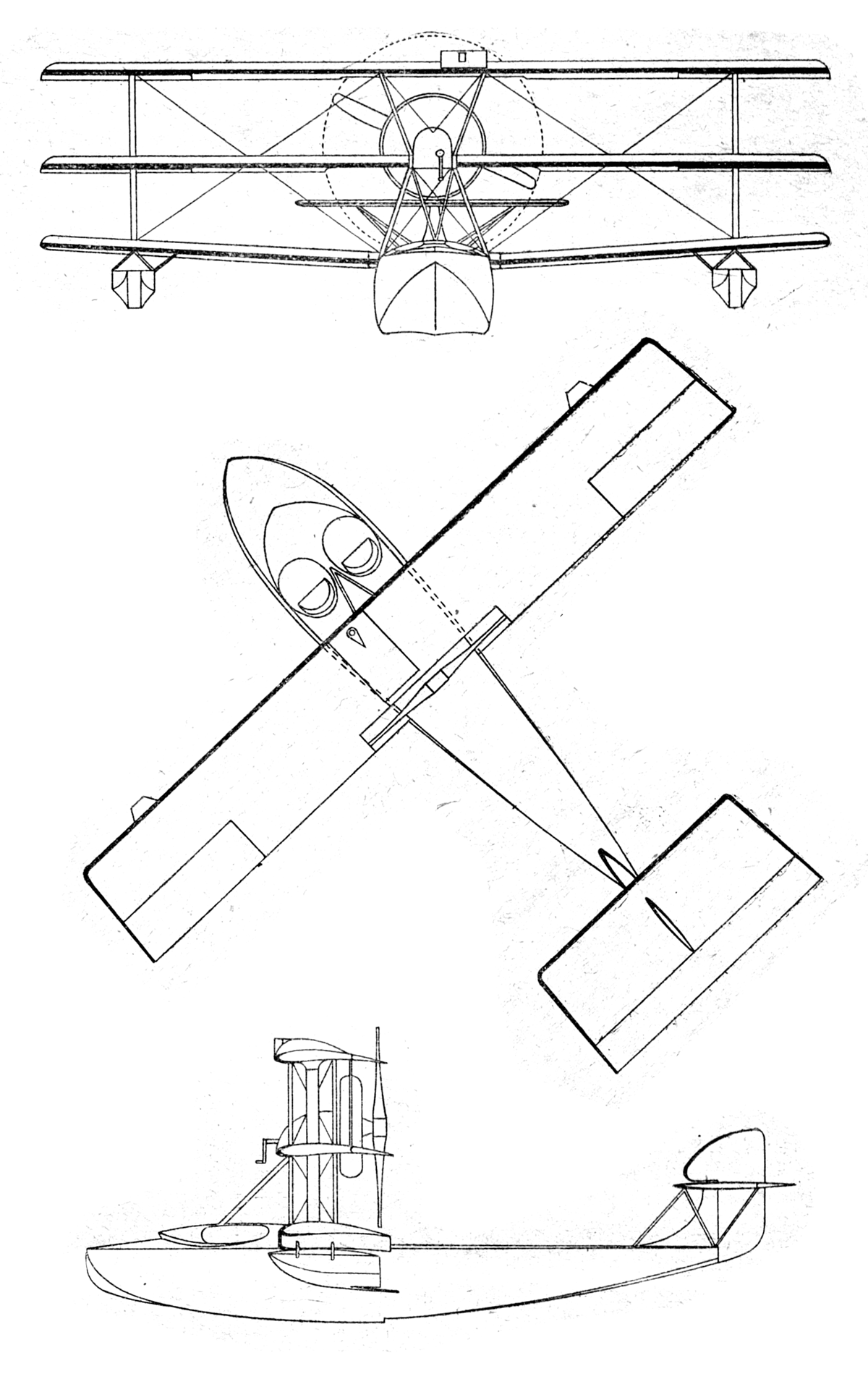
In 1919, designer Marcel Besson began the development of a light multi-purpose flying boat, designated Besson H-3. It was a two-seater wooden single-strut triplane, equipped with a 60 hp (45 kW) Rhône 9Z engine.
Early Development and Design
That same summer, the H-3 was demonstrated to the public at the Paris Air Show. During further tests, it became clear that the engine’s power was insufficient, and it was decided to replace it with a 130 hp (97 kW) Clerget 9B rotary engine.
Challenges and Engine Upgrade
The re-engining significantly improved the boat’s flight characteristics, but no buyers for the H-3 could be found. In 1922, it underwent a small modernization, receiving new wings with an increased area (32.20 m²), after which its designation was changed to MB-12.
Technical Specifications
| Modification | H- 3 |
| Wingspan, m | 8.25 |
| Length, m | 9. 00 |
| Height, m | 3.10 |
| Wing area, m2 | 30.99 |
| Empty weight | 5 90 |
| Maximum takeoff weight | 875 |
| Engine type | 1 Piston engine Clerget 9B |
| Power, hp | 1 x 130 |
| Maximum speed, km/h | 1 55 |
| Cruising speed, km/h | 12 5 |
| Practical range, km | 450 |
| Service ceiling, m | 3200 |
| Crew | 2 |
Image and diagram gallery of the Besson H-3
 H-3 |
 H-3 |
 H-3 |
Equipo Editorial de ArchivoAéreo
Grupo de investigadores y entusiastas de la aviación dedicados a documentar y preservar la historia aeronáutica mundial. Todos los artículos son revisados para garantizar precisión histórica.
Fuentes y Rigurosidad
La información presentada en esta ficha técnica ha sido compilada a partir de manuales de vuelo desclasificados, archivos históricos y bibliografía especializada. Aunque nos esforzamos por mantener la máxima precisión, algunos datos de rendimiento pueden variar según la variante específica o las condiciones operativas.