BF-1 Beija-Flor
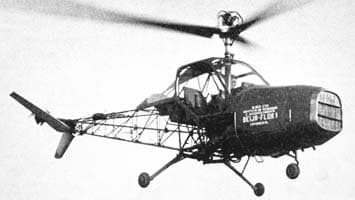
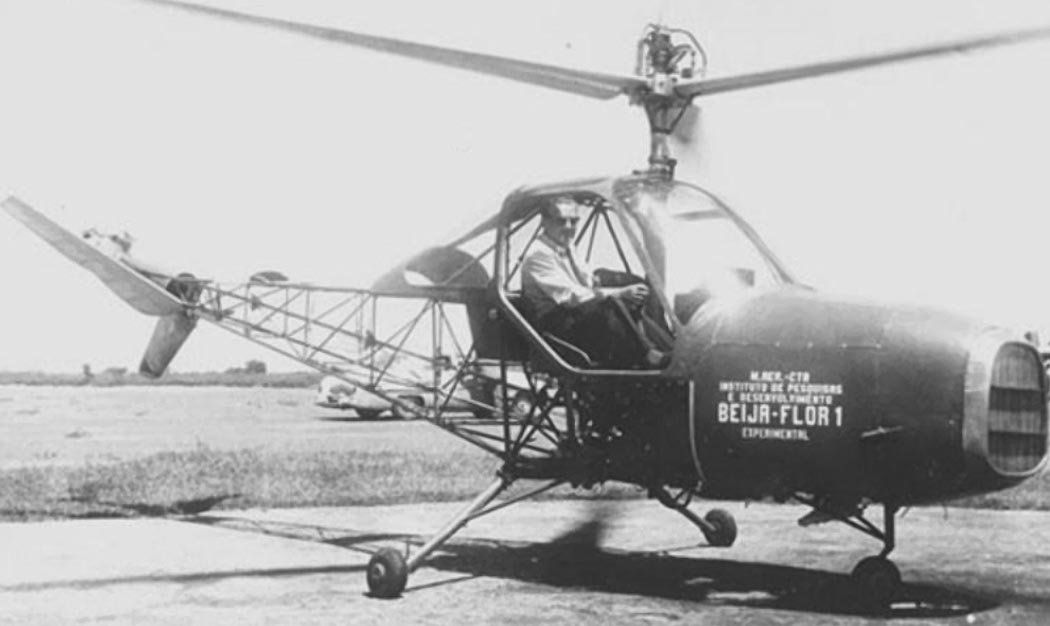
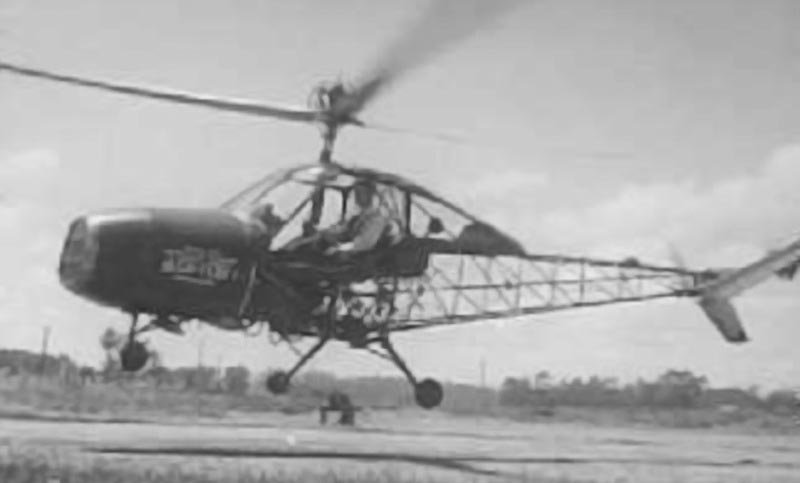
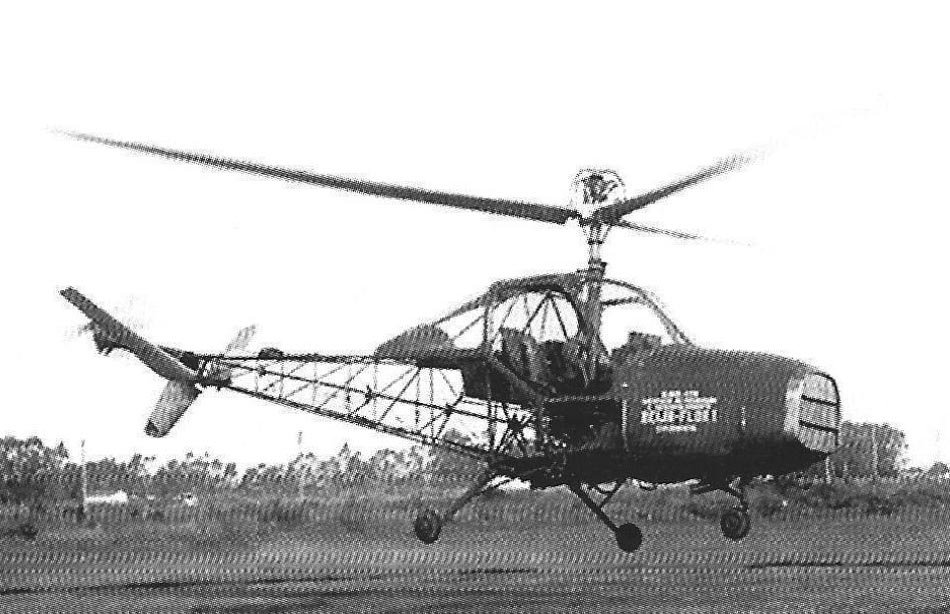
The Aircraft Department (PAR) of the Brazilian Research Institute (I.P.D.) built three prototypes of a small, two-seat light helicopter, originally designed by Professor Henrich Focke. The first prototype, designated I.P.D. BF-1 Beija-Flor, took flight on January 1, 1959, but did not enter series production.
Brazil’s Pioneer Helicopter
The BF-1 became the first helicopter designed, built, and flown in Brazil. The helicopter was constructed and tested under the aegis of the Center for Aeronautical Technology (CTA); in some sources, it is referred to as the CTA Beija-Flor.
Innovative Design and Market Challenges
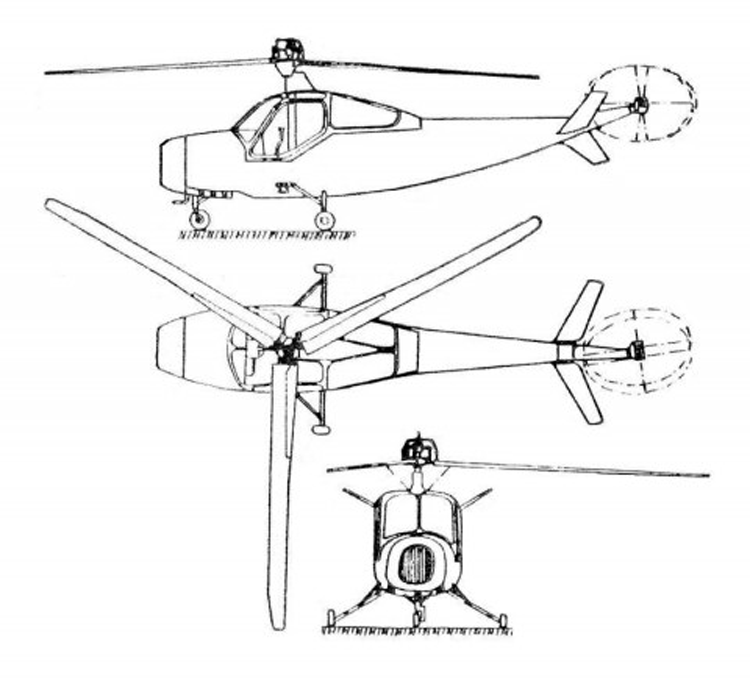
The unusual feature of the BF-1 helicopter was its power plant: a Continental E225 piston engine delivering 225 hp (168 kW) with six horizontally opposed cylinders. The engine was situated in the extensive nose section, driving a three-bladed main rotor through a shaft system that proved too heavy. Flight performance suffered as a result, and the helicopter could not find its niche in a market already dominated by “Bell” and “Hiller” companies.
Technical Specifications
| Modification | BF-1 |
| Main rotor diameter, m | 9.00 |
| Length, m | 8.75 |
| Height, m | 3.15 |
| Empty weight | 700 |
| Maximum takeoff weight | 950 |
| Engine type | 1 Piston engine Continental E225 |
| Power, hp | 1 x 225 |
| Maximum speed, km/h | 160 |
| Cruising speed, km/h | 140 |
| Practical range, km | 270 |
| Practical ceiling, m | 3500 |
| Crew, crew members | 2 |
Image and diagram gallery of the BF-1 Beija-Flor
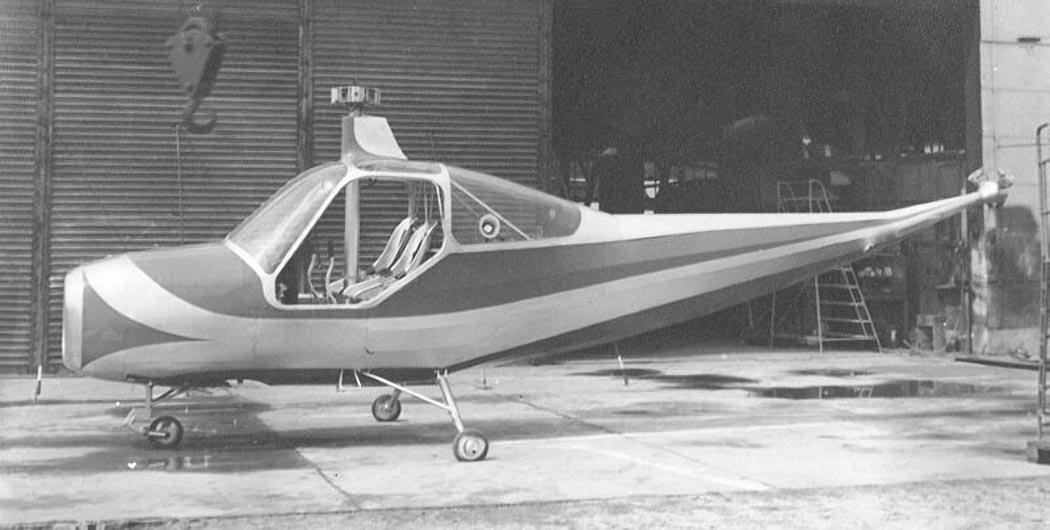 BF-1 Beija-Flor |
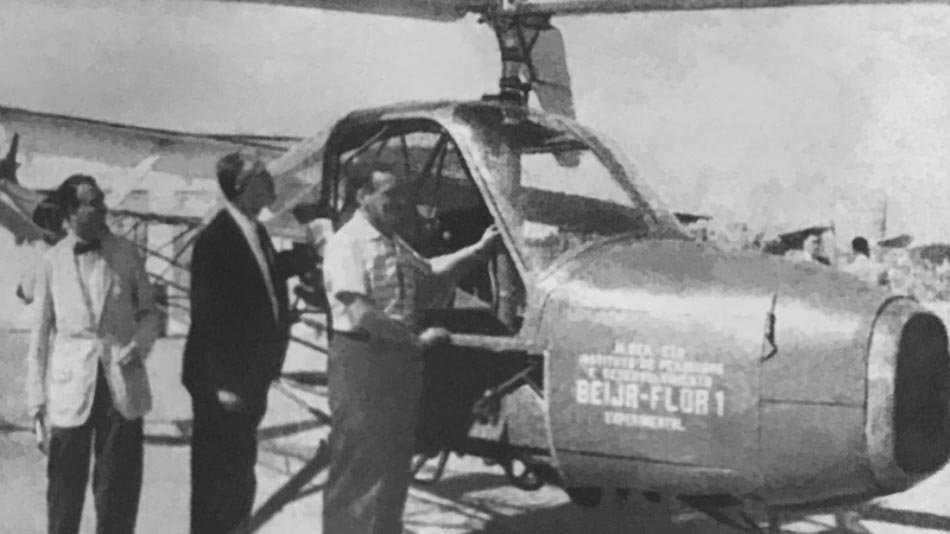 BF-1 Beija-Flor |
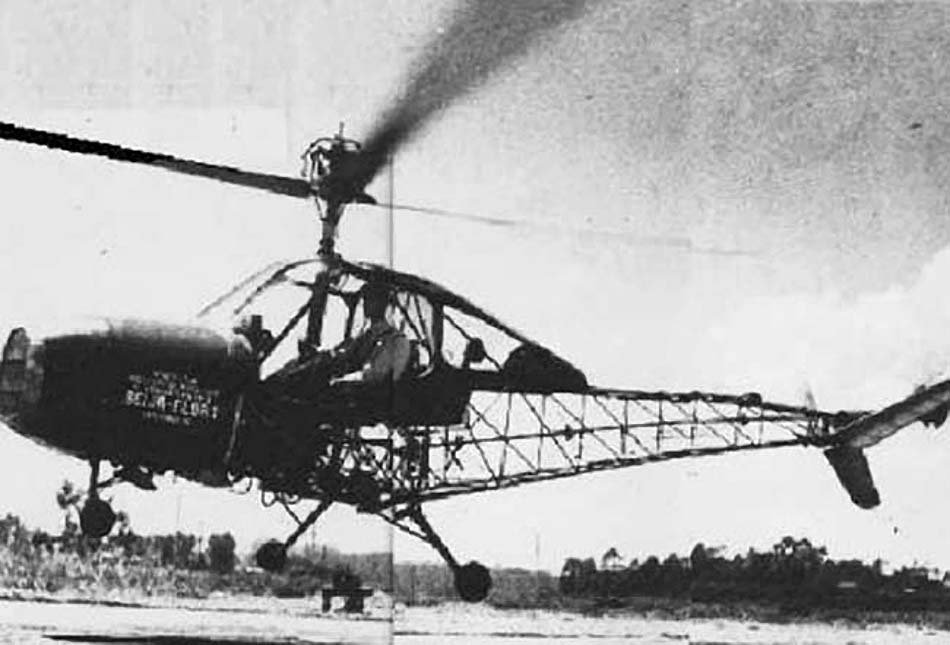 BF-1 Beija-Flor |
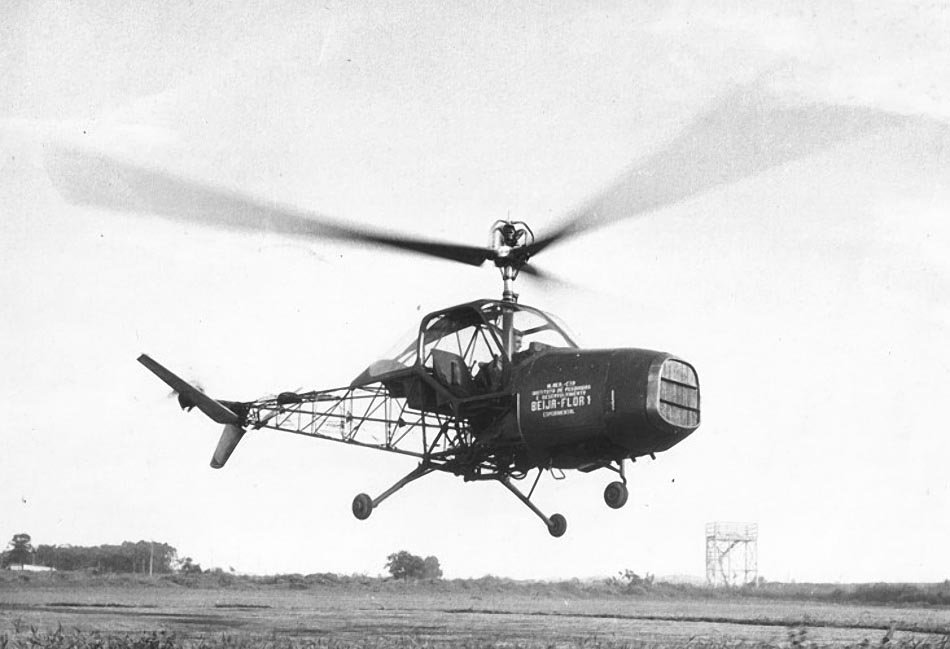 BF-1 Beija-Flor |
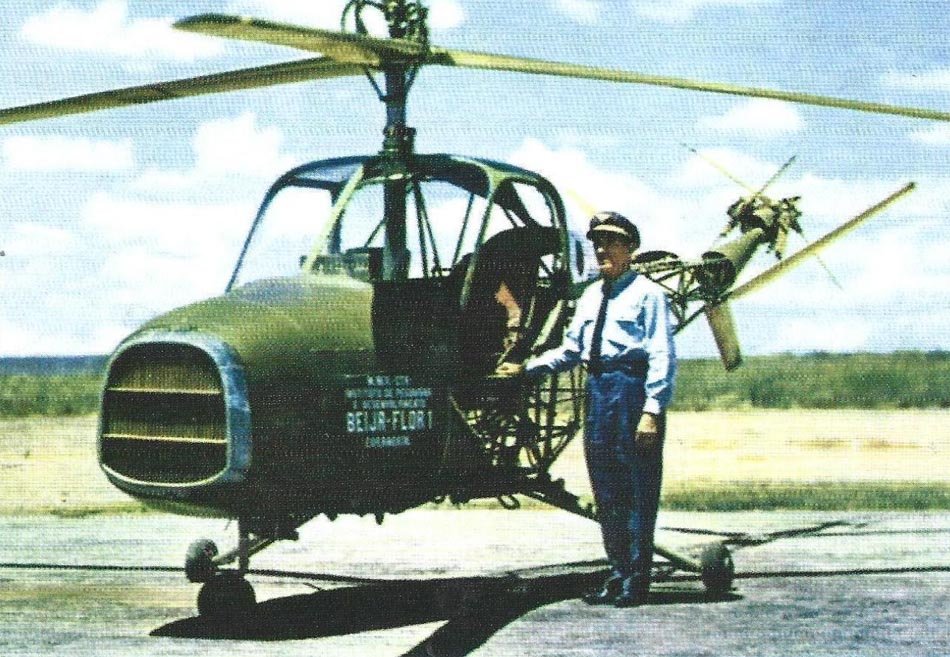 BF-1 Beija-Flor |
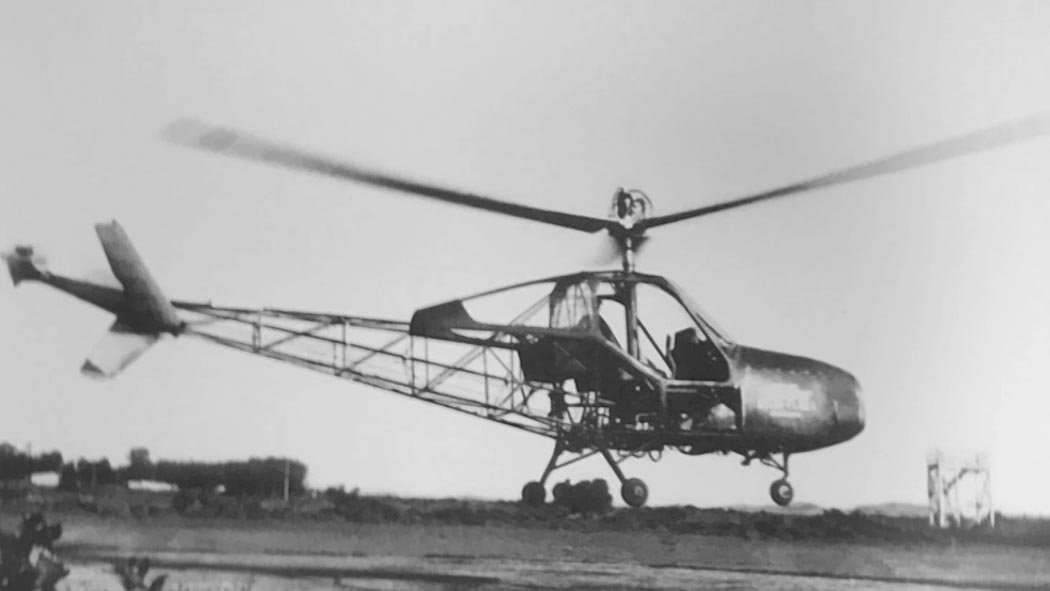 BF-1 Beija-Flor |
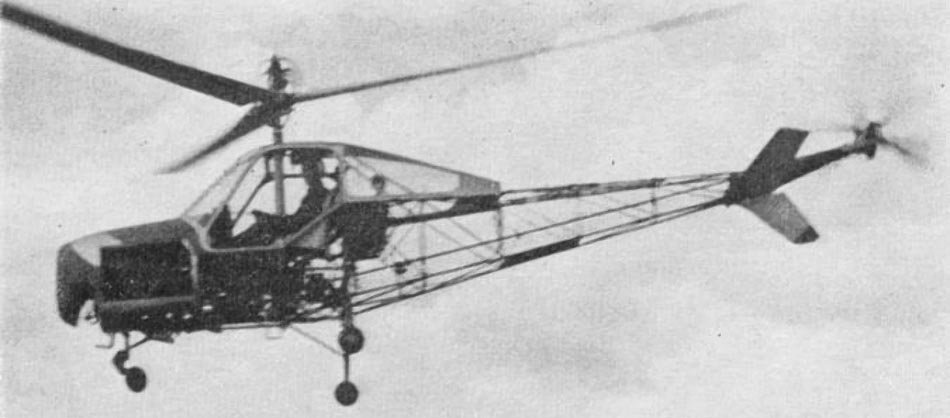 BF-1 Beija-Flor |
 BF-1 Beija-Flor |
 BF-1 Beija-Flor |
 BF-1 Beija-Flor |
 BF-1 Beija-Flor |
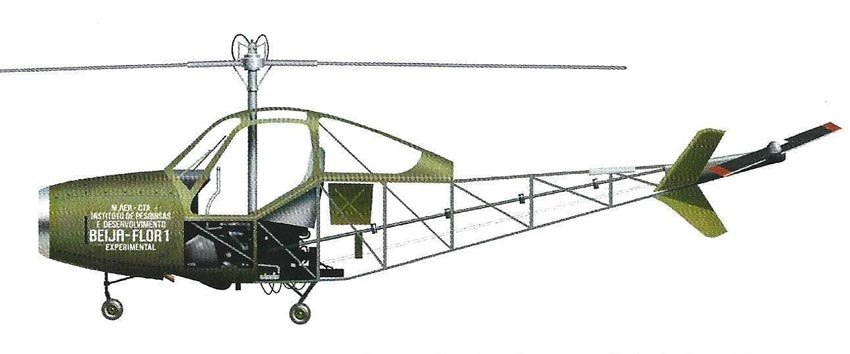 BF-1 Beija-Flor |
ArchivoAéreo Editorial Team
A group of aviation researchers and enthusiasts dedicated to documenting and preserving global aeronautical history. All articles are reviewed to ensure historical accuracy.
Sources & Accuracy
The information presented in this technical sheet has been compiled from declassified flight manuals, historical archives, and specialized literature. While we strive for maximum accuracy, some performance data may vary depending on the specific variant or operational conditions.