BF-1 Beija-Flor
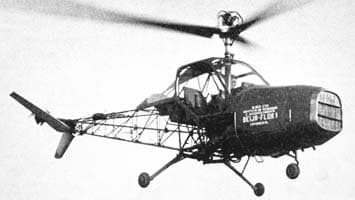
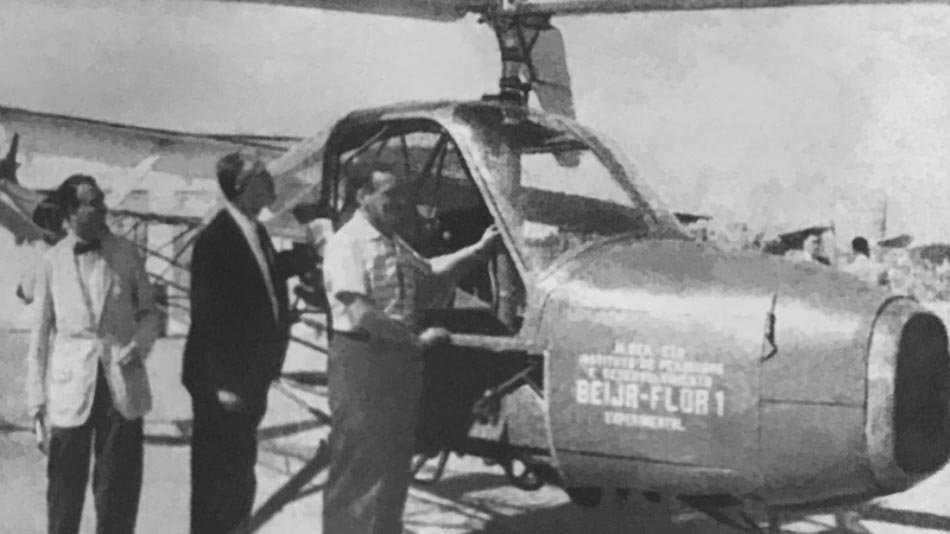
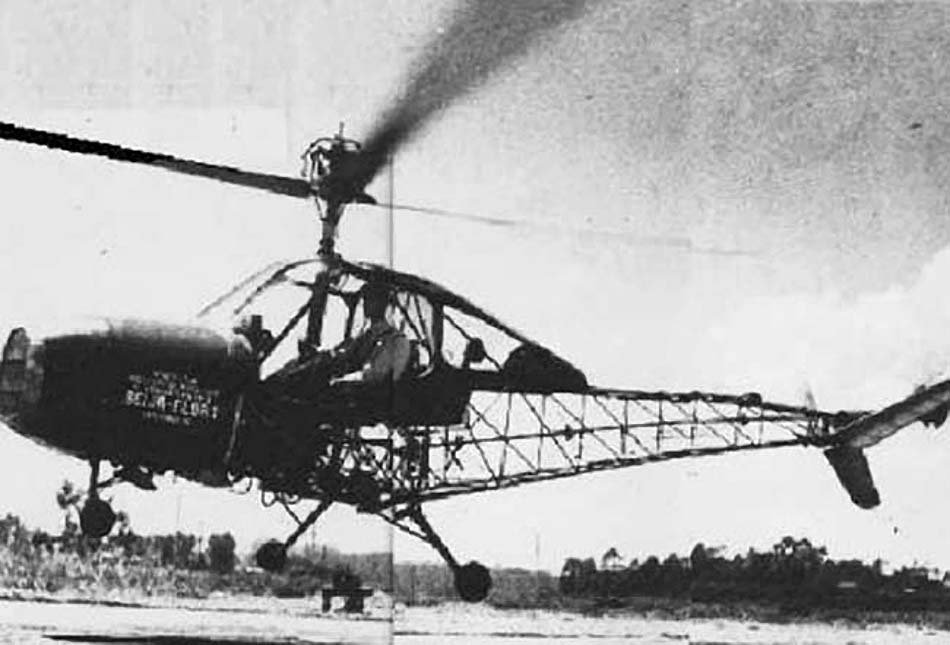
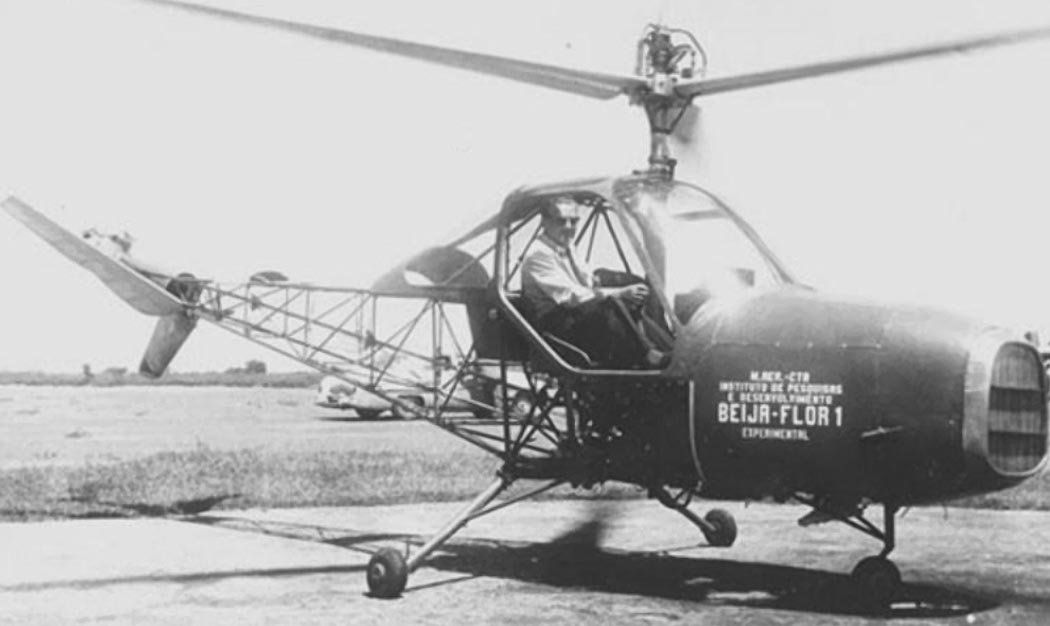
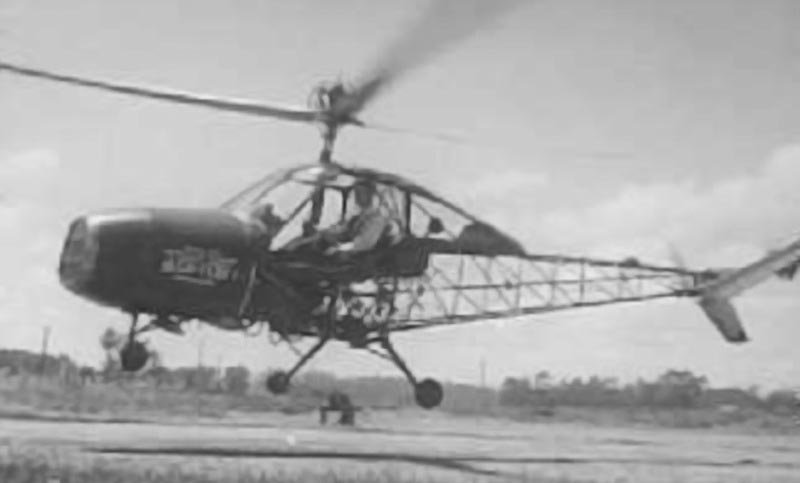
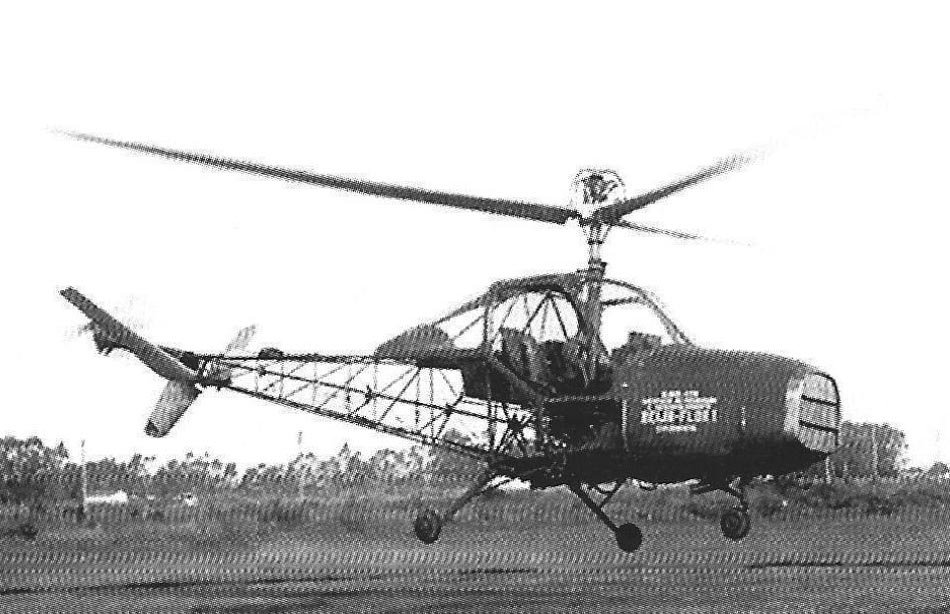
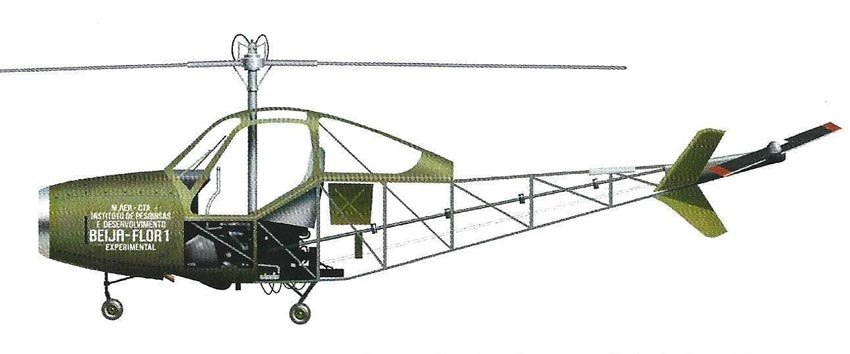
The Aircraft Department (PAR) of the Brazilian Research Institute (I.P.D.) built three prototypes of a small, two-seat light helicopter, originally designed by Professor Henrich Focke. The first prototype, designated I.P.D. BF-1 Beija-Flor, took flight on January 1, 1959, but did not enter series production.
Brazil’s Pioneer Helicopter
The BF-1 became the first helicopter designed, built, and flown in Brazil. The helicopter was constructed and tested under the aegis of the Center for Aeronautical Technology (CTA); in some sources, it is referred to as the CTA Beija-Flor.
Innovative Design and Market Challenges
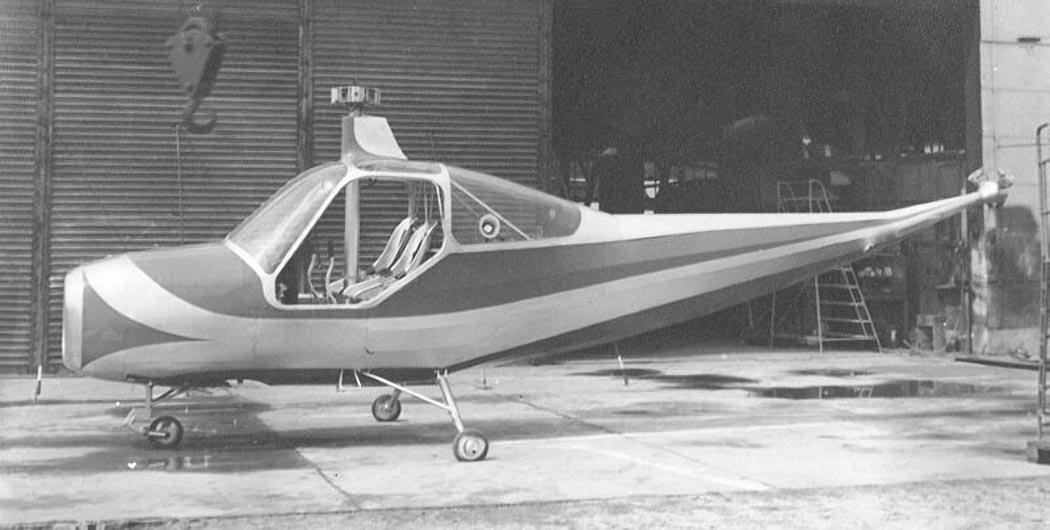
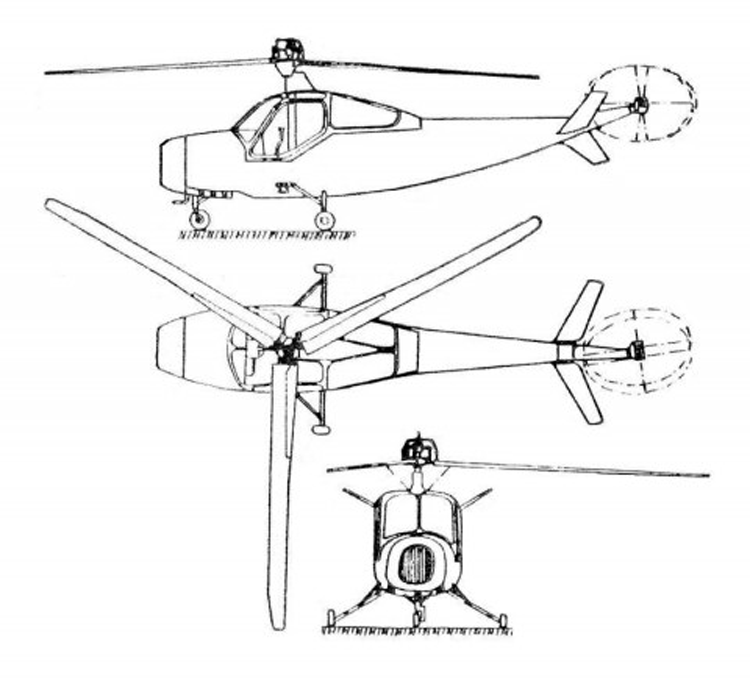
The unusual feature of the BF-1 helicopter was its power plant: a Continental E225 piston engine delivering 225 hp (168 kW) with six horizontally opposed cylinders. The engine was situated in the extensive nose section, driving a three-bladed main rotor through a shaft system that proved too heavy. Flight performance suffered as a result, and the helicopter could not find its niche in a market already dominated by “Bell” and “Hiller” companies.
Technical Specifications
| Modification | BF-1 |
| Main rotor diameter, m | 9.00 |
| Length, m | 8.75 |
| Height, m | 3.15 |
| Empty weight | 700 |
| Maximum takeoff weight | 950 |
| Engine type | 1 Piston engine Continental E225 |
| Power, hp | 1 x 225 |
| Maximum speed, km/h | 160 |
| Cruising speed, km/h | 140 |
| Practical range, km | 270 |
| Practical ceiling, m | 3500 |
| Crew, crew members | 2 |
Image and diagram gallery of the BF-1 Beija-Flor
 BF-1 Beija-Flor |
 BF-1 Beija-Flor |
 BF-1 Beija-Flor |
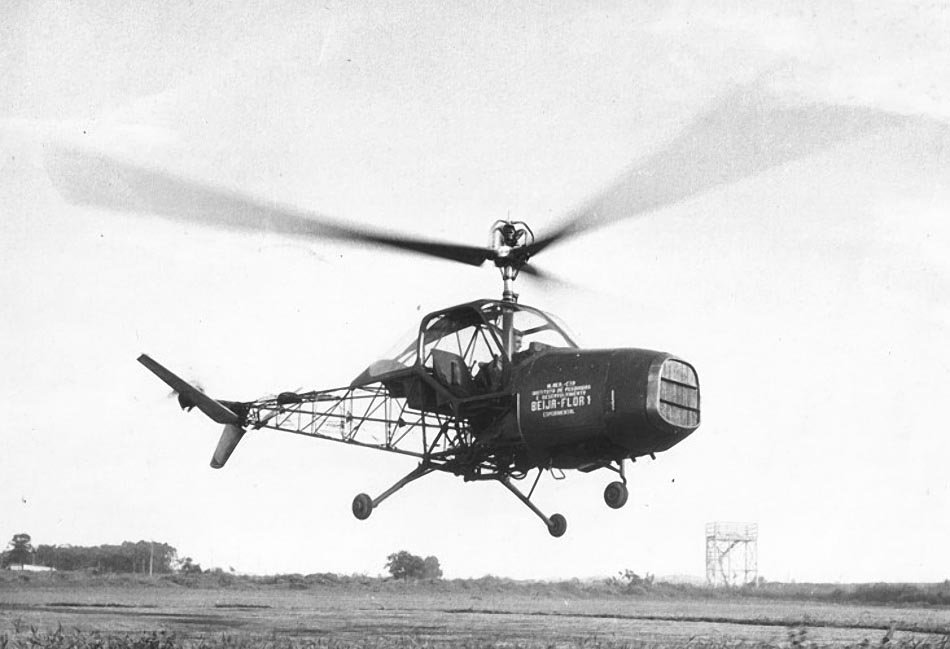 BF-1 Beija-Flor |
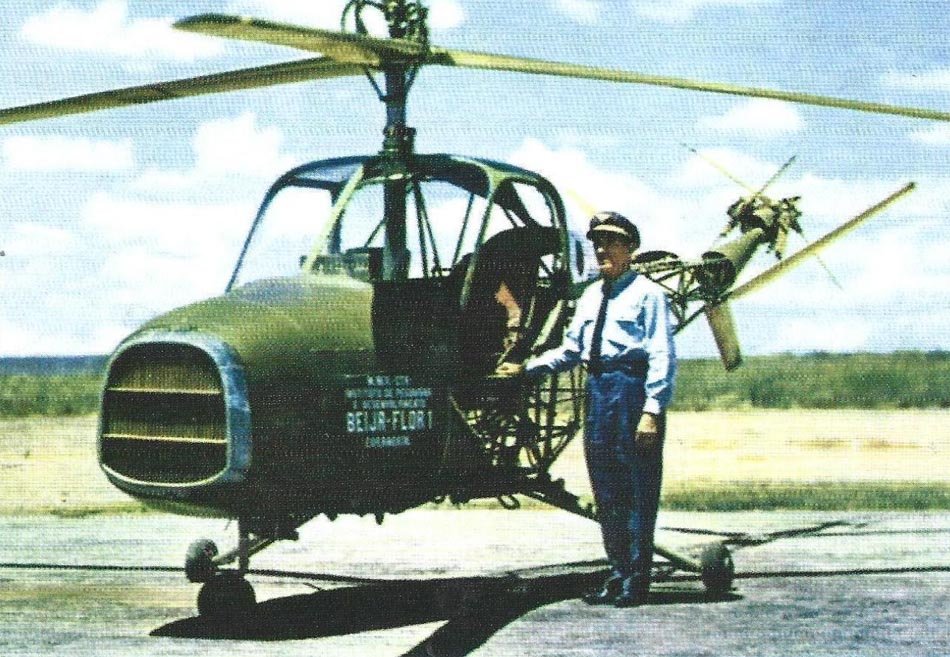 BF-1 Beija-Flor |
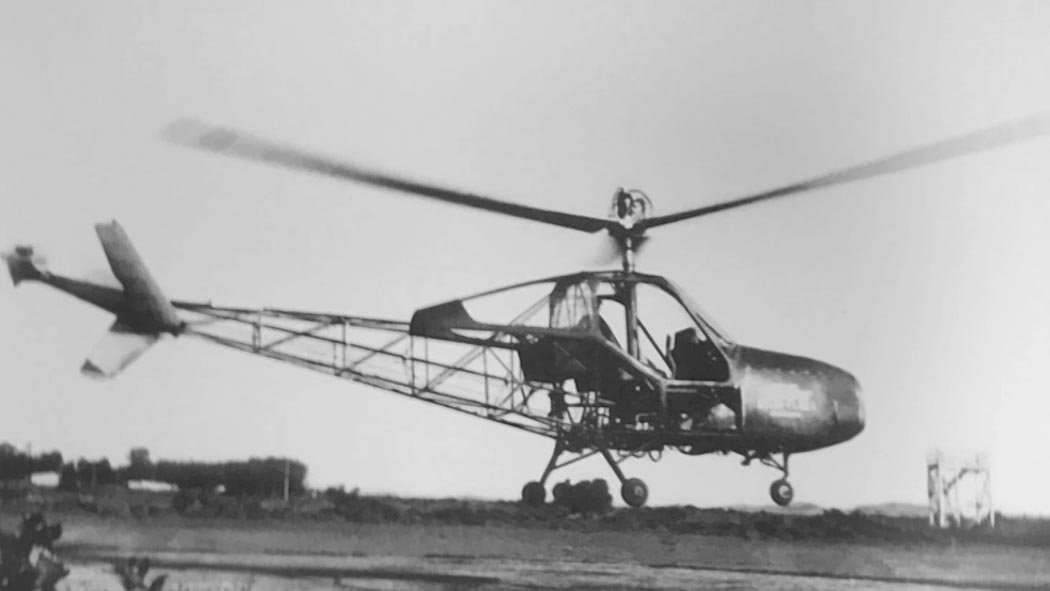 BF-1 Beija-Flor |
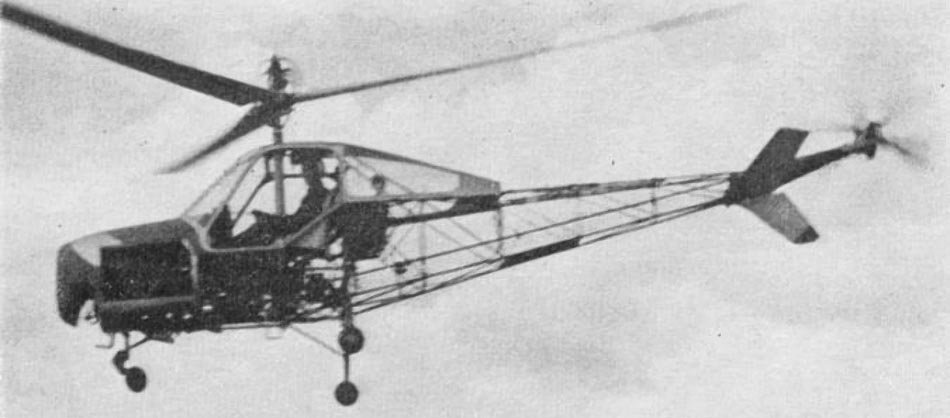 BF-1 Beija-Flor |
 BF-1 Beija-Flor |
 BF-1 Beija-Flor |
 BF-1 Beija-Flor |
 BF-1 Beija-Flor |
 BF-1 Beija-Flor |
Equipo Editorial de ArchivoAéreo
Grupo de investigadores y entusiastas de la aviación dedicados a documentar y preservar la historia aeronáutica mundial. Todos los artículos son revisados para garantizar precisión histórica.
Fuentes y Rigurosidad
La información presentada en esta ficha técnica ha sido compilada a partir de manuales de vuelo desclasificados, archivos históricos y bibliografía especializada. Aunque nos esforzamos por mantener la máxima precisión, algunos datos de rendimiento pueden variar según la variante específica o las condiciones operativas.