Bleriot 195
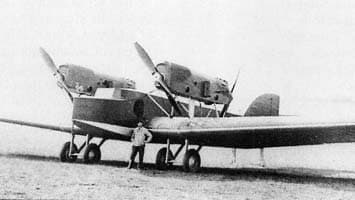
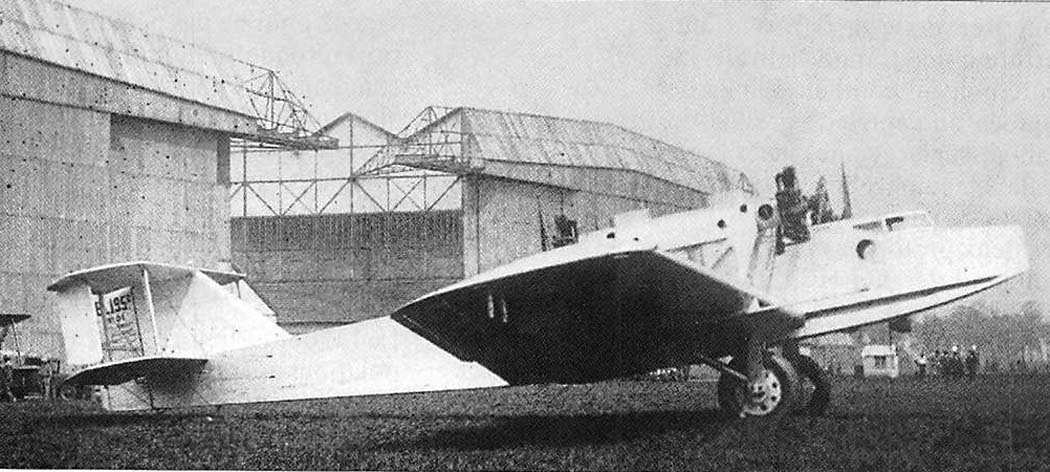
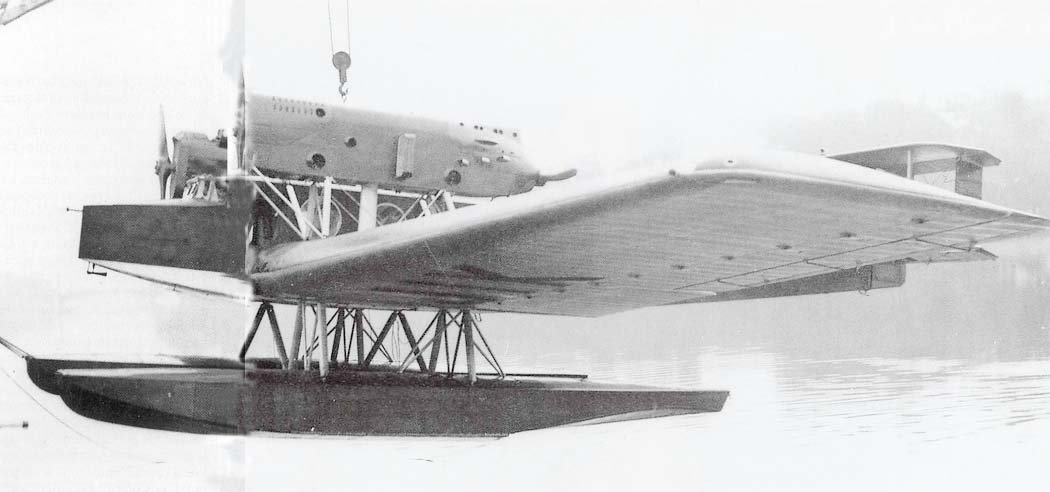
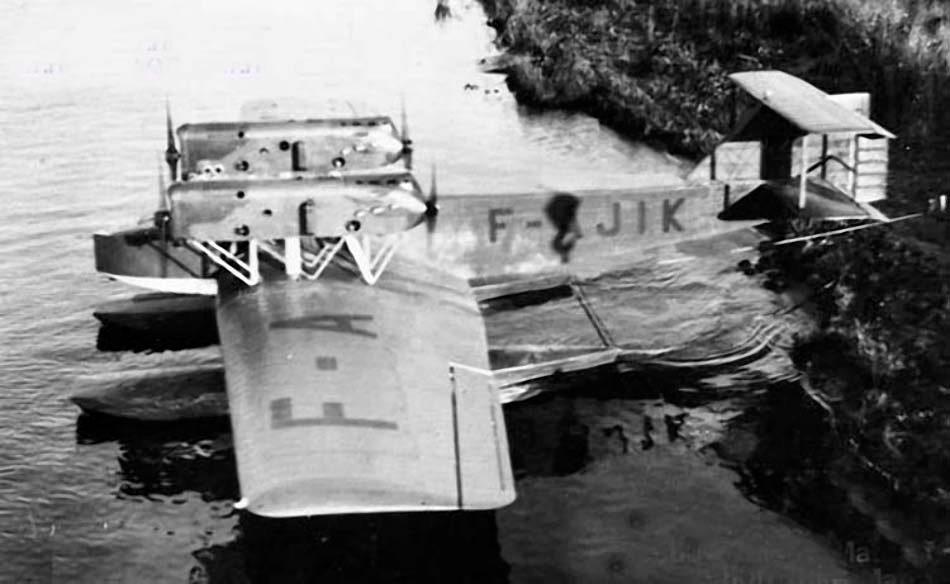
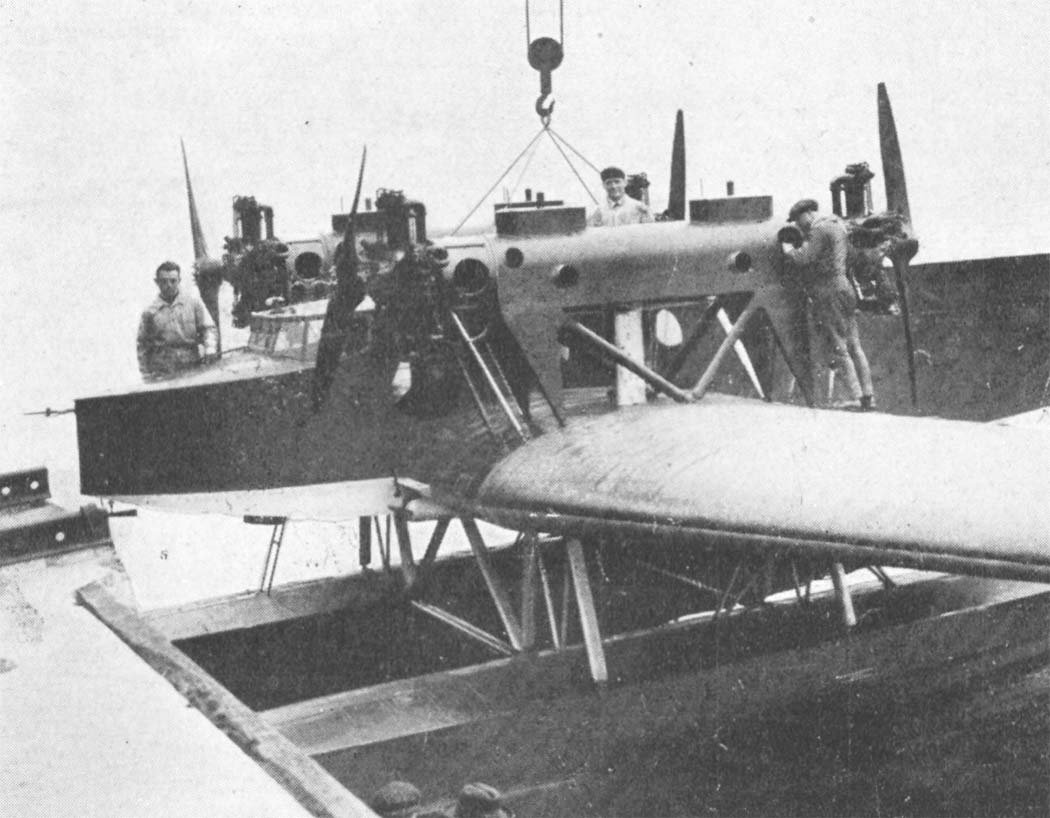
The Bleriot 195 was a large, cantilever low-wing monoplane, distinctive for its four engines. These powerplants were uniquely mounted in tandem pairs above the wings, supported by a complex truss structure. The aircraft made its inaugural flight on March 9, 1929, initially as a land variant.
Variants and Early Development
This initial land version, designated Bleriot 195/2, utilized the chassis of the Bleriot 127/2. Subsequently, after being fitted with Blanchard company floats, its designation changed to Bleriot 195/3, transforming it into a seaplane configuration.
Evolution and Unfulfilled Aspirations
In March 1930, a significant upgrade occurred with the installation of four new 230 hp Gnome-Rhone Titan engines, leading to the designation Bleriot 195/4. This iteration was envisioned as a postal seaplane for the crucial Marseille-Algiers route, a role it regrettably never fulfilled.
The Cargo Variant and Its Fate
By April 1931, the aircraft underwent another modification, receiving a new chassis with single-wheel main struts, and was renamed Bleriot 195/6. This final variant was tested as a cargo aircraft for Air Union but, unfortunately, failed to obtain an airworthiness certificate, marking the end of its operational prospects.
Technical Specifications
| Modification | Bl-195/2 |
| Wingspan, m | 23.20 |
| Length, m | 14. 70 |
| Height, m | 4.10 |
| Wing area, m2 | 90.00 |
| Empty weight | 3850 |
| Normal takeoff weight | 5 750 |
| Engine type | 4 Piston engines Hispano-Suiza 6Mb |
| Power, hp | 4 x 250 |
| Maximum speed, km/h | 210 |
| Cruising speed, km/h | 182 |
| Practical range, km | 4000 |
| Crew | 3 |
Image and diagram gallery of the Bleriot 195
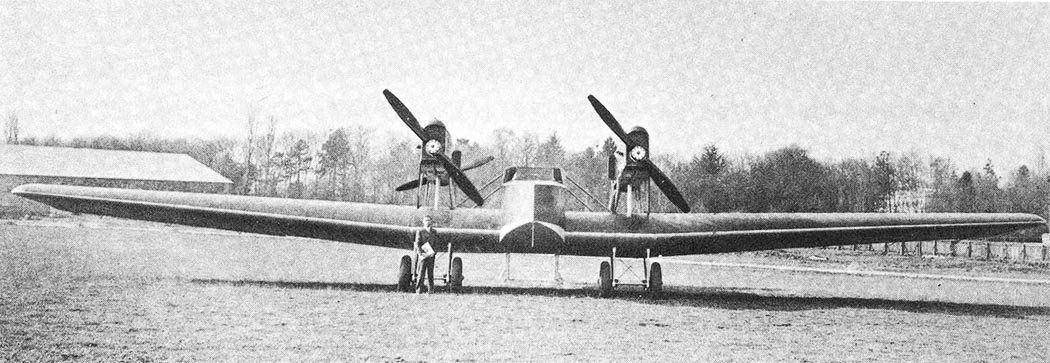 Bleriot 195 |
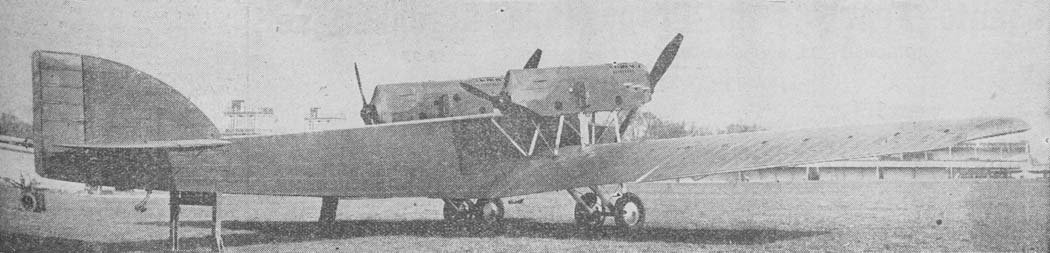 Bleriot 195 |
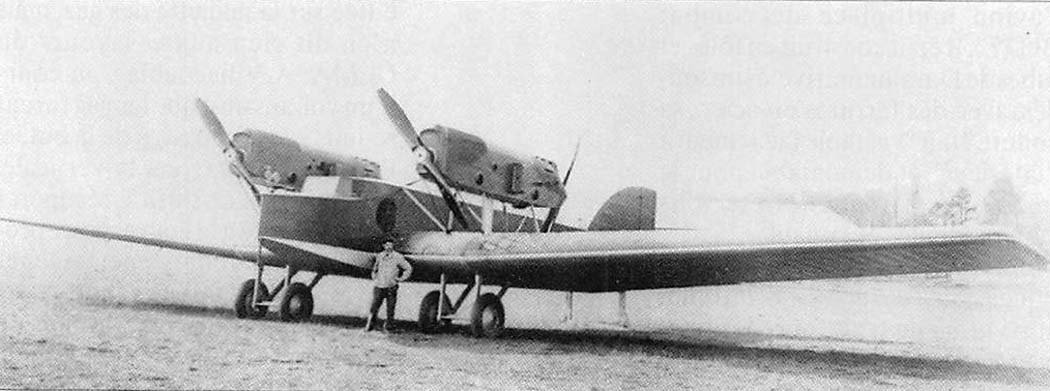 Bleriot 195 |
 Bleriot 195 |
 Bleriot 195 |
 Bleriot 195 |
 Bleriot 195 |
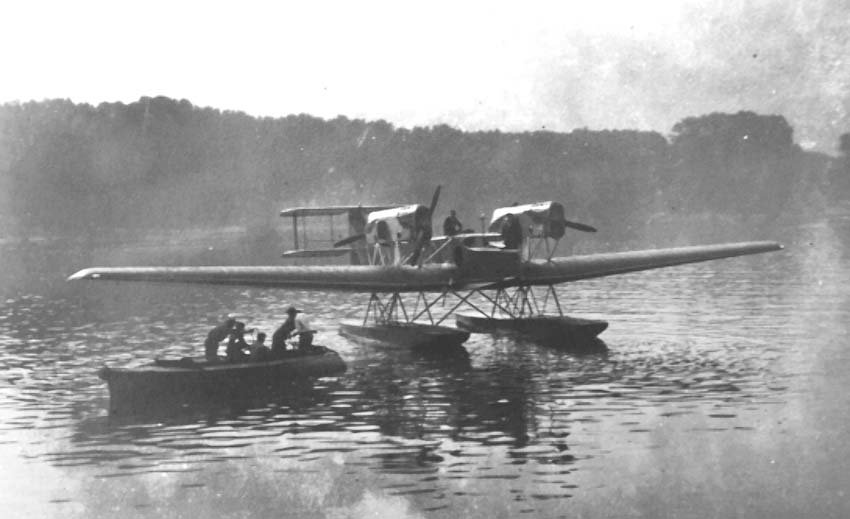 Bleriot 195 |
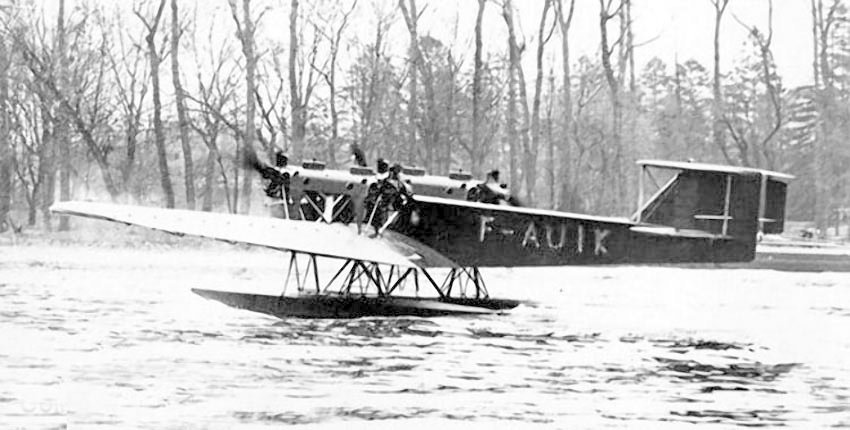 Bleriot 195 |
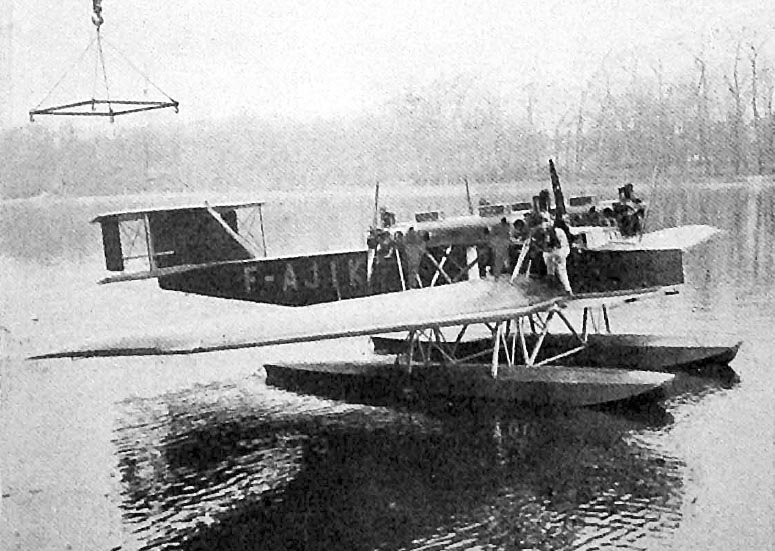 Bleriot 195 |
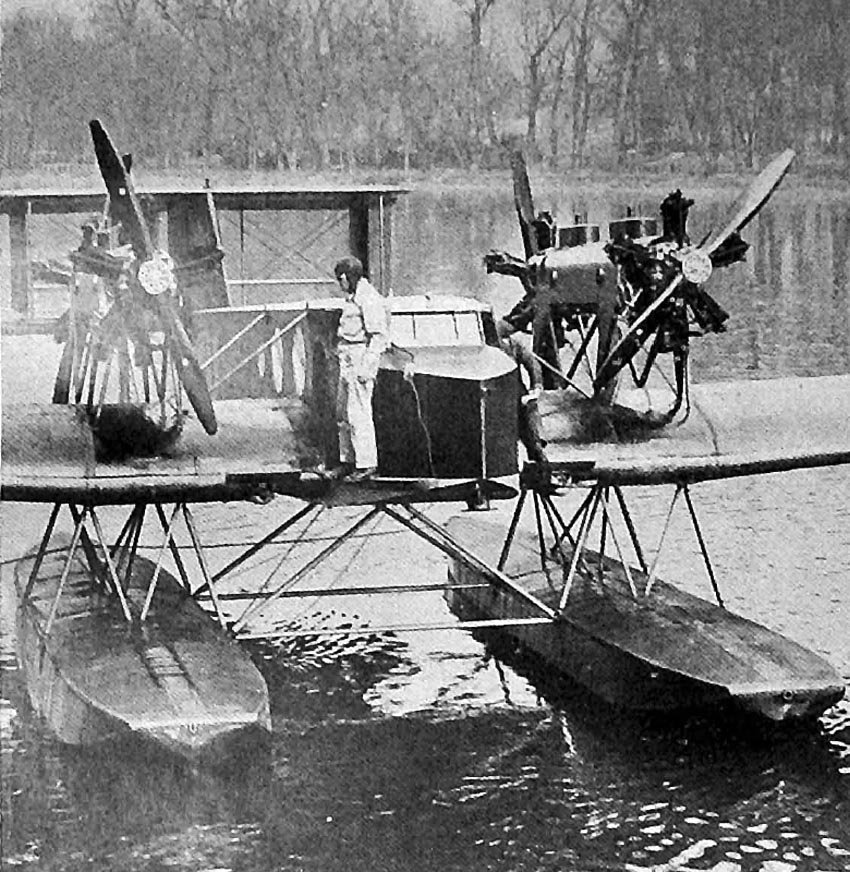 Bleriot 195 |
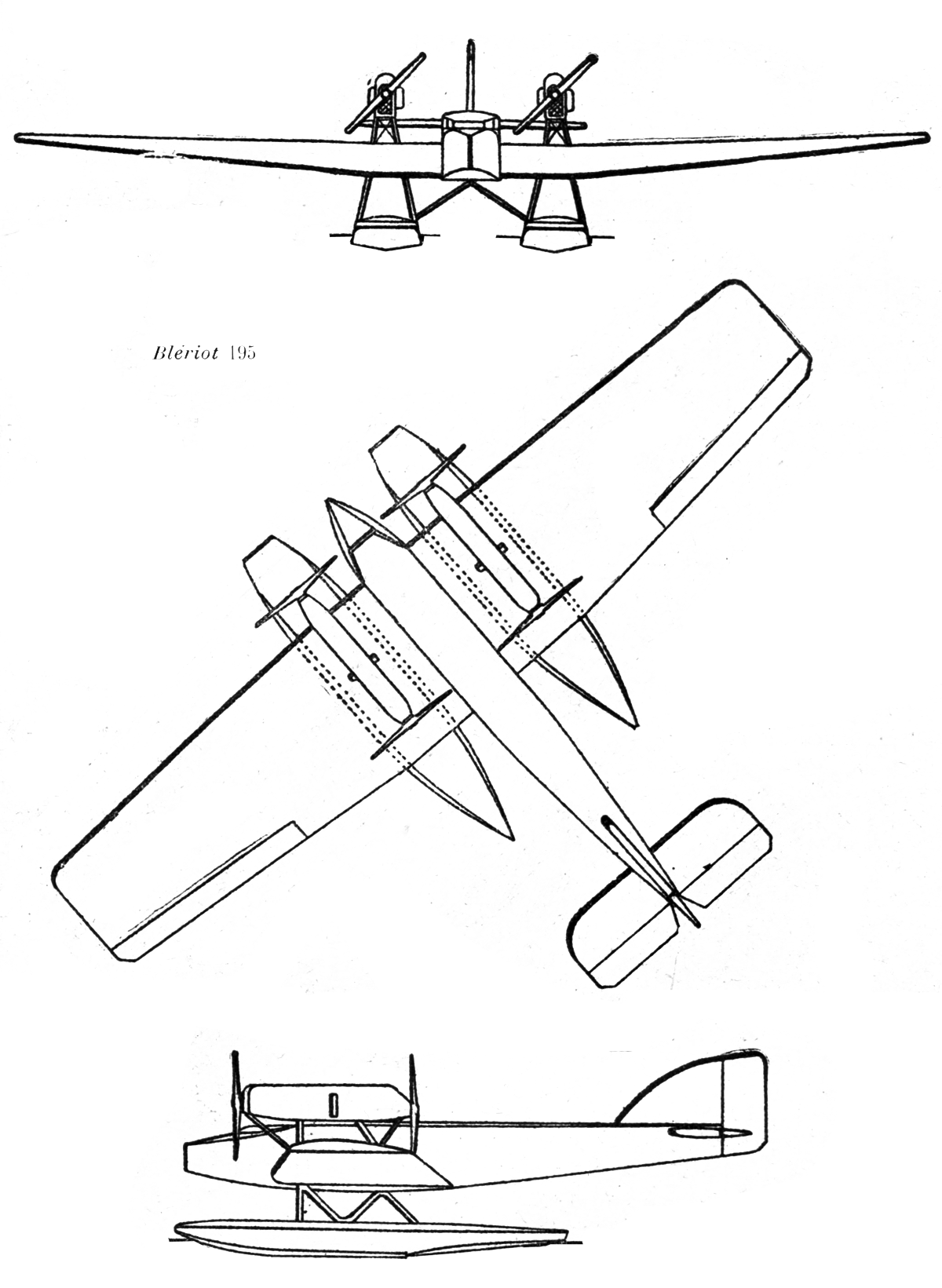 Bleriot 195 |
ArchivoAéreo Editorial Team
A group of aviation researchers and enthusiasts dedicated to documenting and preserving global aeronautical history. All articles are reviewed to ensure historical accuracy.
Sources & Accuracy
The information presented in this technical sheet has been compiled from declassified flight manuals, historical archives, and specialized literature. While we strive for maximum accuracy, some performance data may vary depending on the specific variant or operational conditions.