Bleriot 195
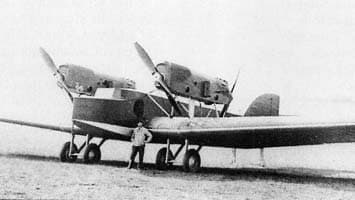
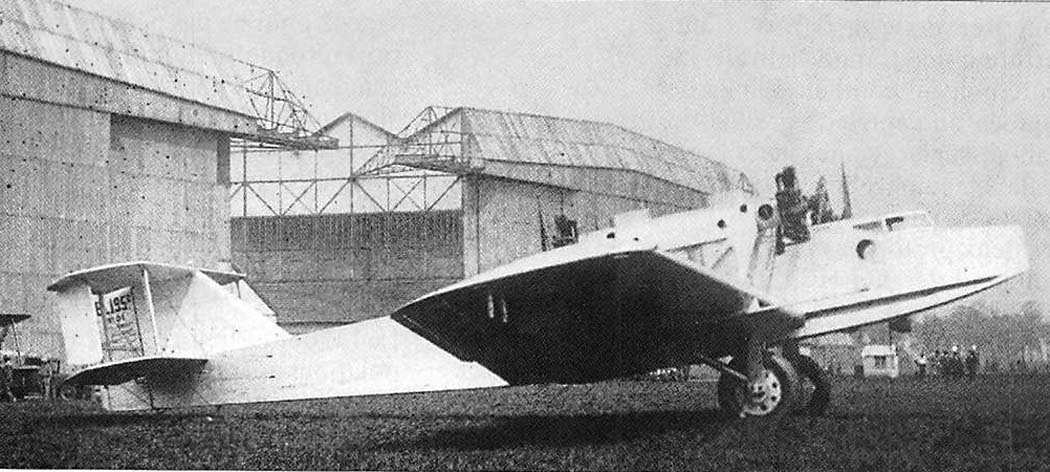
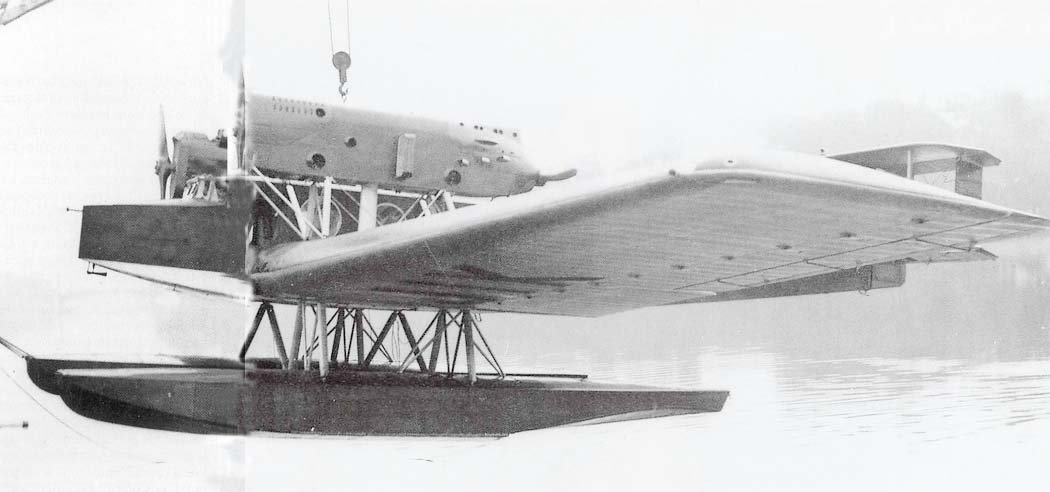
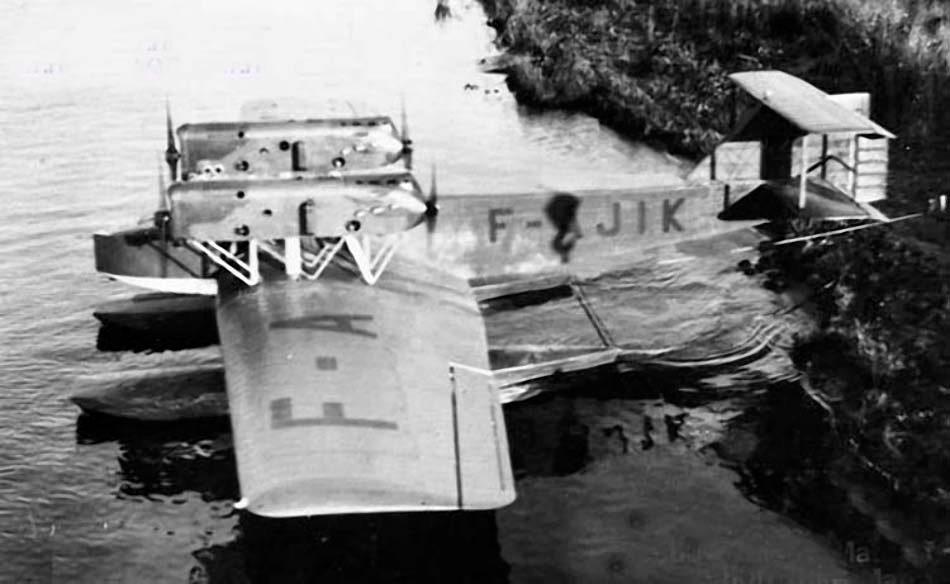
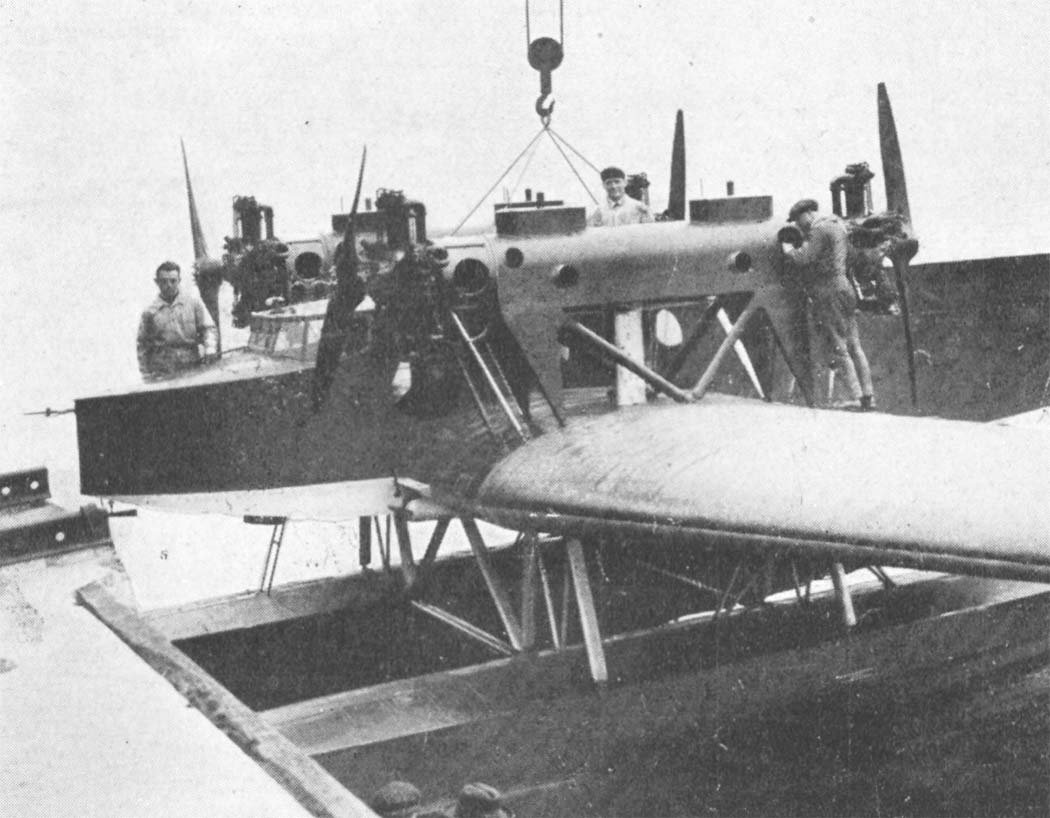
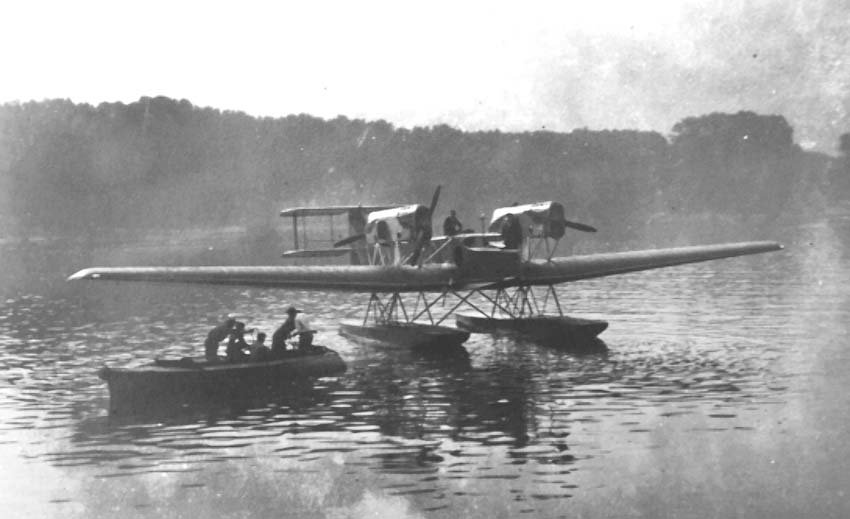
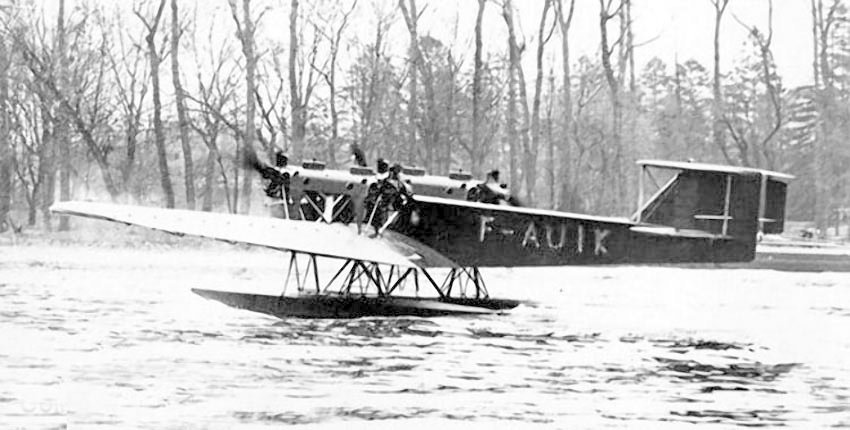
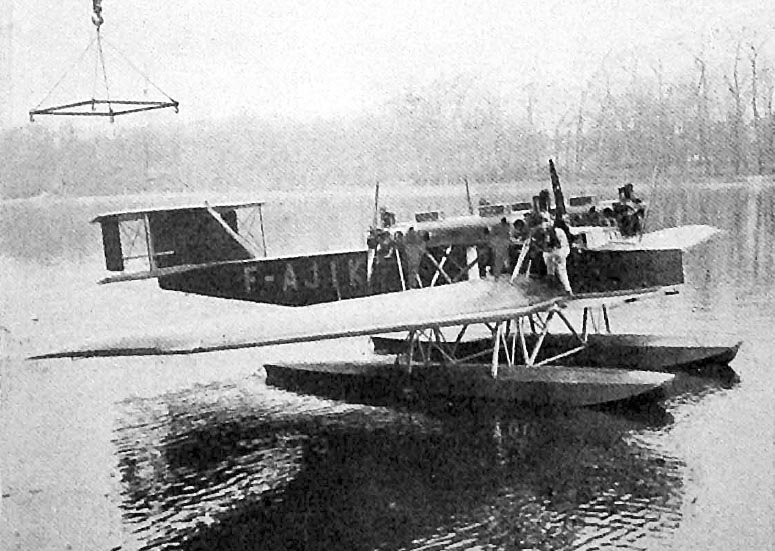
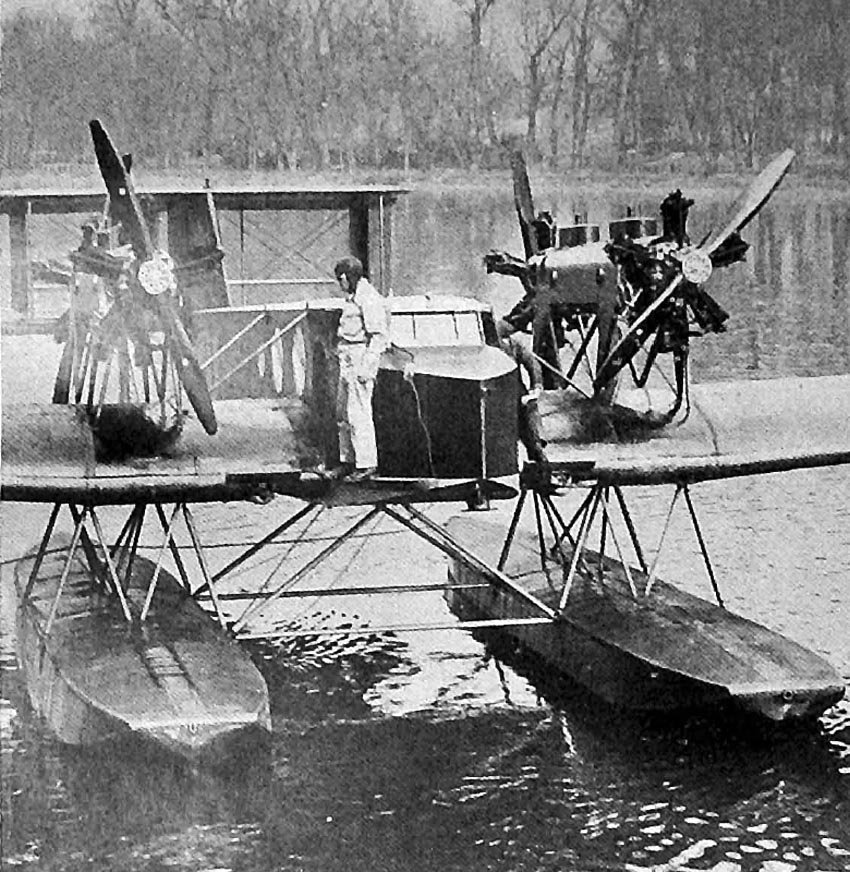
The Bleriot 195 was a large, cantilever low-wing monoplane, distinctive for its four engines. These powerplants were uniquely mounted in tandem pairs above the wings, supported by a complex truss structure. The aircraft made its inaugural flight on March 9, 1929, initially as a land variant.
Variants and Early Development
This initial land version, designated Bleriot 195/2, utilized the chassis of the Bleriot 127/2. Subsequently, after being fitted with Blanchard company floats, its designation changed to Bleriot 195/3, transforming it into a seaplane configuration.
Evolution and Unfulfilled Aspirations
In March 1930, a significant upgrade occurred with the installation of four new 230 hp Gnome-Rhone Titan engines, leading to the designation Bleriot 195/4. This iteration was envisioned as a postal seaplane for the crucial Marseille-Algiers route, a role it regrettably never fulfilled.
The Cargo Variant and Its Fate
By April 1931, the aircraft underwent another modification, receiving a new chassis with single-wheel main struts, and was renamed Bleriot 195/6. This final variant was tested as a cargo aircraft for Air Union but, unfortunately, failed to obtain an airworthiness certificate, marking the end of its operational prospects.
Technical Specifications
| Modification | Bl-195/2 |
| Wingspan, m | 23.20 |
| Length, m | 14. 70 |
| Height, m | 4.10 |
| Wing area, m2 | 90.00 |
| Empty weight | 3850 |
| Normal takeoff weight | 5 750 |
| Engine type | 4 Piston engines Hispano-Suiza 6Mb |
| Power, hp | 4 x 250 |
| Maximum speed, km/h | 210 |
| Cruising speed, km/h | 182 |
| Practical range, km | 4000 |
| Crew | 3 |
Image and diagram gallery of the Bleriot 195
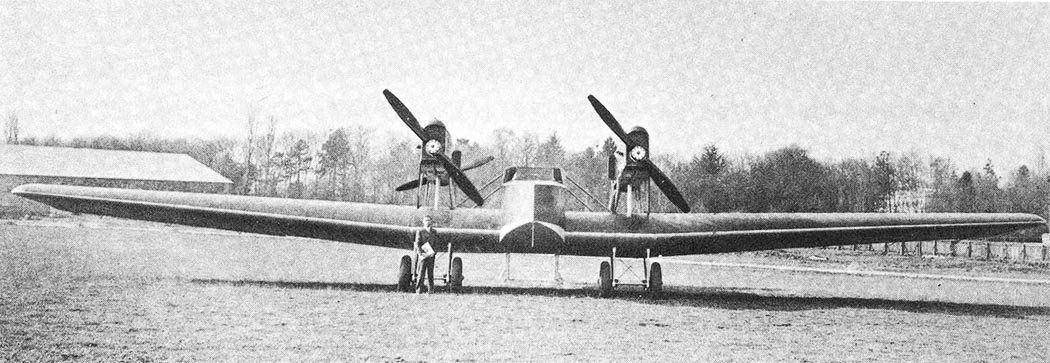 Bleriot 195 |
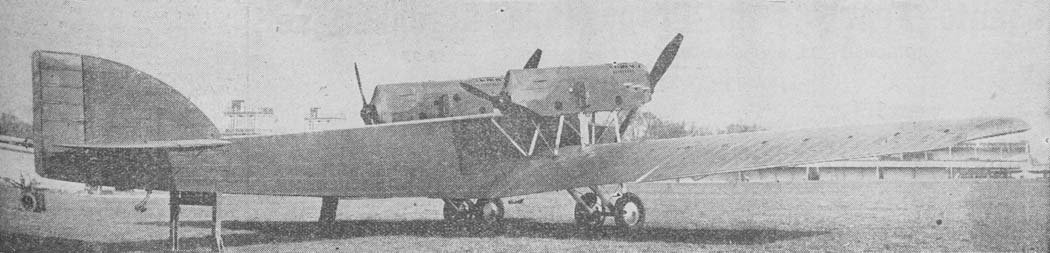 Bleriot 195 |
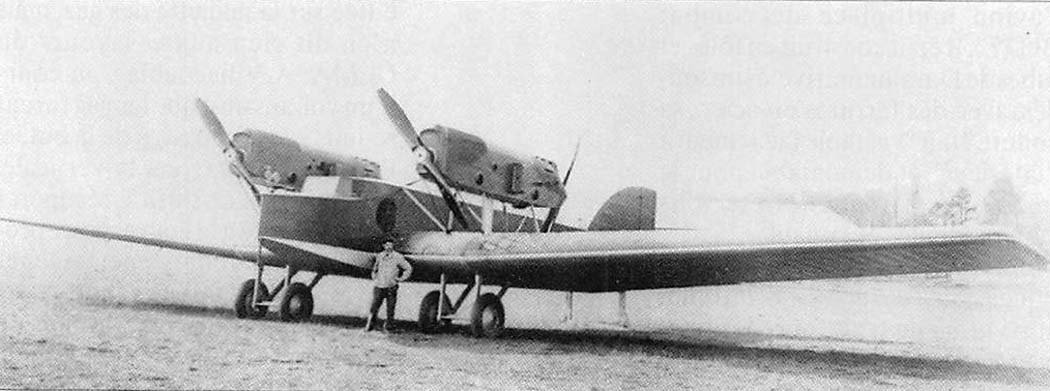 Bleriot 195 |
 Bleriot 195 |
 Bleriot 195 |
 Bleriot 195 |
 Bleriot 195 |
 Bleriot 195 |
 Bleriot 195 |
 Bleriot 195 |
 Bleriot 195 |
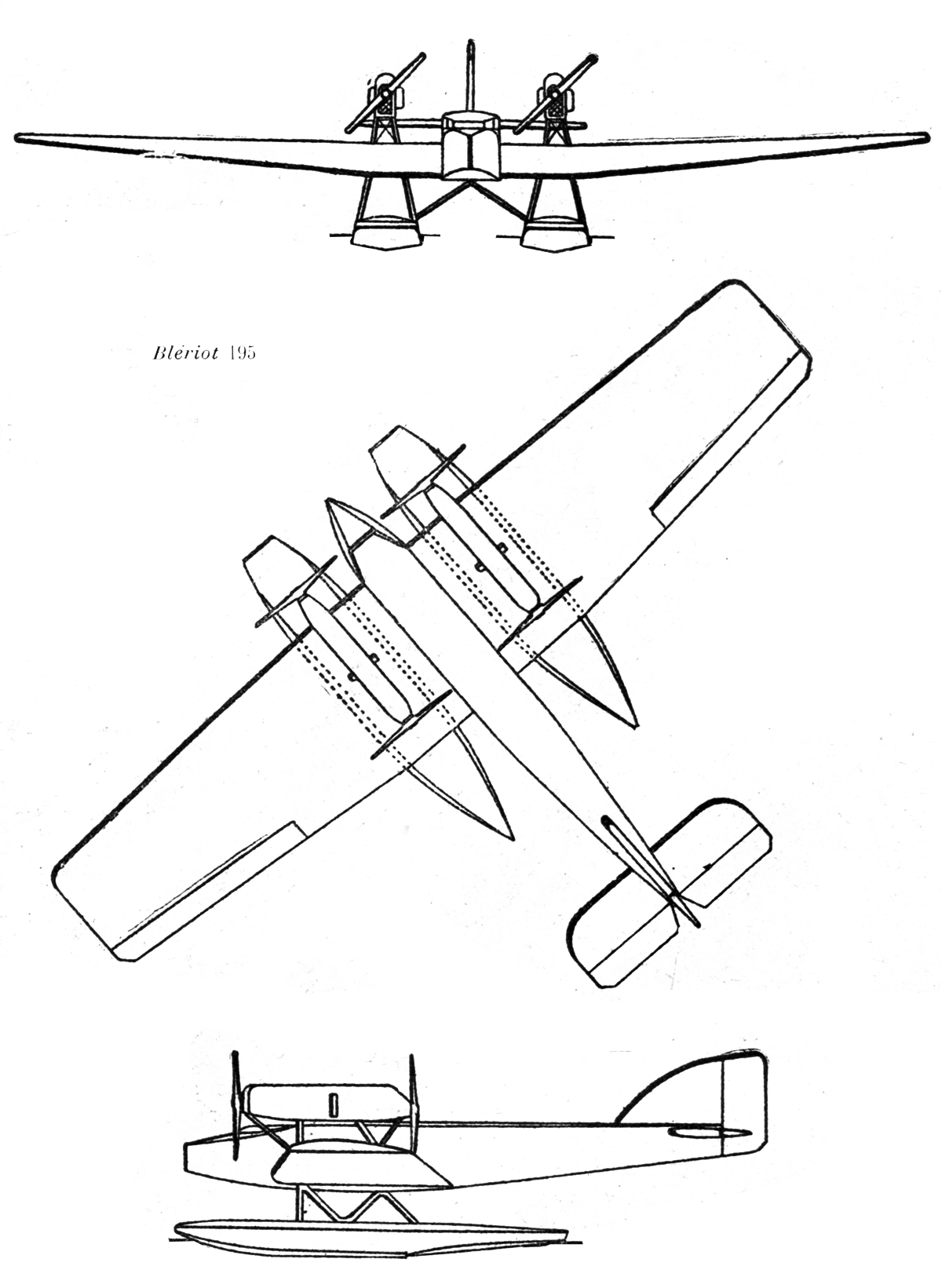 Bleriot 195 |
Equipo Editorial de ArchivoAéreo
Grupo de investigadores y entusiastas de la aviación dedicados a documentar y preservar la historia aeronáutica mundial. Todos los artículos son revisados para garantizar precisión histórica.
Fuentes y Rigurosidad
La información presentada en esta ficha técnica ha sido compilada a partir de manuales de vuelo desclasificados, archivos históricos y bibliografía especializada. Aunque nos esforzamos por mantener la máxima precisión, algunos datos de rendimiento pueden variar según la variante específica o las condiciones operativas.