Britten-Norman BN-3 Nymph
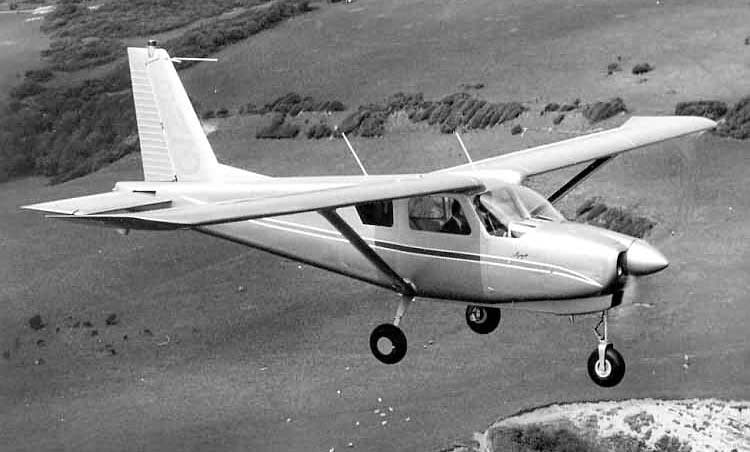
The Britten-Norman BN-3 Nymph: Origins and Design
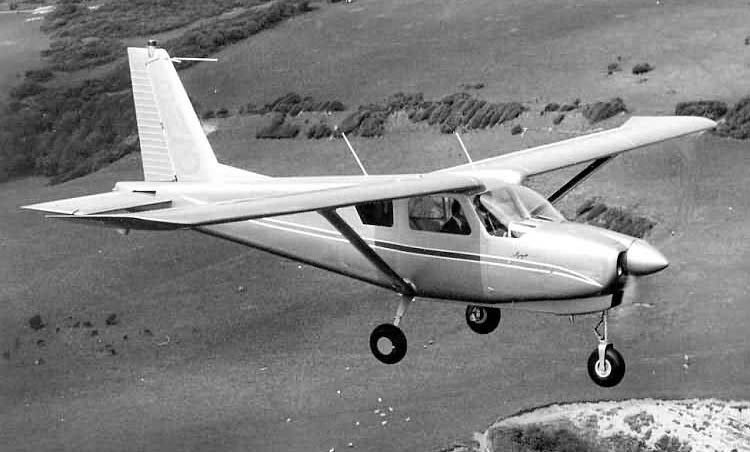
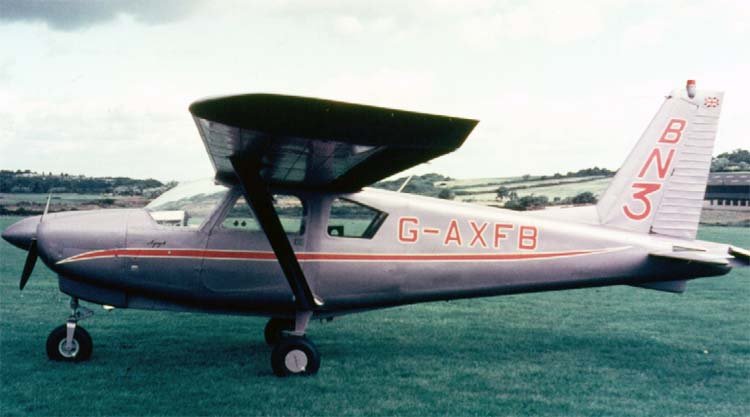
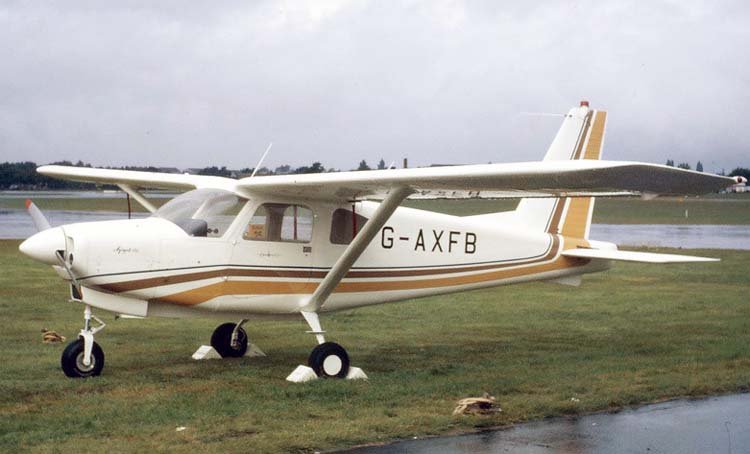
In the late 1960s, Desmond Norman and John Britten began designing a new light multi-purpose aircraft, designated the Britten-Norman BN-3 Nymph. This aircraft was conceived as a four-seat, all-metal high-wing monoplane.
The BN-3 Nymph was equipped with a Lycoming O-235-C1B engine, delivering 115 horsepower. Its design aimed to offer versatility for various applications, a common objective for light aviation during that period.
Development and First Flight
The prototype of the Britten-Norman BN-3 Nymph, registered as G-AXFB, made its maiden flight on May 17, 1969. Despite exhibiting promising flight characteristics and generally acceptable performance, the aircraft failed to attract sufficient orders or find a significant market for serial production.
This outcome meant the project did not advance beyond the prototype stage. However, its legacy continued; Desmond Norman later leveraged some of its experience and design when creating his own aircraft, the NAC-1 Freelance, incorporating lessons learned from the Nymph.
Technical Specifications
| Modification | BN-3 |
| Wingspan, m | 11.98 |
| Length, m | 7.20 |
| Height, m | 2.90 |
| Wing area, m2 | 15.70 |
| Empty weight | 517 |
| Maximum takeoff weight | 873 |
| Engine type | 1 Piston engine Lycoming O-235-C1B |
| Power, hp | 1 x 115 |
| Max diving speed, km/h | 188 |
| Cruising speed, km/h | 182 |
| Practical range, km | 966 |
| Maximum rate of climb, m/min | 180 |
| Practical ceiling, m | 3414 |
| Crew, crew members | 1 |
| Payload: | 3 passengers |
Image and diagram gallery of the Britten-Norman BN-3 Nymph
 BN-3 Nymph |
 BN-3 Nymph |
 BN-3 Nymph |
ArchivoAéreo Editorial Team
A group of aviation researchers and enthusiasts dedicated to documenting and preserving global aeronautical history. All articles are reviewed to ensure historical accuracy.
Sources & Accuracy
The information presented in this technical sheet has been compiled from declassified flight manuals, historical archives, and specialized literature. While we strive for maximum accuracy, some performance data may vary depending on the specific variant or operational conditions.