Britten-Norman BN-3 Nymph
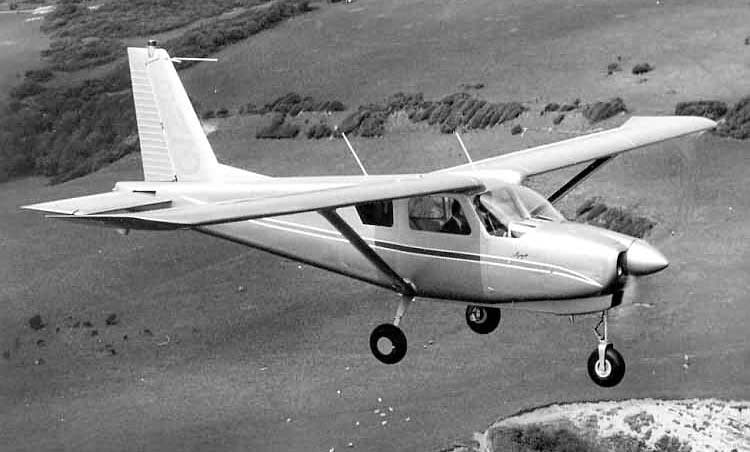
The Britten-Norman BN-3 Nymph: Origins and Design
In the late 1960s, Desmond Norman and John Britten began designing a new light multi-purpose aircraft, designated the Britten-Norman BN-3 Nymph. This aircraft was conceived as a four-seat, all-metal high-wing monoplane.
The BN-3 Nymph was equipped with a Lycoming O-235-C1B engine, delivering 115 horsepower. Its design aimed to offer versatility for various applications, a common objective for light aviation during that period.
Development and First Flight
The prototype of the Britten-Norman BN-3 Nymph, registered as G-AXFB, made its maiden flight on May 17, 1969. Despite exhibiting promising flight characteristics and generally acceptable performance, the aircraft failed to attract sufficient orders or find a significant market for serial production.
This outcome meant the project did not advance beyond the prototype stage. However, its legacy continued; Desmond Norman later leveraged some of its experience and design when creating his own aircraft, the NAC-1 Freelance, incorporating lessons learned from the Nymph.
Technical Specifications
| Modification | BN-3 |
| Wingspan, m | 11.98 |
| Length, m | 7.20 |
| Height, m | 2.90 |
| Wing area, m2 | 15.70 |
| Empty weight | 517 |
| Maximum takeoff weight | 873 |
| Engine type | 1 Piston engine Lycoming O-235-C1B |
| Power, hp | 1 x 115 |
| Max diving speed, km/h | 188 |
| Cruising speed, km/h | 182 |
| Practical range, km | 966 |
| Maximum rate of climb, m/min | 180 |
| Practical ceiling, m | 3414 |
| Crew, crew members | 1 |
| Payload: | 3 passengers |
Image and diagram gallery of the Britten-Norman BN-3 Nymph
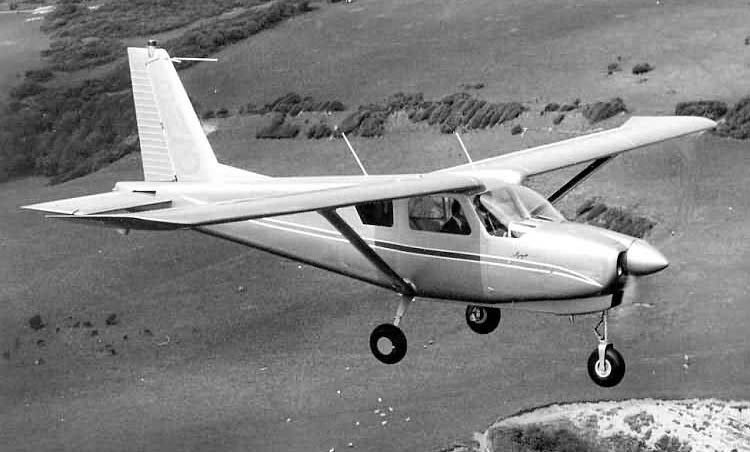 BN-3 Nymph |
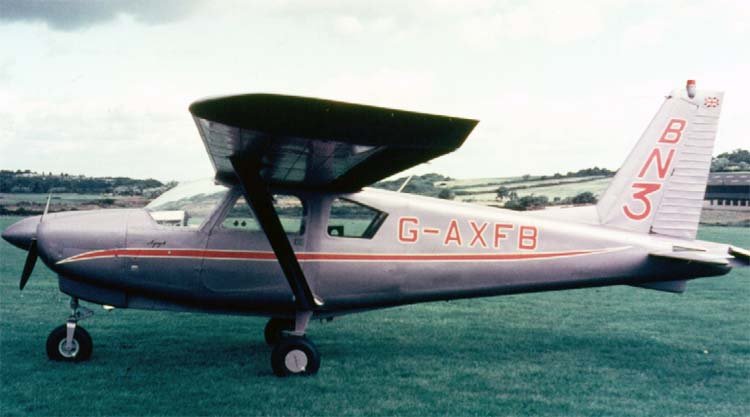 BN-3 Nymph |
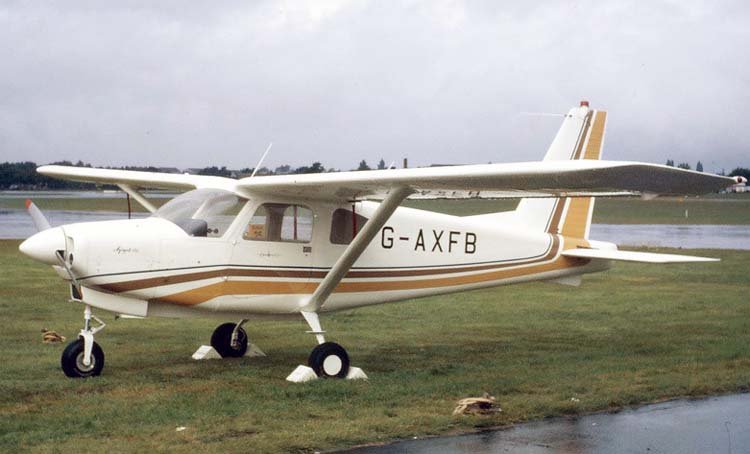 BN-3 Nymph |
Equipo Editorial de ArchivoAéreo
Grupo de investigadores y entusiastas de la aviación dedicados a documentar y preservar la historia aeronáutica mundial. Todos los artículos son revisados para garantizar precisión histórica.
Fuentes y Rigurosidad
La información presentada en esta ficha técnica ha sido compilada a partir de manuales de vuelo desclasificados, archivos históricos y bibliografía especializada. Aunque nos esforzamos por mantener la máxima precisión, algunos datos de rendimiento pueden variar según la variante específica o las condiciones operativas.