Bücker Bu.180 Student
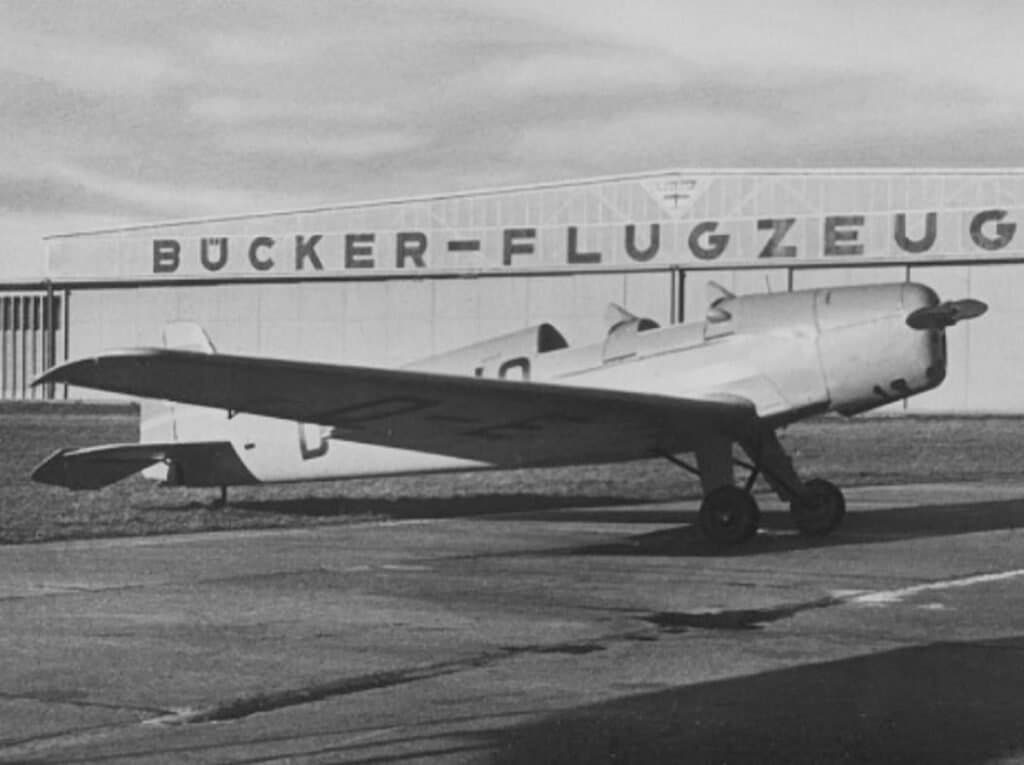
Following the serial production launch of the Bu 133, the Bücker company attempted to create a two-seater high-wing aircraft, the Bu 134. The sole prototype showed unsatisfactory characteristics during tests, leading to the cessation of further development. The firm believed that a promising training aircraft should be a monoplane, prompting work on a low-wing cantilever design.
The Bu.180 Student: Design and Features
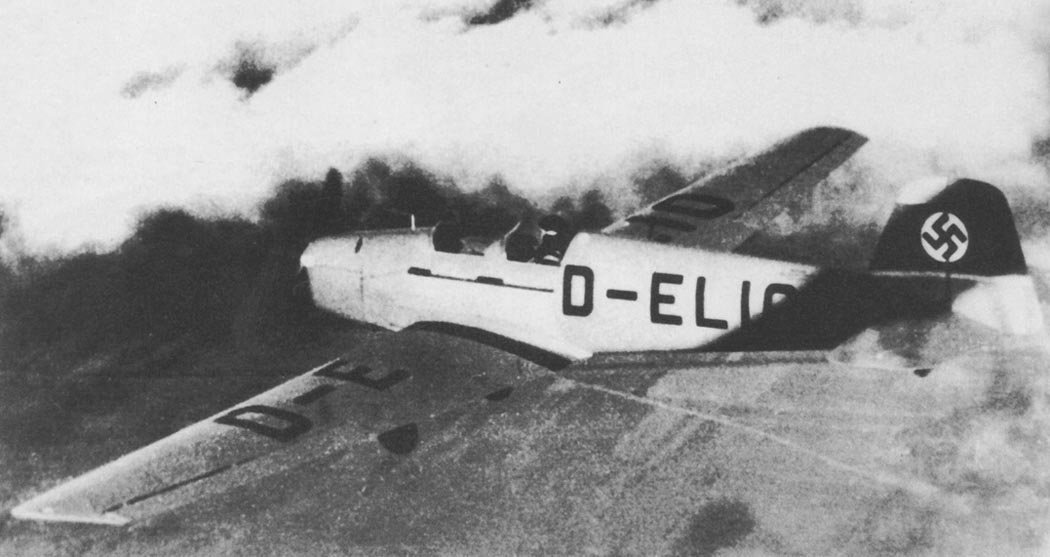
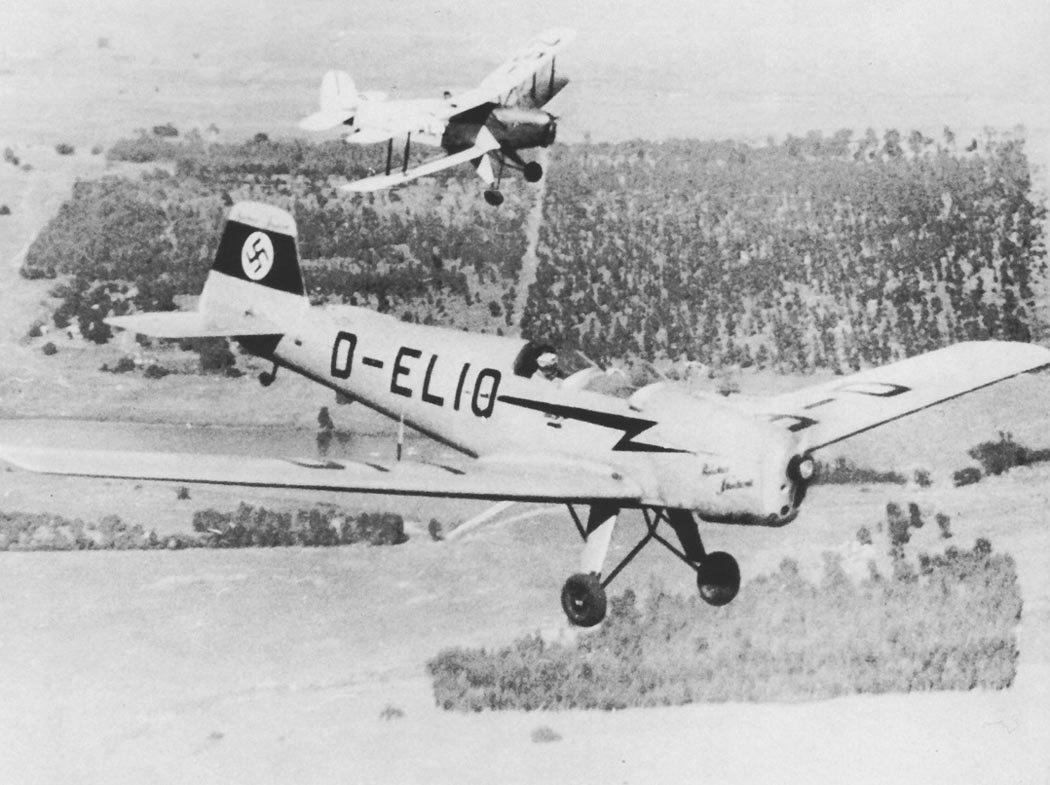
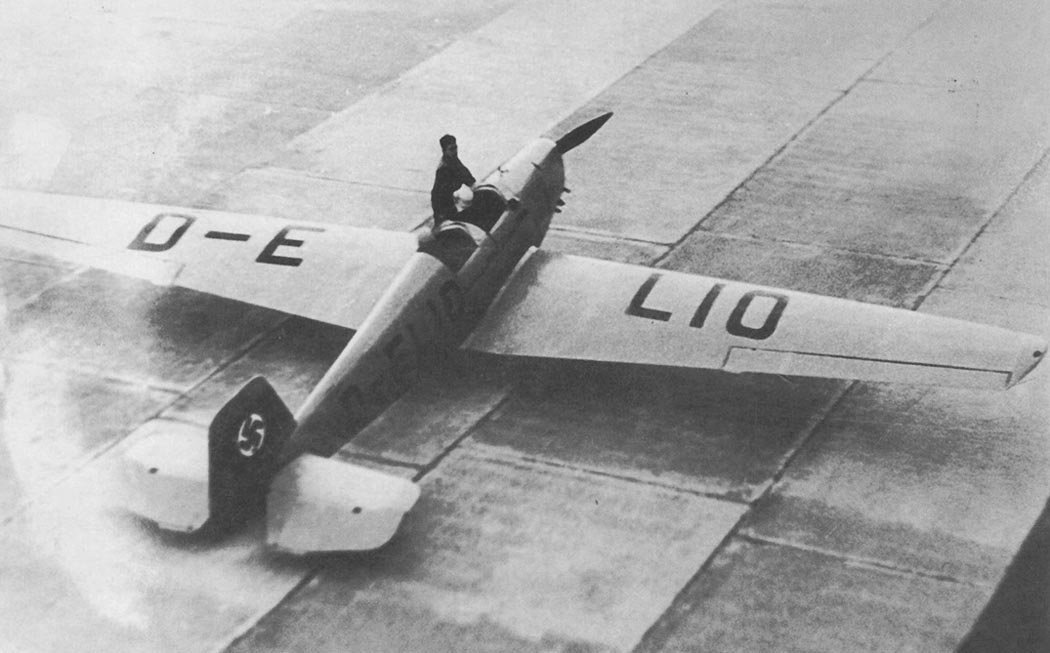
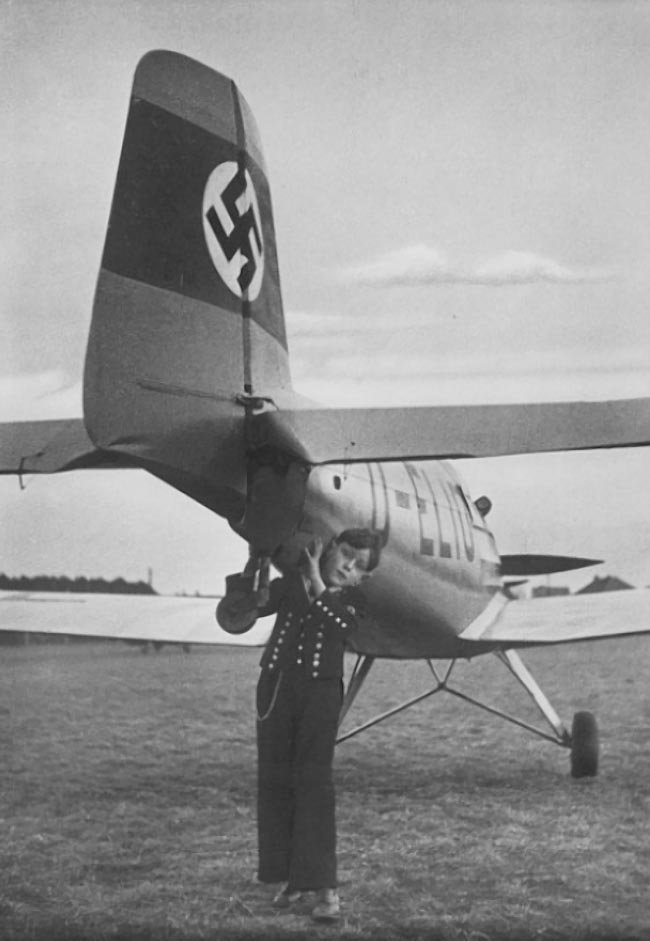
The Bu.180 Student was a monoplane featuring a wing and tail unit constructed primarily from wood, covered mainly with plywood and fabric. The forward fuselage framework was welded from steel tubes, while the aft section was a wooden monocoque. The fuselage was fabric-covered, except for the engine area, which used light alloy.
It had a fixed, three-point landing gear with a tailwheel. The aircraft was powered by either a Walter Mikron II engine (for the Bu.180B variant) or a Zundapp 9-092 (for the Bu.180A). Two crew members were accommodated in tandem in open cockpits.
Notable Achievements and Records
The prototype performed its maiden flight in the autumn of 1937, and a small series was subsequently produced for civil applications. In 1938, the aircraft participated in a Trans-African flight, covering over 25,000 kilometers. The following year, the Bu.180 broke a world record for light sport aircraft, flying over 1,000 kilometers at an average speed of 171.95 km/h.
Technical Specifications
| Modification | Bu 180B |
| Wingspan, m | 11.50 |
| Length, m | 7.10 |
| Height, m | 1.85 |
| Wing area, m2 | 15.00 |
| Empty weight | 295 |
| Maximum takeoff weight | 540 |
| Engine type | 1 Piston engine Walter Mikron II |
| Power, hp | 1 x 60 |
| Maximum speed, km/h | 175 |
| Cruising speed, km/h | 160 |
| Practical range, km | 650 |
| Service ceiling, m | 4500 |
| Crew | 2 crew |
Image and diagram gallery of the Bücker Bu.180 Student
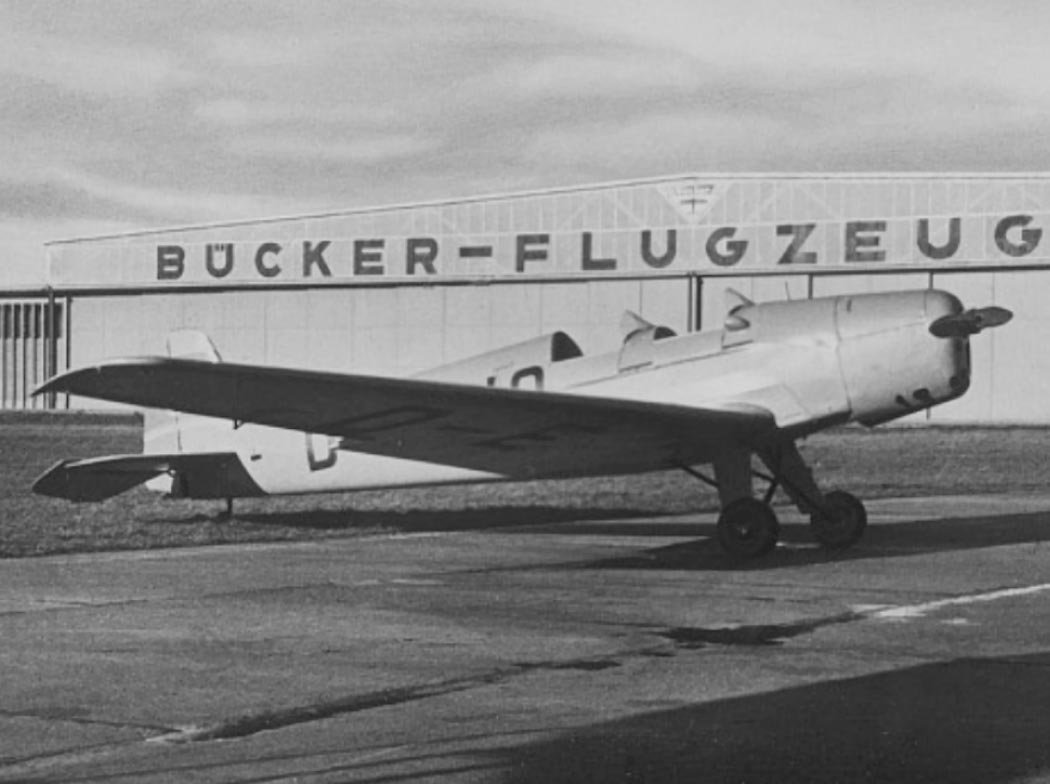 Bu.180 Student |
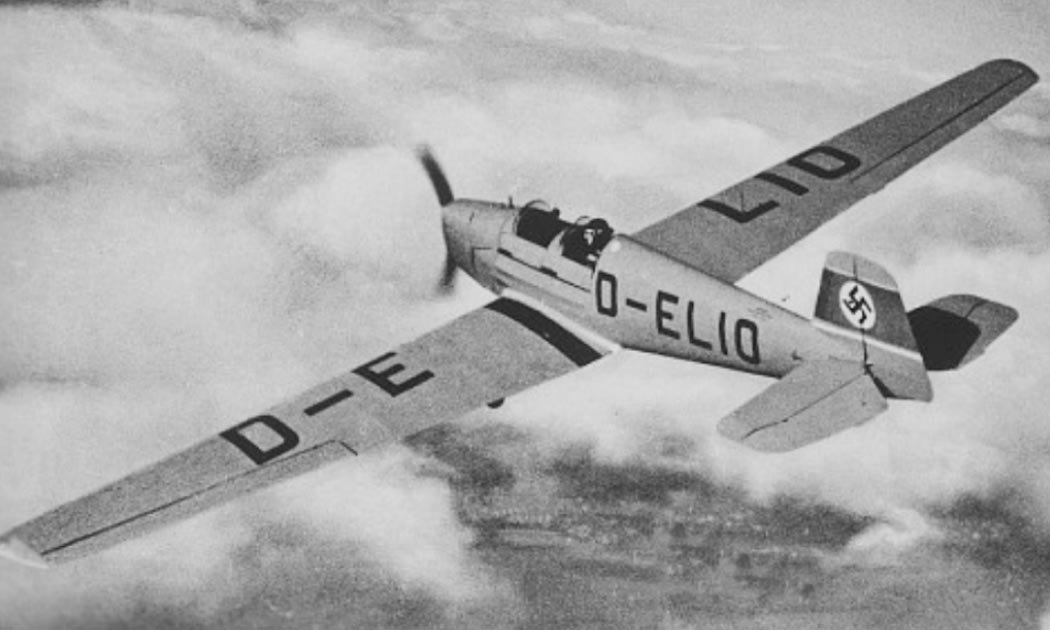 Bu.180 Student |
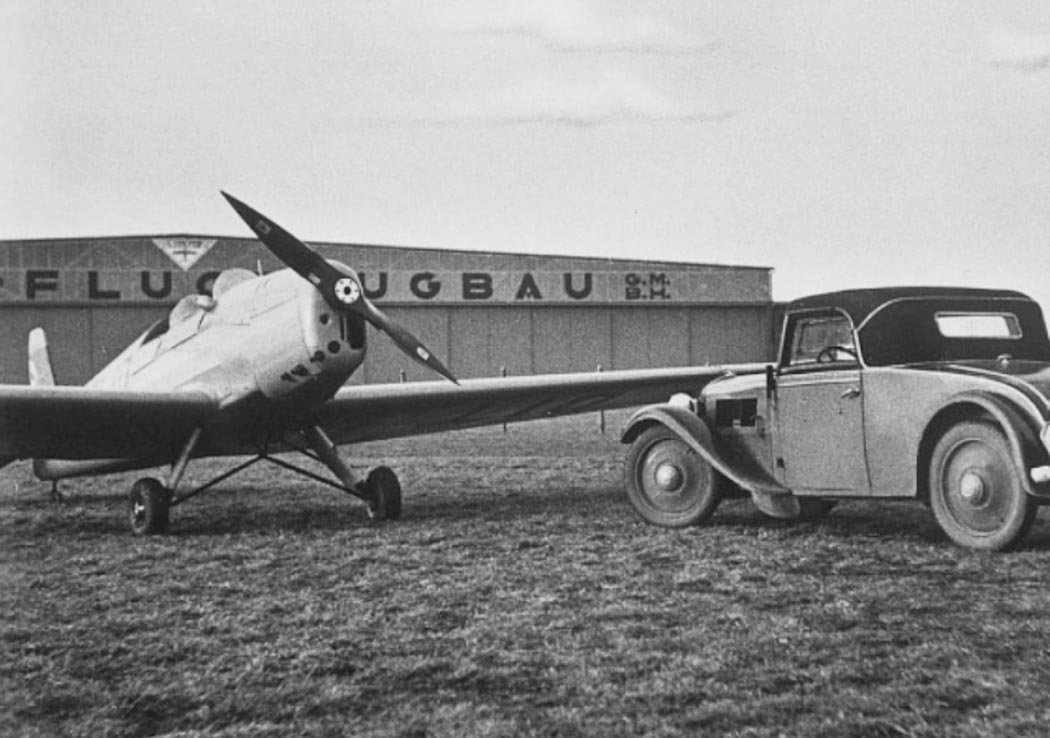 Bu.180 Student |
 Bu.180 Student |
 Bu.180 Student |
 Bu.180 Student |
 Bu.180 Student |
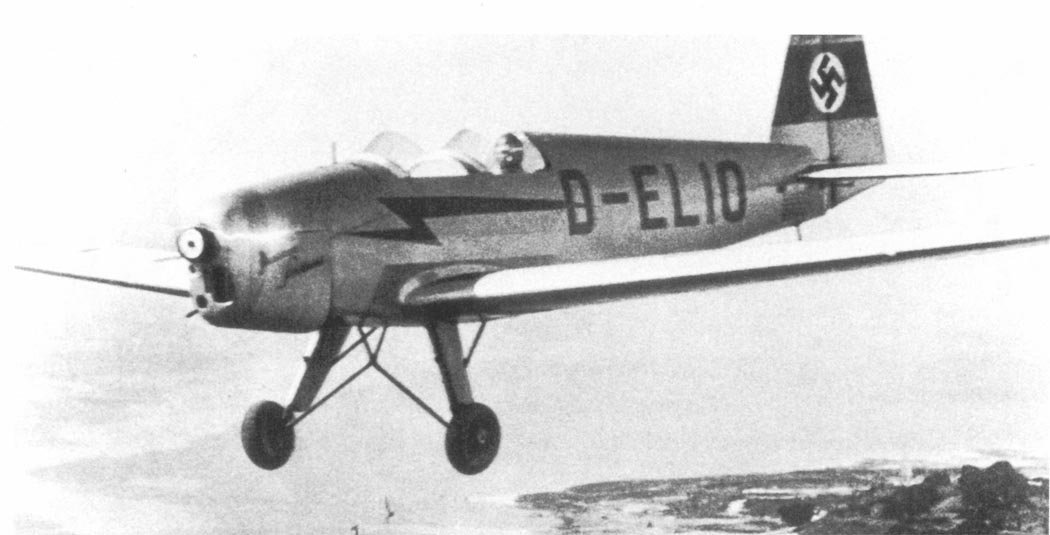 Bu.180 Student |
 Bu.180 Student |
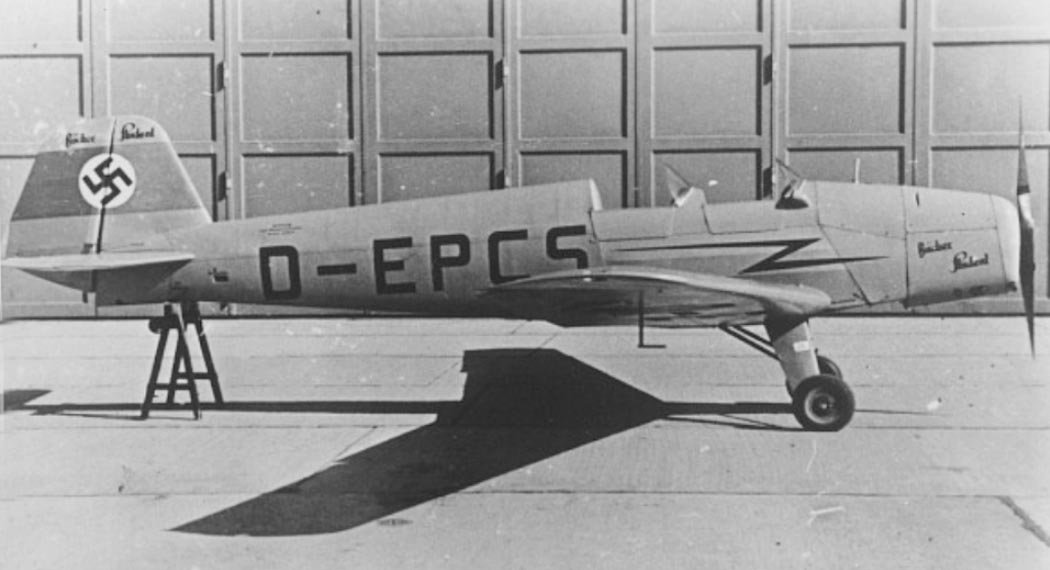 Bu.180 Student |
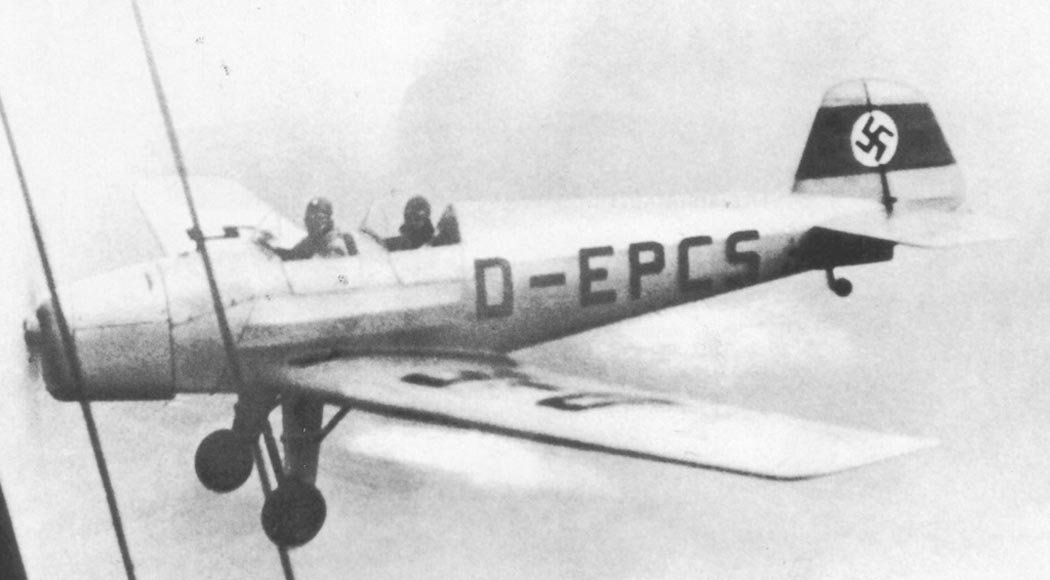 Bu.180 Student |
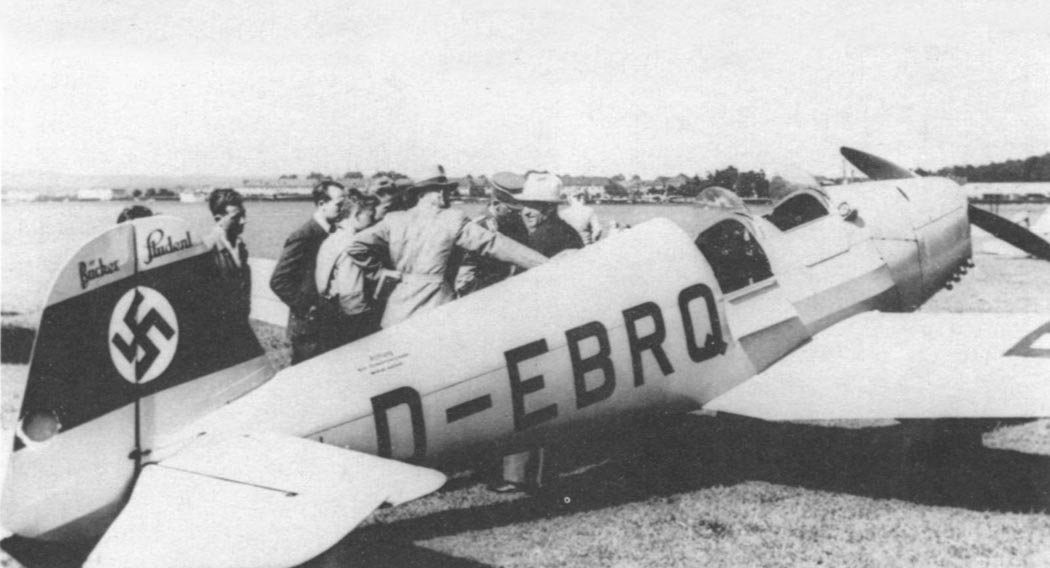 Bu.180 Student |
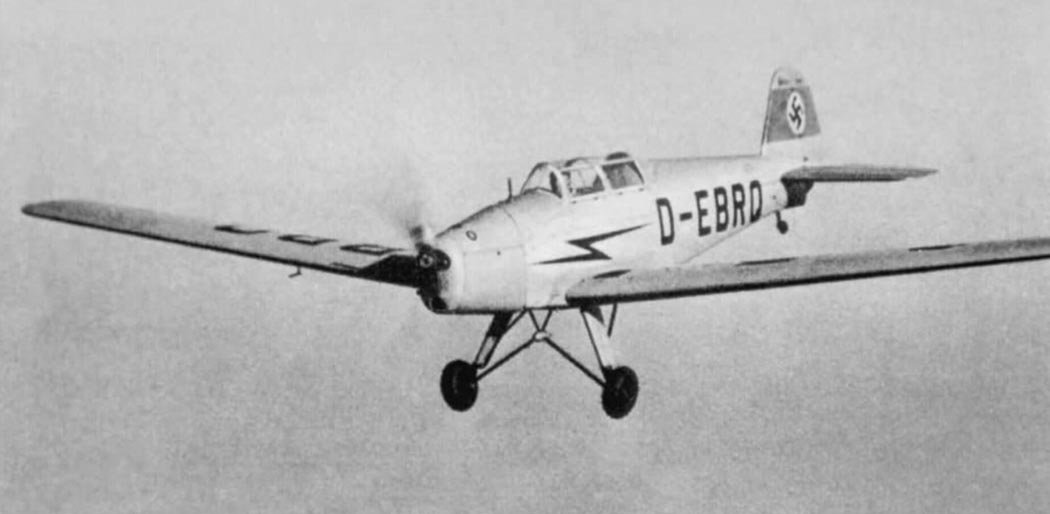 Bu.180 Student |
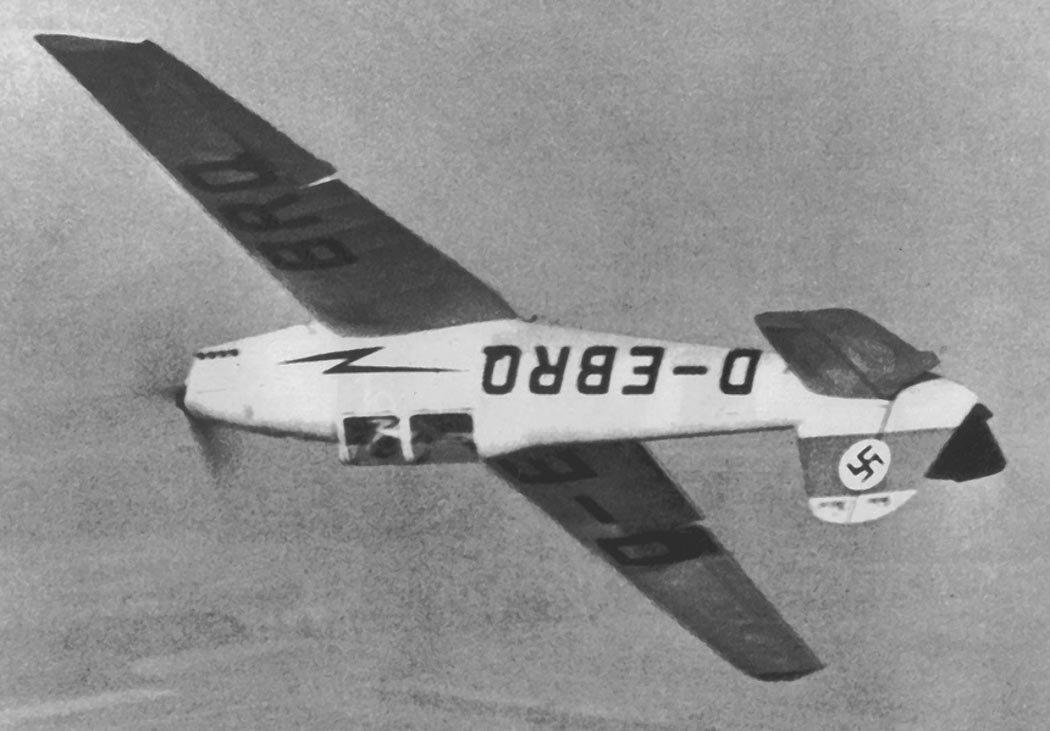 Bu.180 Student |
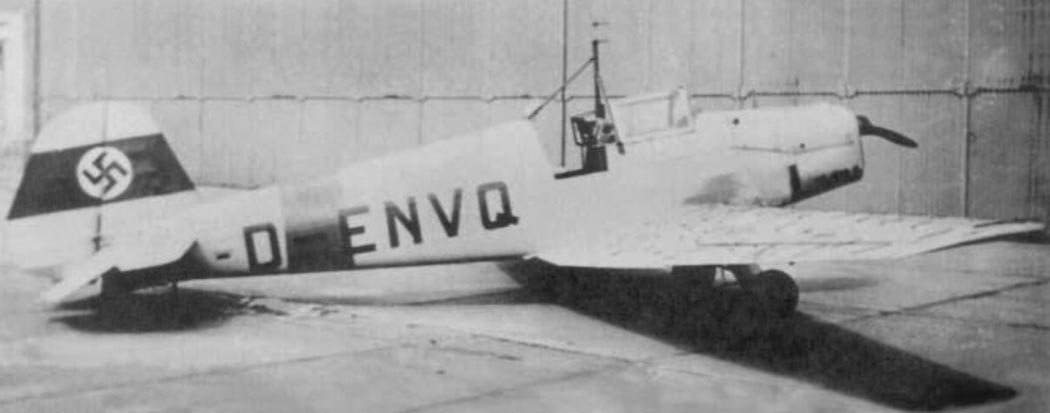 Bu.180 Student |
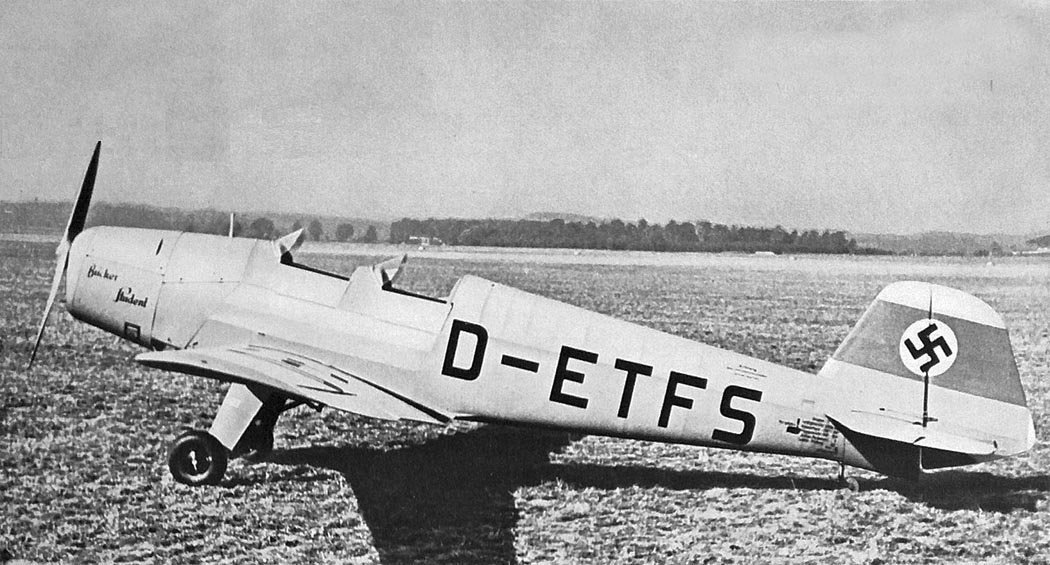 Bu.180 Student |
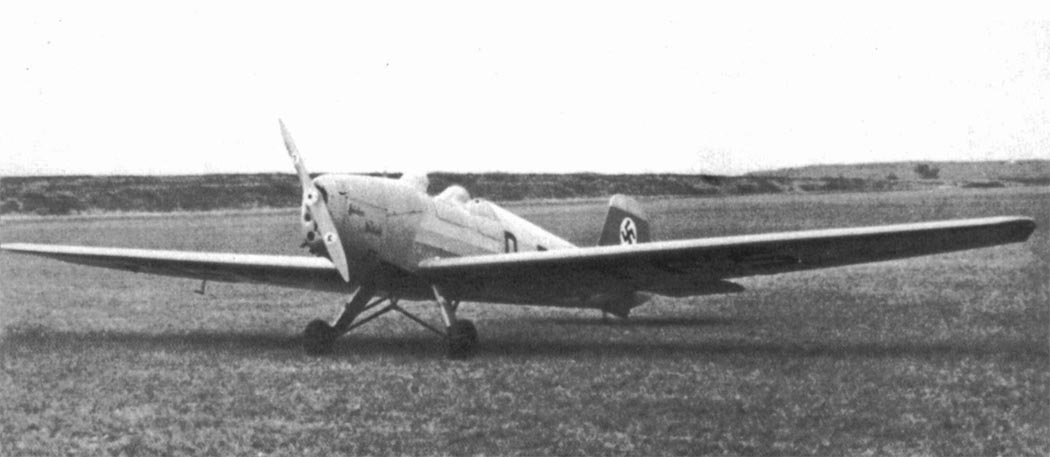 Bu.180 Student |
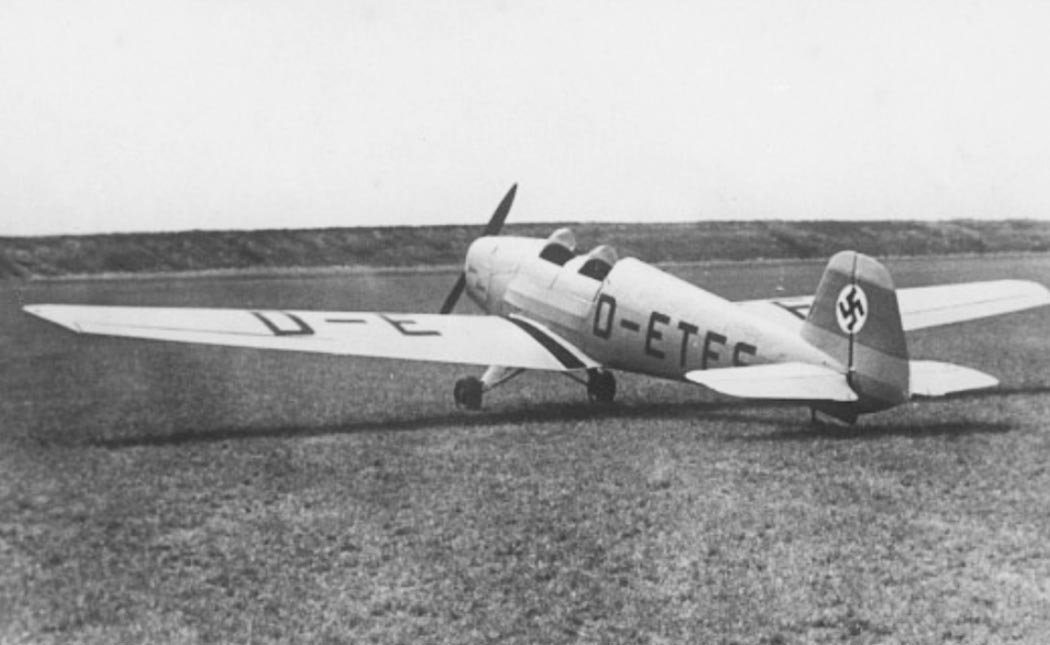 Bu.180 Student |
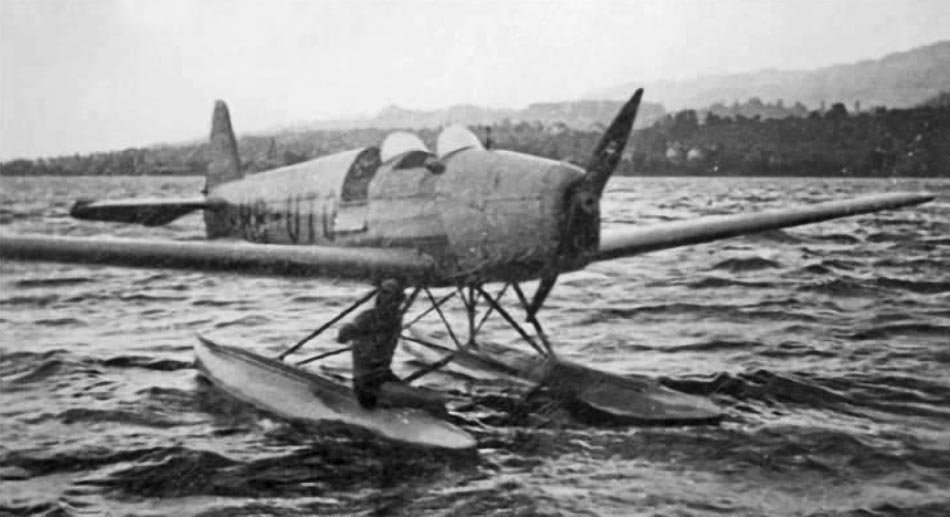 Bu.180 Student |
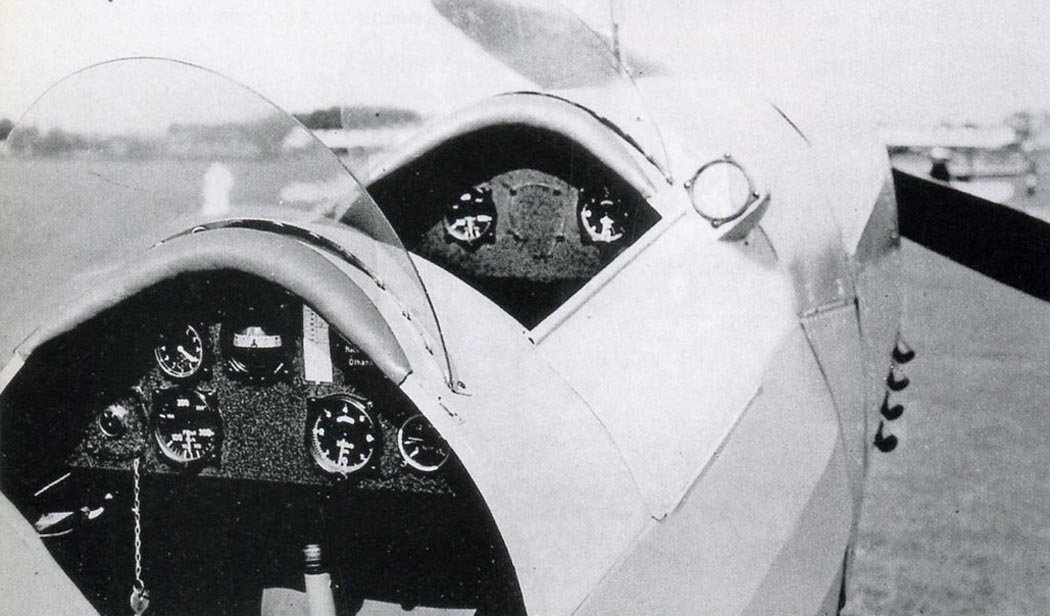 Bu.180 Student |
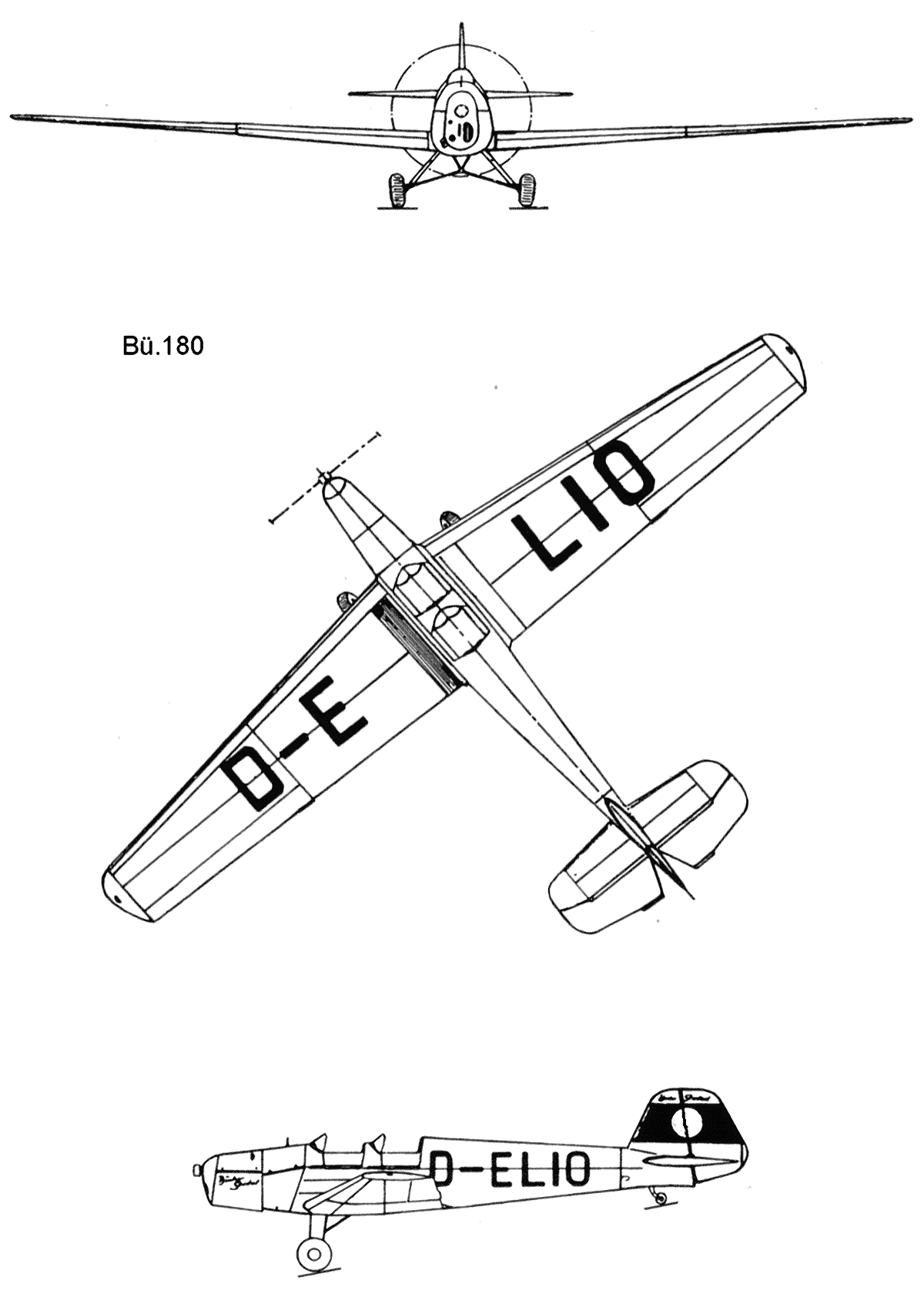 Bu.180 Student |
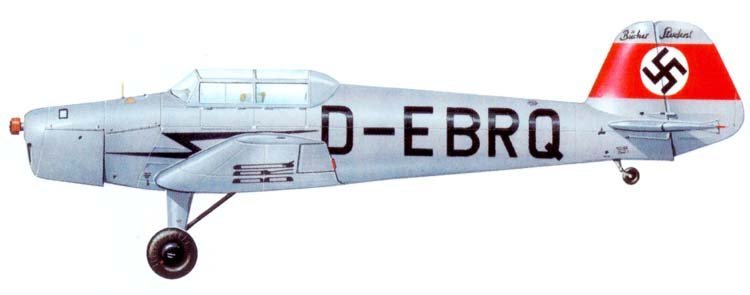 Bu.180 Student |
ArchivoAéreo Editorial Team
A group of aviation researchers and enthusiasts dedicated to documenting and preserving global aeronautical history. All articles are reviewed to ensure historical accuracy.
Sources & Accuracy
The information presented in this technical sheet has been compiled from declassified flight manuals, historical archives, and specialized literature. While we strive for maximum accuracy, some performance data may vary depending on the specific variant or operational conditions.