Bücker Bu.180 Student
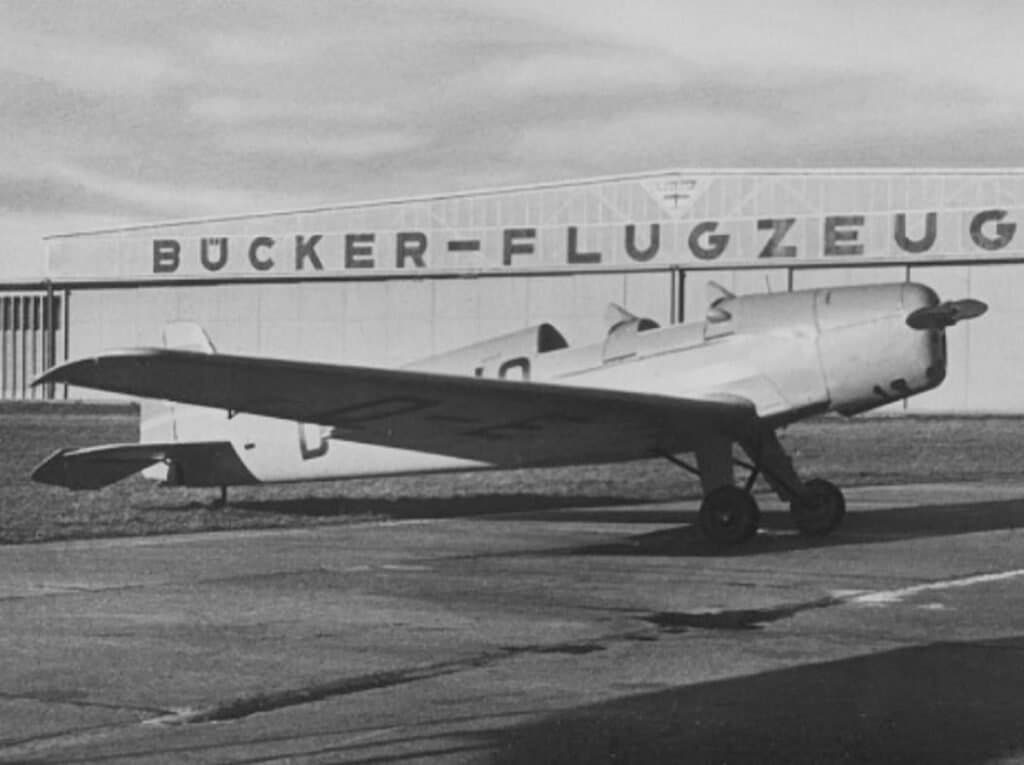
Following the serial production launch of the Bu 133, the Bücker company attempted to create a two-seater high-wing aircraft, the Bu 134. The sole prototype showed unsatisfactory characteristics during tests, leading to the cessation of further development. The firm believed that a promising training aircraft should be a monoplane, prompting work on a low-wing cantilever design.
The Bu.180 Student: Design and Features
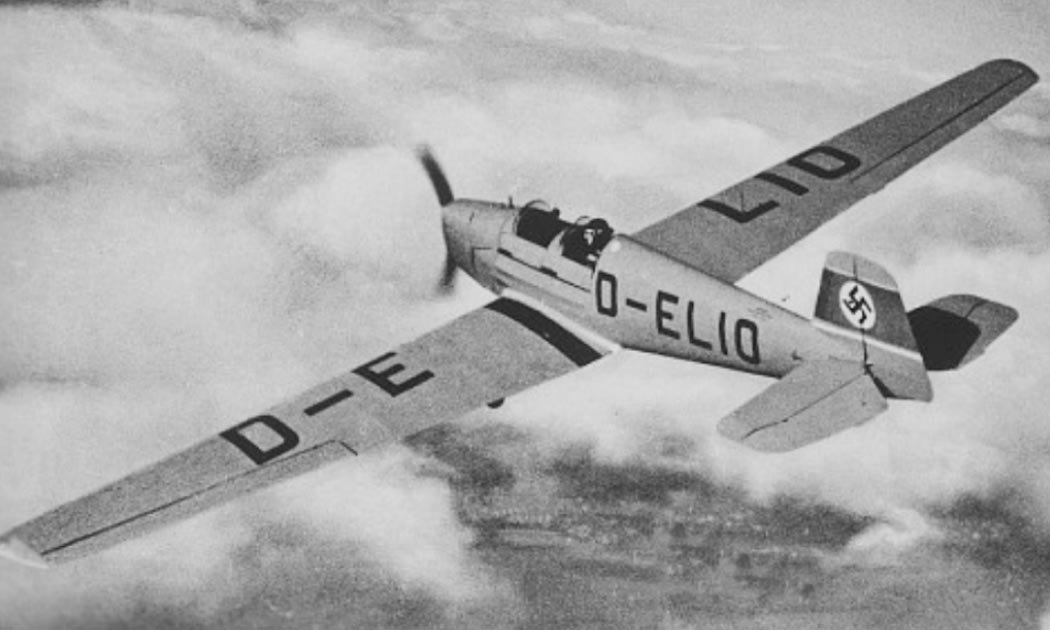
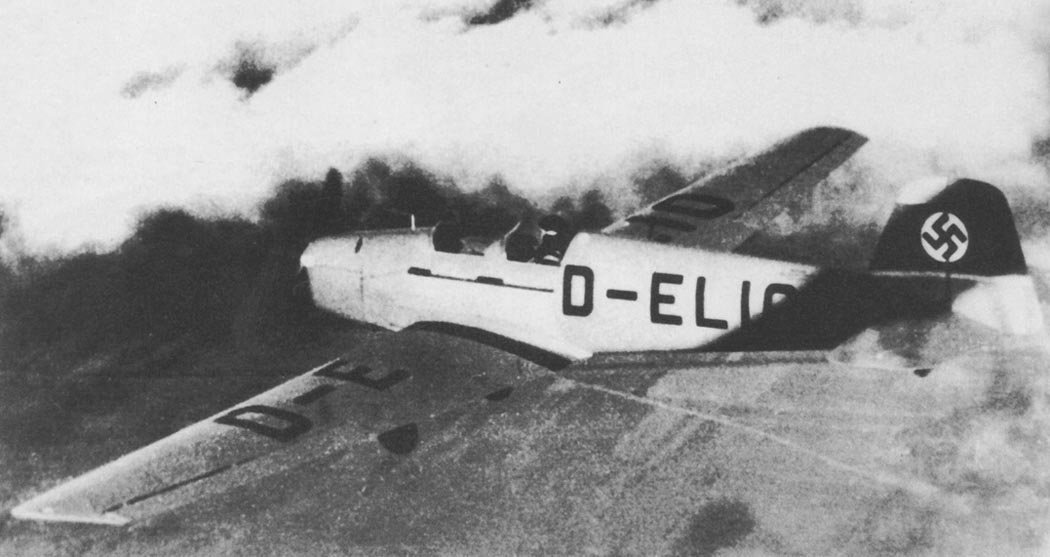
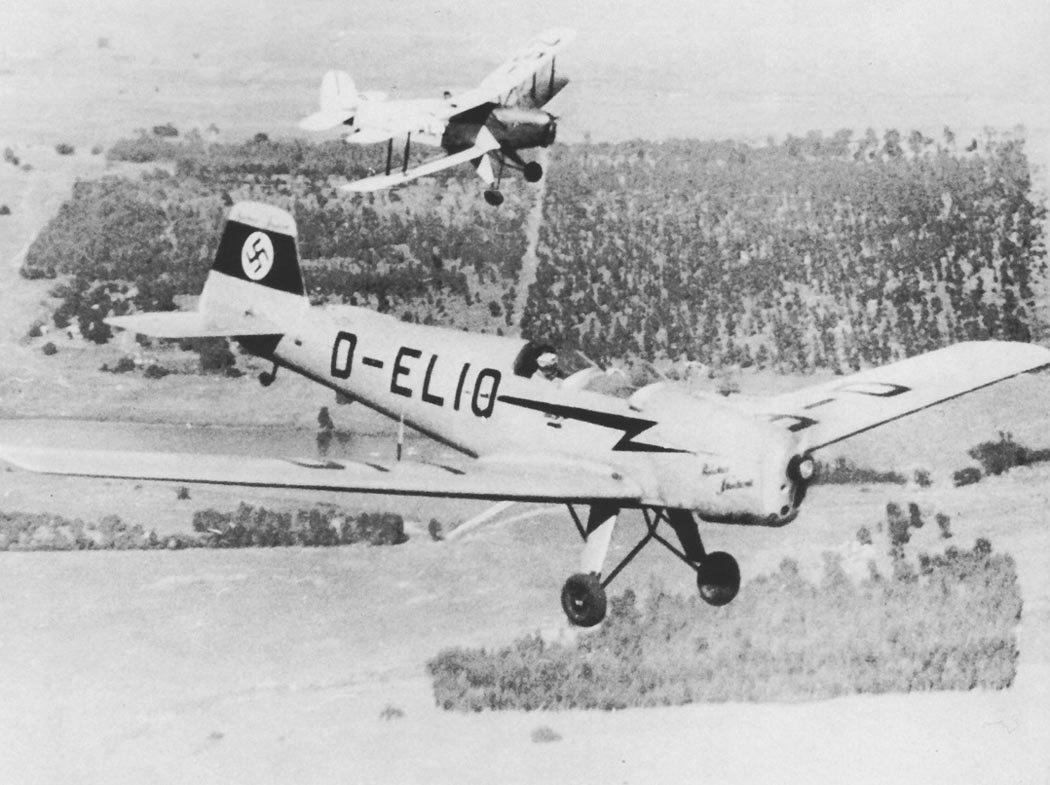
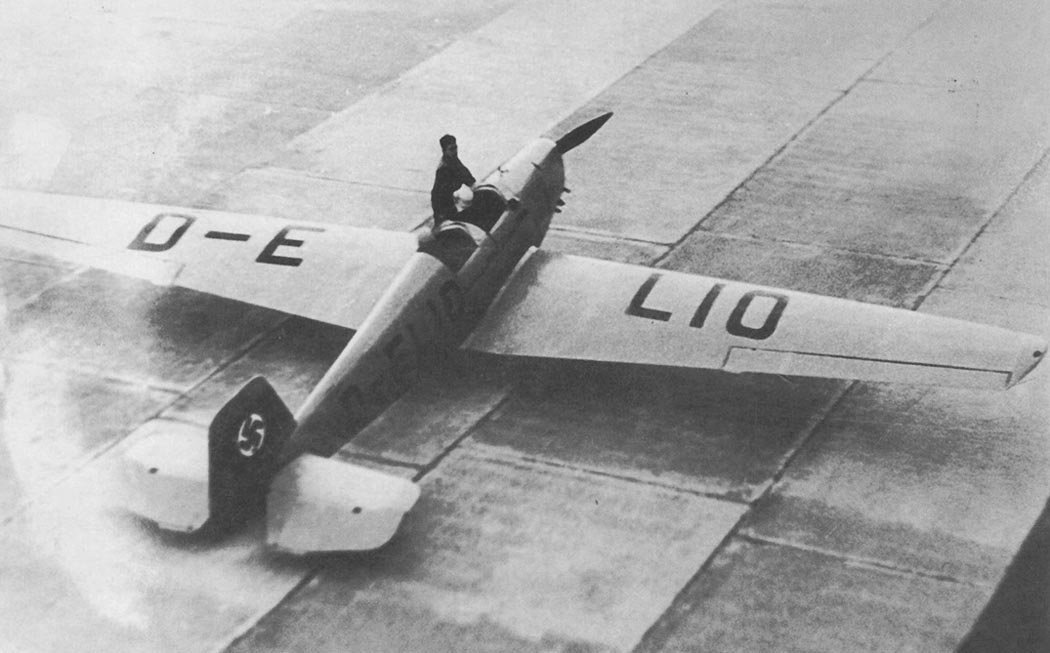
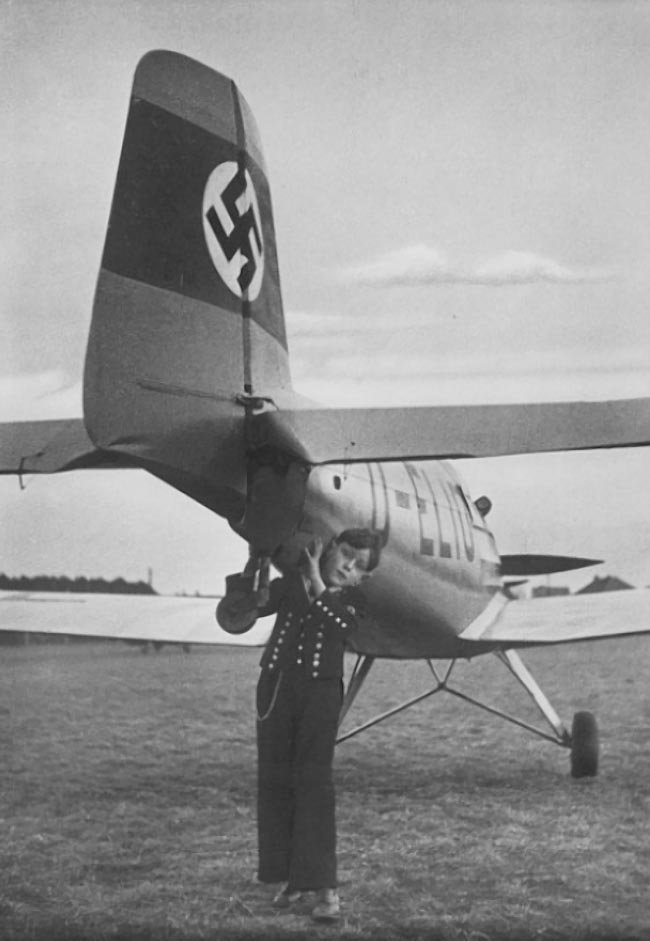
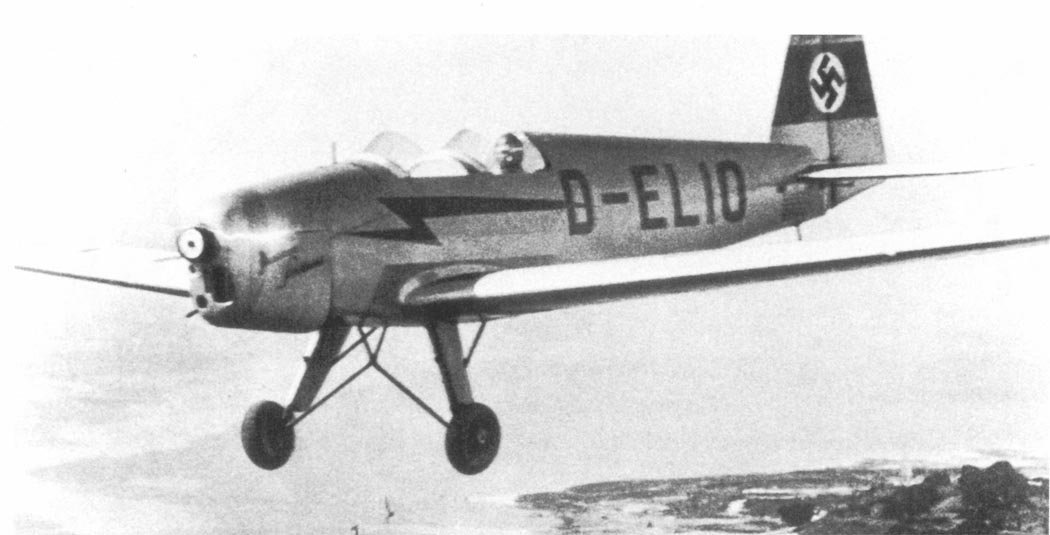
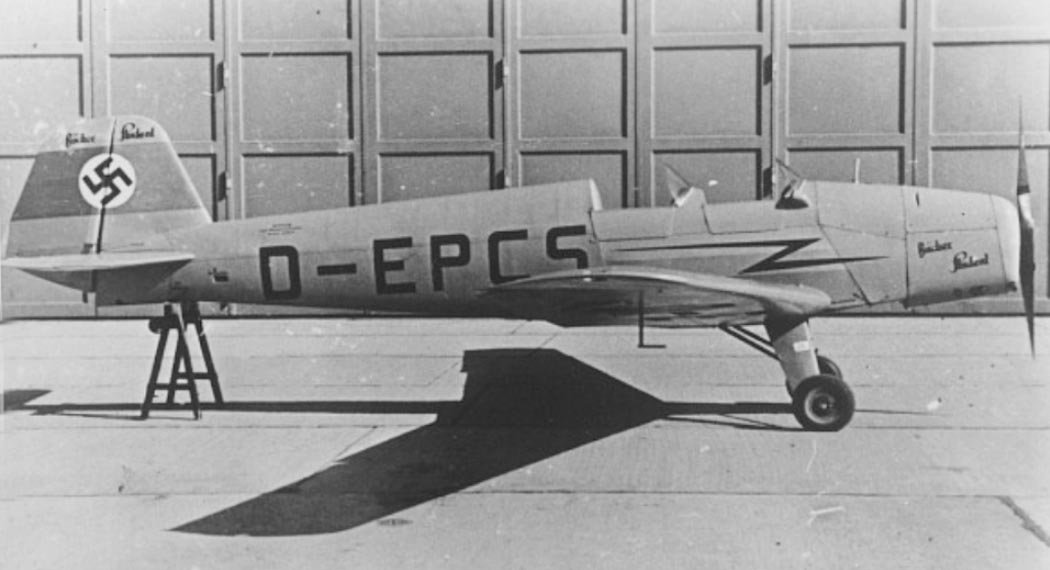
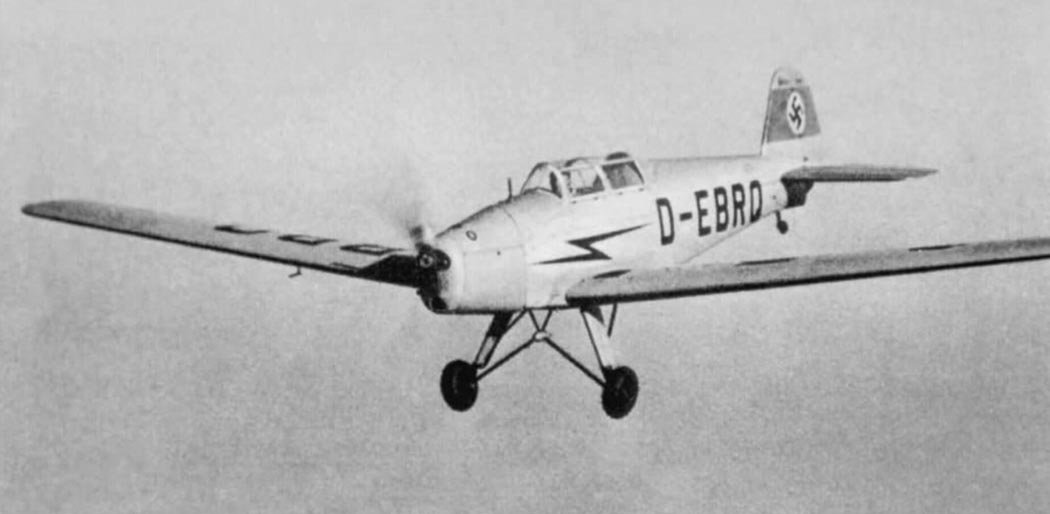
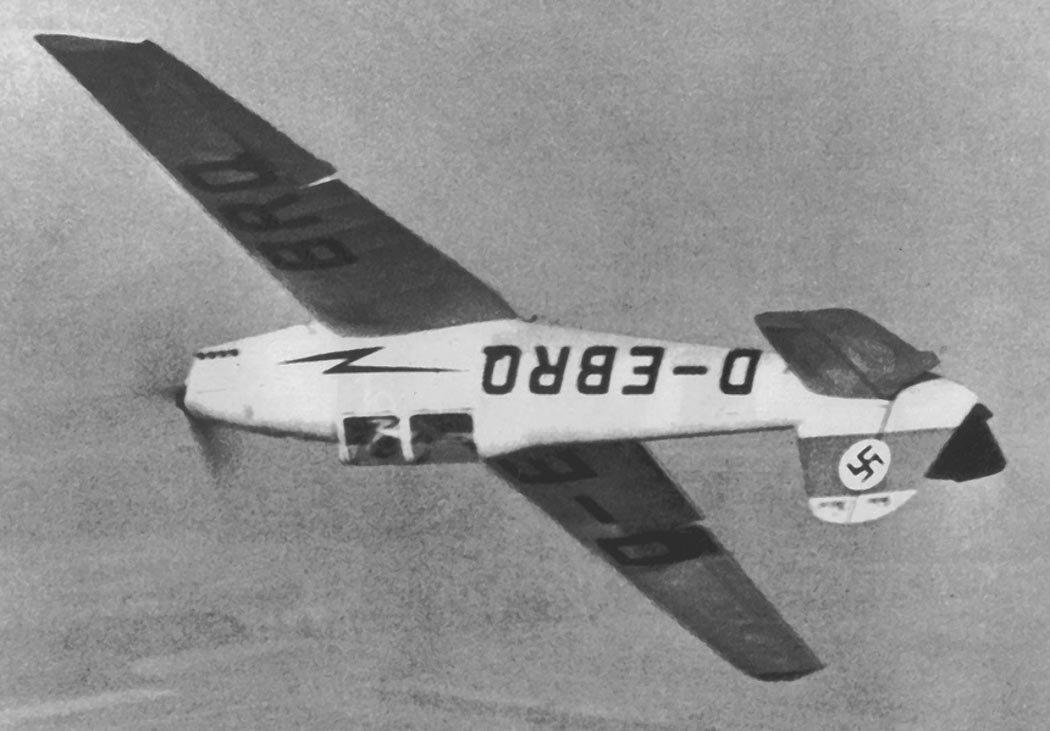
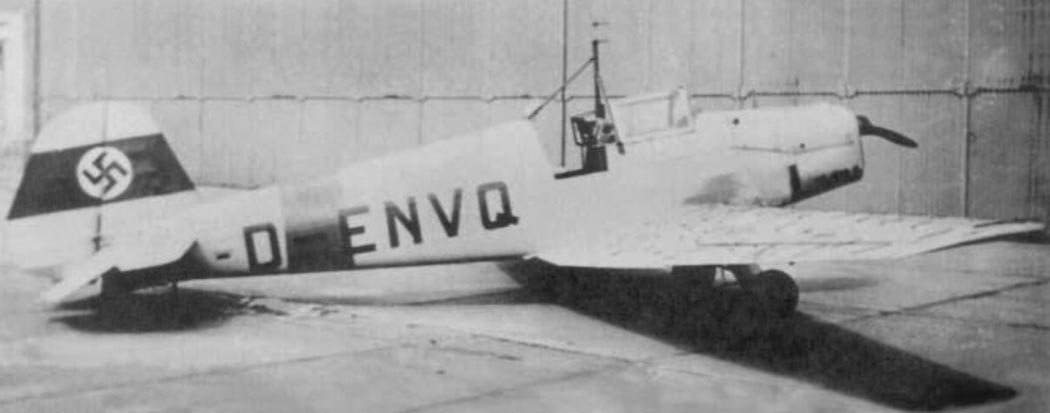
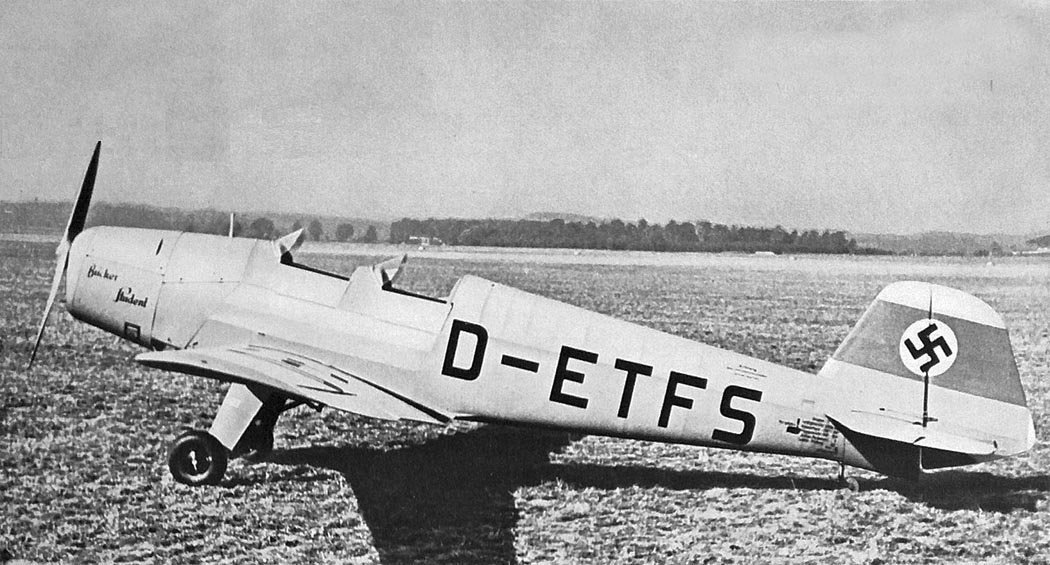
The Bu.180 Student was a monoplane featuring a wing and tail unit constructed primarily from wood, covered mainly with plywood and fabric. The forward fuselage framework was welded from steel tubes, while the aft section was a wooden monocoque. The fuselage was fabric-covered, except for the engine area, which used light alloy.
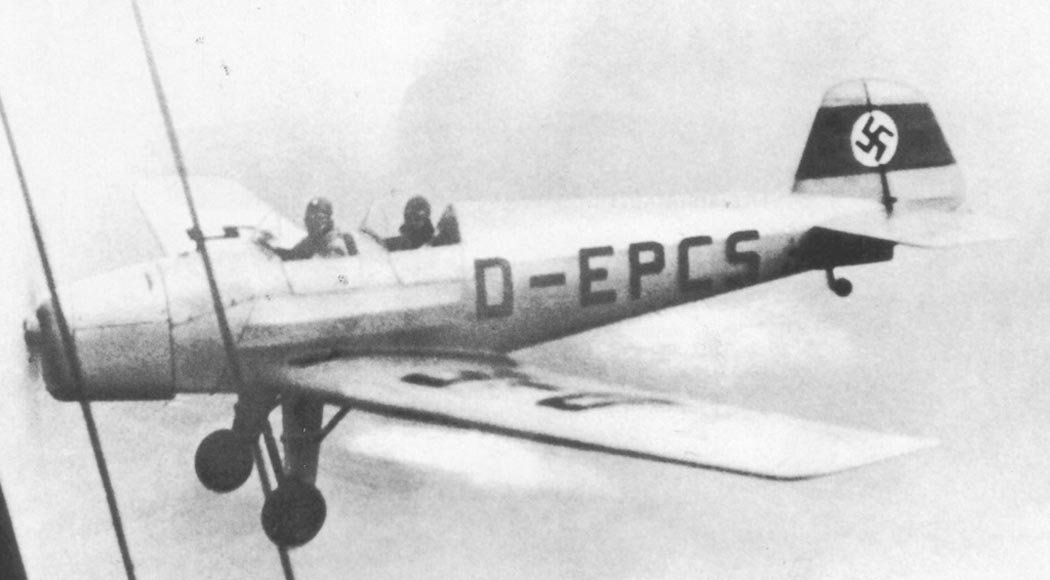
It had a fixed, three-point landing gear with a tailwheel. The aircraft was powered by either a Walter Mikron II engine (for the Bu.180B variant) or a Zundapp 9-092 (for the Bu.180A). Two crew members were accommodated in tandem in open cockpits.
Notable Achievements and Records
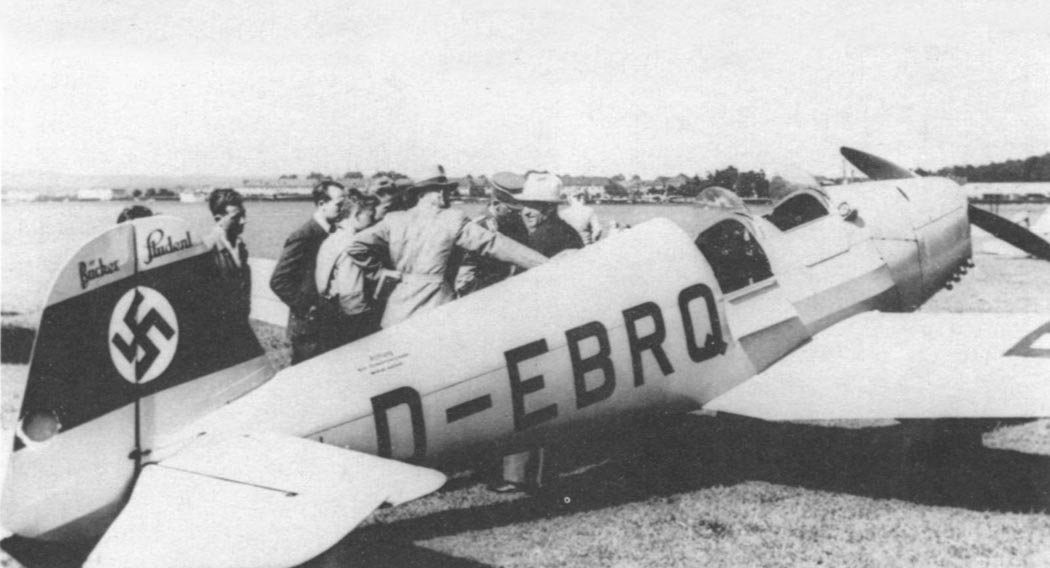
The prototype performed its maiden flight in the autumn of 1937, and a small series was subsequently produced for civil applications. In 1938, the aircraft participated in a Trans-African flight, covering over 25,000 kilometers. The following year, the Bu.180 broke a world record for light sport aircraft, flying over 1,000 kilometers at an average speed of 171.95 km/h.
Technical Specifications
| Modification | Bu 180B |
| Wingspan, m | 11.50 |
| Length, m | 7.10 |
| Height, m | 1.85 |
| Wing area, m2 | 15.00 |
| Empty weight | 295 |
| Maximum takeoff weight | 540 |
| Engine type | 1 Piston engine Walter Mikron II |
| Power, hp | 1 x 60 |
| Maximum speed, km/h | 175 |
| Cruising speed, km/h | 160 |
| Practical range, km | 650 |
| Service ceiling, m | 4500 |
| Crew | 2 crew |
Image and diagram gallery of the Bücker Bu.180 Student
 Bu.180 Student |
 Bu.180 Student |
 Bu.180 Student |
 Bu.180 Student |
 Bu.180 Student |
 Bu.180 Student |
 Bu.180 Student |
 Bu.180 Student |
 Bu.180 Student |
 Bu.180 Student |
 Bu.180 Student |
 Bu.180 Student |
 Bu.180 Student |
 Bu.180 Student |
 Bu.180 Student |
 Bu.180 Student |
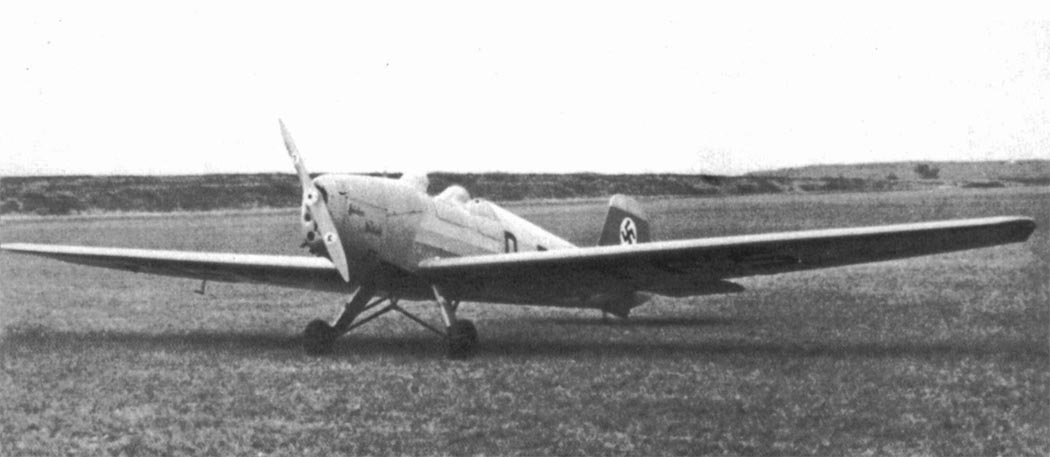 Bu.180 Student |
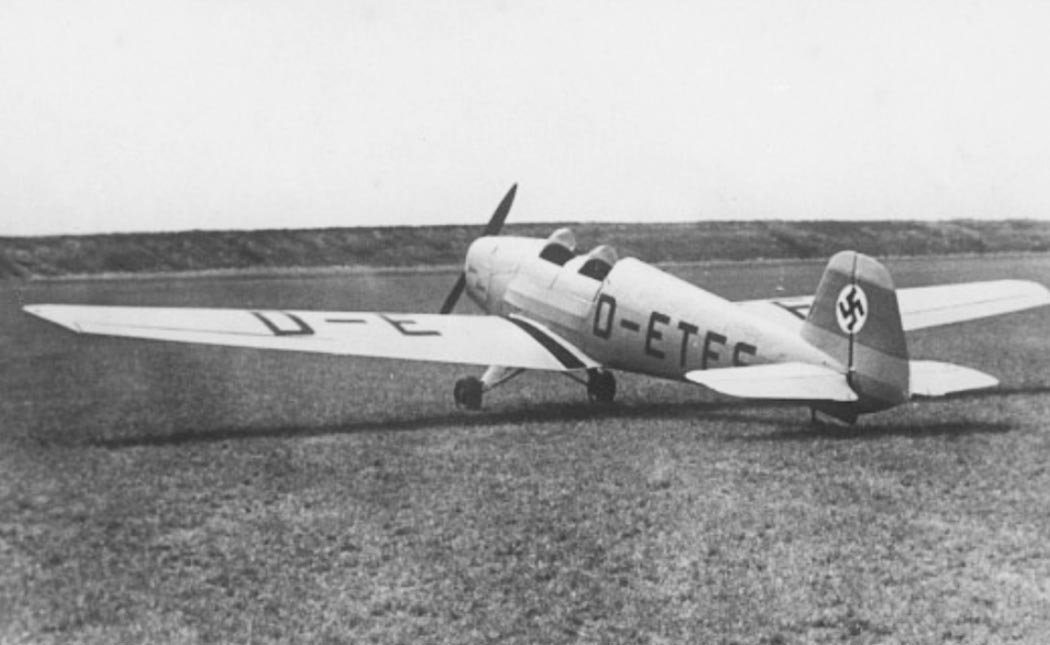 Bu.180 Student |
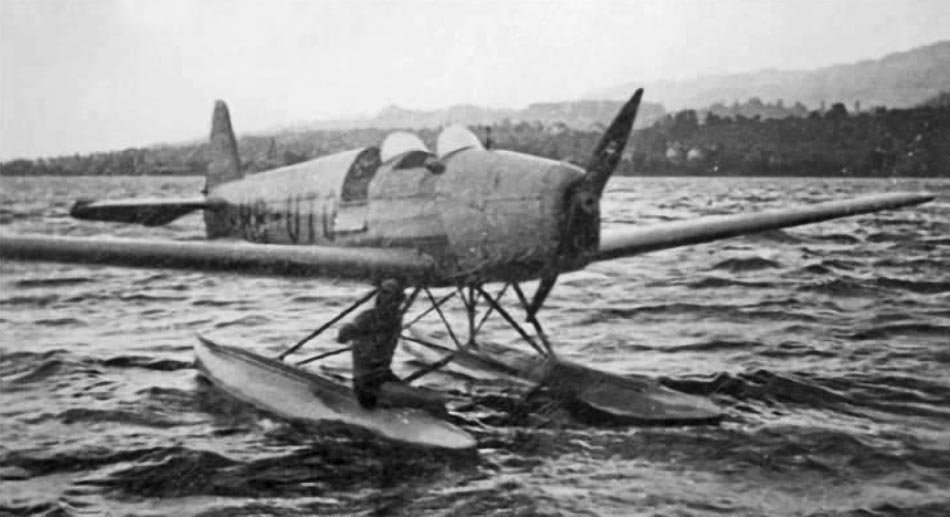 Bu.180 Student |
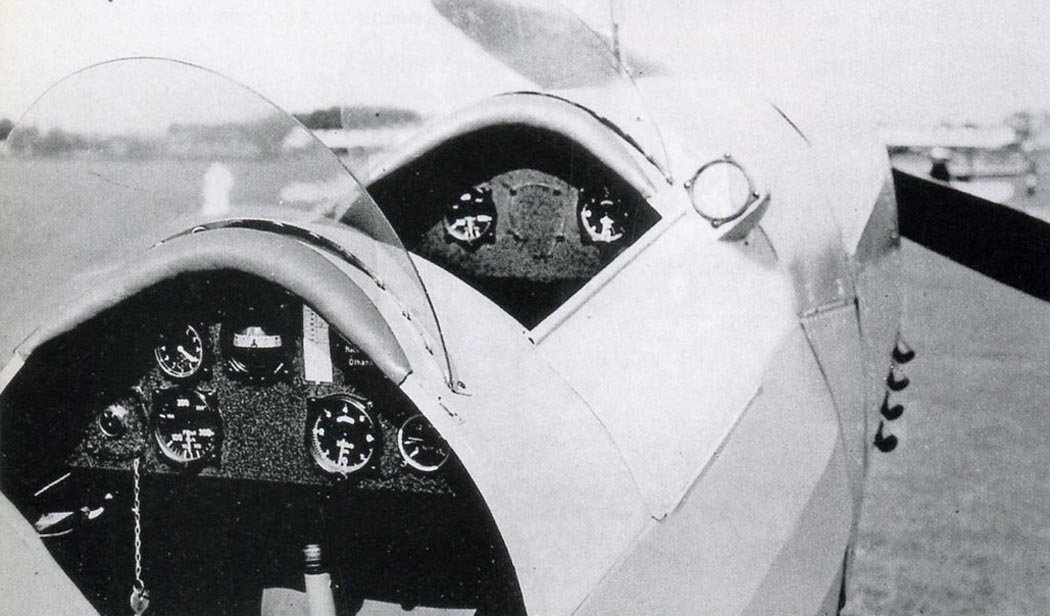 Bu.180 Student |
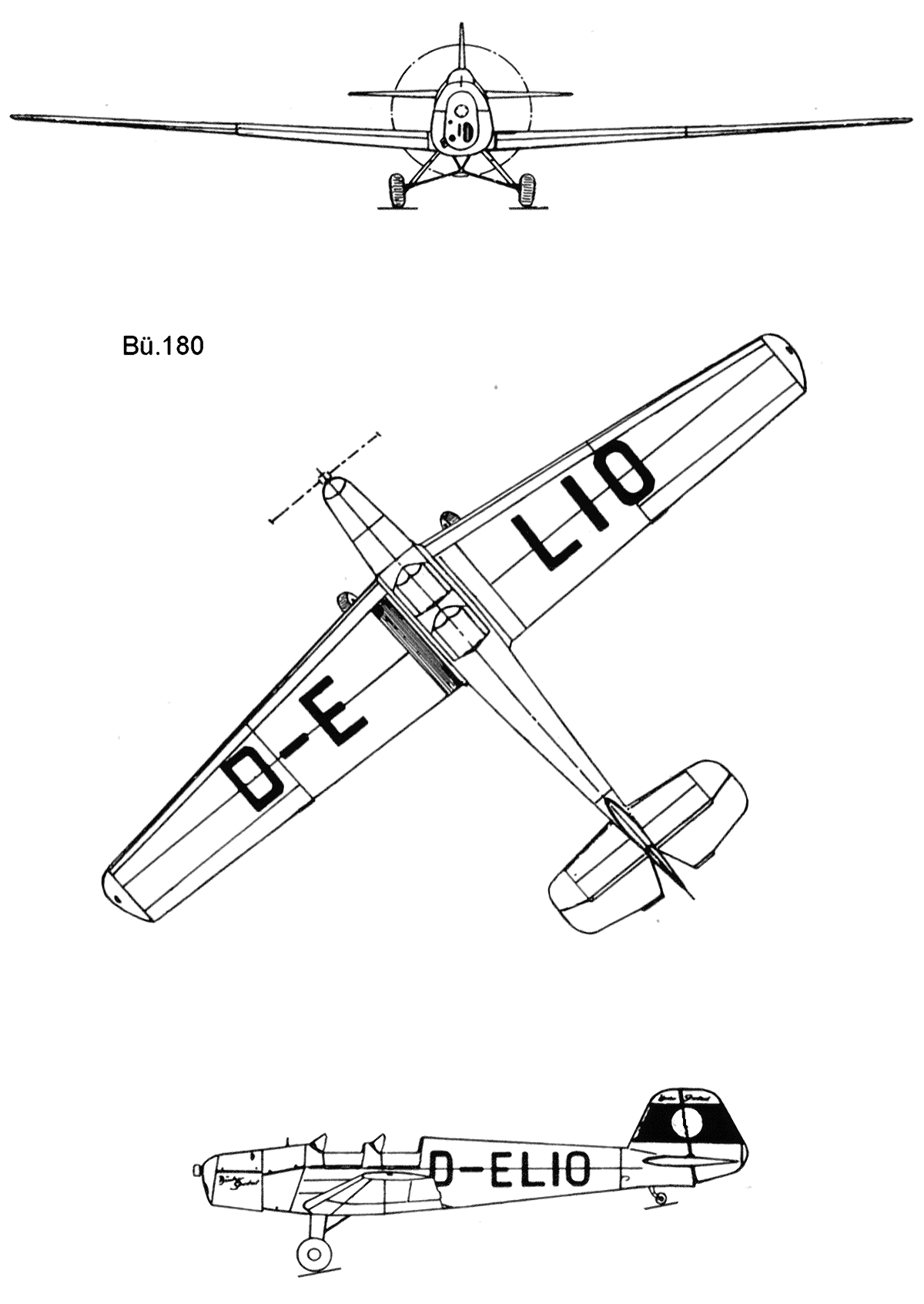 Bu.180 Student |
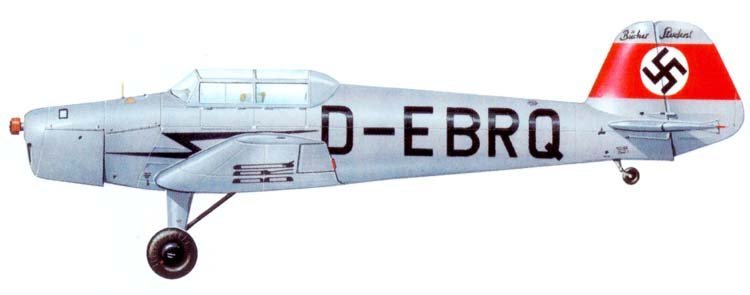 Bu.180 Student |
Equipo Editorial de ArchivoAéreo
Grupo de investigadores y entusiastas de la aviación dedicados a documentar y preservar la historia aeronáutica mundial. Todos los artículos son revisados para garantizar precisión histórica.
Fuentes y Rigurosidad
La información presentada en esta ficha técnica ha sido compilada a partir de manuales de vuelo desclasificados, archivos históricos y bibliografía especializada. Aunque nos esforzamos por mantener la máxima precisión, algunos datos de rendimiento pueden variar según la variante específica o las condiciones operativas.