Burgess I Scout
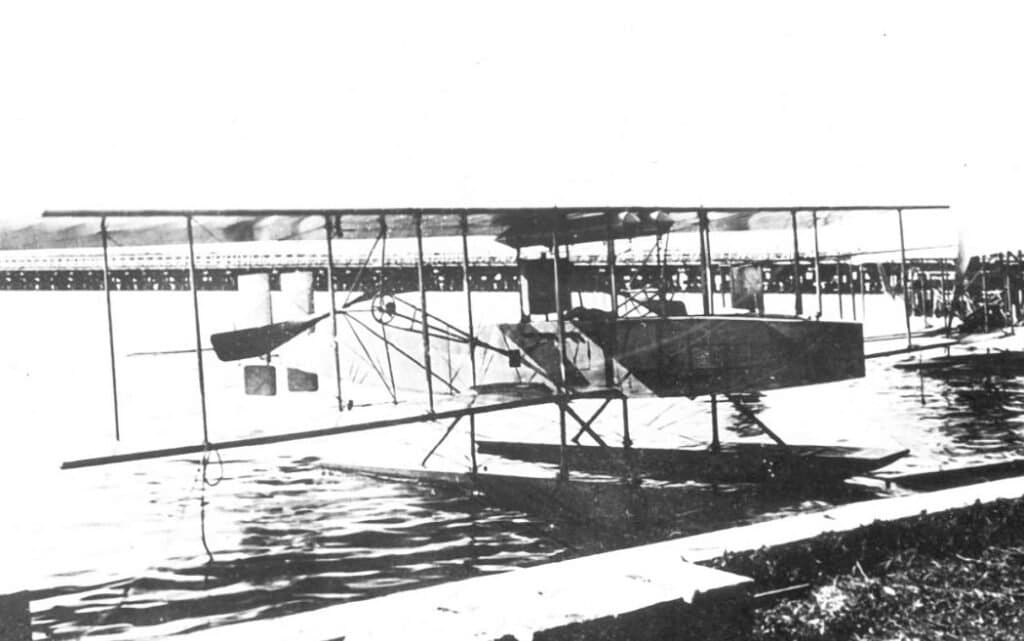
On June 9, 1912, William S. Burgess signed a contract with the U.S. Army for the construction of a reconnaissance seaplane designed for the U.S. coastal zone. The Burgess I Scout made its first flight shortly thereafter, on January 1, 1913.
Innovative Design and Technology
This scout aircraft was a two-seat, two-bay biplane, powered by a 60 hp Sturtevant D-6 six-cylinder water-cooled engine. This engine drove two pulling, two-bladed propellers. Notably, its cockpit was the first in the U.S. Army to feature a two-way radio transmitter, marking a significant technological advance for its time.
Operational History and Loss
The sole Burgess I Scout (s/n I-35) was delivered to the client on January 20, 1913. The seaplane, bearing tail number “AS17,” was assigned to coastal artillery aviation based in Manila, Philippine Islands. Sadly, on January 12, 1915, the aircraft was lost in an accident.
Technical Specifications
| Modification | Burgess I Scout |
| Wingspan, m | 11.96 |
| Length, m | 9.68 |
| Empty weight | 697 |
| Maximum takeoff weight | 924 |
| Engine type | 1 Piston engine Sturtevant D-6 |
| Power, hp | 1 x 60 |
| Maximum speed, km/h | 95 |
| Cruising speed, km/h | 85 |
| Rate of climb, m/min | 64 |
| Crew, crew members | 2 |
| Armament | unknown |
Image and diagram gallery of the Burgess I Scout
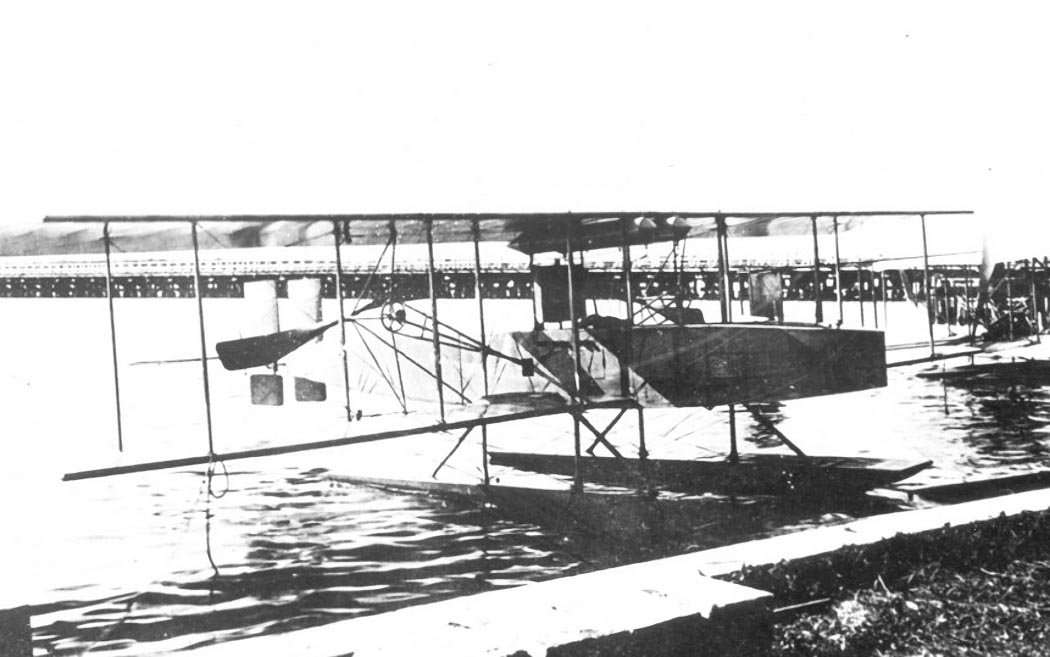 Burgess I Scout |
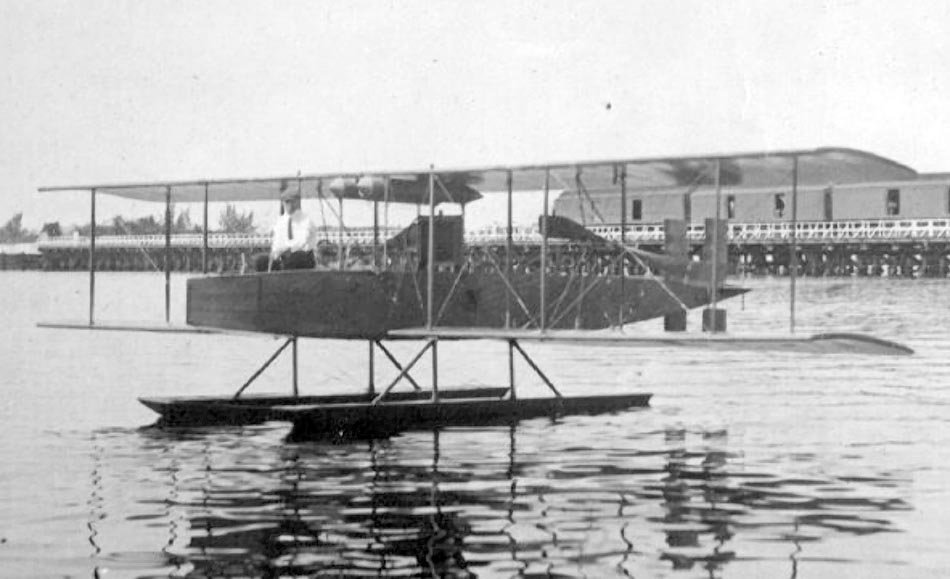 Burgess I Scout |
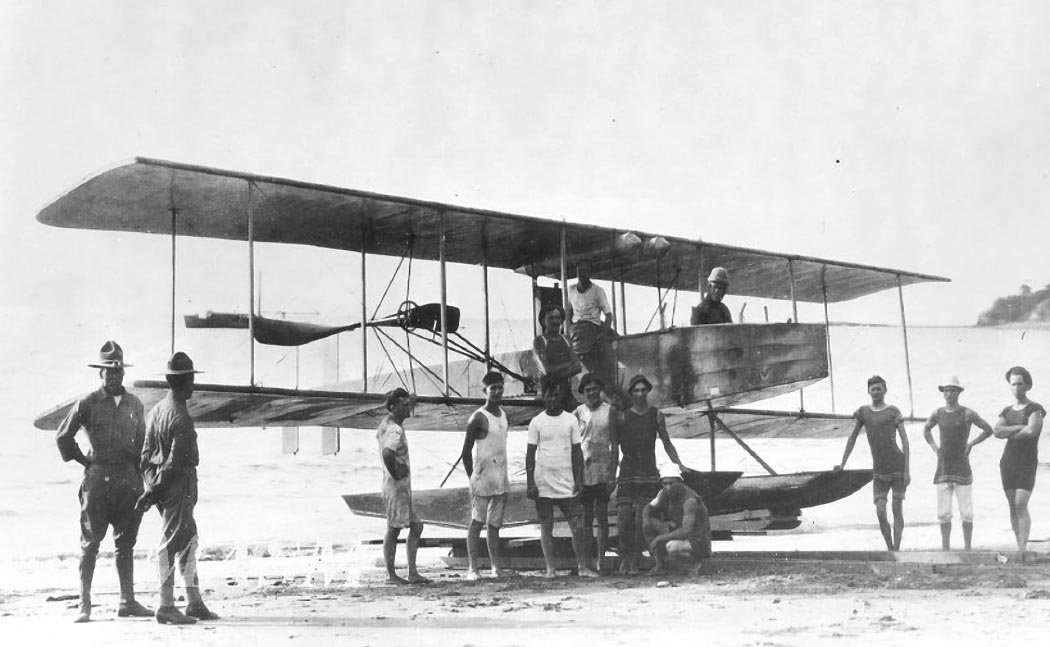 Burgess I Scout |
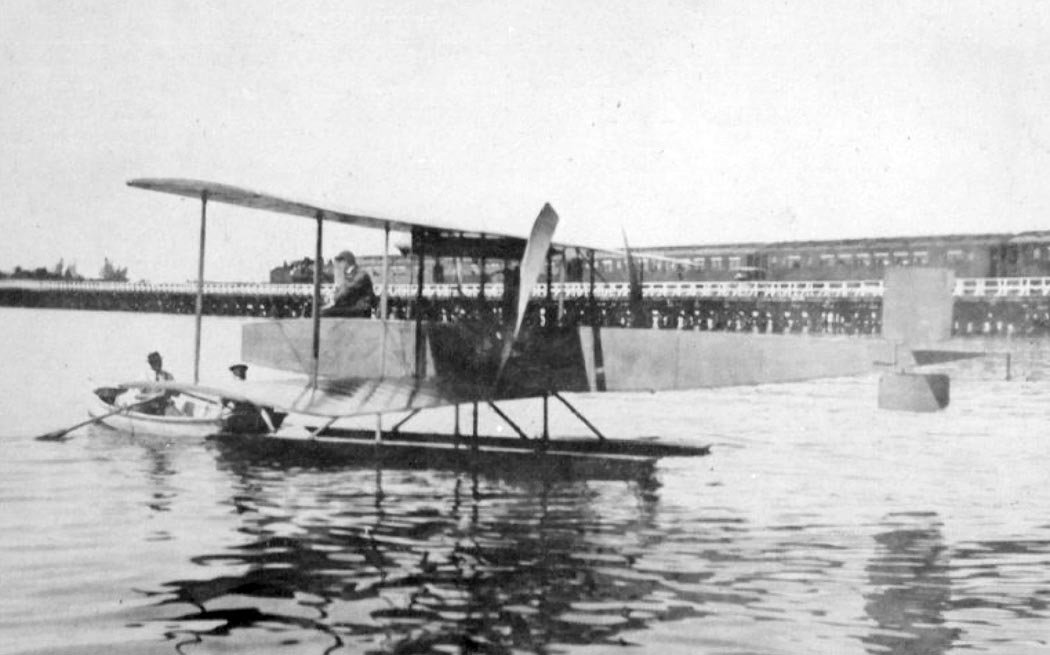 Burgess I Scout |
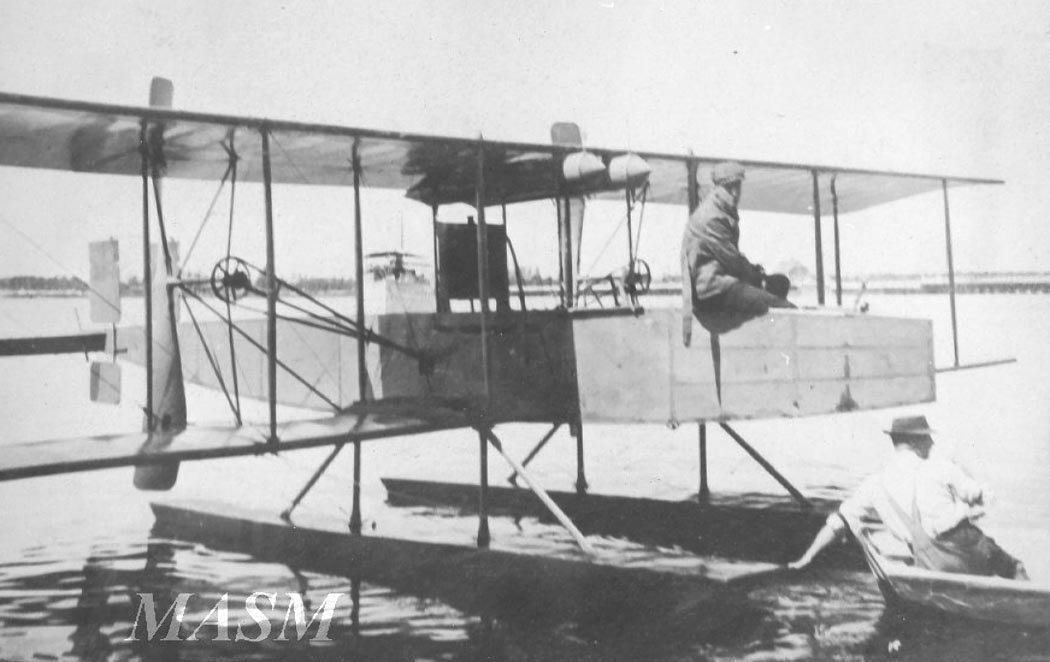 Burgess I Scout |
ArchivoAéreo Editorial Team
A group of aviation researchers and enthusiasts dedicated to documenting and preserving global aeronautical history. All articles are reviewed to ensure historical accuracy.
Sources & Accuracy
The information presented in this technical sheet has been compiled from declassified flight manuals, historical archives, and specialized literature. While we strive for maximum accuracy, some performance data may vary depending on the specific variant or operational conditions.