Burgess I Scout
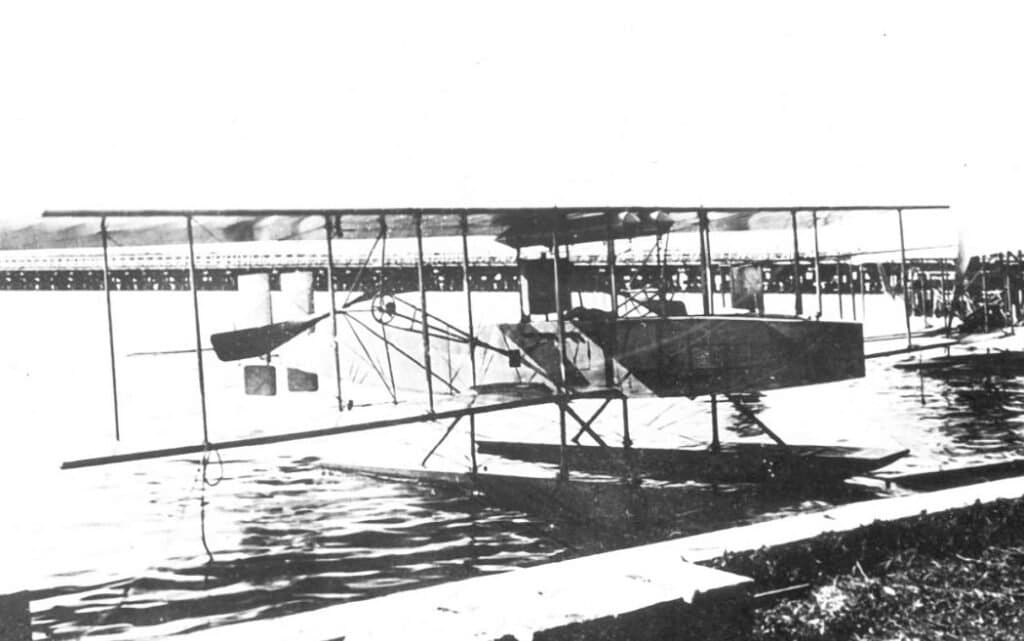
On June 9, 1912, William S. Burgess signed a contract with the U.S. Army for the construction of a reconnaissance seaplane designed for the U.S. coastal zone. The Burgess I Scout made its first flight shortly thereafter, on January 1, 1913.
Innovative Design and Technology
This scout aircraft was a two-seat, two-bay biplane, powered by a 60 hp Sturtevant D-6 six-cylinder water-cooled engine. This engine drove two pulling, two-bladed propellers. Notably, its cockpit was the first in the U.S. Army to feature a two-way radio transmitter, marking a significant technological advance for its time.
Operational History and Loss
The sole Burgess I Scout (s/n I-35) was delivered to the client on January 20, 1913. The seaplane, bearing tail number “AS17,” was assigned to coastal artillery aviation based in Manila, Philippine Islands. Sadly, on January 12, 1915, the aircraft was lost in an accident.
Technical Specifications
| Modification | Burgess I Scout |
| Wingspan, m | 11.96 |
| Length, m | 9.68 |
| Empty weight | 697 |
| Maximum takeoff weight | 924 |
| Engine type | 1 Piston engine Sturtevant D-6 |
| Power, hp | 1 x 60 |
| Maximum speed, km/h | 95 |
| Cruising speed, km/h | 85 |
| Rate of climb, m/min | 64 |
| Crew, crew members | 2 |
| Armament | unknown |
Image and diagram gallery of the Burgess I Scout
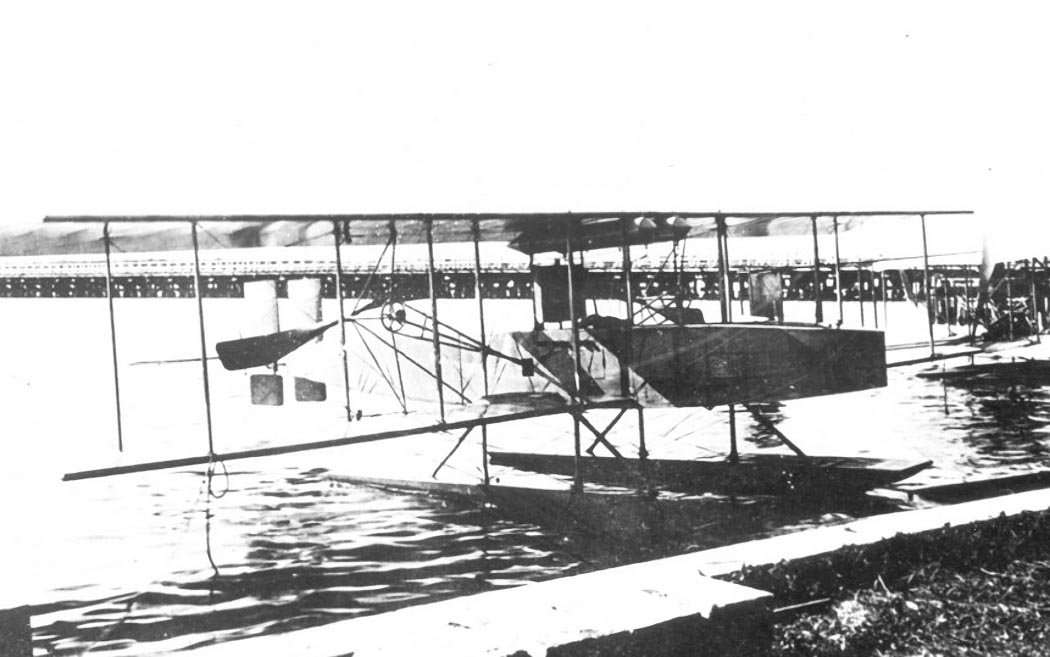 Burgess I Scout |
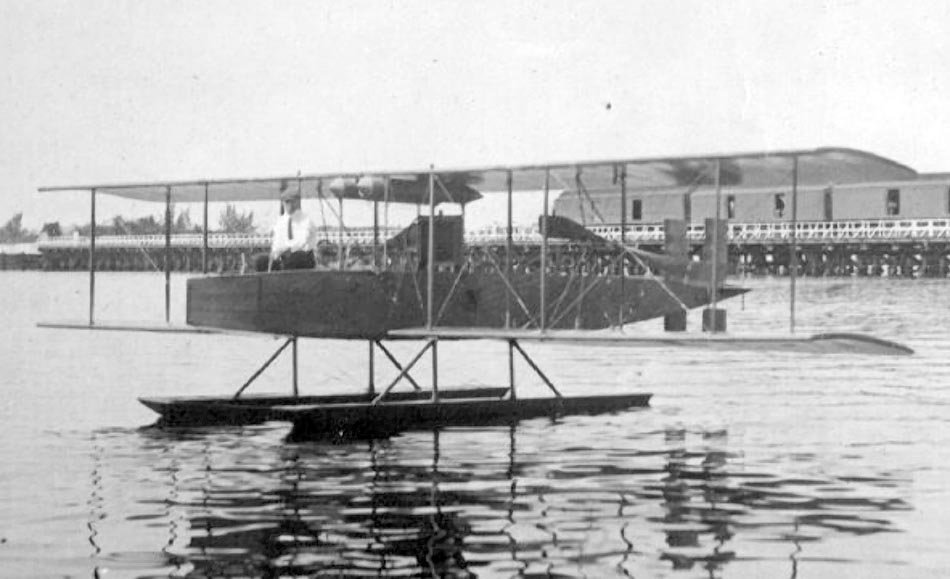 Burgess I Scout |
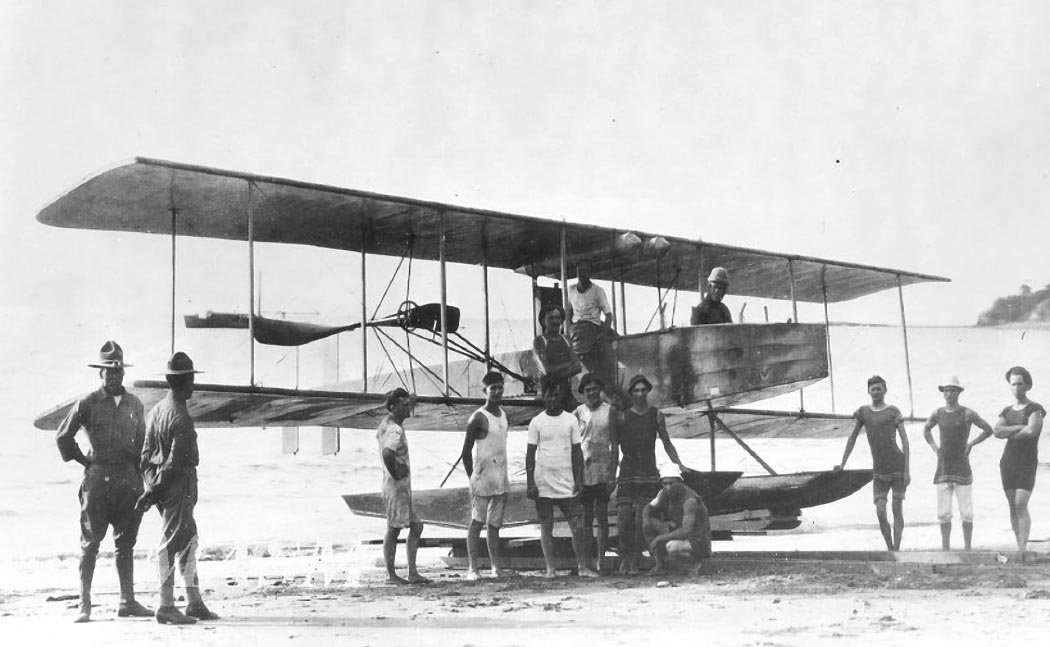 Burgess I Scout |
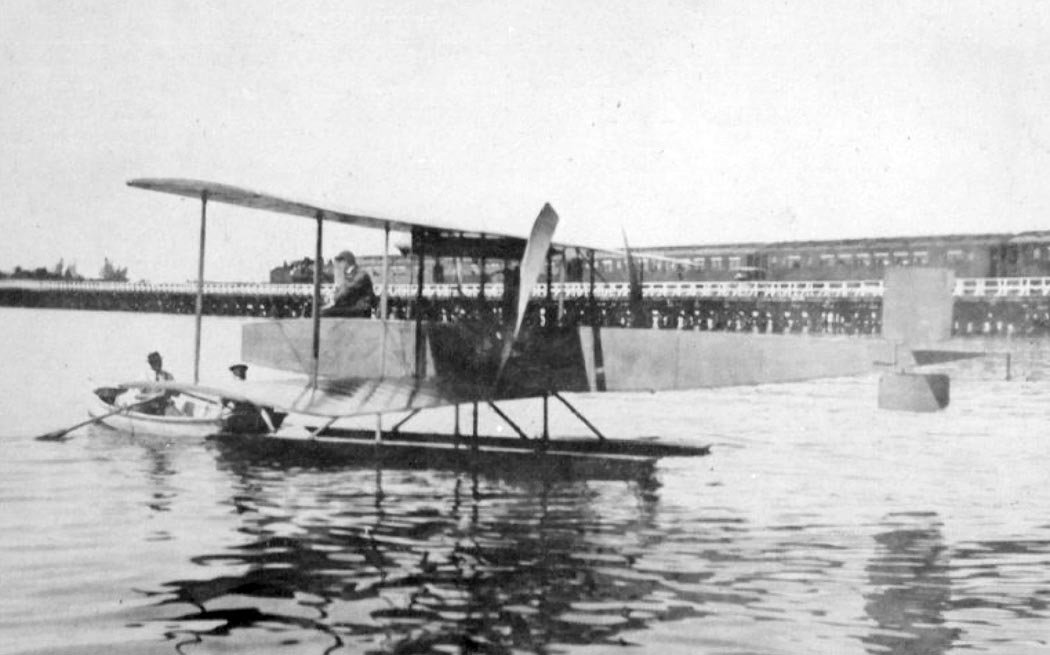 Burgess I Scout |
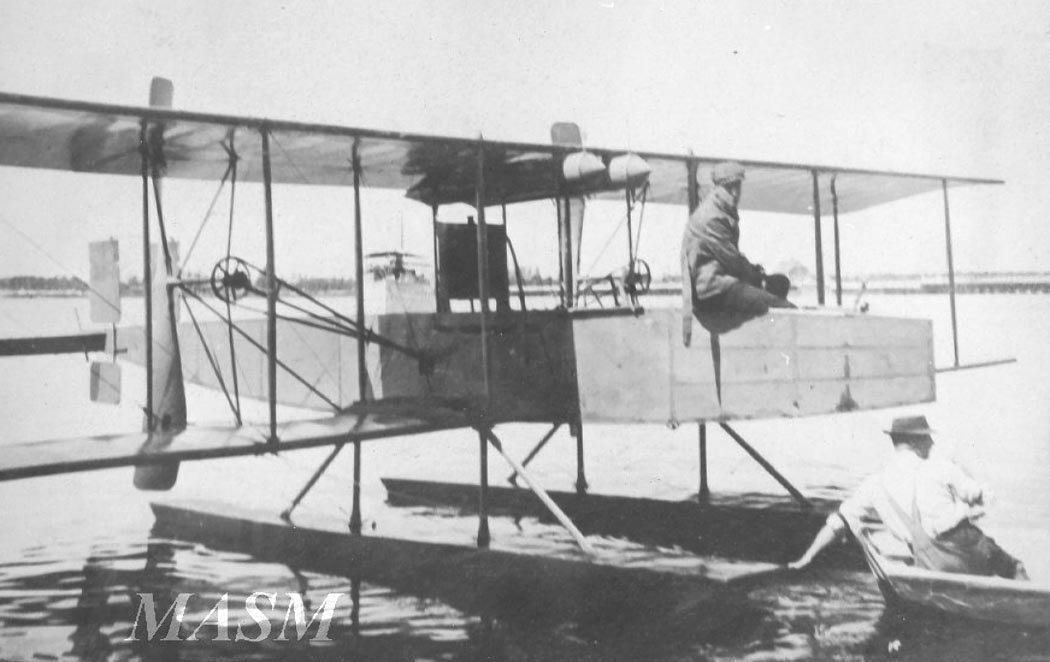 Burgess I Scout |
Equipo Editorial de ArchivoAéreo
Grupo de investigadores y entusiastas de la aviación dedicados a documentar y preservar la historia aeronáutica mundial. Todos los artículos son revisados para garantizar precisión histórica.
Fuentes y Rigurosidad
La información presentada en esta ficha técnica ha sido compilada a partir de manuales de vuelo desclasificados, archivos históricos y bibliografía especializada. Aunque nos esforzamos por mantener la máxima precisión, algunos datos de rendimiento pueden variar según la variante específica o las condiciones operativas.