Caudron C.430 Rafale
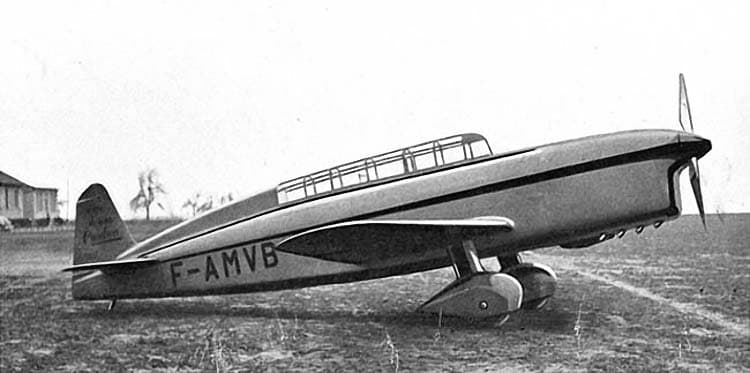
The Caudron C.430 Rafale light multi-purpose aircraft was developed by Marcel Riffard in late 1933, as a further evolution of the Caudron C.360 family. It was a two-seater low-wing monoplane, equipped with an air-cooled four-cylinder Renault 4Pei engine delivering 150 hp (110 kW).
Development and Initial Characteristics
Two examples of the aircraft were manufactured; the first (F-AMVB) took to the air on March 24, 1934. Just a week later, it set a new world record in its class, achieving a speed of 292 km/h (181 mph) over a distance of 100 km (62 miles).
World Record and Tragedy
This aircraft is also linked to a tragic date: on November 30 of the same year, the famous aviator Hélène Boucher died in a C.430 accident during landing. The second aircraft (registration number F-AMVA) was prepared for the Coupe Deutsch de la Meurthe competition, receiving a more powerful engine, the 180 hp Renault 438.
Competition and Challenges
However, engine problems prevented this second C.430 from continuing in the competition, marking a challenging end to its racing aspirations.
Technical Specifications
| Modification | C. 430 |
| Wingspan, m | 7.70 |
| Length, m | 7.10 |
| Height, m | 1.88 |
| Wing area, m2 | 9.00 |
| Empty weight | 480 |
| Maximum takeoff weight | 820 |
| Engine type | 1 Piston engine Renault 4Pei |
| Power, hp | 1 x 150 |
| Maximum speed, km/h | 305 |
| Cruising speed, km/h | 260 |
| Practical range, km | 1000 |
| Service ceiling, m | 5750 |
| Crew | 2 |
Image and diagram gallery of the Caudron C.430 Rafale
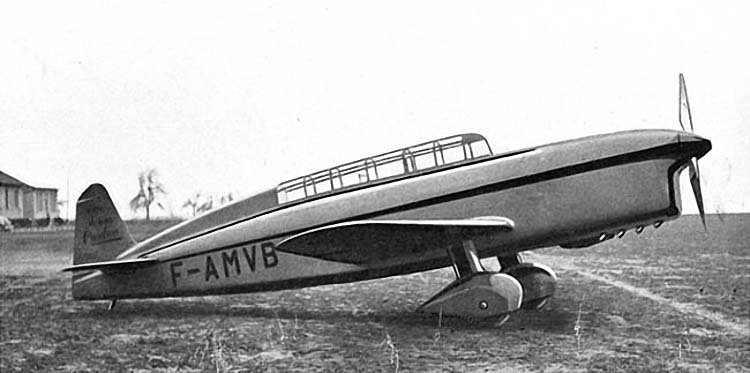 C.430 Rafale |
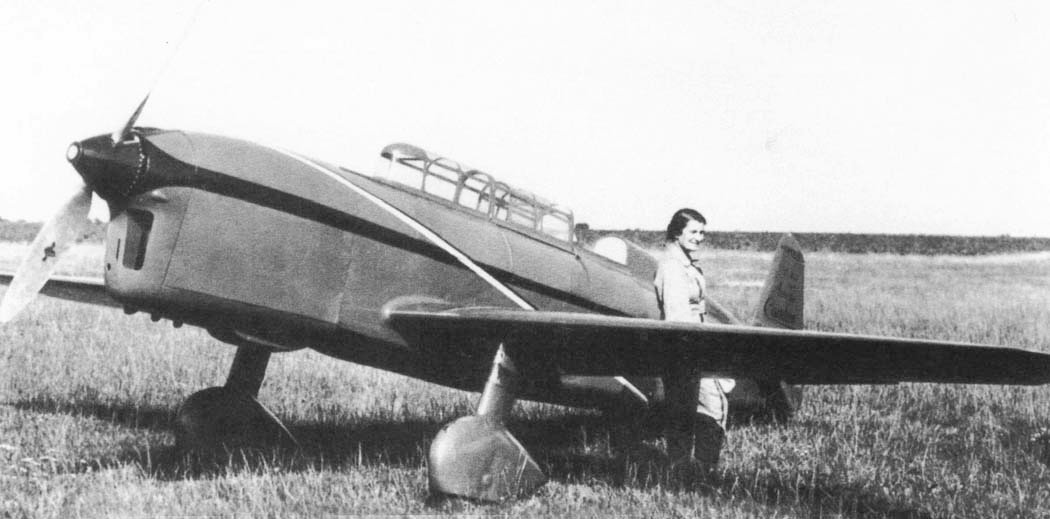 C.430 Rafale |
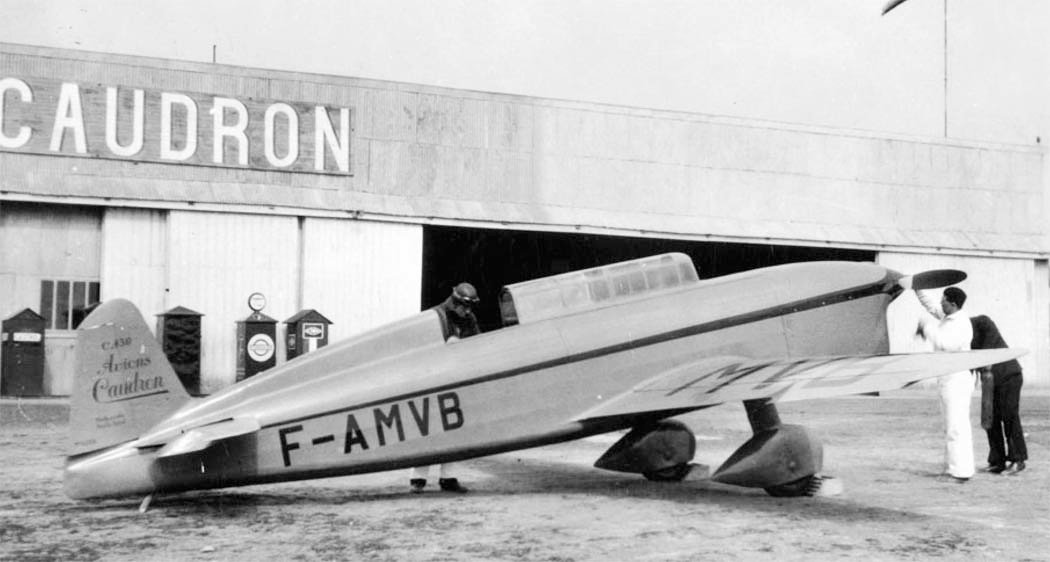 C.430 Rafale |
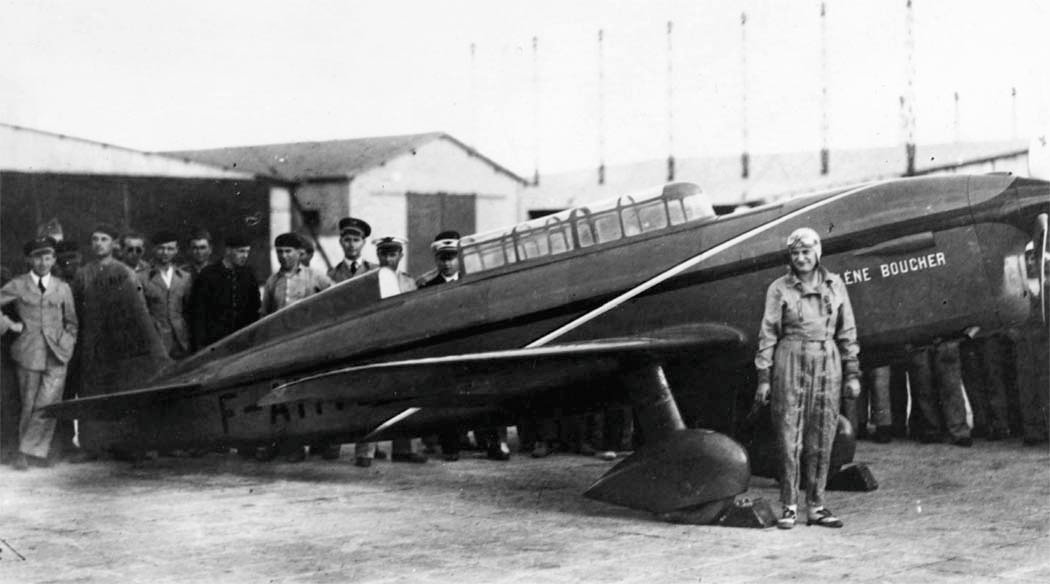 C.430 Rafale |
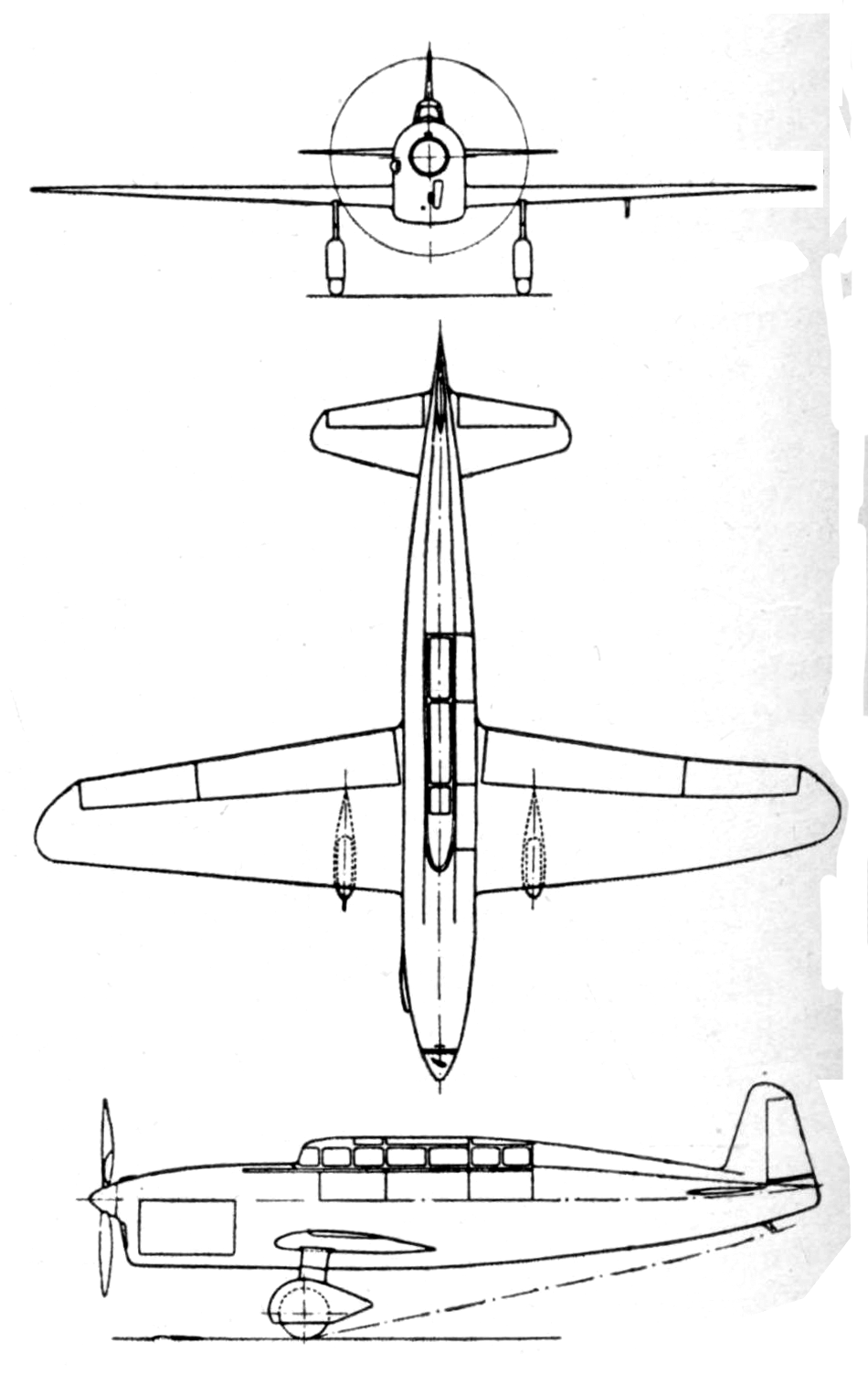 C.430 Rafale |
ArchivoAéreo Editorial Team
A group of aviation researchers and enthusiasts dedicated to documenting and preserving global aeronautical history. All articles are reviewed to ensure historical accuracy.
Sources & Accuracy
The information presented in this technical sheet has been compiled from declassified flight manuals, historical archives, and specialized literature. While we strive for maximum accuracy, some performance data may vary depending on the specific variant or operational conditions.