Caudron C.430 Rafale
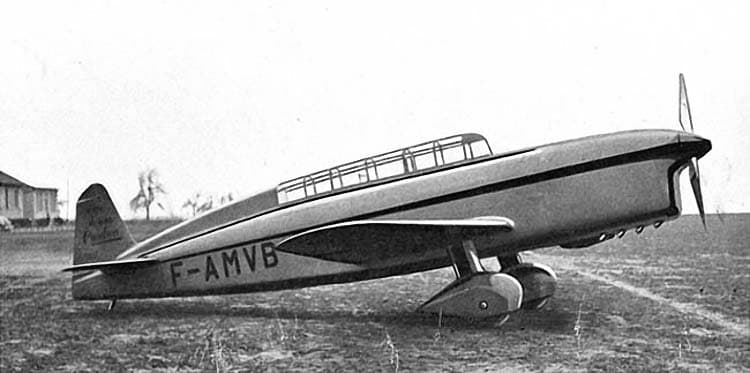
The Caudron C.430 Rafale light multi-purpose aircraft was developed by Marcel Riffard in late 1933, as a further evolution of the Caudron C.360 family. It was a two-seater low-wing monoplane, equipped with an air-cooled four-cylinder Renault 4Pei engine delivering 150 hp (110 kW).
Development and Initial Characteristics
Two examples of the aircraft were manufactured; the first (F-AMVB) took to the air on March 24, 1934. Just a week later, it set a new world record in its class, achieving a speed of 292 km/h (181 mph) over a distance of 100 km (62 miles).
World Record and Tragedy
This aircraft is also linked to a tragic date: on November 30 of the same year, the famous aviator Hélène Boucher died in a C.430 accident during landing. The second aircraft (registration number F-AMVA) was prepared for the Coupe Deutsch de la Meurthe competition, receiving a more powerful engine, the 180 hp Renault 438.
Competition and Challenges
However, engine problems prevented this second C.430 from continuing in the competition, marking a challenging end to its racing aspirations.
Technical Specifications
| Modification | C. 430 |
| Wingspan, m | 7.70 |
| Length, m | 7.10 |
| Height, m | 1.88 |
| Wing area, m2 | 9.00 |
| Empty weight | 480 |
| Maximum takeoff weight | 820 |
| Engine type | 1 Piston engine Renault 4Pei |
| Power, hp | 1 x 150 |
| Maximum speed, km/h | 305 |
| Cruising speed, km/h | 260 |
| Practical range, km | 1000 |
| Service ceiling, m | 5750 |
| Crew | 2 |
Image and diagram gallery of the Caudron C.430 Rafale
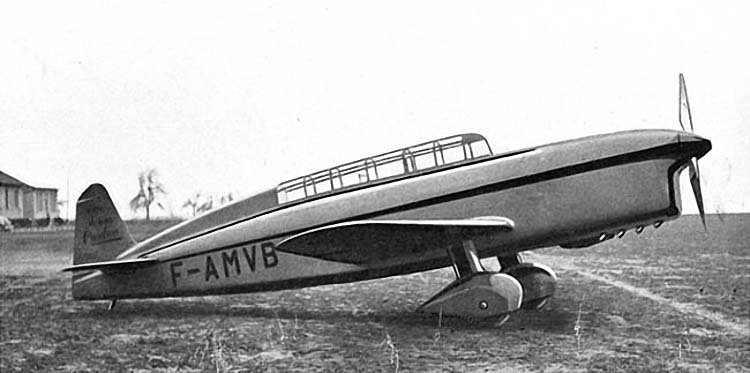 C.430 Rafale |
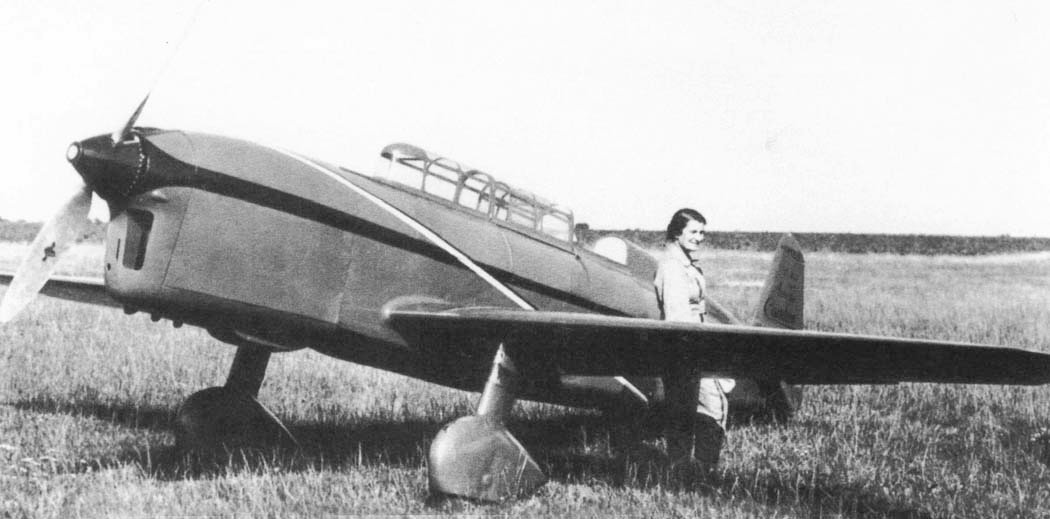 C.430 Rafale |
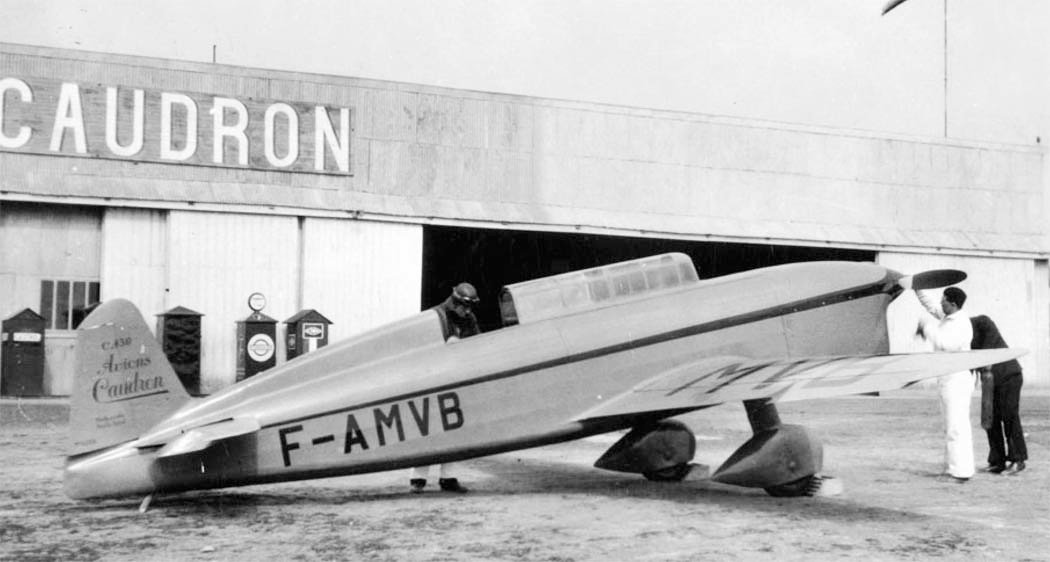 C.430 Rafale |
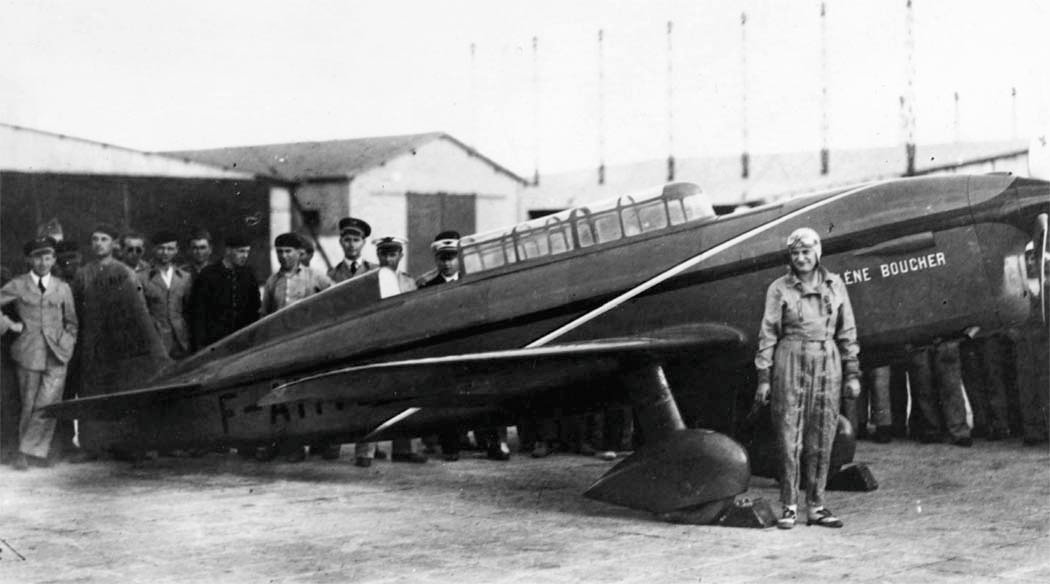 C.430 Rafale |
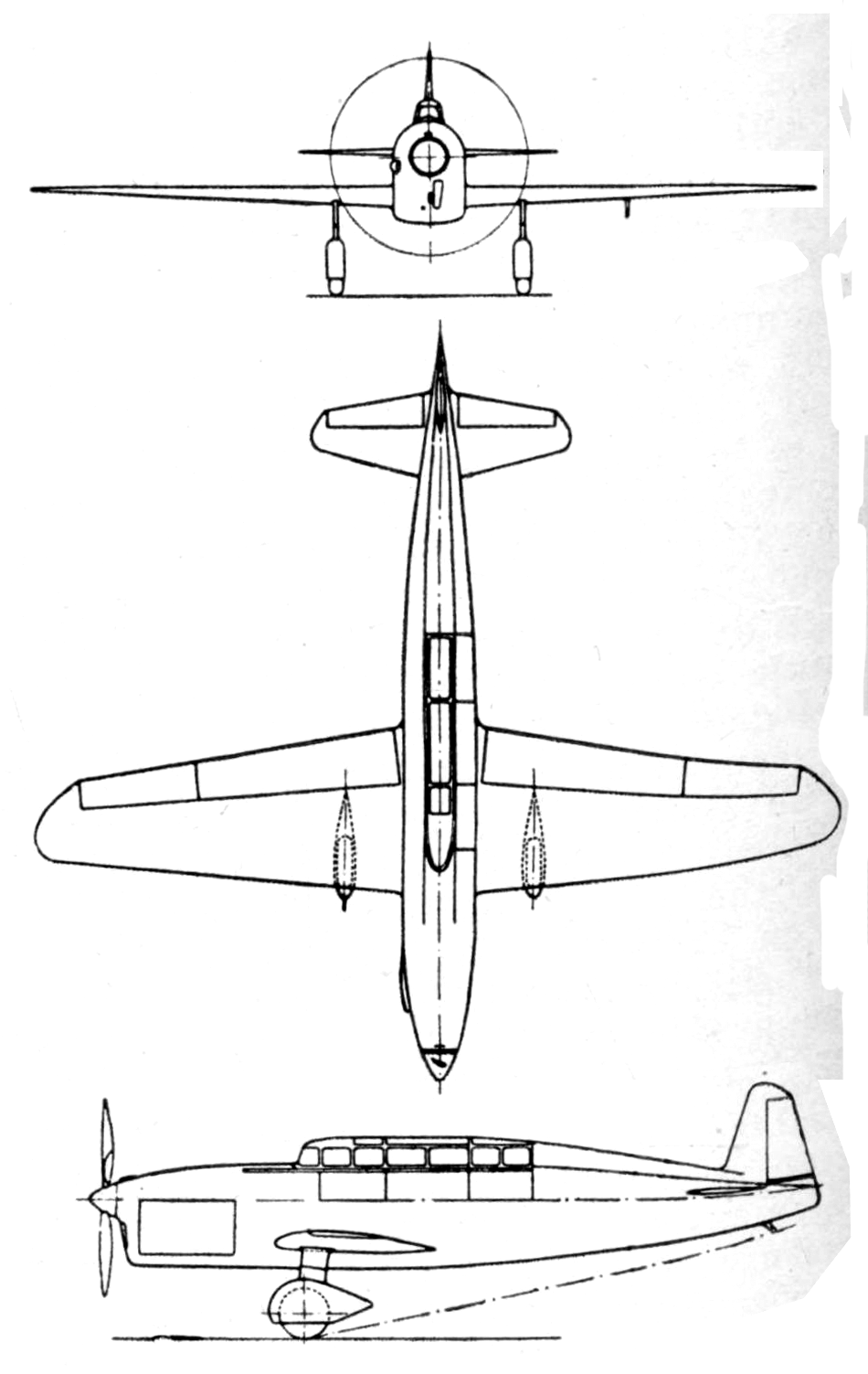 C.430 Rafale |
Equipo Editorial de ArchivoAéreo
Grupo de investigadores y entusiastas de la aviación dedicados a documentar y preservar la historia aeronáutica mundial. Todos los artículos son revisados para garantizar precisión histórica.
Fuentes y Rigurosidad
La información presentada en esta ficha técnica ha sido compilada a partir de manuales de vuelo desclasificados, archivos históricos y bibliografía especializada. Aunque nos esforzamos por mantener la máxima precisión, algunos datos de rendimiento pueden variar según la variante específica o las condiciones operativas.