Fairchild XC-31
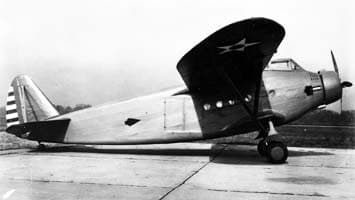
In 1934, the “Fairchild” company built the prototype of the Fairchild XC-31 multi-purpose transport aircraft (project XC-941). The “Kreider-Reisner” firm, previously acquired by Fairchild, secured the contract for this aircraft from the U.S. Army Air Corps.
Design Features
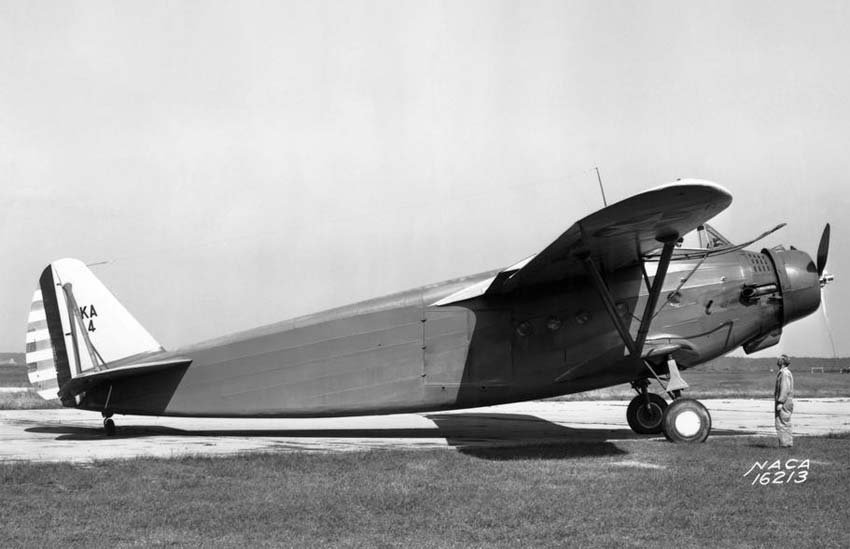
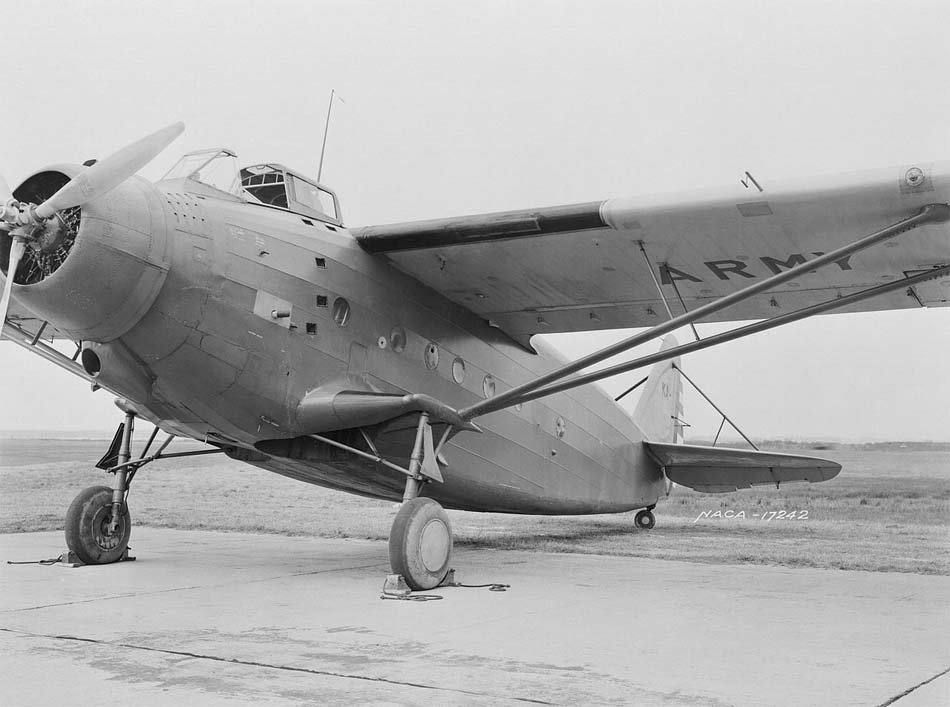
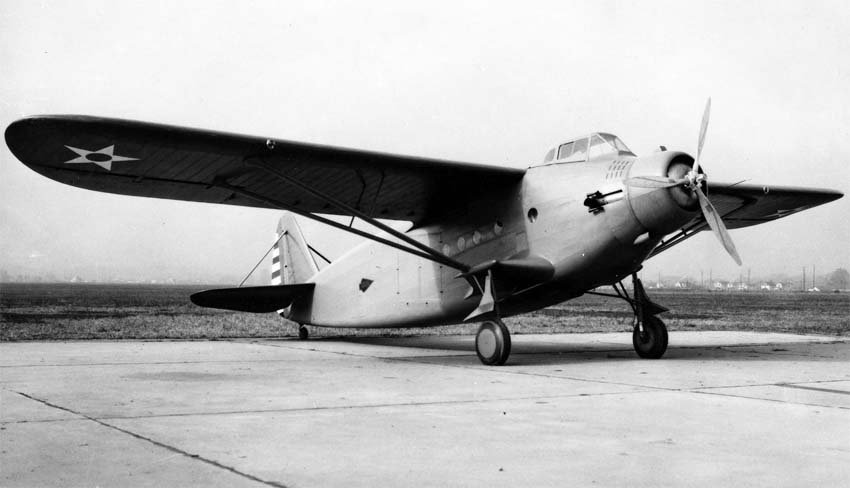
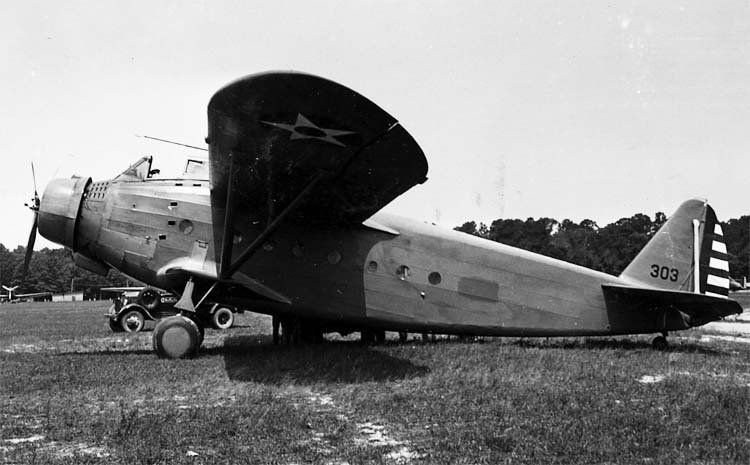
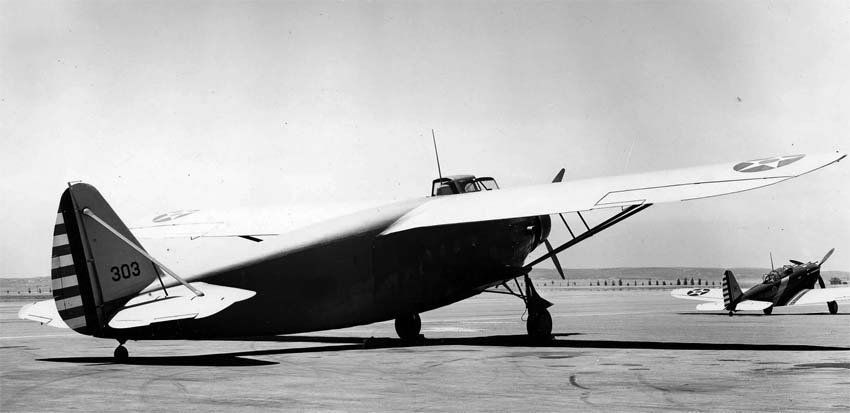
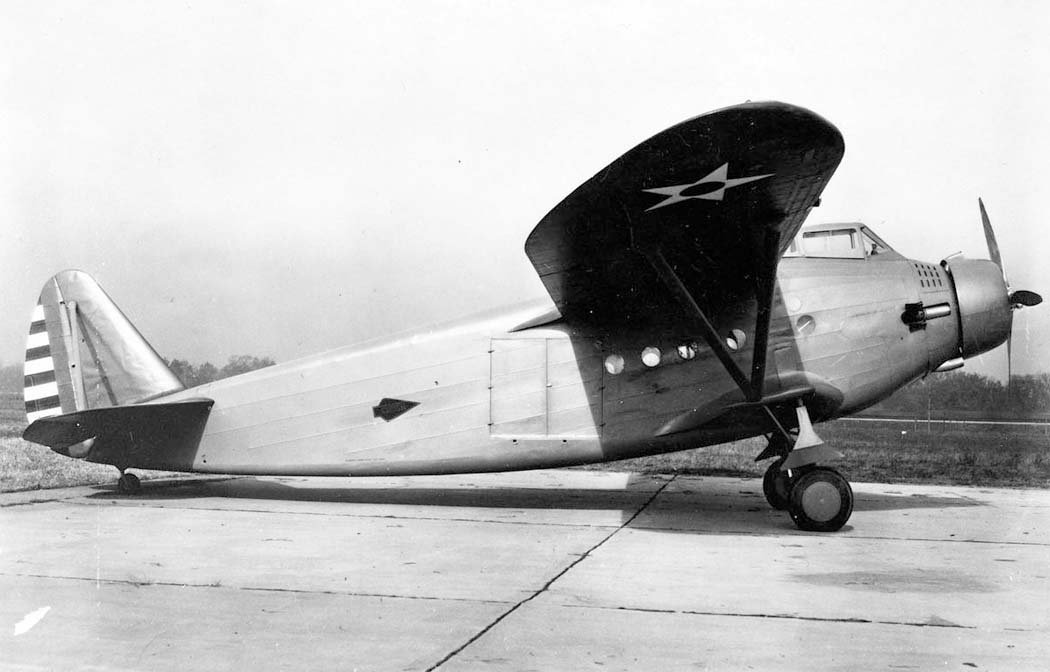
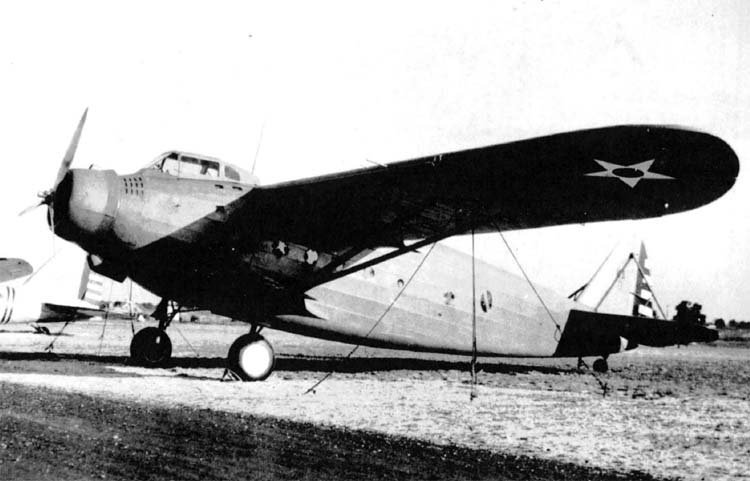
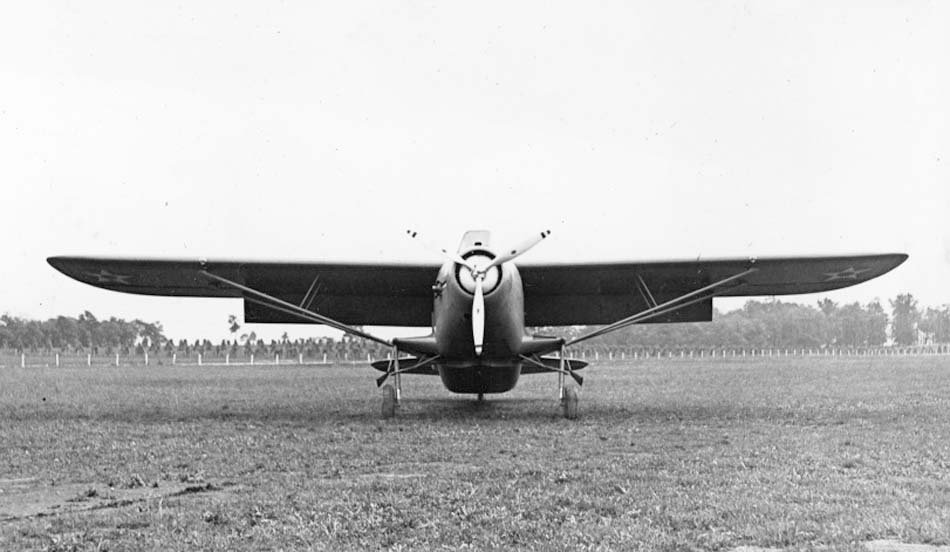
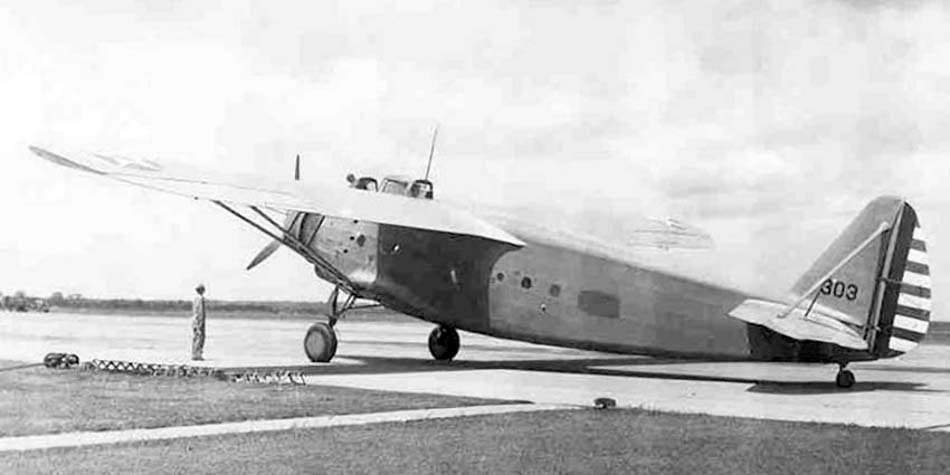
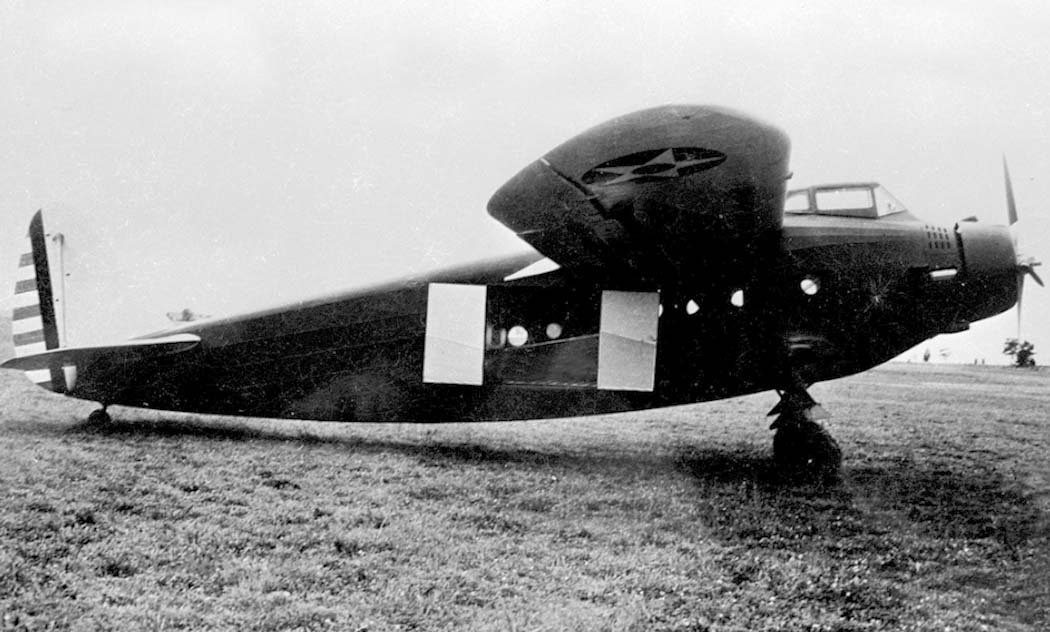
The XC-31 was a braced high-wing monoplane, powered by a Wright R-1820 Cyclone radial engine. It featured a light alloy construction with fabric covering and a conventional tail unit.
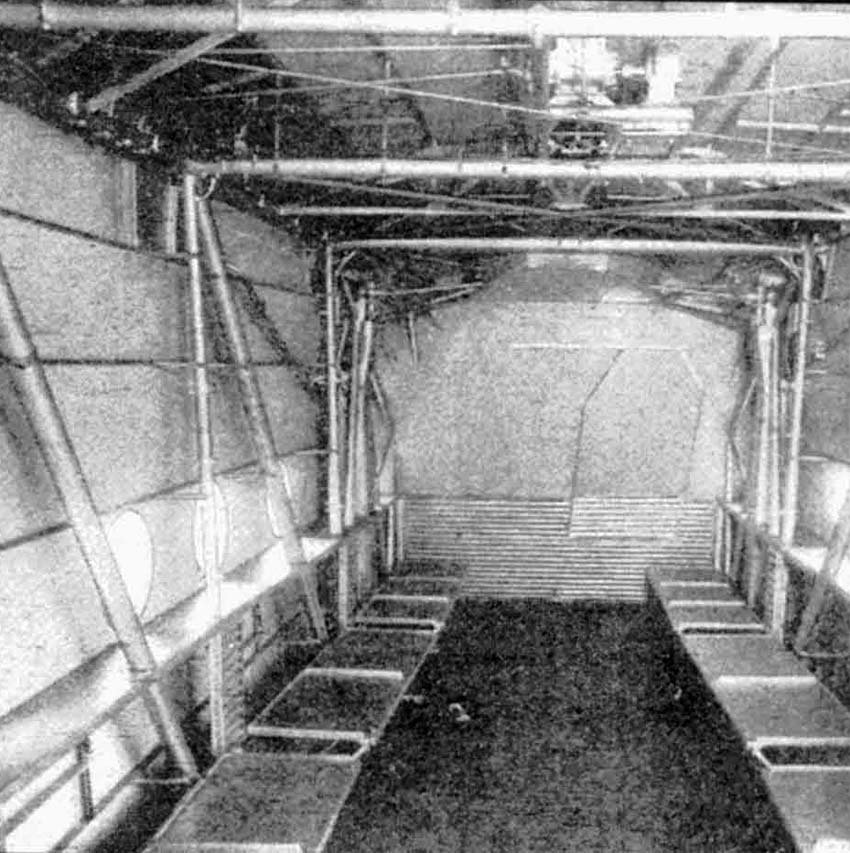
Its landing gear included a tail-wheel and retractable main struts. The pilot was seated in an enclosed cockpit positioned in front of the wing, and behind the cockpit, there was a voluminous cargo compartment with wide doors.
Trial Outcomes
Despite its innovative features, following operational trials, the Fairchild XC-31 did not receive any further orders from the U.S. Army Air Corps.
Technical Specifications
| Modification | XC-31 |
| Wingspan, m | 22.86 |
| Aircraft length, m | 16.76 |
| Aircraft height, m | 4.83 |
| Wing area, m2 | 74.51 |
| Empty weight | 3822 |
| Maximum takeoff weight | 6713 |
| Engine type | 1 Piston engine Wright R-1820-25 Cyclone |
| Power, hp | 1 x 750 |
| Maximum speed, km/h | 261 |
| Cruising speed, km/h | 230 |
| Practical range, km | 1239 |
| Service ceiling, m | 4570 |
| Crew | 1 |
| Payload | up to 15 passengers or 1600 kg of cargo |
Image and diagram gallery of the Fairchild XC-31
 C-31 |
 C-31 |
 C-31 |
 C-31 |
 C-31 |
 C-31 |
 C-31 |
 C-31 |
 C-31 |
 C-31 |
 C-31 |
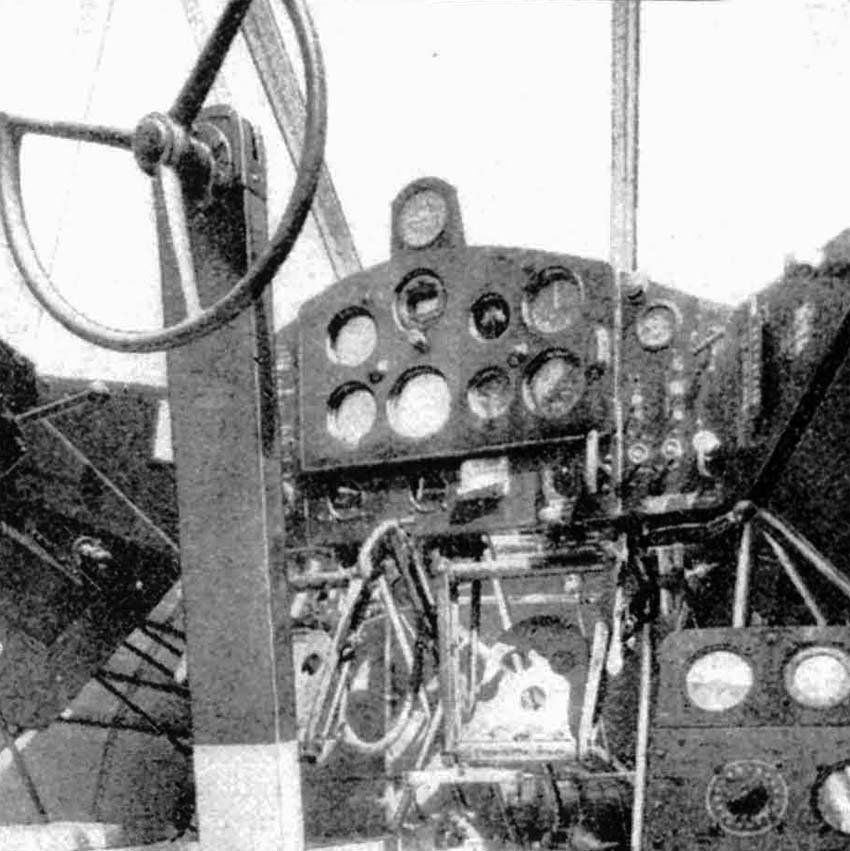 C-31 |
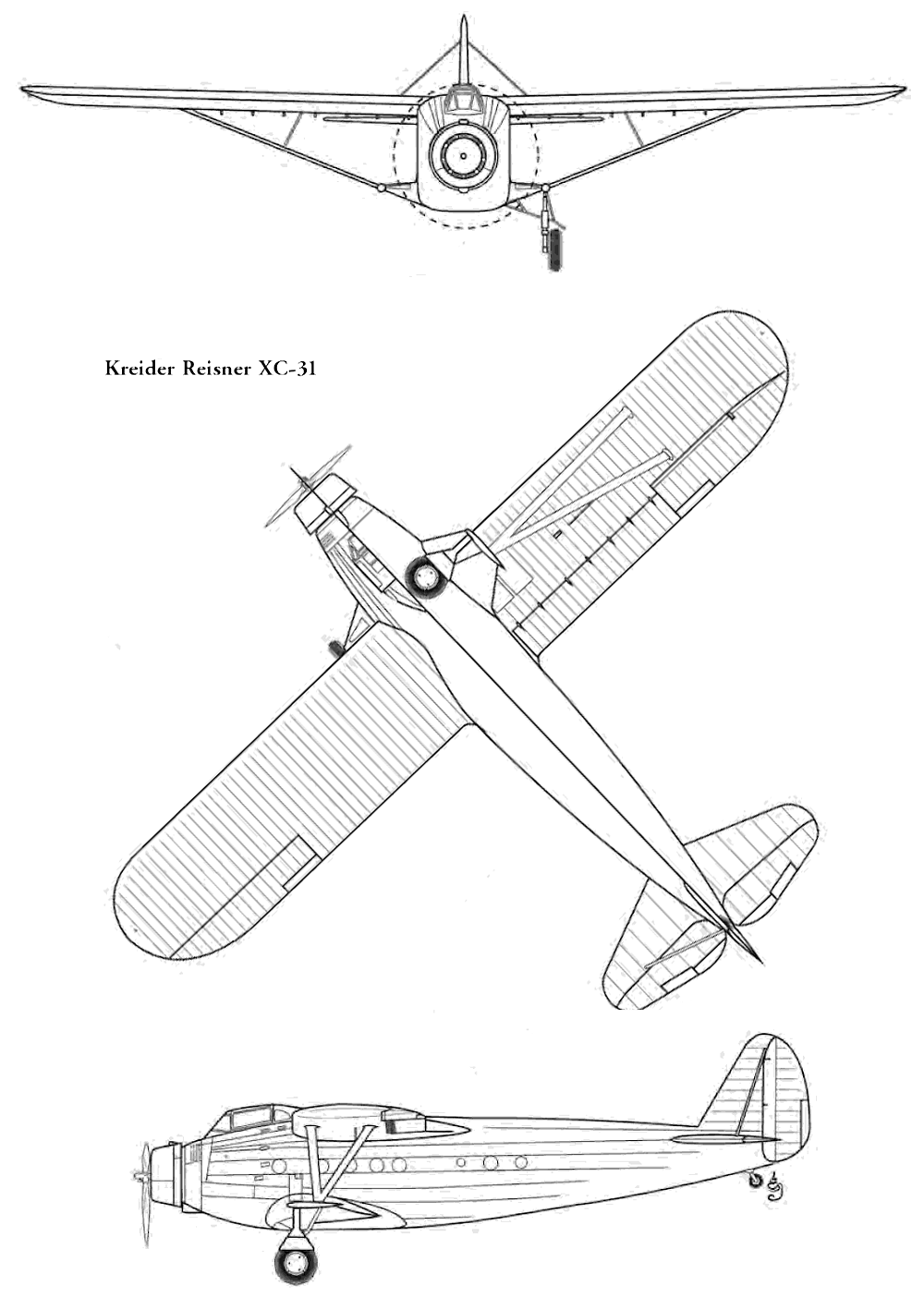 C-31 |
ArchivoAéreo Editorial Team
A group of aviation researchers and enthusiasts dedicated to documenting and preserving global aeronautical history. All articles are reviewed to ensure historical accuracy.
Sources & Accuracy
The information presented in this technical sheet has been compiled from declassified flight manuals, historical archives, and specialized literature. While we strive for maximum accuracy, some performance data may vary depending on the specific variant or operational conditions.