Fairchild XC-31
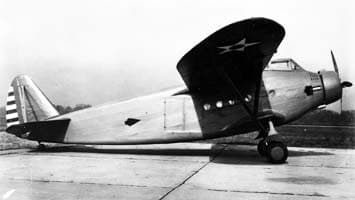
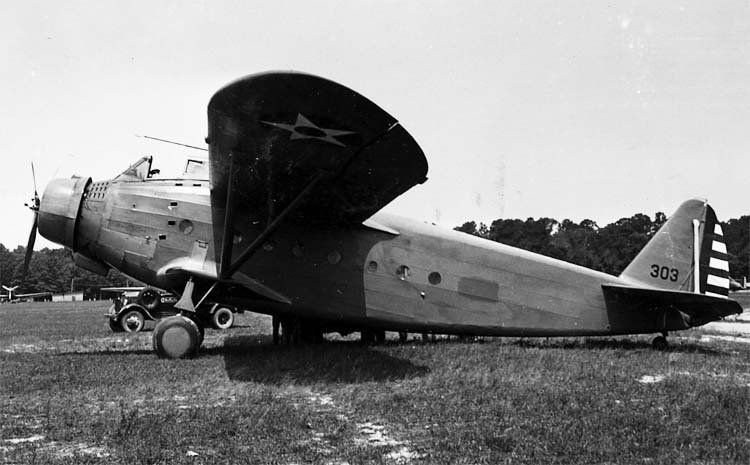
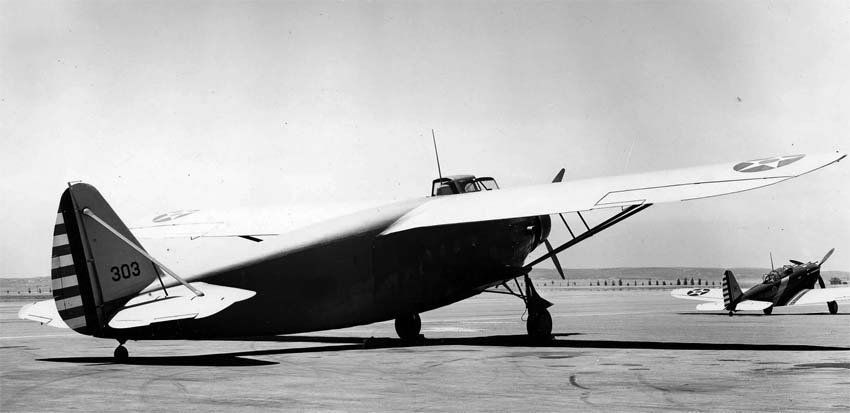
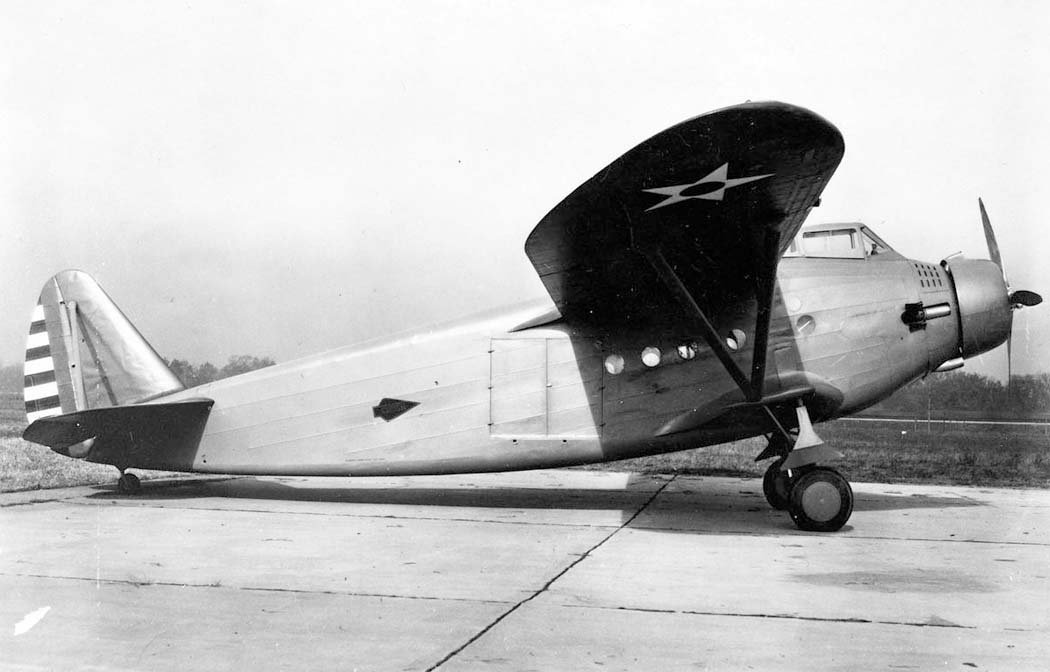
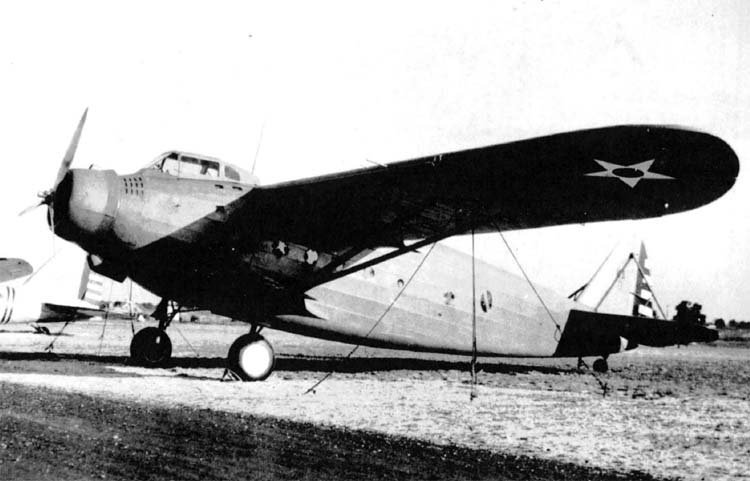
In 1934, the “Fairchild” company built the prototype of the Fairchild XC-31 multi-purpose transport aircraft (project XC-941). The “Kreider-Reisner” firm, previously acquired by Fairchild, secured the contract for this aircraft from the U.S. Army Air Corps.
Design Features
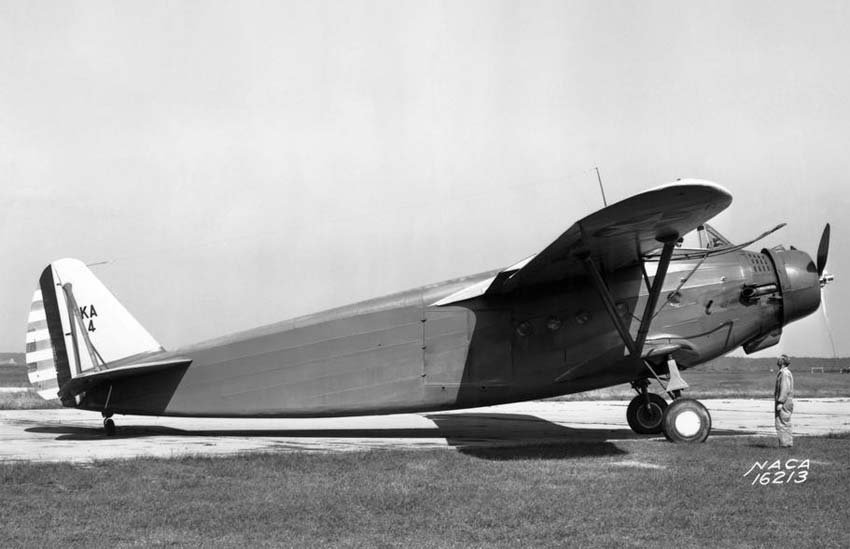
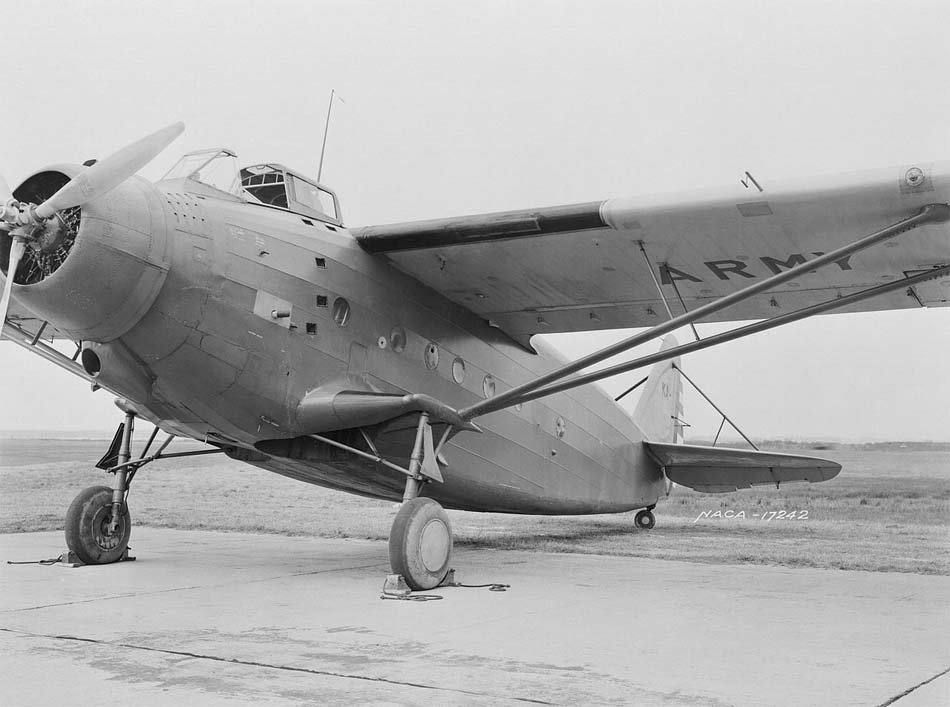
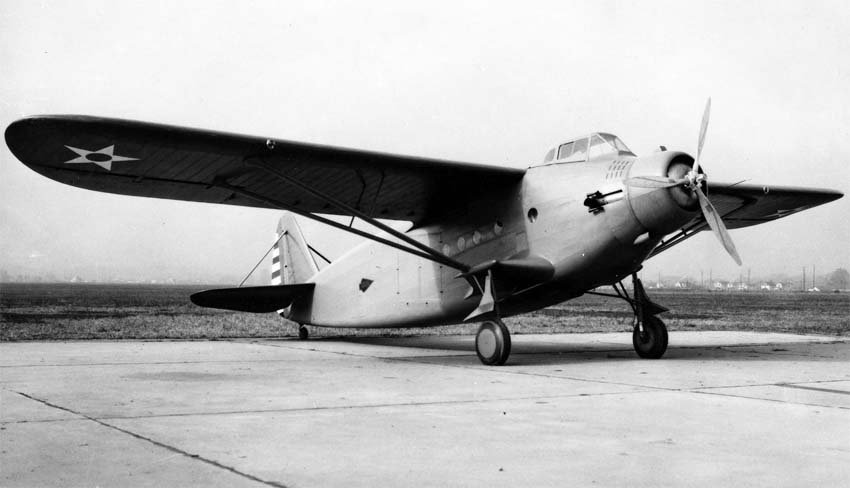
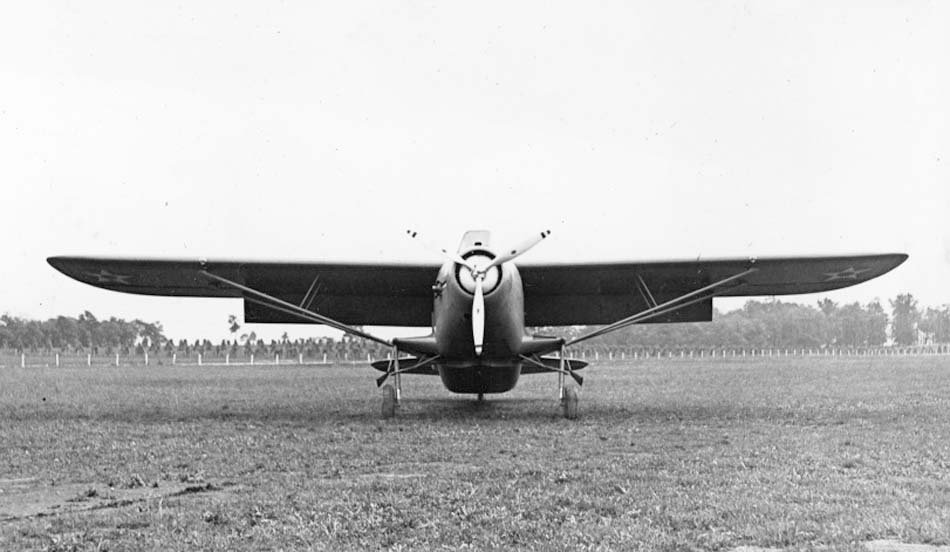
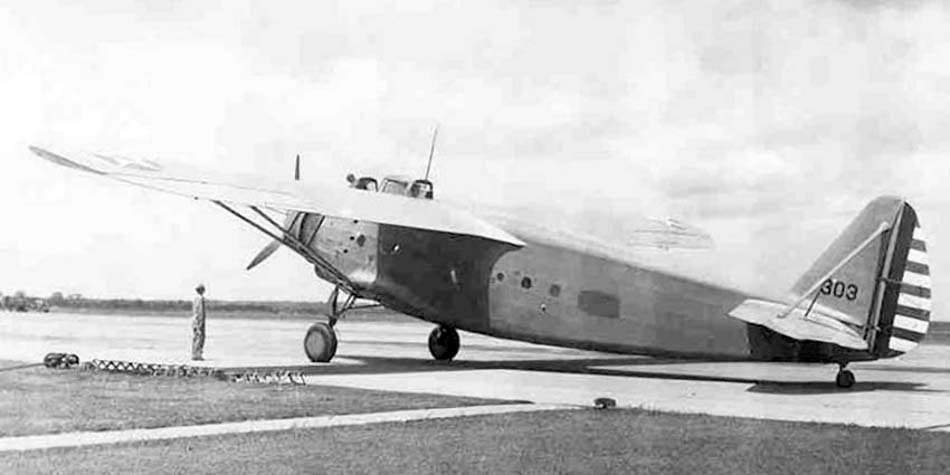
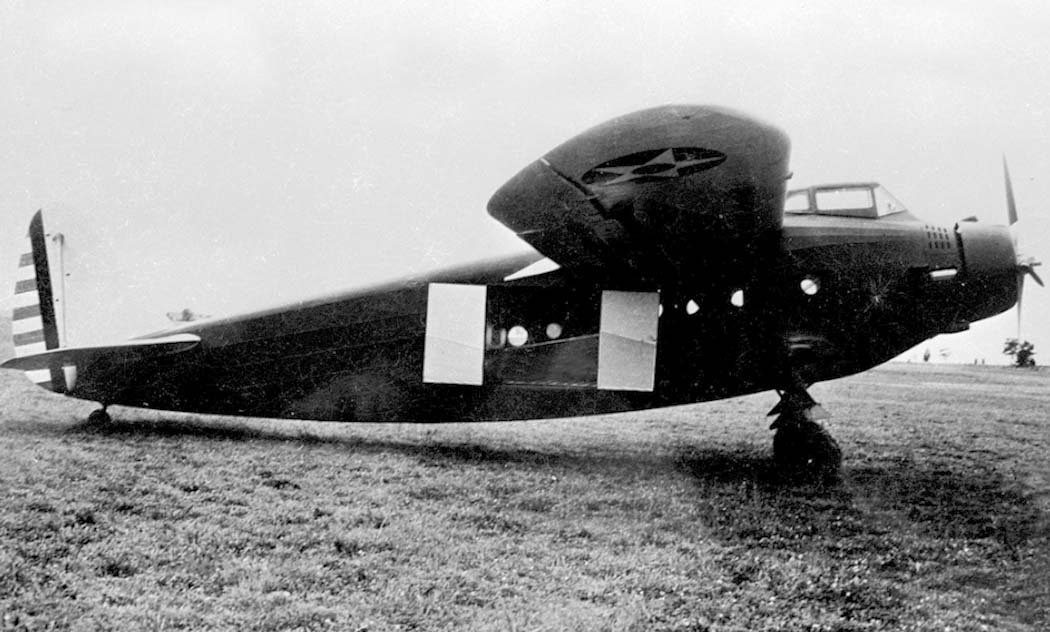
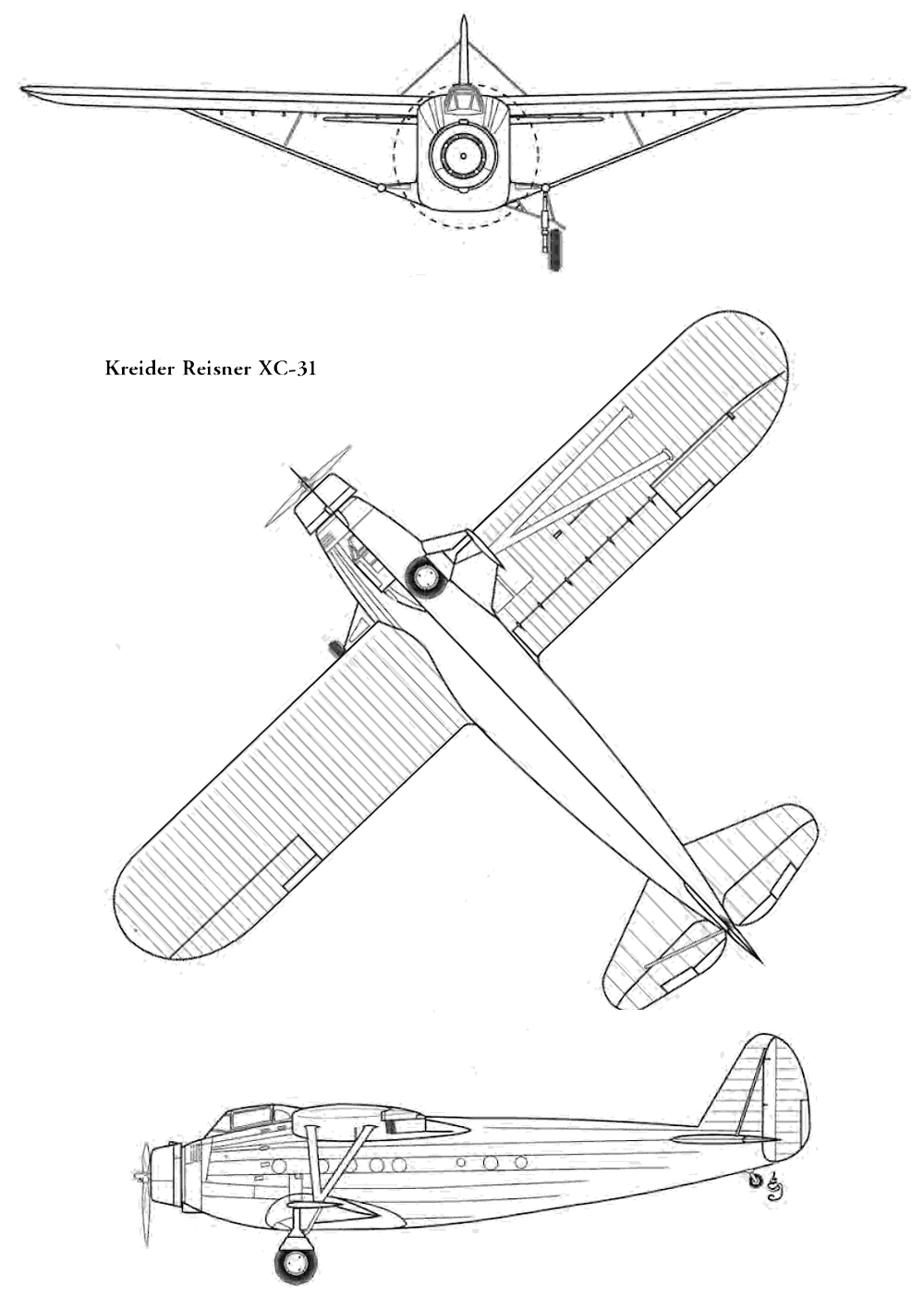
The XC-31 was a braced high-wing monoplane, powered by a Wright R-1820 Cyclone radial engine. It featured a light alloy construction with fabric covering and a conventional tail unit.
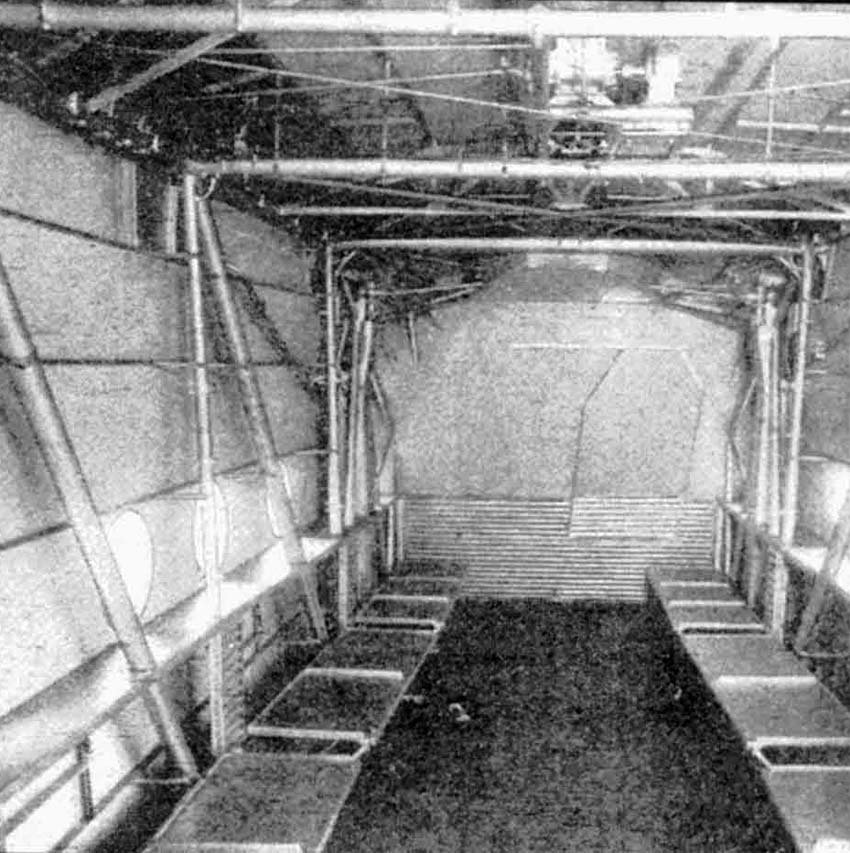
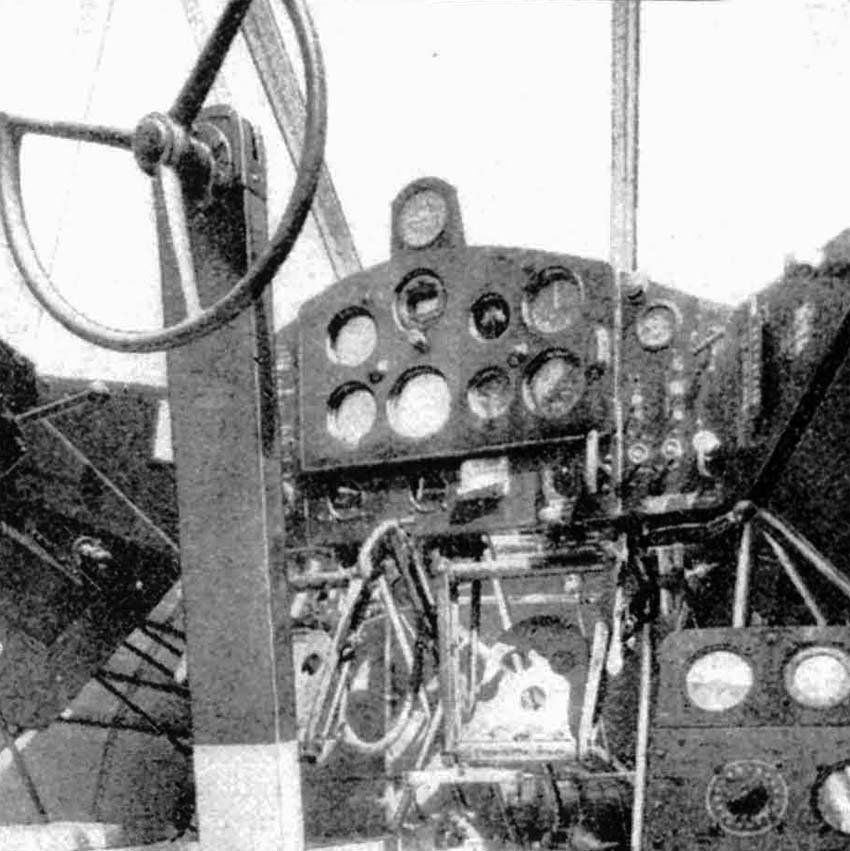
Its landing gear included a tail-wheel and retractable main struts. The pilot was seated in an enclosed cockpit positioned in front of the wing, and behind the cockpit, there was a voluminous cargo compartment with wide doors.
Trial Outcomes
Despite its innovative features, following operational trials, the Fairchild XC-31 did not receive any further orders from the U.S. Army Air Corps.
Technical Specifications
| Modification | XC-31 |
| Wingspan, m | 22.86 |
| Aircraft length, m | 16.76 |
| Aircraft height, m | 4.83 |
| Wing area, m2 | 74.51 |
| Empty weight | 3822 |
| Maximum takeoff weight | 6713 |
| Engine type | 1 Piston engine Wright R-1820-25 Cyclone |
| Power, hp | 1 x 750 |
| Maximum speed, km/h | 261 |
| Cruising speed, km/h | 230 |
| Practical range, km | 1239 |
| Service ceiling, m | 4570 |
| Crew | 1 |
| Payload | up to 15 passengers or 1600 kg of cargo |
Image and diagram gallery of the Fairchild XC-31
 C-31 |
 C-31 |
 C-31 |
 C-31 |
 C-31 |
 C-31 |
 C-31 |
 C-31 |
 C-31 |
 C-31 |
 C-31 |
 C-31 |
 C-31 |
Equipo Editorial de ArchivoAéreo
Grupo de investigadores y entusiastas de la aviación dedicados a documentar y preservar la historia aeronáutica mundial. Todos los artículos son revisados para garantizar precisión histórica.
Fuentes y Rigurosidad
La información presentada en esta ficha técnica ha sido compilada a partir de manuales de vuelo desclasificados, archivos históricos y bibliografía especializada. Aunque nos esforzamos por mantener la máxima precisión, algunos datos de rendimiento pueden variar según la variante específica o las condiciones operativas.