Sloan Bicurve
The Vision of John Sloan
American engineer John Sloan moved to France at the beginning of the last century to pursue aircraft construction. In a suburb of Paris, he built his workshop and even changed his name to a French one, becoming Jacques-Jules.
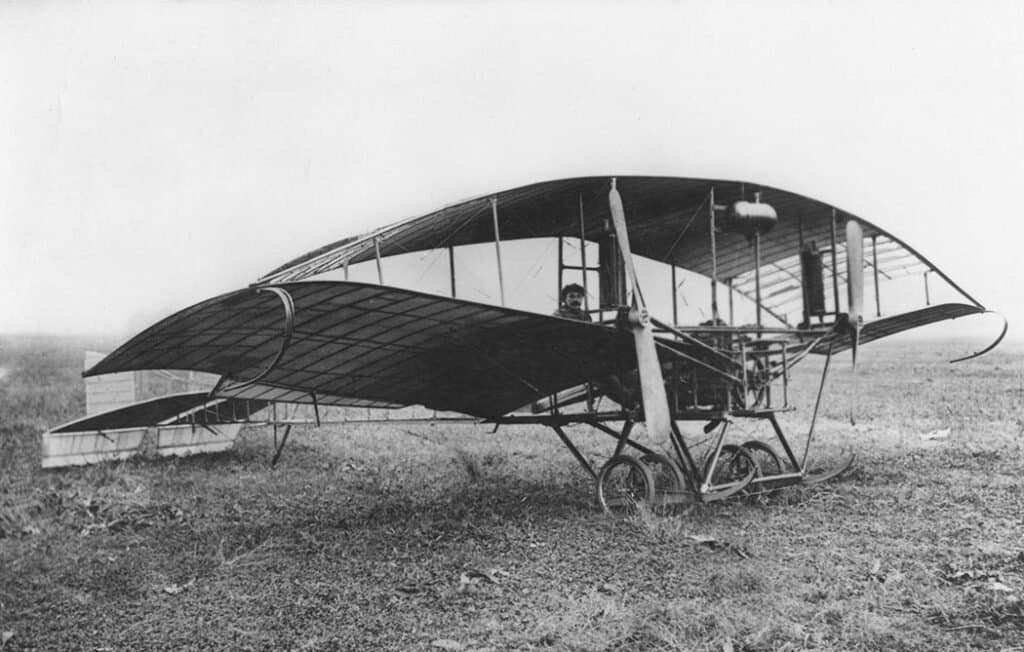
In 1910, Sloan introduced his first airplane, the Sloan Bicurve. Unlike most aircraft designers of that era, who prioritized superior flight characteristics, Sloan focused on flight safety. The designer made special efforts to ensure lateral stability and the ability to land in glider mode in the event of engine failure.
Innovative Design and Propulsion
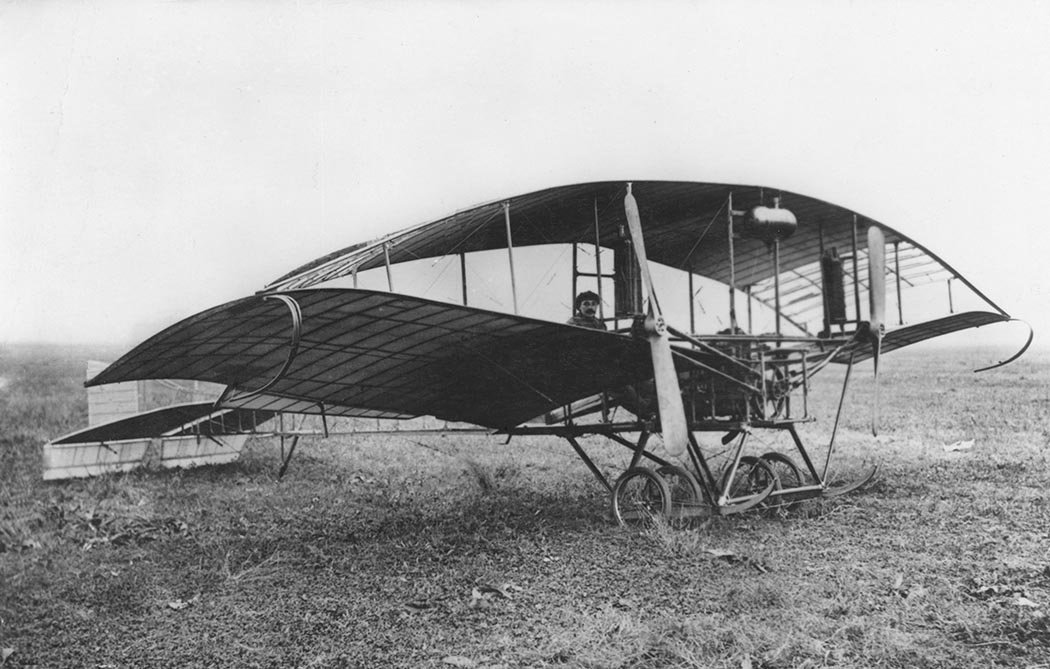
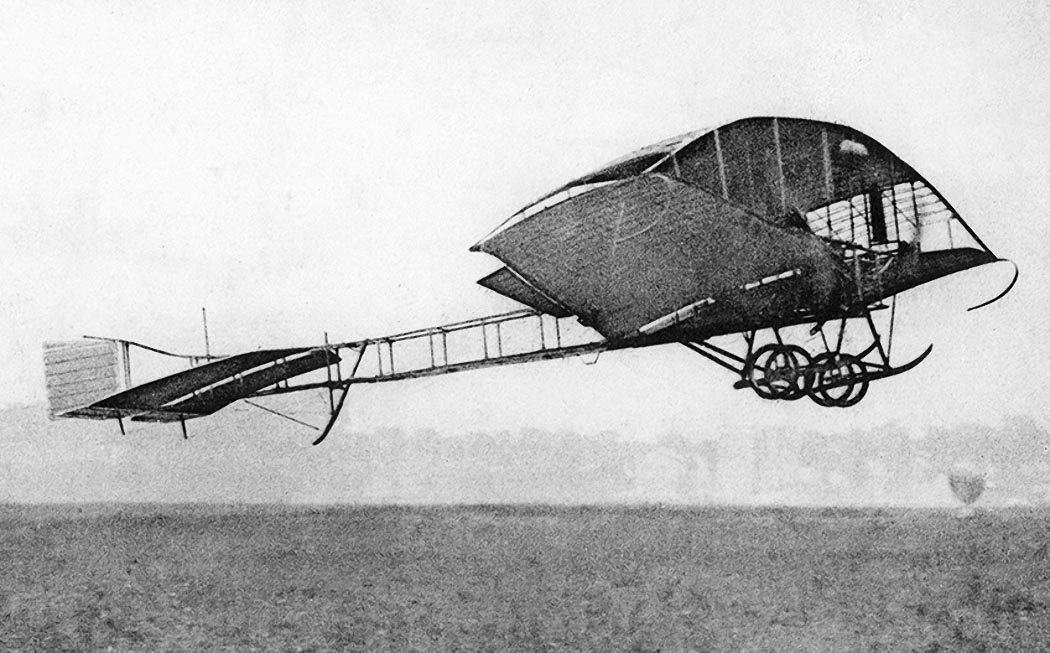
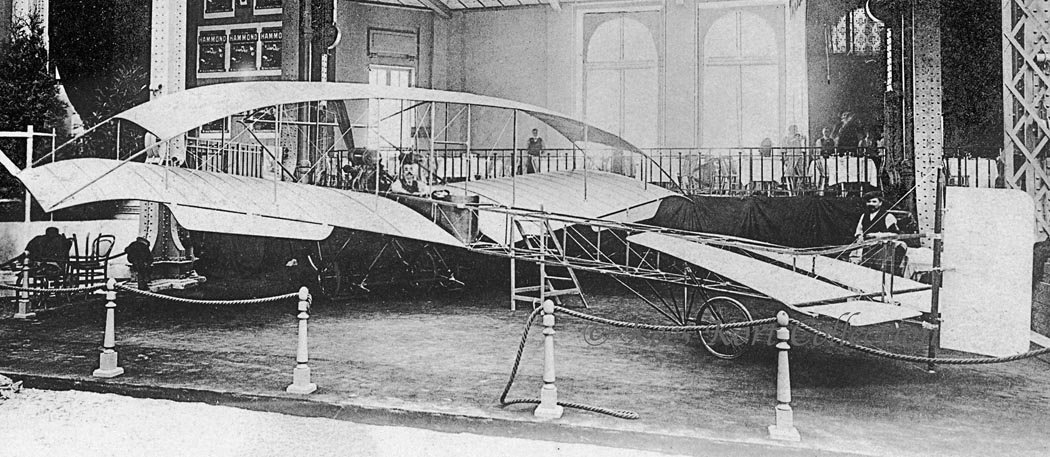
The Sloan Bicurve was a biplane where the upper wing was bent, so its ends connected with the lower wings. For propulsion, John Sloan tried several engines: a 35-horsepower Labor and a 50-horsepower Gnome.
The first variant of the aircraft had two pulling propellers, also developed by Sloan. On the second variant, built in 1911, the designer settled on a single propeller.
Technical Specifications
| Modification | Bicurve 1 |
| Wingspan, m | 10.65 |
| Length, m | 8.60 |
| Height, m | 2.80 |
| Wing area, m2 | 49.00 |
| Normal takeoff weight | 391 |
| Engine type | 1 Piston engine Gnome |
| Power, hp | 1 x 50 |
| Maximum speed, km/h | 75 |
| Crew | 2 |
Image and diagram gallery of the Sloan Bicurve
 Bicurve |
 Bicurve |
 Bicurve |
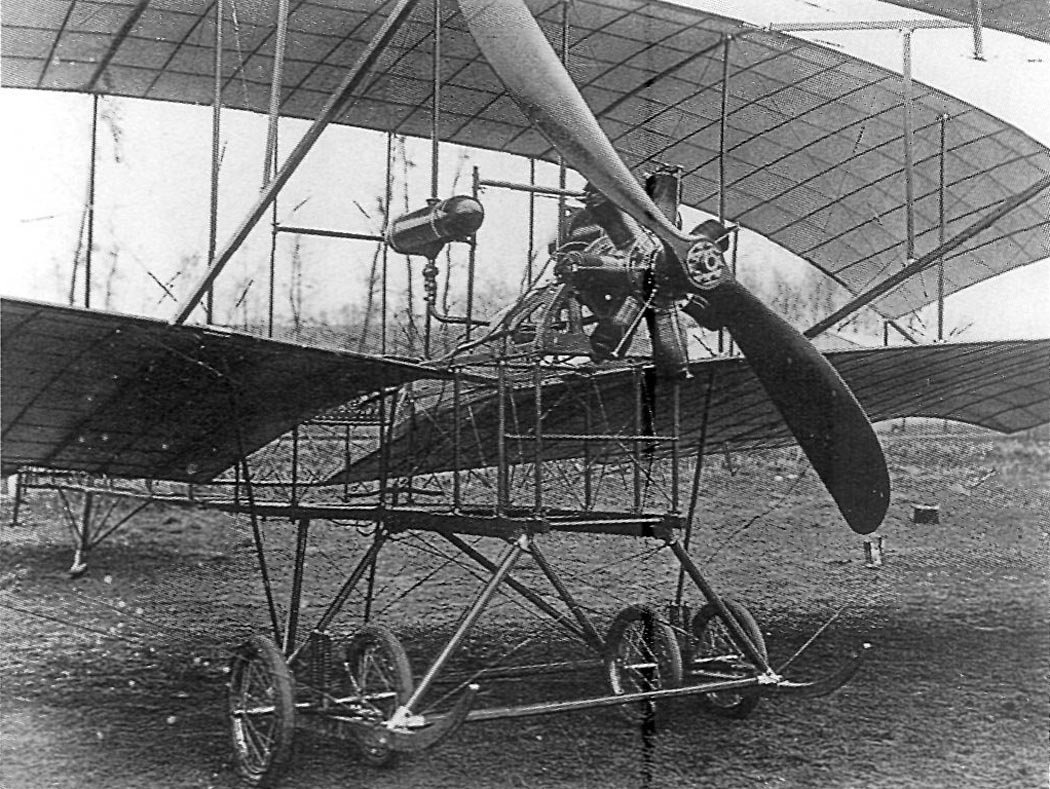 Bicurve |
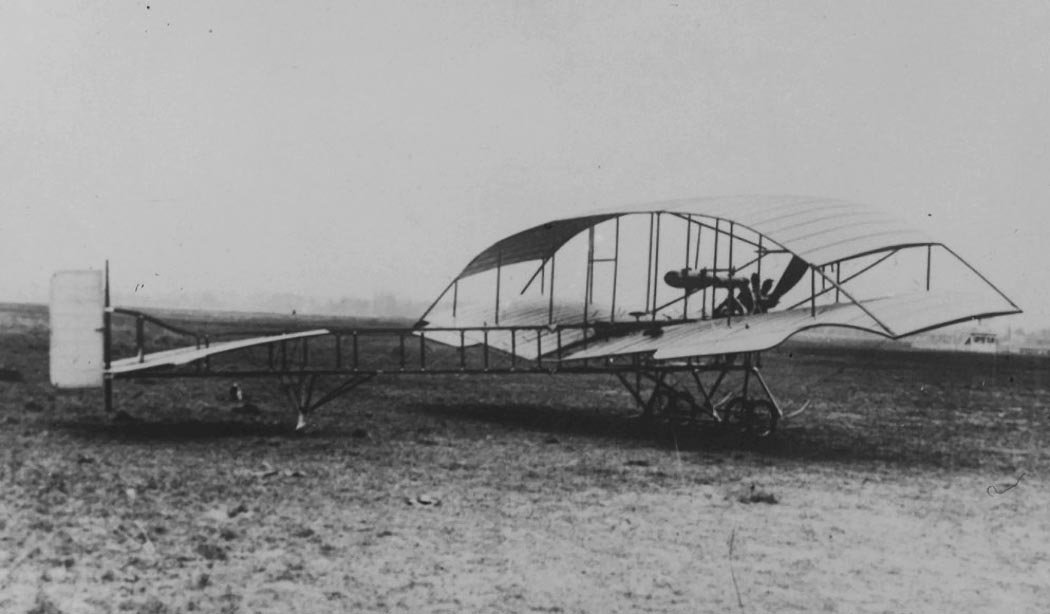 Bicurve |
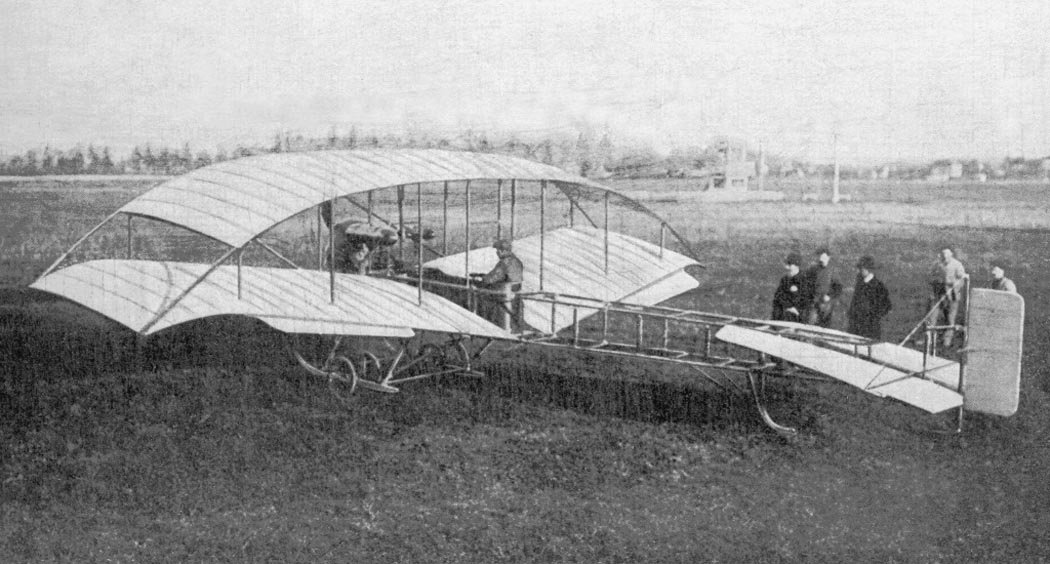 Bicurve |
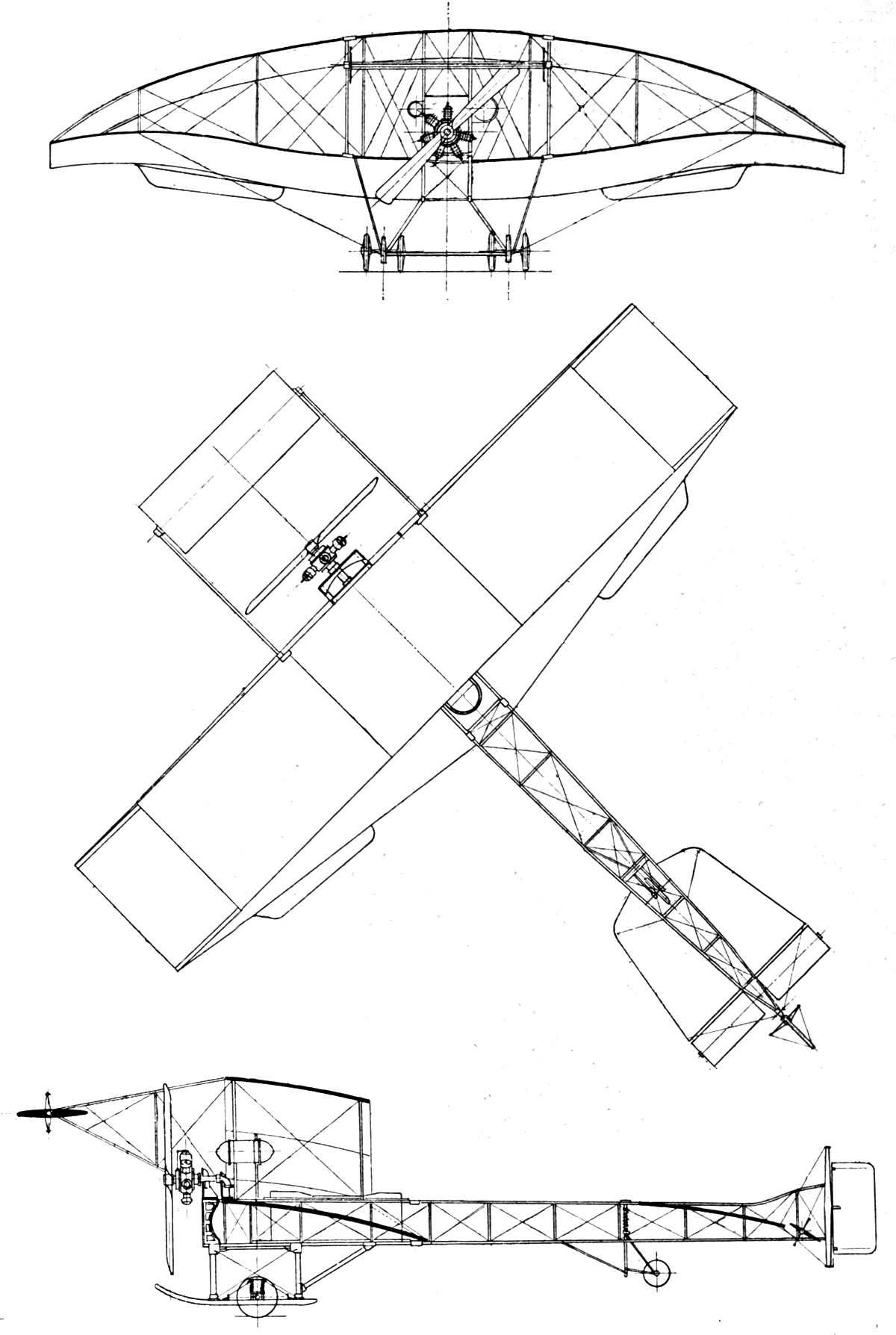 Bicurve |
ArchivoAéreo Editorial Team
A group of aviation researchers and enthusiasts dedicated to documenting and preserving global aeronautical history. All articles are reviewed to ensure historical accuracy.
Sources & Accuracy
The information presented in this technical sheet has been compiled from declassified flight manuals, historical archives, and specialized literature. While we strive for maximum accuracy, some performance data may vary depending on the specific variant or operational conditions.