Stearman XBT-17
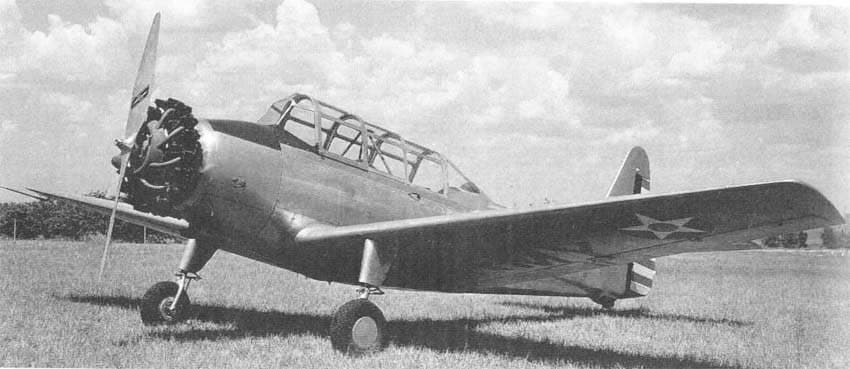
The Genesis: Stearman Model X-90
The first monoplane from Stearman Aircraft Company was an elementary trainer aircraft, designated Stearman Model X-90. The aircraft, featuring wooden wings and a fuselage nose section made of steel tubes, was equipped with a nine-cylinder Lycoming R-680-B4D engine producing 225 hp (168 kW).
Evolution to Stearman Model X-91
The sole example of the aircraft (registration number NX21924) first flew in 1940. The X-90 did not generate interest from the military, leading to the project being upgraded into a basic trainer aircraft. This variant, powered by a Pratt & Whitney R-985-AN-1 Wasp Junior engine delivering 450 hp (336 kW), was designated Stearman Model X-91.
Military Trials and Project Closure (XBT-17)
In January 1942, the trainer was transferred to the U.S. Army Air Forces for testing, where it received the designation XBT-17 and serial number 42-8726. Failing to show anything outstanding, the aircraft was not accepted by the military, and the project was closed.
Technical Specifications
| Modification | X BT-17 |
| Wingspan, m | 10.90 |
| Length, m | 8.46 |
| Height, m | 2.57 |
| Wing area, m2 | 19.00 |
| Empty weight | 1 397 |
| Maximum takeoff weight | 1882 |
| Engine type | 1 Piston engine Pratt & Whitney R-985-AN-1 Wasp Junior |
| Power, hp | 1 x 450 |
| Maximum speed, km/h | 306 |
| Cruising speed, km/h | 257 |
| Practical range, km | 650 |
| Rate of climb, m/min | 396 |
| Service ceiling, m | 6096 |
| Crew | 2 |
Image and diagram gallery of the Stearman XBT-17
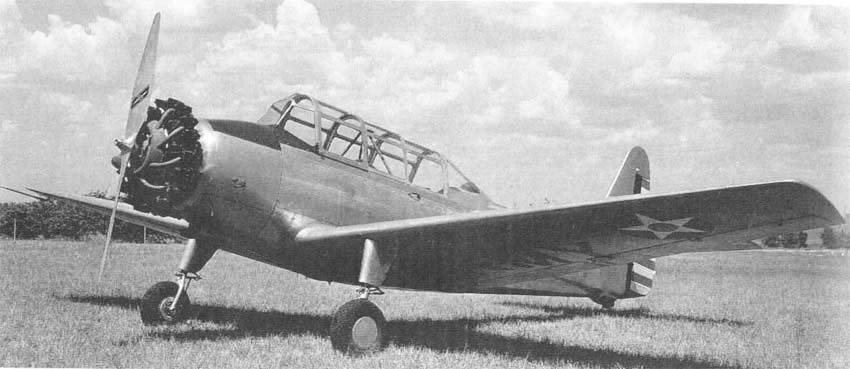 BT-17 |
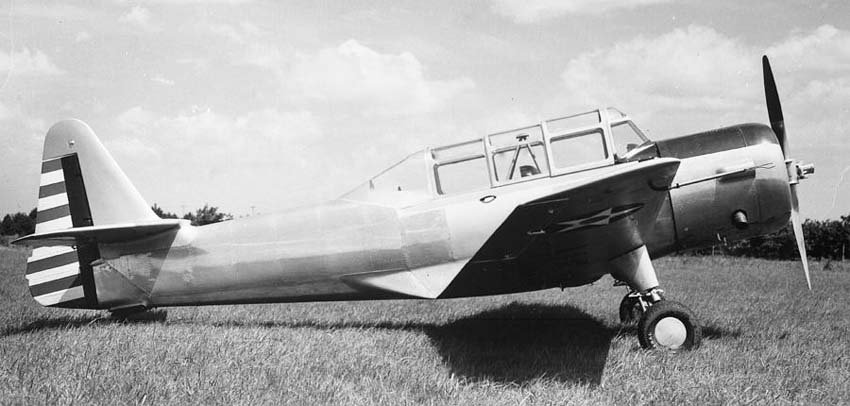 BT-17 |
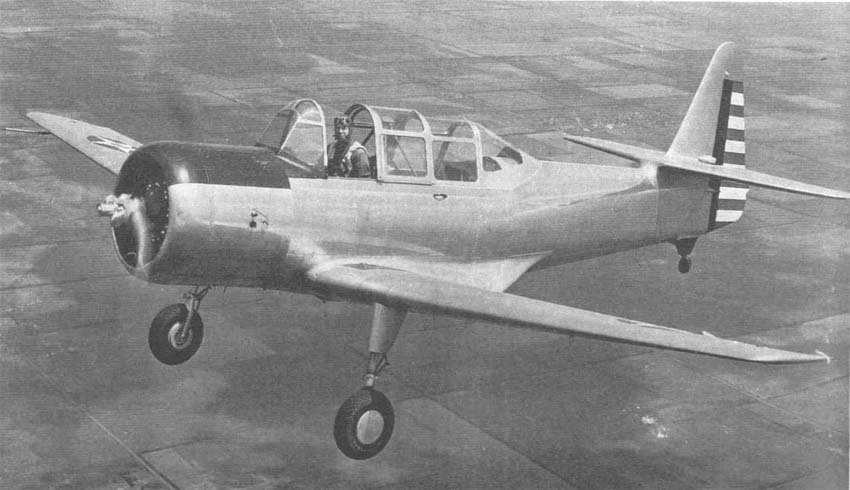 BT-17 |
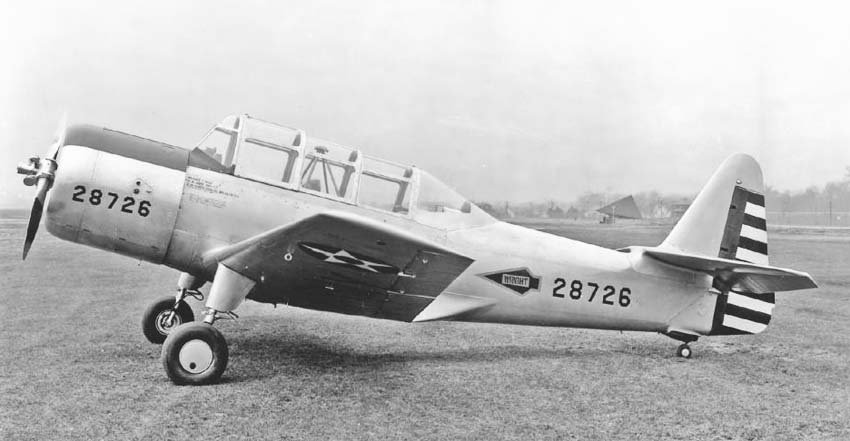 BT-17 |
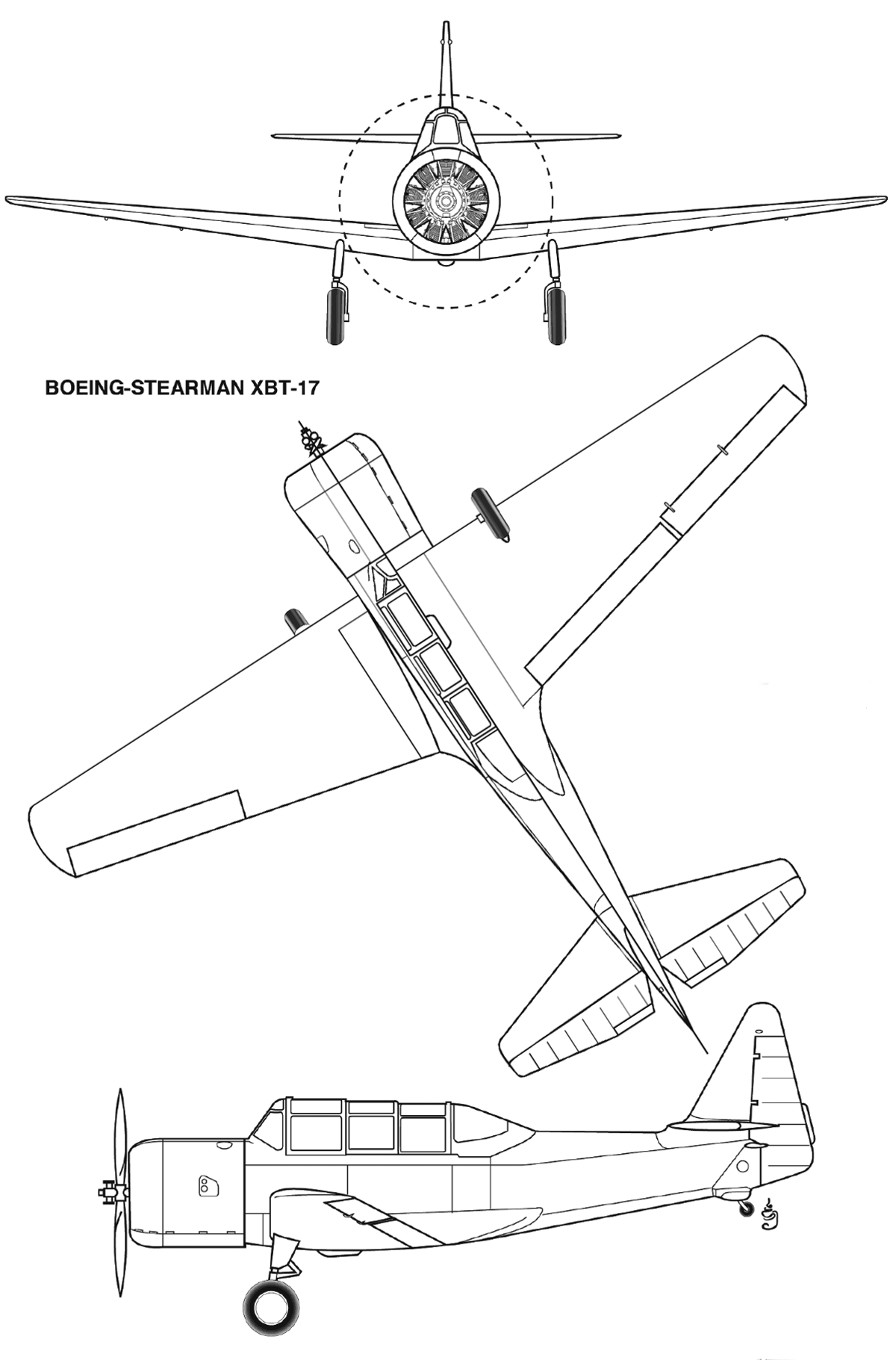 BT-17 |
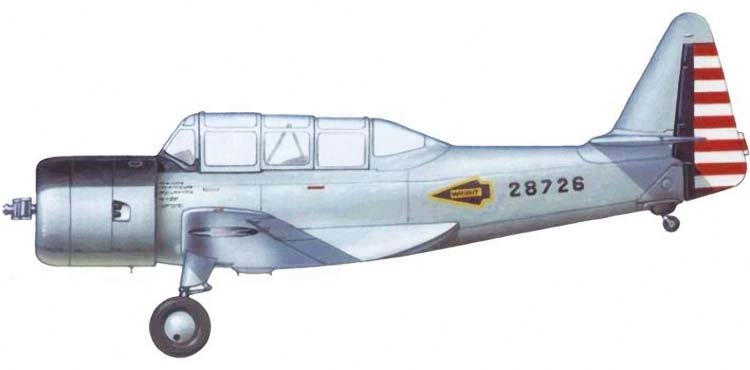 BT-17 |
ArchivoAéreo Editorial Team
A group of aviation researchers and enthusiasts dedicated to documenting and preserving global aeronautical history. All articles are reviewed to ensure historical accuracy.
Sources & Accuracy
The information presented in this technical sheet has been compiled from declassified flight manuals, historical archives, and specialized literature. While we strive for maximum accuracy, some performance data may vary depending on the specific variant or operational conditions.