Stearman XBT-17
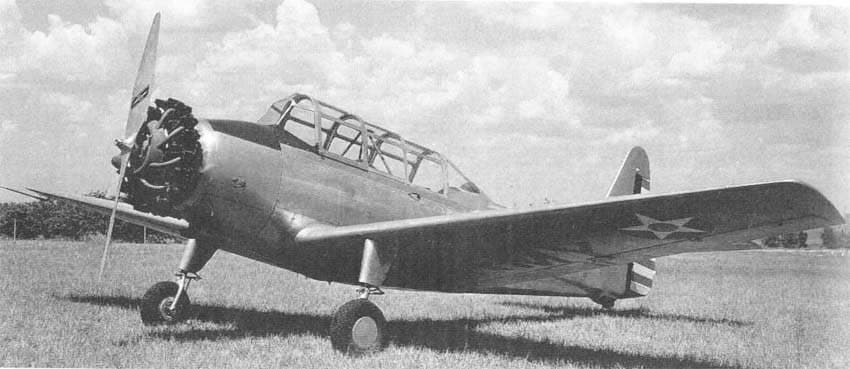
The Genesis: Stearman Model X-90
The first monoplane from Stearman Aircraft Company was an elementary trainer aircraft, designated Stearman Model X-90. The aircraft, featuring wooden wings and a fuselage nose section made of steel tubes, was equipped with a nine-cylinder Lycoming R-680-B4D engine producing 225 hp (168 kW).
Evolution to Stearman Model X-91
The sole example of the aircraft (registration number NX21924) first flew in 1940. The X-90 did not generate interest from the military, leading to the project being upgraded into a basic trainer aircraft. This variant, powered by a Pratt & Whitney R-985-AN-1 Wasp Junior engine delivering 450 hp (336 kW), was designated Stearman Model X-91.
Military Trials and Project Closure (XBT-17)
In January 1942, the trainer was transferred to the U.S. Army Air Forces for testing, where it received the designation XBT-17 and serial number 42-8726. Failing to show anything outstanding, the aircraft was not accepted by the military, and the project was closed.
Technical Specifications
| Modification | X BT-17 |
| Wingspan, m | 10.90 |
| Length, m | 8.46 |
| Height, m | 2.57 |
| Wing area, m2 | 19.00 |
| Empty weight | 1 397 |
| Maximum takeoff weight | 1882 |
| Engine type | 1 Piston engine Pratt & Whitney R-985-AN-1 Wasp Junior |
| Power, hp | 1 x 450 |
| Maximum speed, km/h | 306 |
| Cruising speed, km/h | 257 |
| Practical range, km | 650 |
| Rate of climb, m/min | 396 |
| Service ceiling, m | 6096 |
| Crew | 2 |
Image and diagram gallery of the Stearman XBT-17
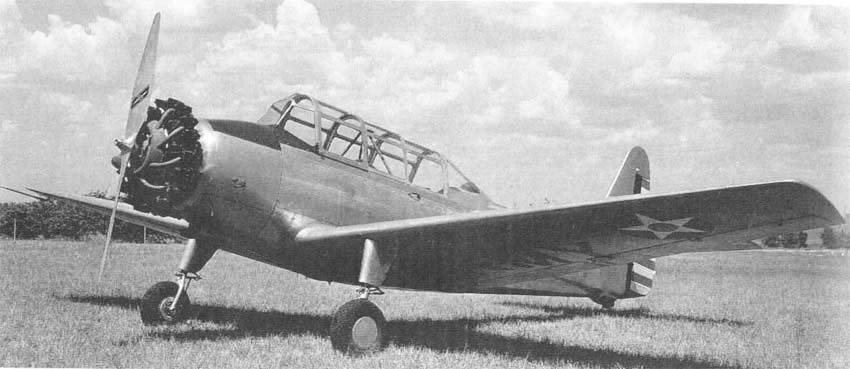 BT-17 |
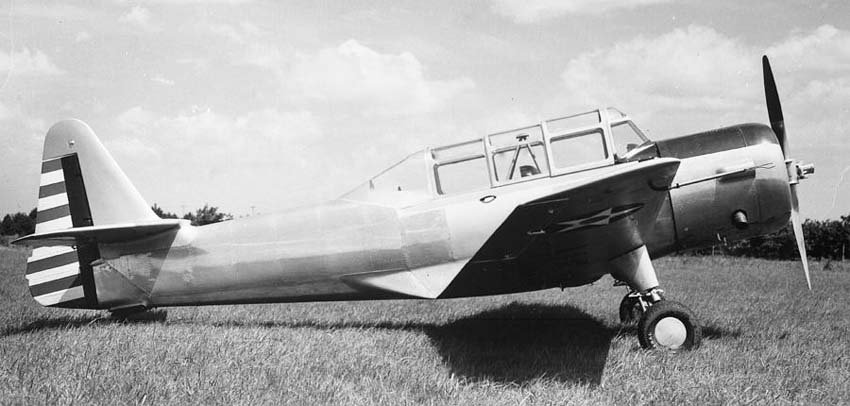 BT-17 |
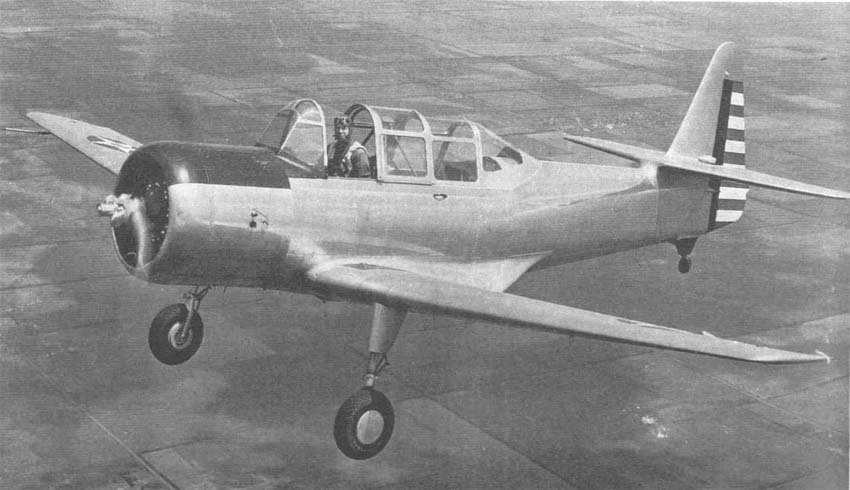 BT-17 |
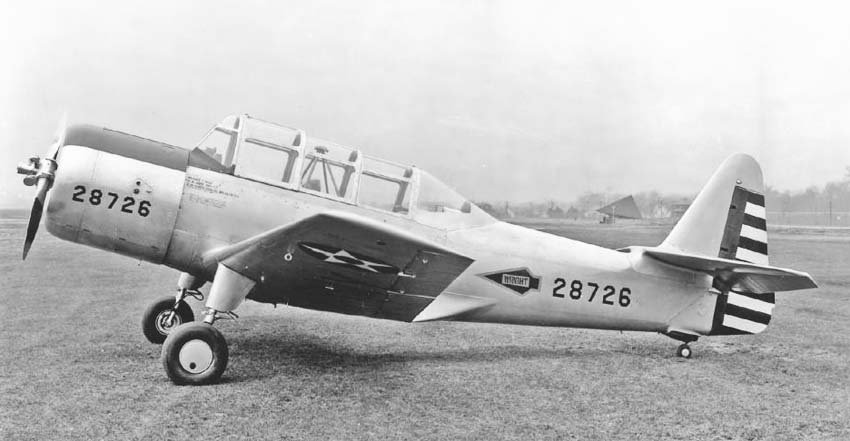 BT-17 |
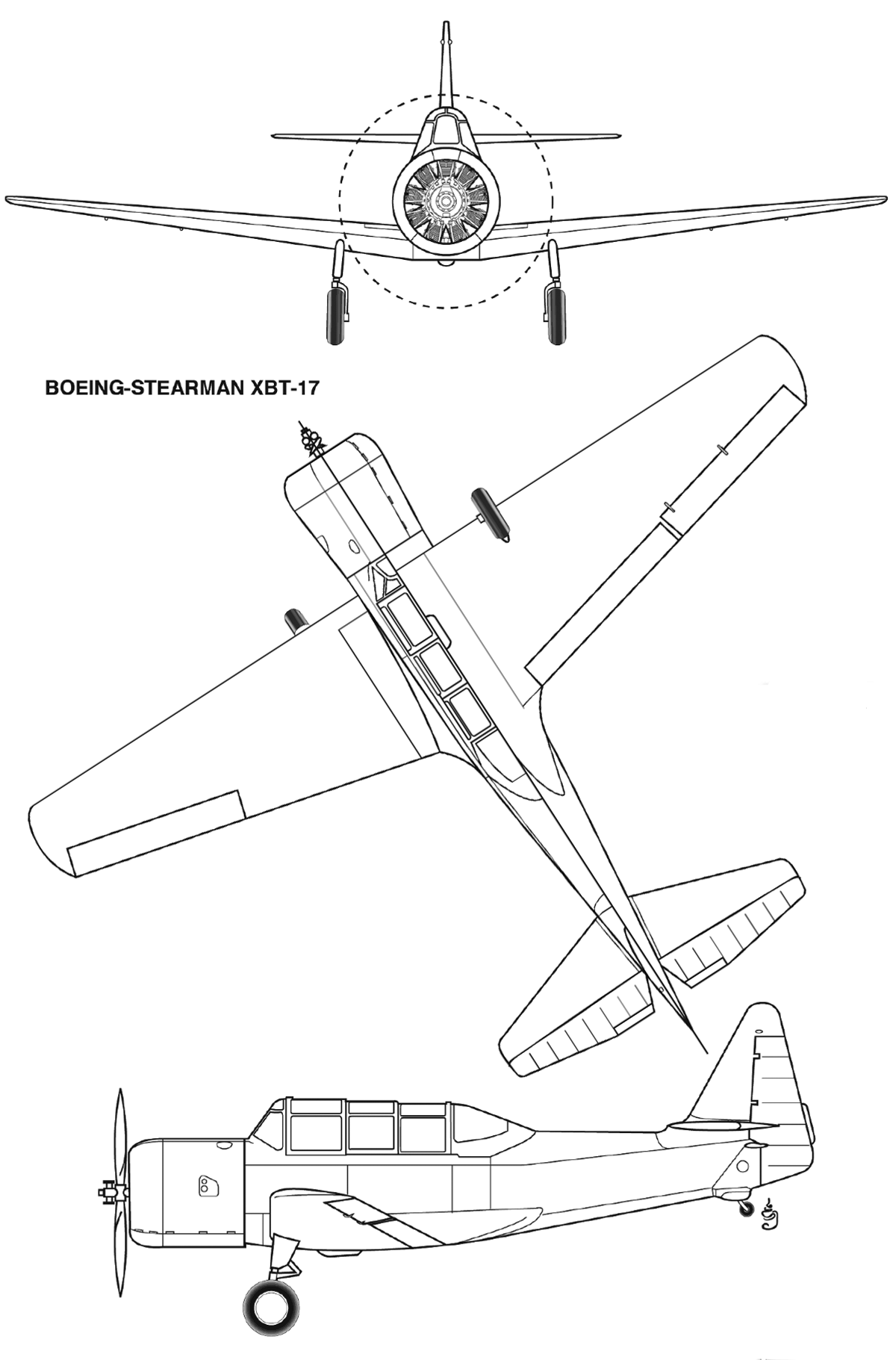 BT-17 |
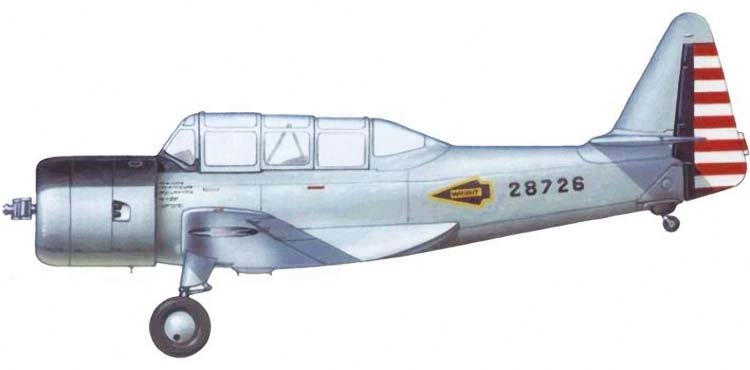 BT-17 |
Equipo Editorial de ArchivoAéreo
Grupo de investigadores y entusiastas de la aviación dedicados a documentar y preservar la historia aeronáutica mundial. Todos los artículos son revisados para garantizar precisión histórica.
Fuentes y Rigurosidad
La información presentada en esta ficha técnica ha sido compilada a partir de manuales de vuelo desclasificados, archivos históricos y bibliografía especializada. Aunque nos esforzamos por mantener la máxima precisión, algunos datos de rendimiento pueden variar según la variante específica o las condiciones operativas.