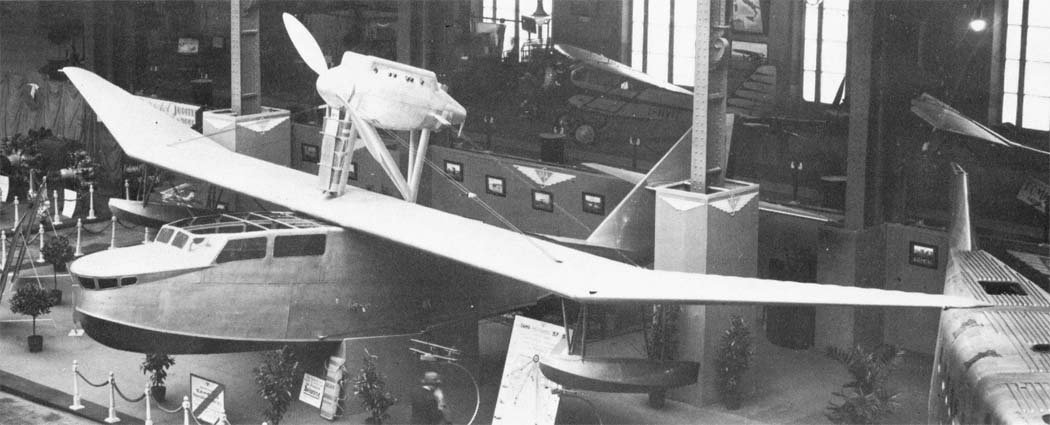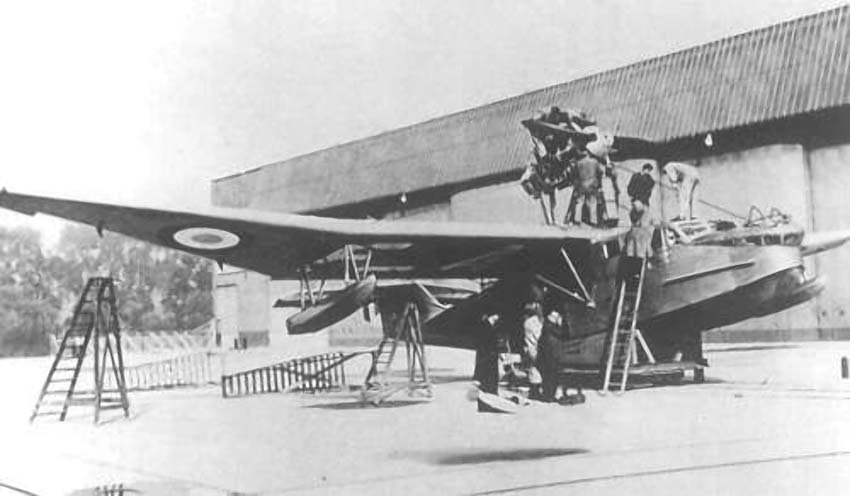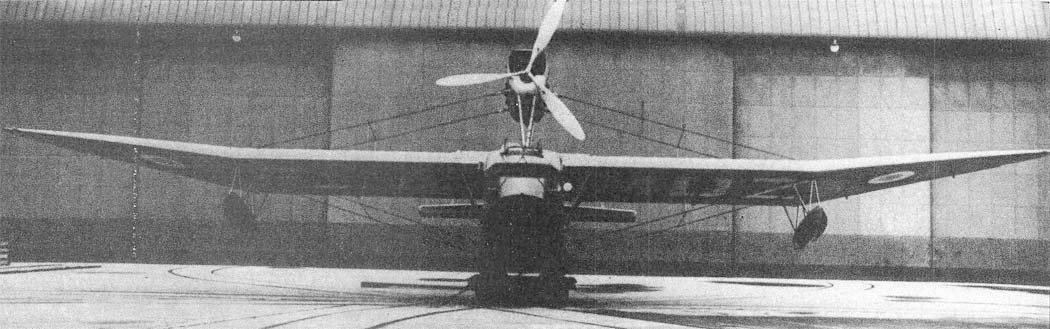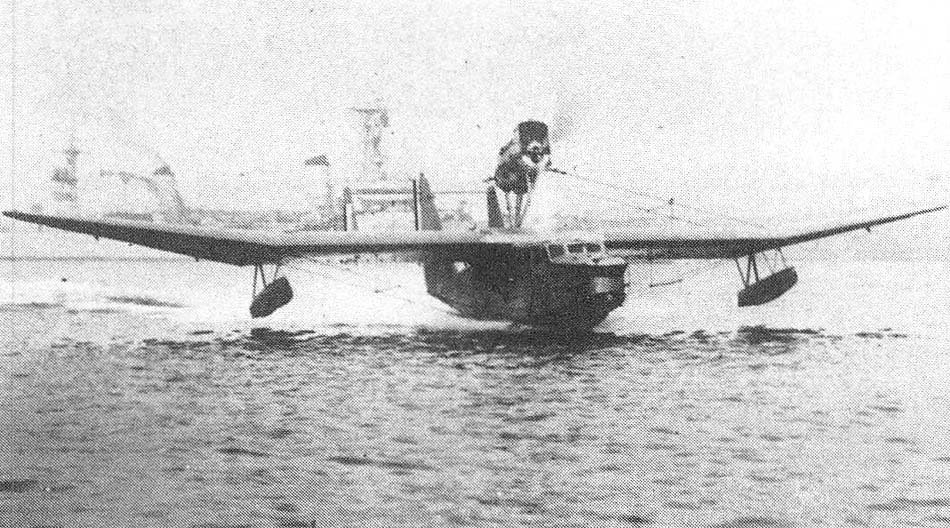
Development of the CAMS 80
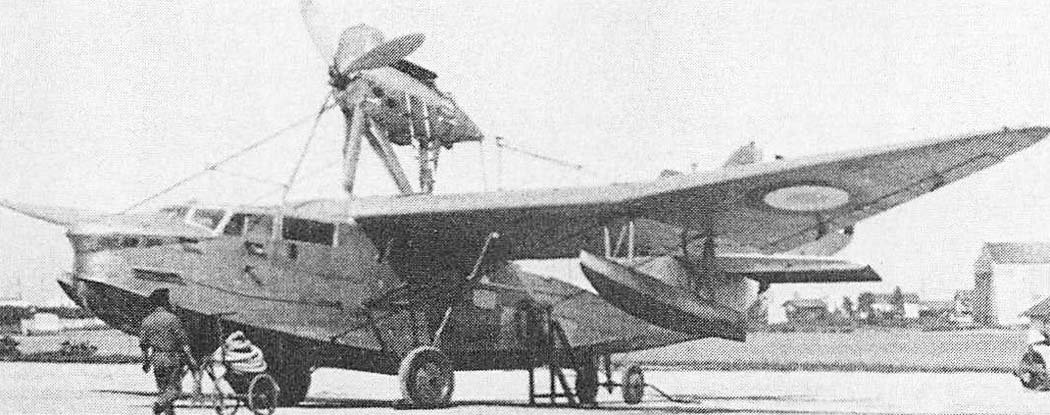
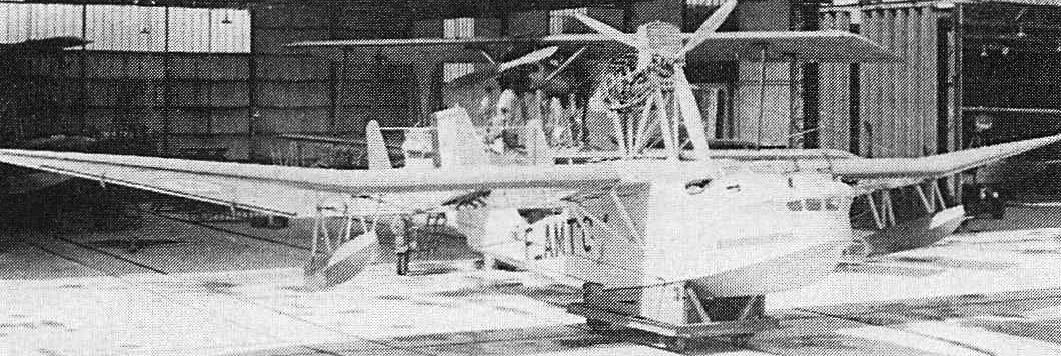
In 1931, a design group led by Maurice Hurel developed a flying boat project based on the 1929 French Navy specification. This called for a three-seat, shore-based coastal patrol flying boat. Construction of the aircraft, designated CAMS 80, was completed by 1932.
The prototype’s maiden flight took place that same year, equipped with a 650 hp Hispano-Suiza 12 Nbr engine. This marked the beginning of the model’s brief yet intriguing operational history.
Variants and Upgrades
Two years later, another prototype, the CAMS 80-02, was built. This variant differed from the first with an open cockpit, a slightly increased fuselage length, and more powerful engines. The CAMS 80-02 was powered by 860 hp Hispano-Suiza 12 Ydrs engines.
Service and Decommissioning
In 1935, both versions were transferred to the Saint-Raphaël Fleet research center. Following thorough testing, the flying boats were utilized for personnel transport and for testing various equipment. Both CAMS 80 aircraft were decommissioned in 1938.
Technical Specifications
| Modification | CAMS 80- 2 |
| Wingspan, m | 24. 60 |
| Length, m | 13. 72 |
| Height, m | 6.01 |
| Wing area, m2 | 62. 04 |
| Empty weight | 3130 |
| Maximum takeoff weight | 5150 |
| Engine type | 1 Piston engine Hispano-Suiza 12 Ydrs |
| Power, hp | 1 х 86 0 |
| Maximum speed, km/h | 2 30 |
| Cruising speed, km/h | 200 |
| Practical range, km | 1300 |
| Practical ceiling, m | 6000 |
| Crew | 3 |
Image gallery of the CAMS 80