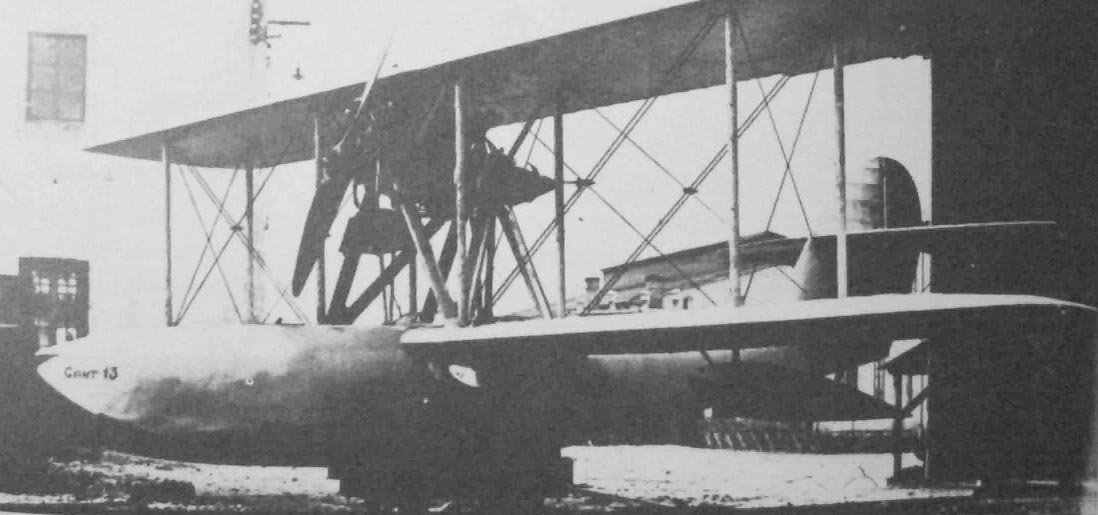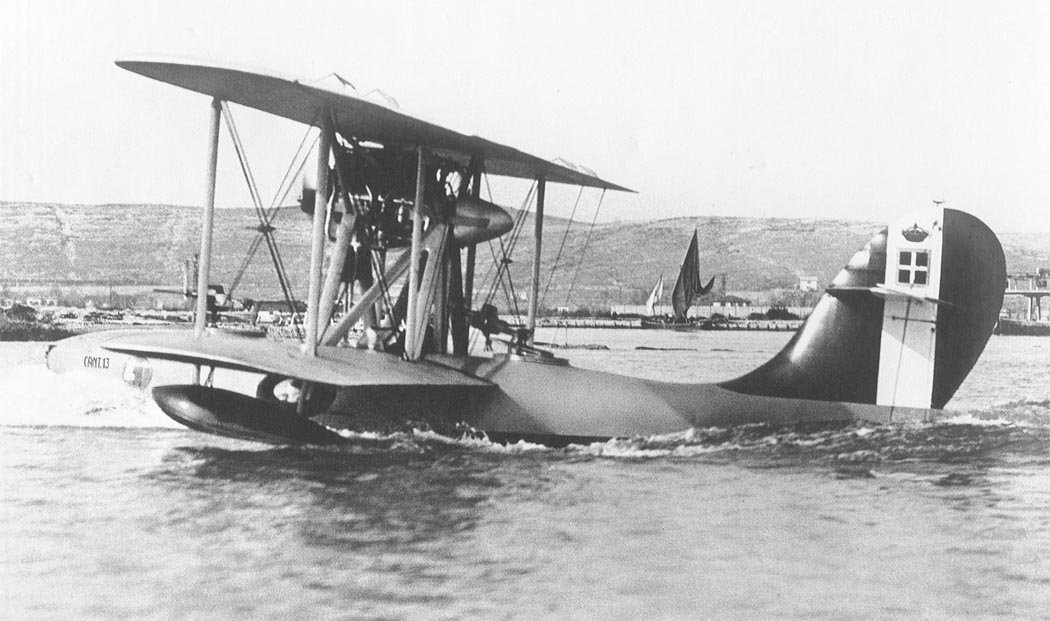
In 1925, the Italian Ministry of Aeronautics issued specifications for a military flying boat, designed for reconnaissance flights and bombing enemy ships and submarines. Cantieri Navali Triestini (CNT) participated in the tender, with engineer Raffaele Conflenti leading the development. That same year, two CNT 13 flying boats were built for the Royal Italian Navy’s aviation arm.
Design and Technical Specifications
The aircraft was a two-seater, two-bay biplane, powered by a single 400 hp (294 kW) Lorraine-Dietrich 12Db V-12 water-cooled engine. Its armament included two 7.7-mm Lewis machine guns and light bombs weighing up to 100 kilograms, carried on underwing hardpoints.
Trials and Operational Service
The CNT 13 successfully passed military trials, demonstrating good flight characteristics. However, due to a change in the General Staff’s plans, serial production of the flying boats never commenced. Despite this, both constructed aircraft were purchased by the navy and remained in service for another two years.
The CANT 13: A Name Change
In 1930, following the company’s name change to Cantieri Aeronautici e Navali Triestini (CANT), the designation CNT 13 was updated to CANT 13.
Technical Specifications
| Modification | CANT 13 |
| Wingspan, m | 14.68 |
| Aircraft length, m | 10.00 |
| Empty weight | 1800 |
| Engine type | 1 Piston engine Lorraine-Dietrich 12Db |
| Power, hp | 1 x 400 |
| Maximum speed, km/h | 190 |
| Cruising speed, km/h | 175 |
| Service ceiling, m | 4600 |
| Crew, crew | 2 |
| Armament: | two 7.7-mm machine guns, up to 100 kg of light bombs |
Image gallery of the CANT 13