Aviation Needs in Pre-War France
In the latter half of the 1930s, France began to awaken from a lethargic slumber, confronting the new realities in Europe brought about by Hitler’s rise to power in Germany. This period was marked by extensive efforts to expand all components of the Air Force, coupled with intensive training for new pilots and other flight crew members.
Naval aviation was no exception, facing a significant shortage of suitable aircraft for training flying boat pilots. It was anticipated that pilots who had completed basic training on land-based aircraft would transition to these machines, requiring them to adapt to the unique characteristics of seaborne operations.
Design and Early Prototypes
On July 6, 1937, the Admiralty issued specification A-49 for a training flying boat, designated ED-2 (Ecole, Debut = training + elementary). This was envisioned as a two-seater aircraft with side-by-side seating for the student and instructor. The Loire-Nieuport company in St. Nazaire, under the direction of engineer Kerguistel, began developing a machine of this class.
Shortly before, Loire-Nieuport had successfully created the LN.130, a catapult-launched naval reconnaissance flying boat. It seemed most straightforward to scale down the LN.130’s design by 13:16, retaining many of its structural elements. However, before full-scale work began, the French aviation industry underwent nationalization, and the Loire-Nieuport factory became part of the national group SNCAO (Société Nationale de Constructions Aéronautiques de l’Ouest), which continued the aircraft’s development under the designation CAO.30.
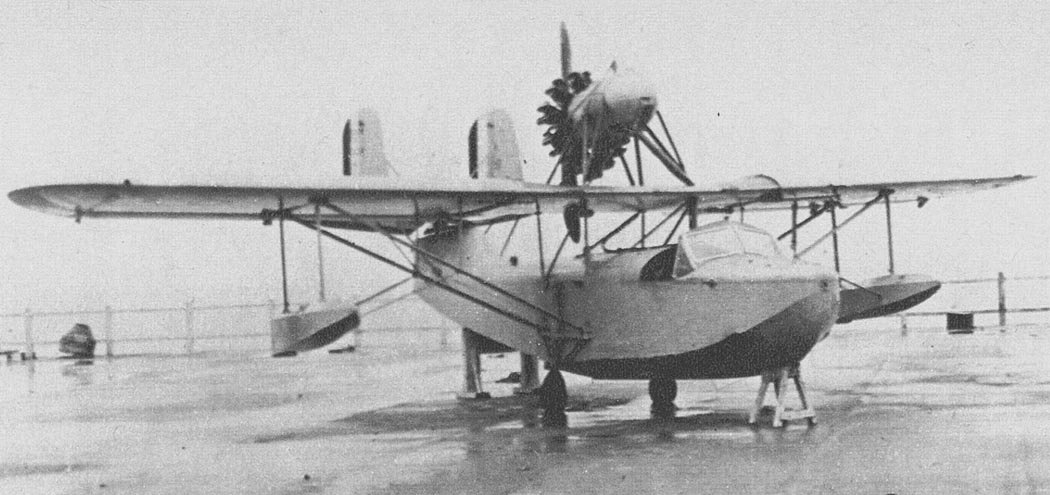
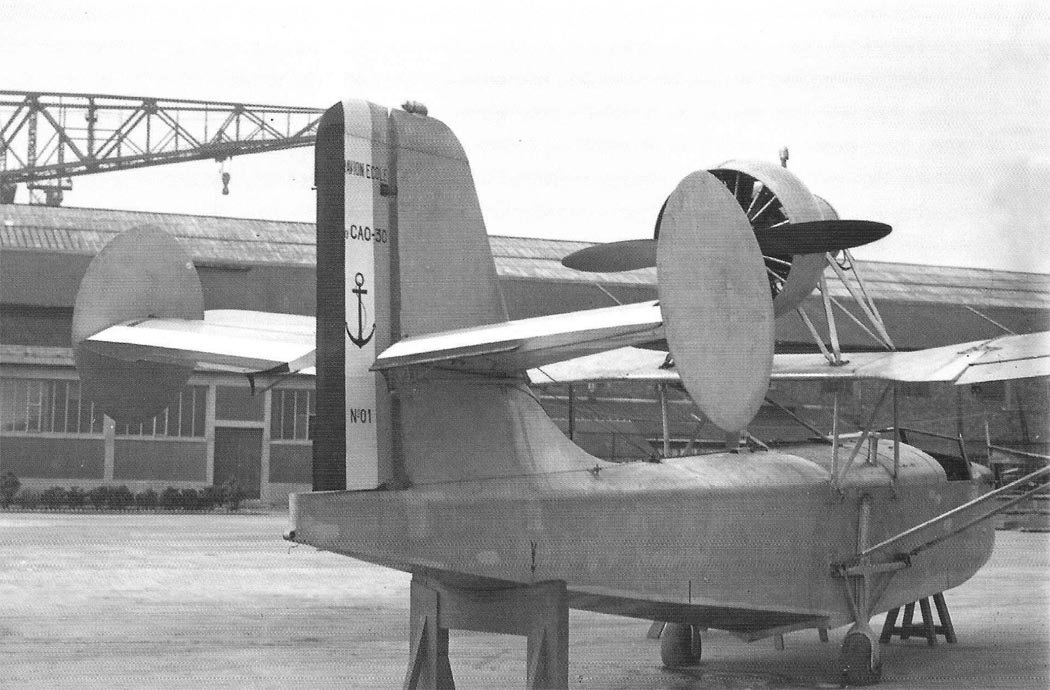
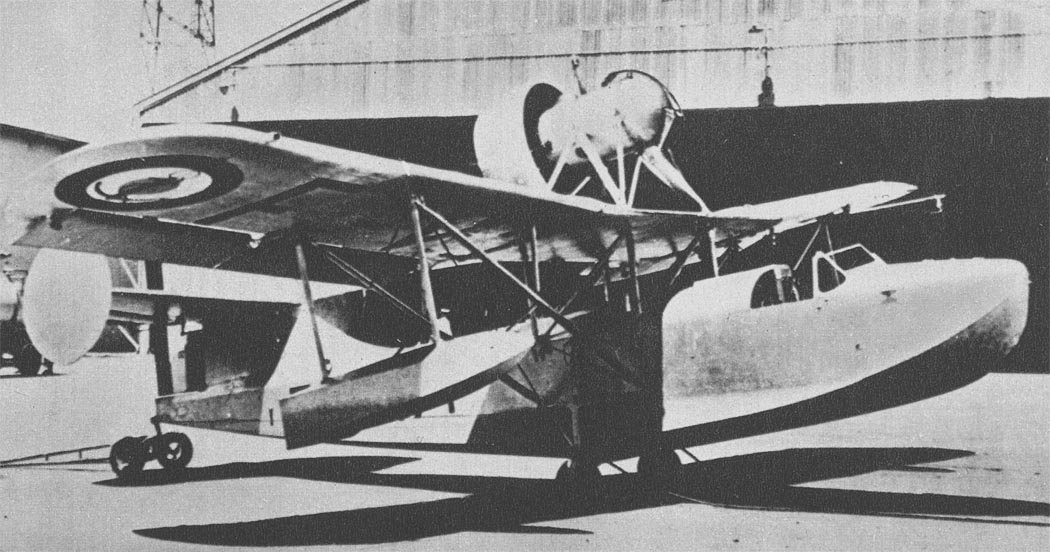
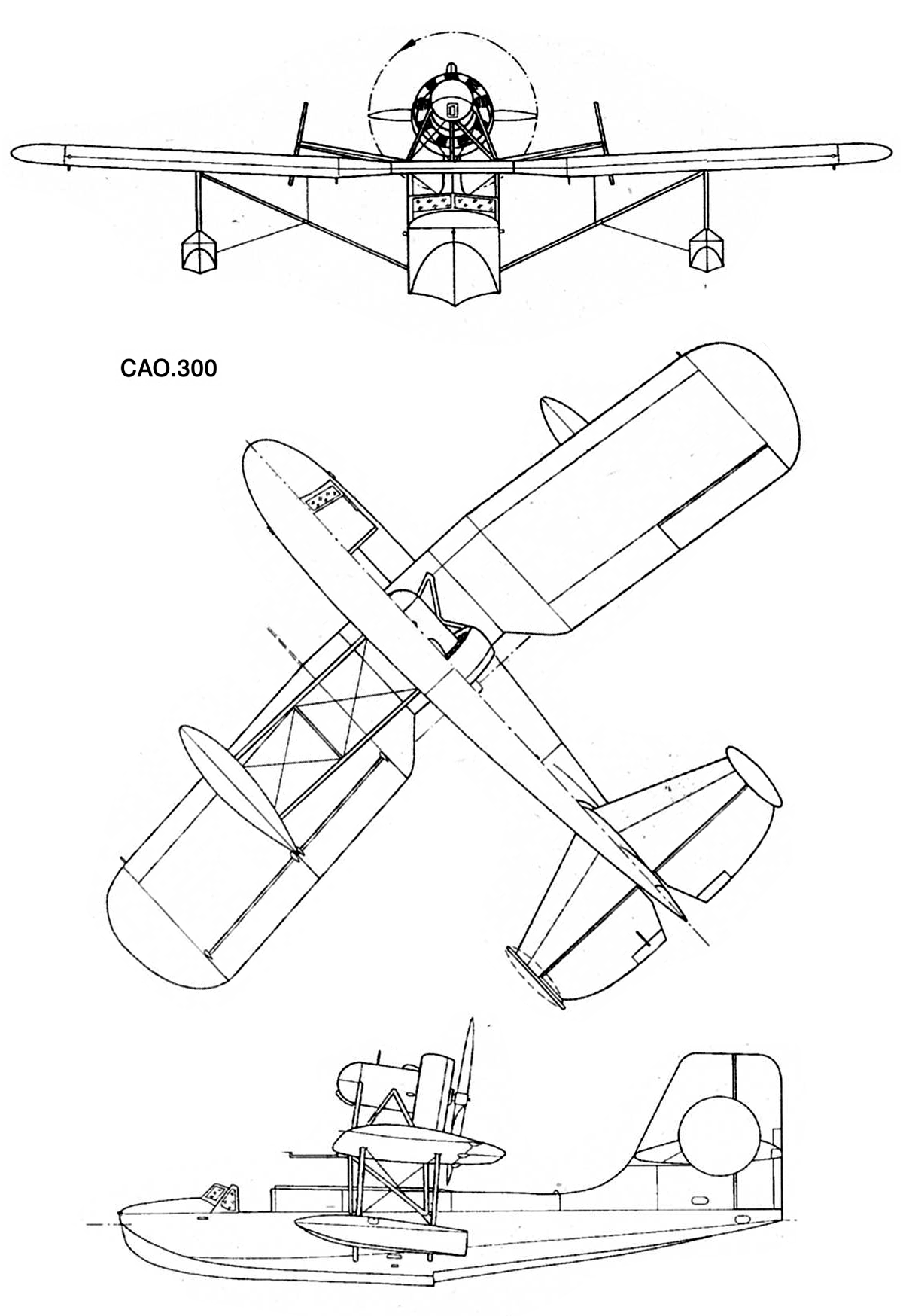
The new type of aircraft was expected to support three stages of pilot training. Given the specification’s demand for a simple and inexpensive machine, the company opted for an all-wood construction, despite having limited experience with such designs, although a considerable amount of aluminum was also incorporated. Wind tunnel tests indicated that the large-area single vertical stabilizer needed to be replaced with a twin-fin configuration.
Testing, Refinements, and Fate
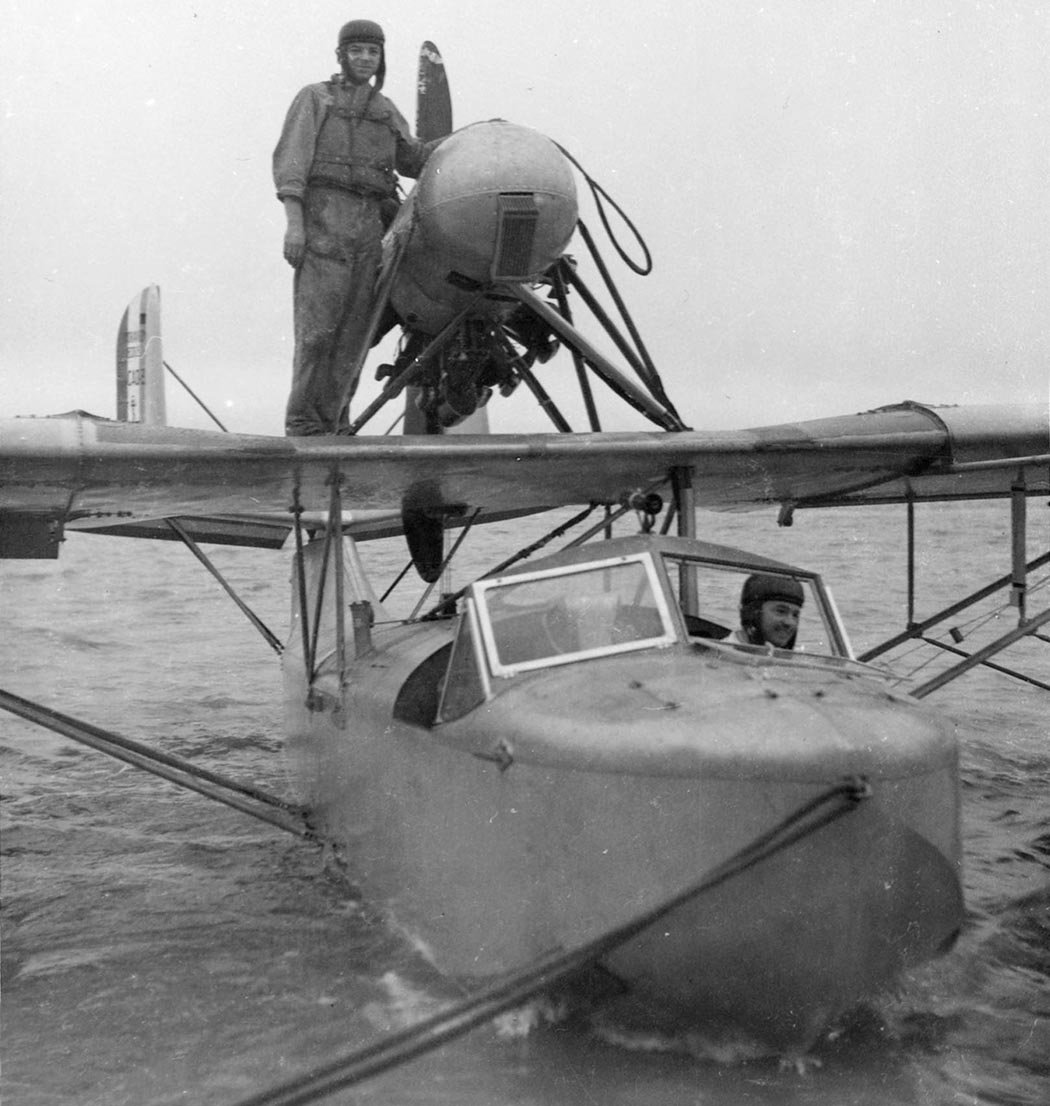
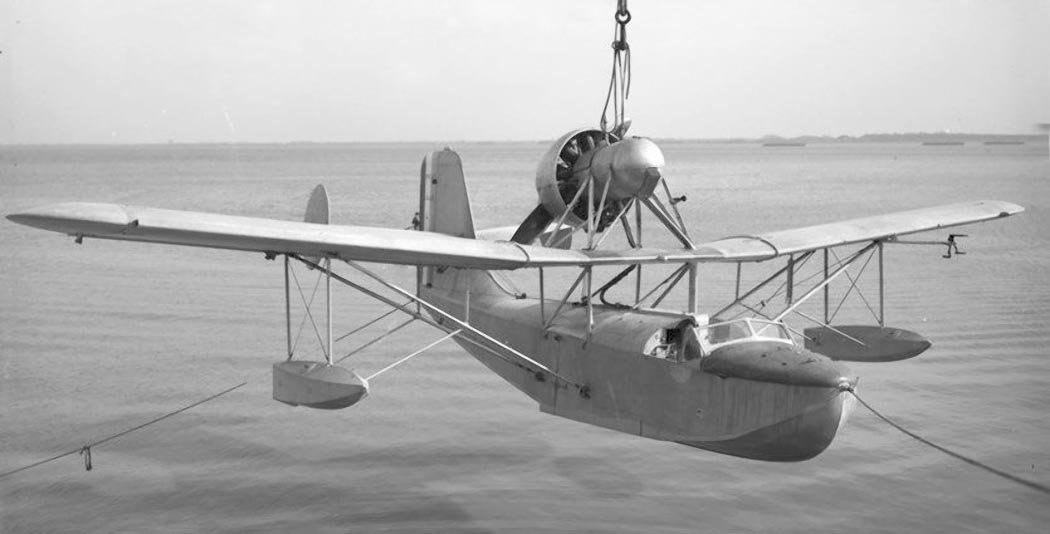
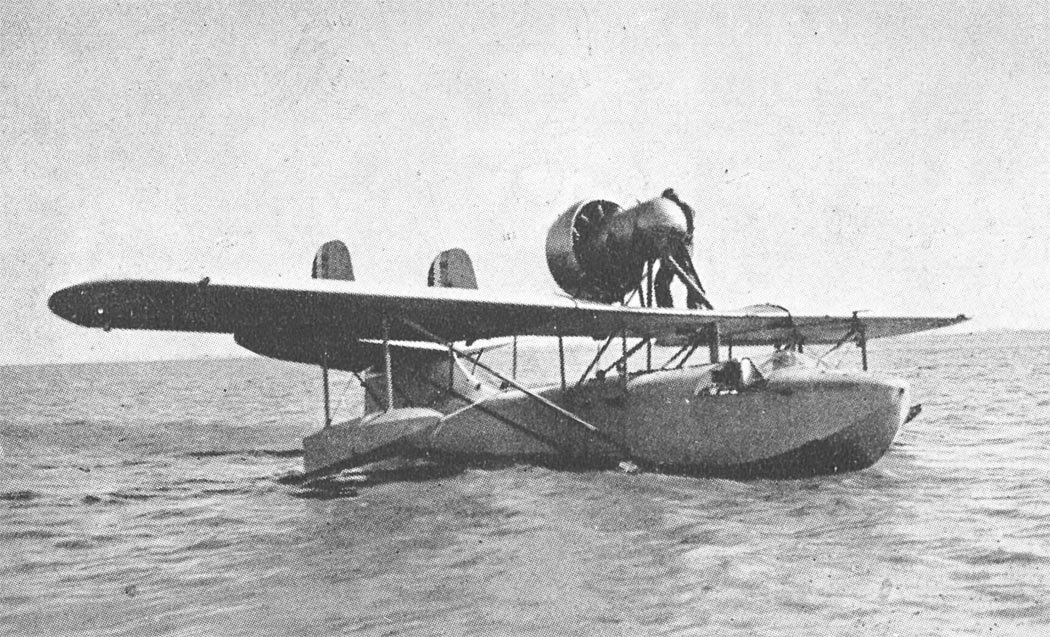
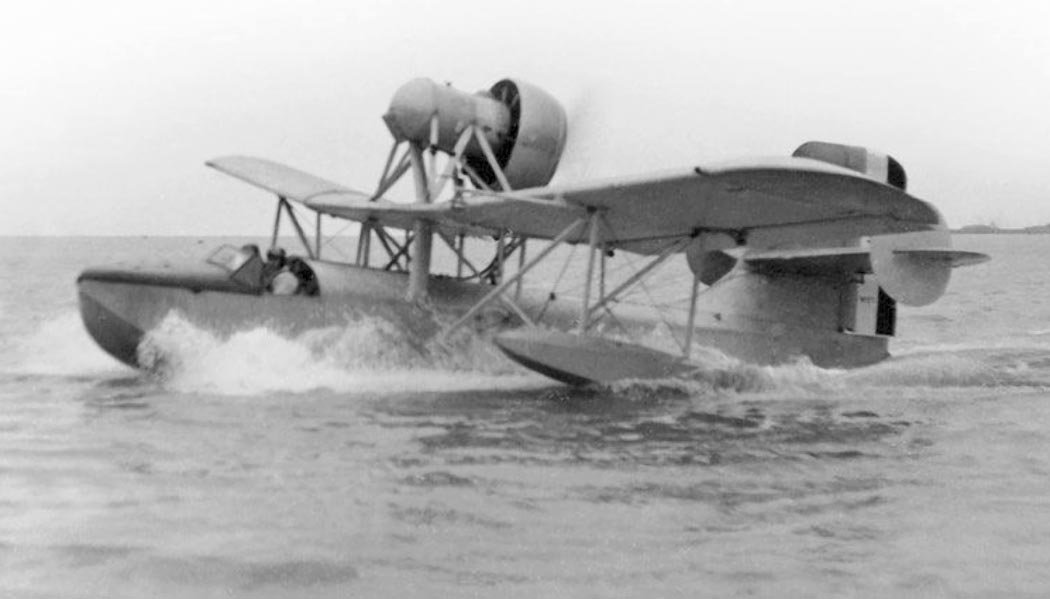
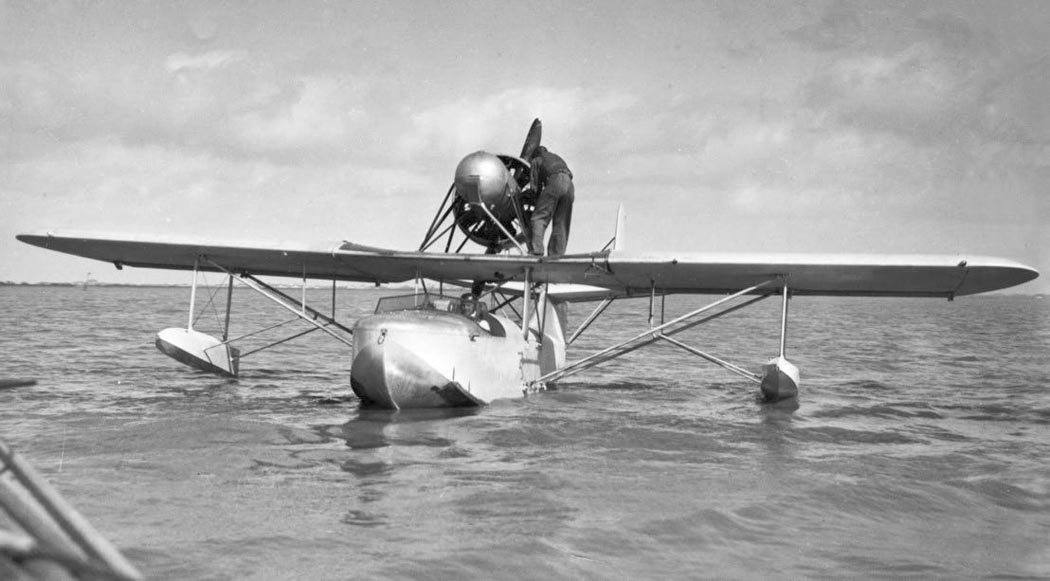
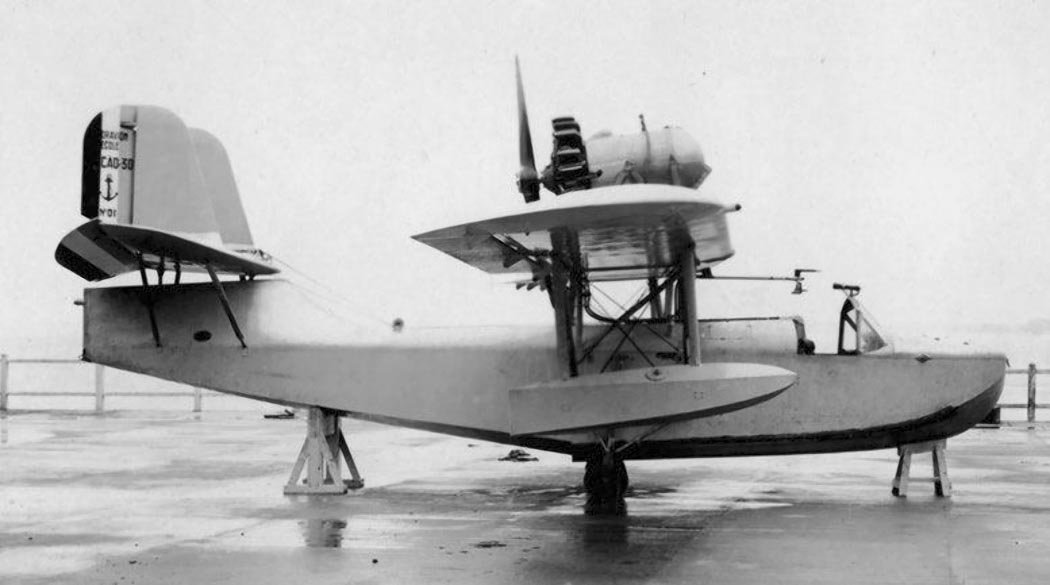
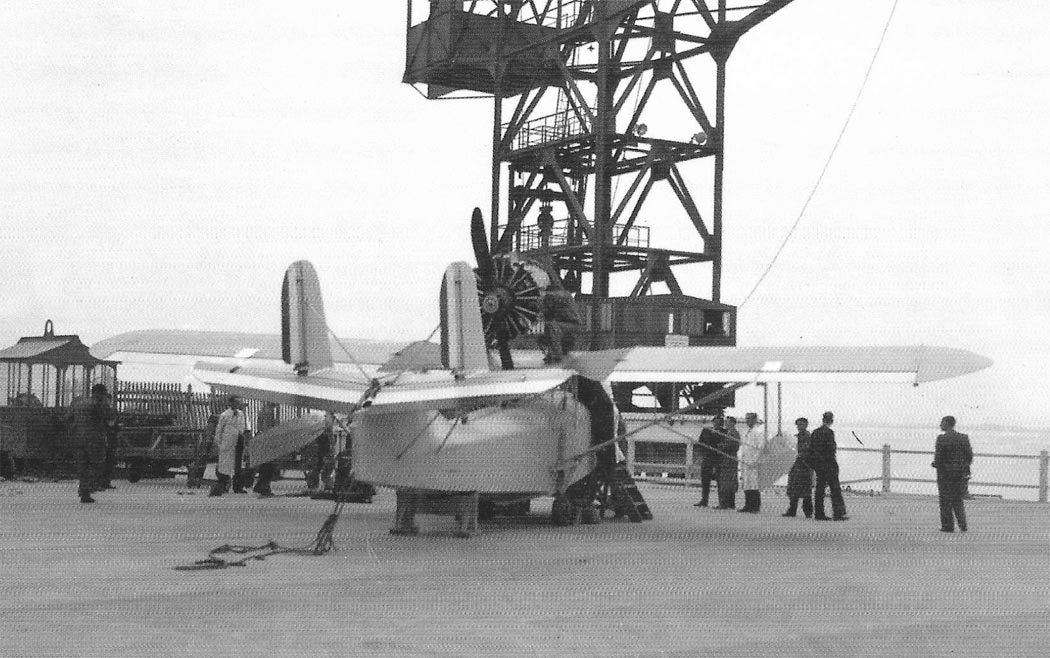
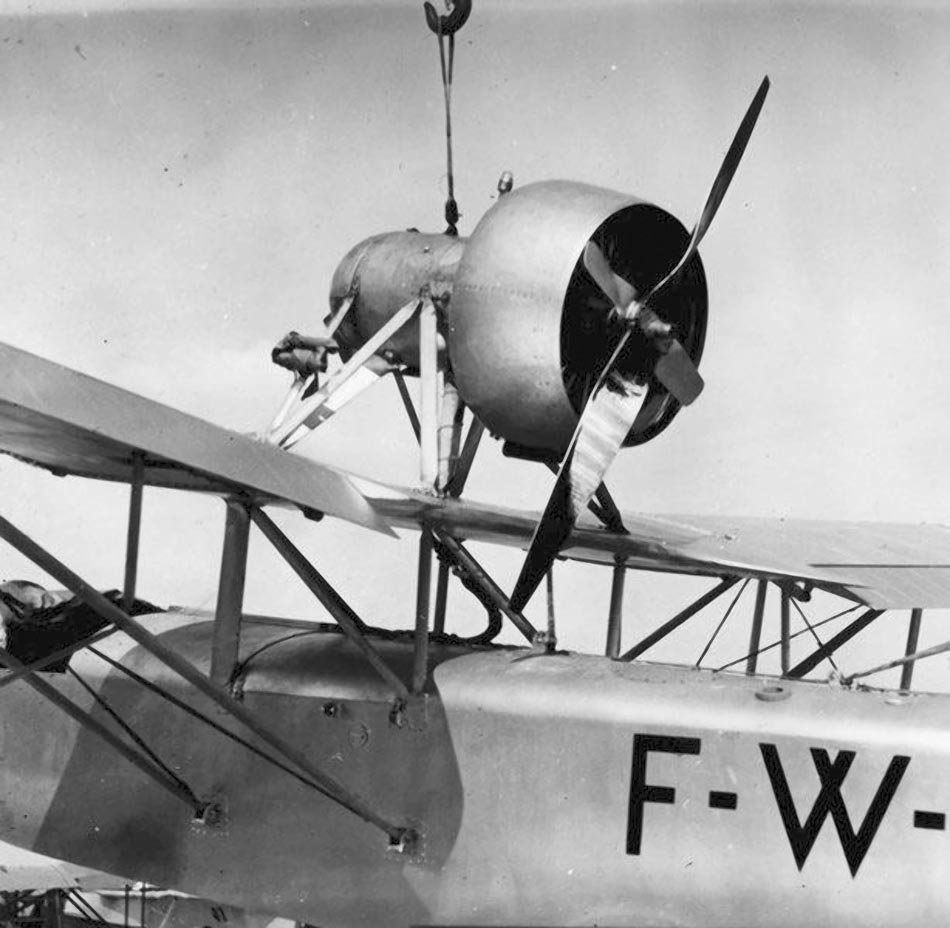
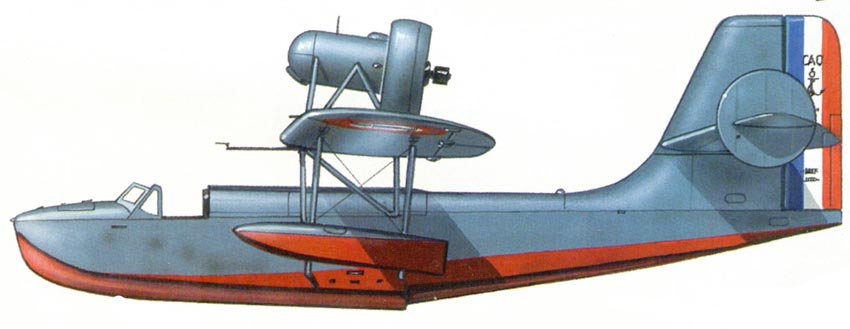
Assembly of the first prototype, the CAO.30.01, began in the summer of 1938. It featured a 280 hp Salmson 9Aba nine-cylinder radial engine mounted in a nacelle above the wing, driving a pusher propeller. On September 13, 1938, pilot Nadot, accompanied by a mechanic, made the aircraft’s maiden flight. However, the thirteenth proved unlucky: the machine accelerated too slowly before lifting off, seemed to be pushed down by the air, and flettner balancing proved ineffective. Upon high-speed water landings, the hull struggled to stay on the surface, producing spray that could damage the propeller.
After initial adjustments, real testing commenced, revealing new and unexpected flaws, most notably persistent engine overheating. This necessitated repeated removal and installation of the Townend ring, propeller changes, adjustments to the fuselage tail section, and system tuning. The airframe’s weight increased significantly, and the projected ceiling of 4,000 meters remained elusive; even 2,500 meters was considered an achievement. Modifications to the empennage improved surface handling, and further attempts were made to maximize the aircraft’s speed.
When an Air Ministry commission inspected the CAO.30.01 prototype on April 20, 1939, it mandated twelve substantial modifications. By this time, the second prototype, CAO.30.02, was completed, making its first flight on May 12, 1939. At Nadot’s request, its hull, particularly the keel, was reinforced, and larger wingtip floats were installed. While the CAO.30.01 tests continued under pilot Gretonov, Nadot focused on refining the new CAO.30.02.
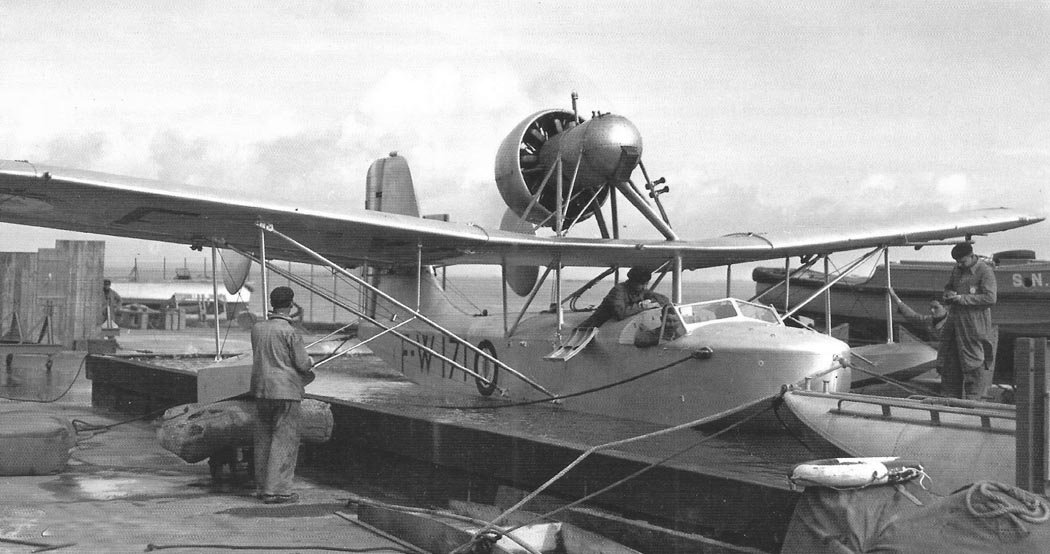
The CAO.30.02 achieved a speed of 186 km/h, an improvement over the first prototype’s 175 km/h, though engine overheating issues persisted, as did complaints about the flettners. Attempts to install a larger wing (15m span instead of 13m; 29.93m² area instead of 26.50m²) did not yield improvements, and the aircraft reverted to its original wing. In July 1939, the CAO.30.02 departed Saint-Raphael for sea trials and was subsequently handed over to naval pilots. By then, it was flying with a single large fin and two auxiliary end-plate fins on the horizontal stabilizer.
By late 1939, the Admiralty’s patience wore thin as the onset of war drastically reduced training time. On January 29, 1940, an order was placed for 40 standard CAO.300 ED-2 machines, with deliveries scheduled to conclude by December 1940. The first two were expected in July, six in August, and then eight monthly. Despite ongoing improvements planned for the production models based on CAO.30.02 testing, the overall conclusion was that the aircraft was only suitable for experienced pilots due to issues like lateral instability and high landing speeds. Work on the project ceased after France’s capitulation. The CAO.30.01 was abandoned, and the CAO.30.02, left at Hourtin, was eventually scrapped. Not a single production aircraft left the factory.
Technical Specifications
| Modification | CAO.300 |
| Wingspan, m | 13. 00 |
| Length, m | 9. 23 |
| Height, m | 3.21 |
| Wing area, m2 | 26.50 |
| Empty weight | 1300 |
| Normal takeoff weight | 1750 |
| Engine type | 1 Piston engine Salmson 9Aha |
| Power, hp | 1 x 280 |
| Maximum speed, km/h | 200 |
| Cruising speed, km/h | 158 |
| Service ceiling, m | 2700 |
| Crew, crew members | 2 |
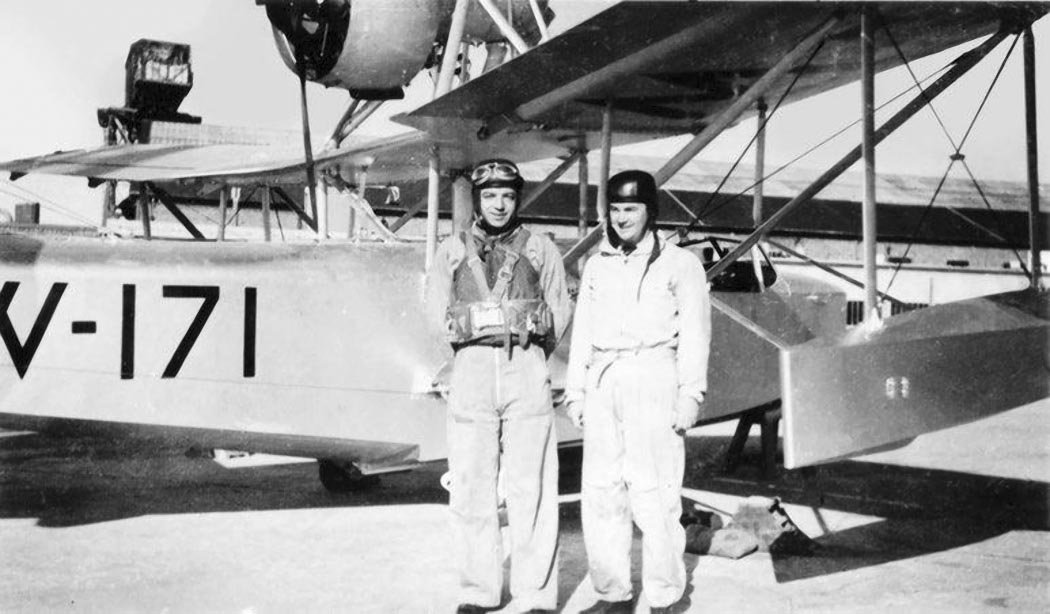
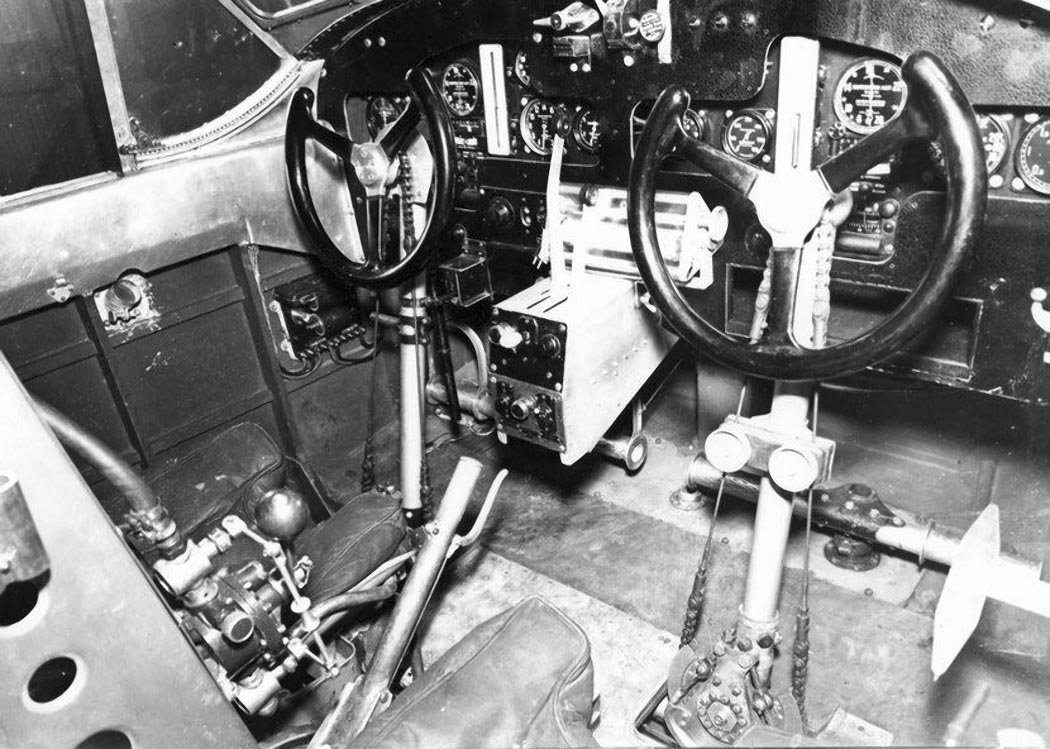
Image gallery of the CAO.300 ED-2 Training Flying Boat