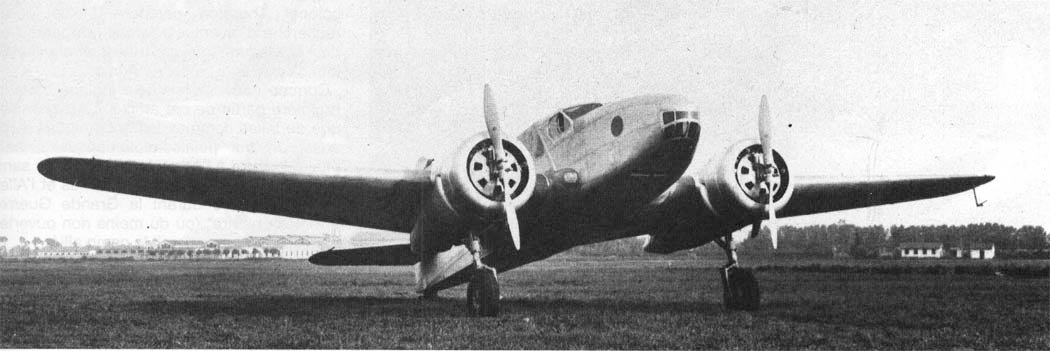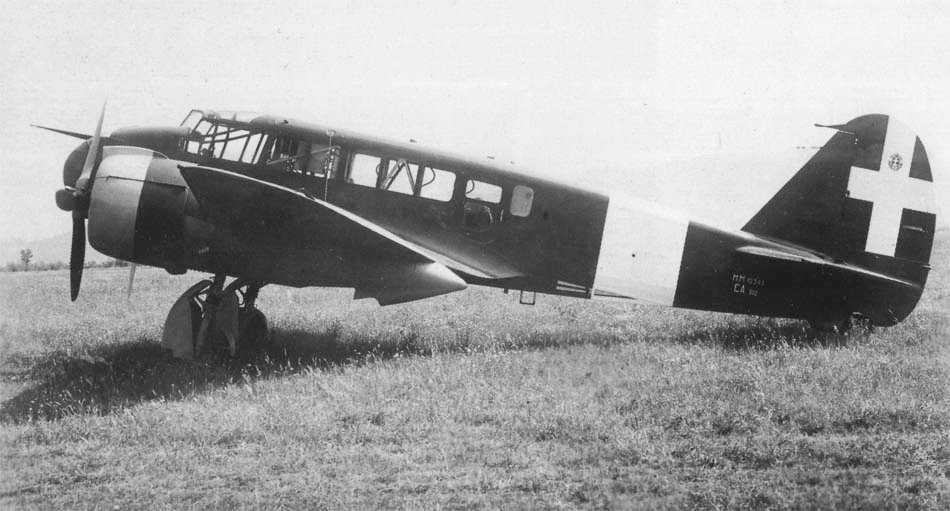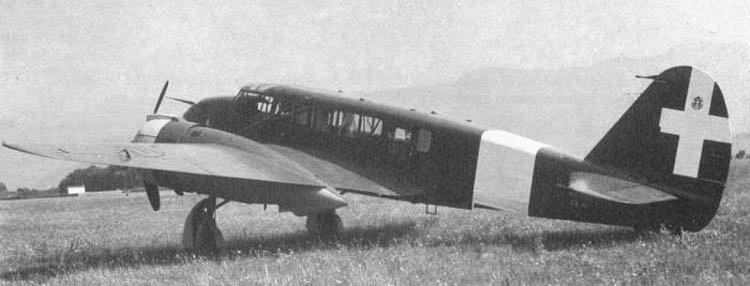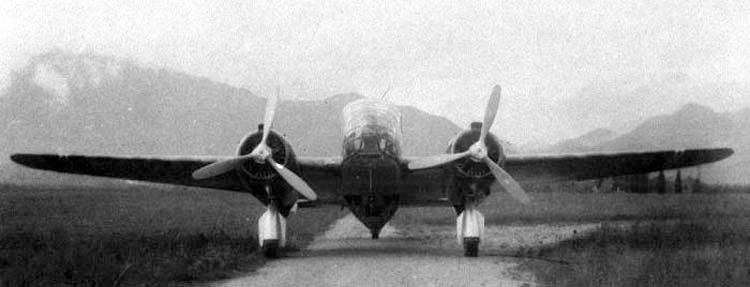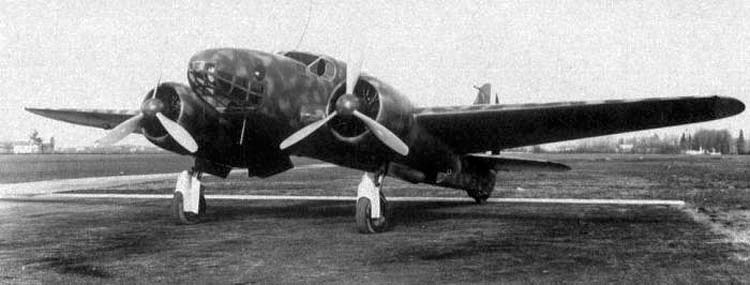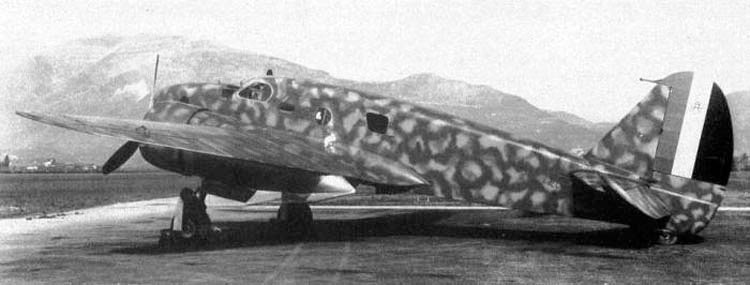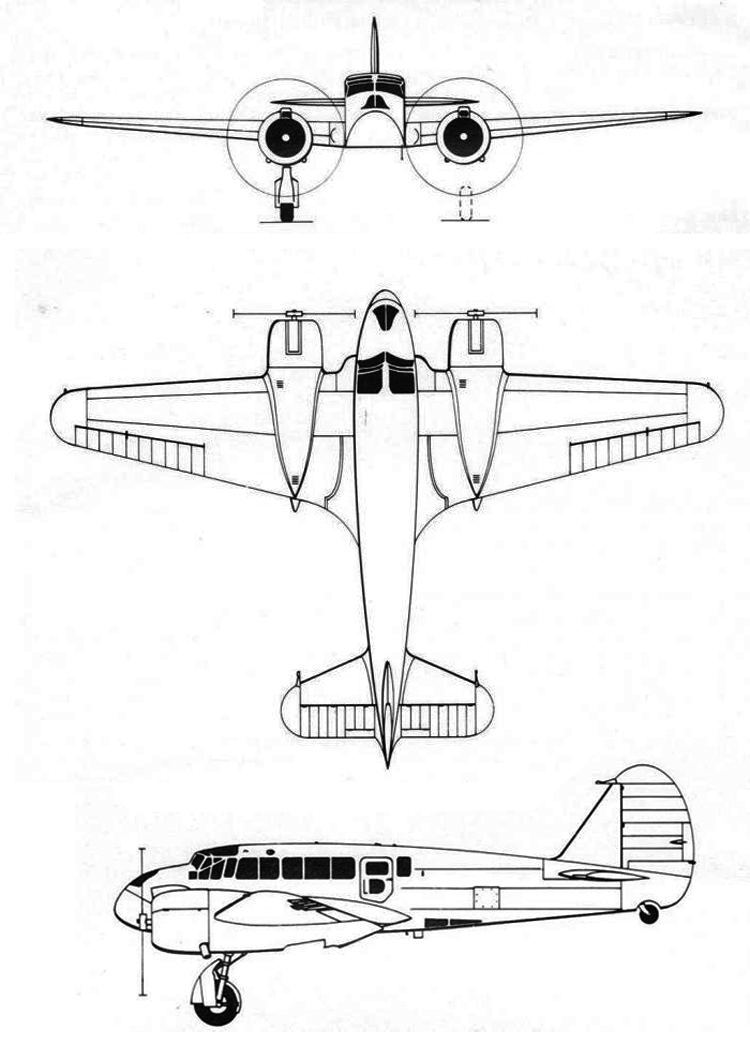
In late 1939, the Belgian Air Force commissioned Caproni to modify the Caproni Ca.310 Libeccio light bomber-reconnaissance aircraft. Two aircraft, designated Ca.312, were produced. This model was essentially a re-engined Ca.310, equipped with 700 hp Piaggio P.XVI C.35 engines and three-blade propellers.
Belgian Acquisition and Fate
Following successful trials, the Belgian Air Force command placed an order for 24 units of this aircraft. However, the onset of the German occupation prevented these plans from materializing. The two already manufactured prototypes were transferred to the Regia Aeronautica.
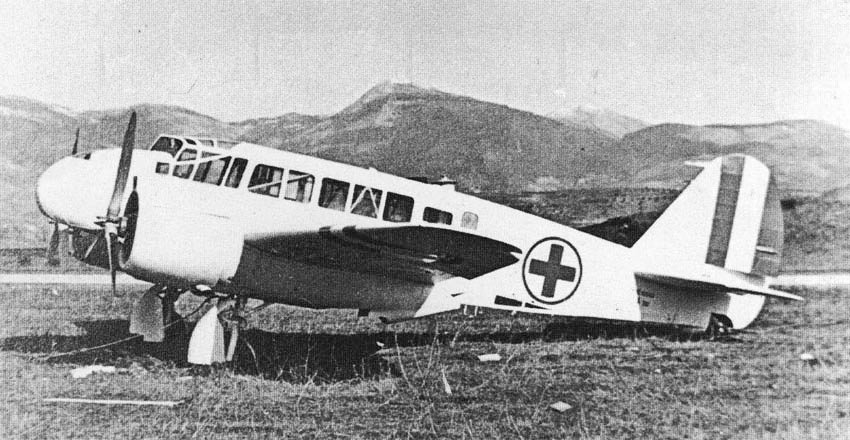
After the war, these aircraft were returned to the Belgians, who subsequently utilized them in their African colony, the Congo. The Ca.312 thus had a brief, yet significant, operational history despite the initial disruptions caused by the war.
Norwegian Floatplane Project
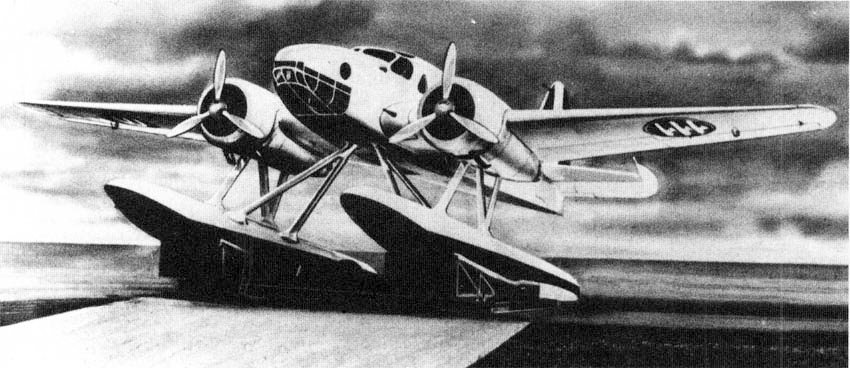
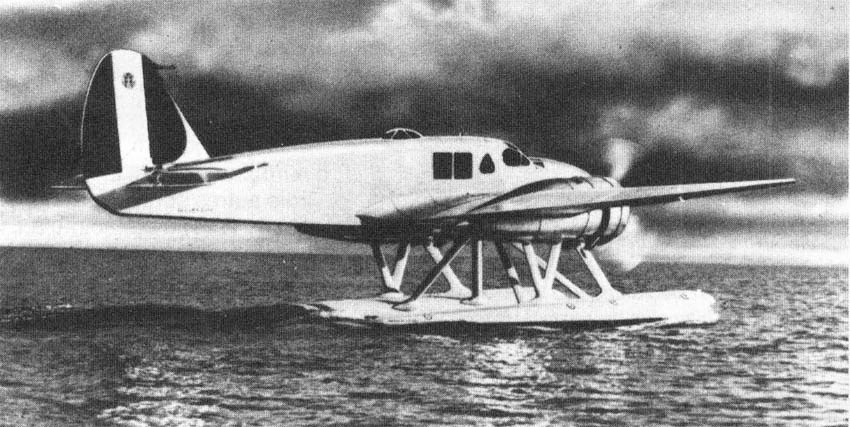
In 1940, the Norwegian government also sought to acquire the Ca.312. They ordered 15 Ca.312bis (IDRO) floatplane variants, which featured a seamless transparent forward fuselage section.
Similar to the Belgian situation, Germany’s invasion of Norway made these deliveries impossible. Consequently, the Ca.312bis IDRO remained solely a project for the Norwegian forces, never reaching operational service with them.
Technical Specifications
| Modification | Ca.312 |
| Wingspan, m | 16.20 |
| Length, m | 12.20 |
| Height, m | 3.52 |
| Wing area, m2 | 38.70 |
| Empty weight | 3400 |
| Normal takeoff weight | 5000 |
| Engine type | 2 Piston engines Piaggio P.XVI C.35 |
| Power, hp | 2 x 700 |
| Maximum speed, km/h | 430 |
| Cruising speed, km/h | 370 |
| Practical range, km | 1 550 |
| Range with max bomb load, km | 1000 |
| Rate of climb, m/min | 444 |
| Practical ceiling, m | 7800 |
| Crew | 3 |
| Armament | three 7.7-mm machine guns; bomb load – 400 kg |
Image gallery of the Caproni Ca.312