Second-Generation Caravelle Development
To the disappointment of the British firm Rolls-Royce, which developed the first turbofan in the West and was the sole supplier of engines for Caravelle models 1 to 6, Sud Aviation again used American engines. This was unsurprising, as there was still hope for licensed production of new models by Douglas. However, these hopes were dashed, and American engines remained on the new Caravelle models.
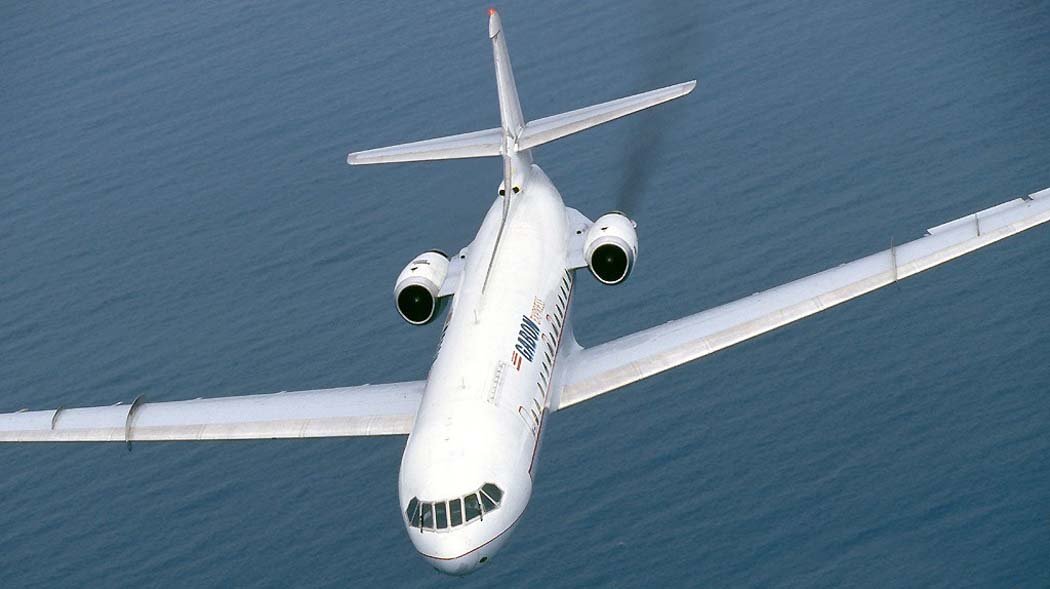
Two initial second-generation Caravelle variants were advertised as “Caravelle Horizon.” Model 10A used General Electric CJ805-23C engines, while model 10B used the competing Pratt & Whitney JT8D-I engines. The new “Caravelle Horizon” featured several design details, most notably a new window arrangement.
The name “Caravelle Horizon” was written above the windows of the first and only 10A prototype, with registration number F-WJAO. Flight tests for this aircraft began on August 31, 1962. However, the overly complex name did not stick.
The aircraft with CJ805-23C engines failed to generate interest, but the model with JT8D-1 engines brought success. The first prototype of the 10B1R modification flew on January 18, 1965. The first customer for the new model in July 1965 was the Jordanian airline “Eliye.”
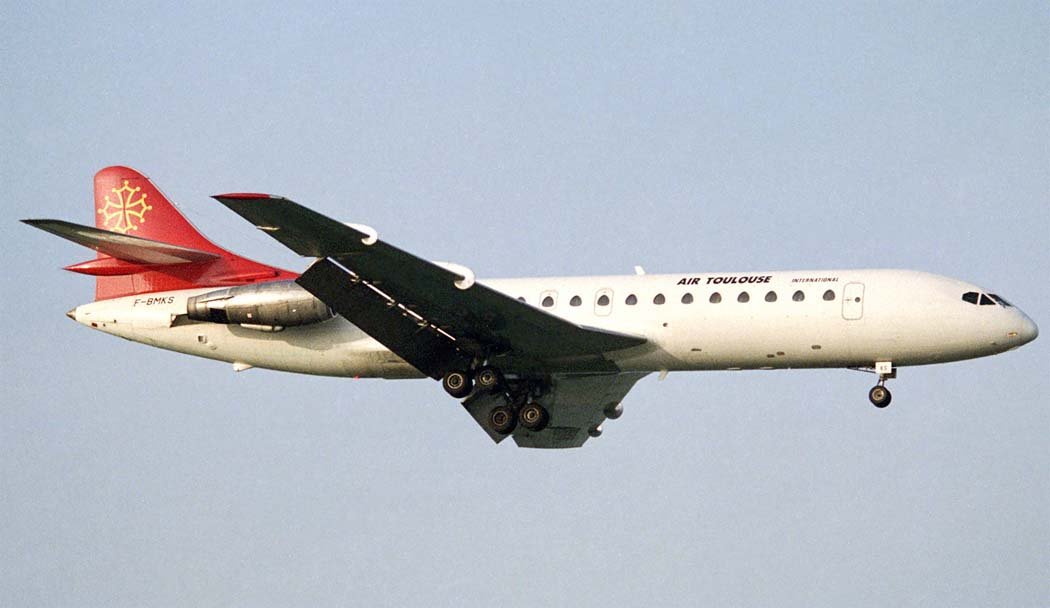
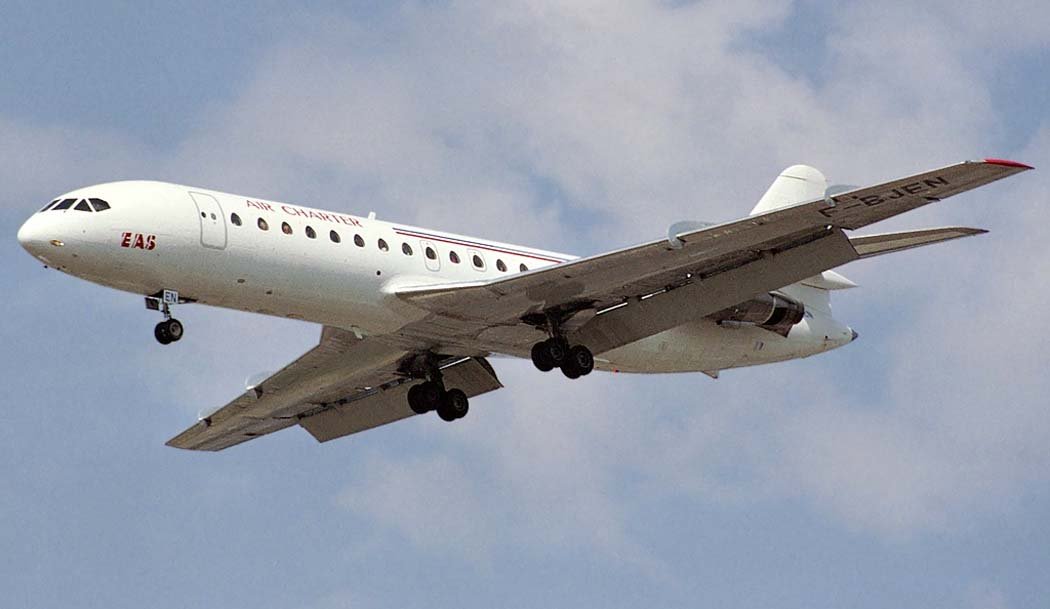
Production aircraft were designated “Caravelle” 10R. They were equipped with JT8D-7 engines with a static thrust of 6340 kgf, featuring a thrust reversal device. The increased thrust allowed for a commercial load up to 9.4 tons and the use of modified under-deck compartments of the strengthened fuselage for cargo transport.
Variants and Enhancements: Caravelle 10R, 11-P, and Super B
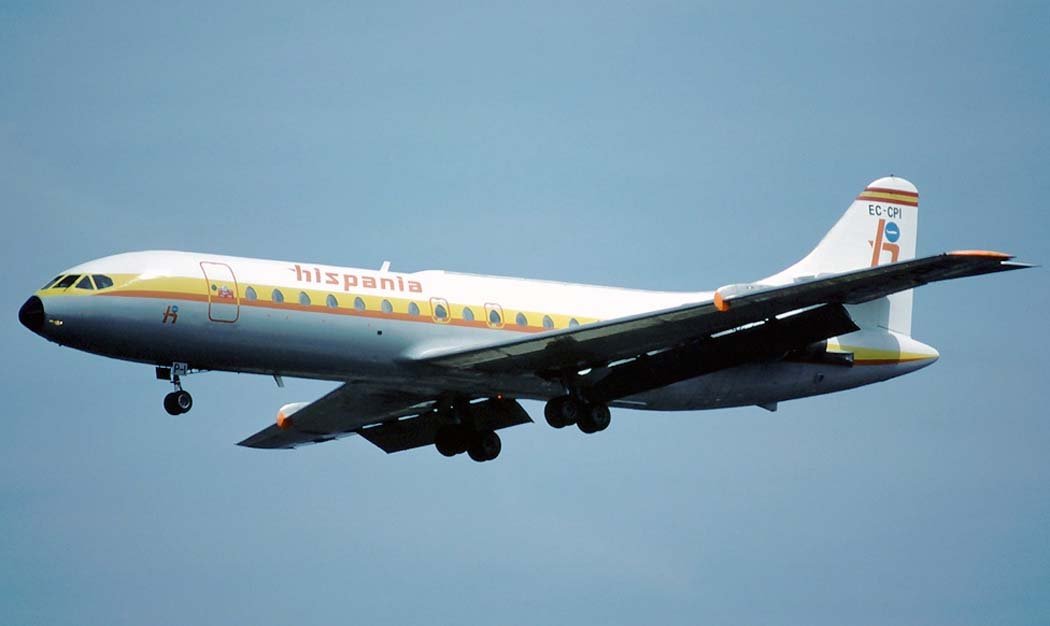
In April 1967, the creation of the cargo-passenger variant “Caravelle” 11-P was announced, designed for airlines with variable loading and irregular air transport. The fuselage was lengthened by 0.93 m, and within the 23.4 m long cabin, a nine-meter section of the floor was reinforced, rated for a load of 1000 kg/m².
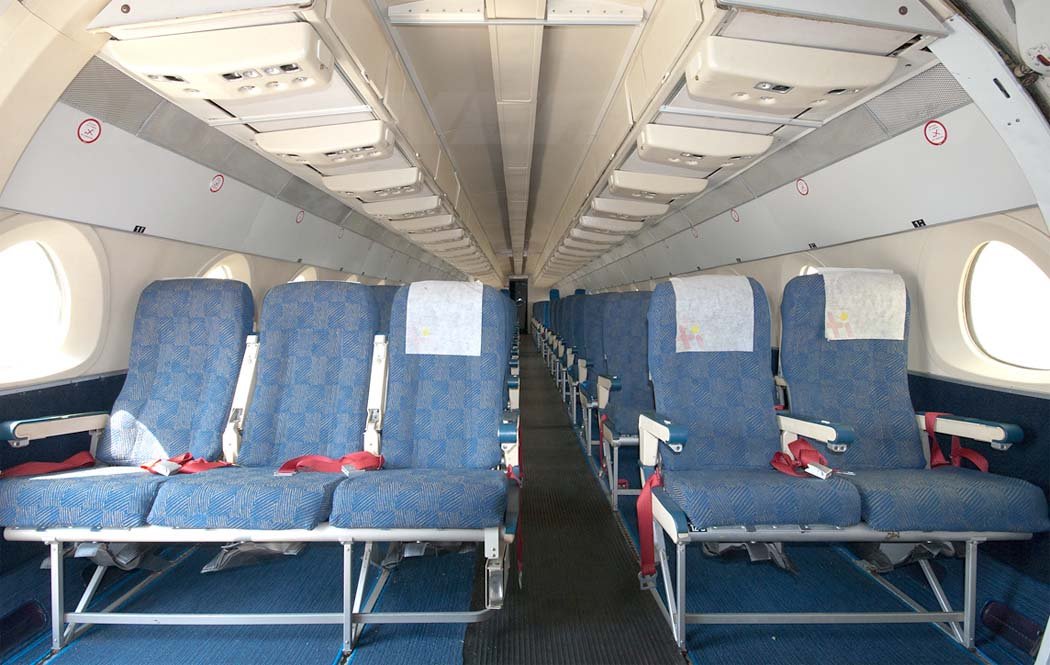
Typical mixed loading consisted of 12 passengers in first class, 50 in tourist class, and cargo in a 46.5 m³ baggage compartment. In this configuration, the maximum commercial load reached 9.1 tons. The 115 m³ cabin could also be used for carrying either cargo or 89-99 passengers.
Even more significant changes were planned in the 1964 modification with JT8D-1 engines, named in American style “Caravelle Super B.” Compared to model 6, the fuselage was lengthened by 1 m. Its cabin, in the tourist variant, could accommodate up to 104 passengers.
The increase in takeoff weight to 56 tons led to an increase in takeoff run length. While the Caravelle 3 required 1830m, and the 6-R needed 2057m, the heavy Caravelle Super B required 2090m. At the same time, thanks to the increased efficiency of thrust reversers, landing distance decreased from 1800m to 1520m under similar approach conditions.
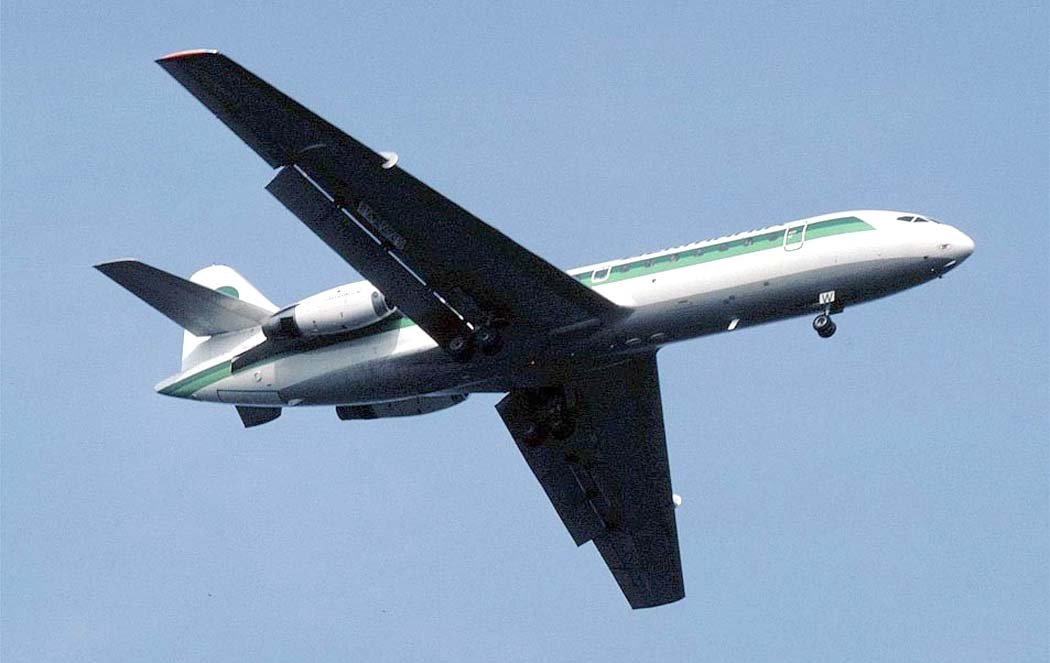
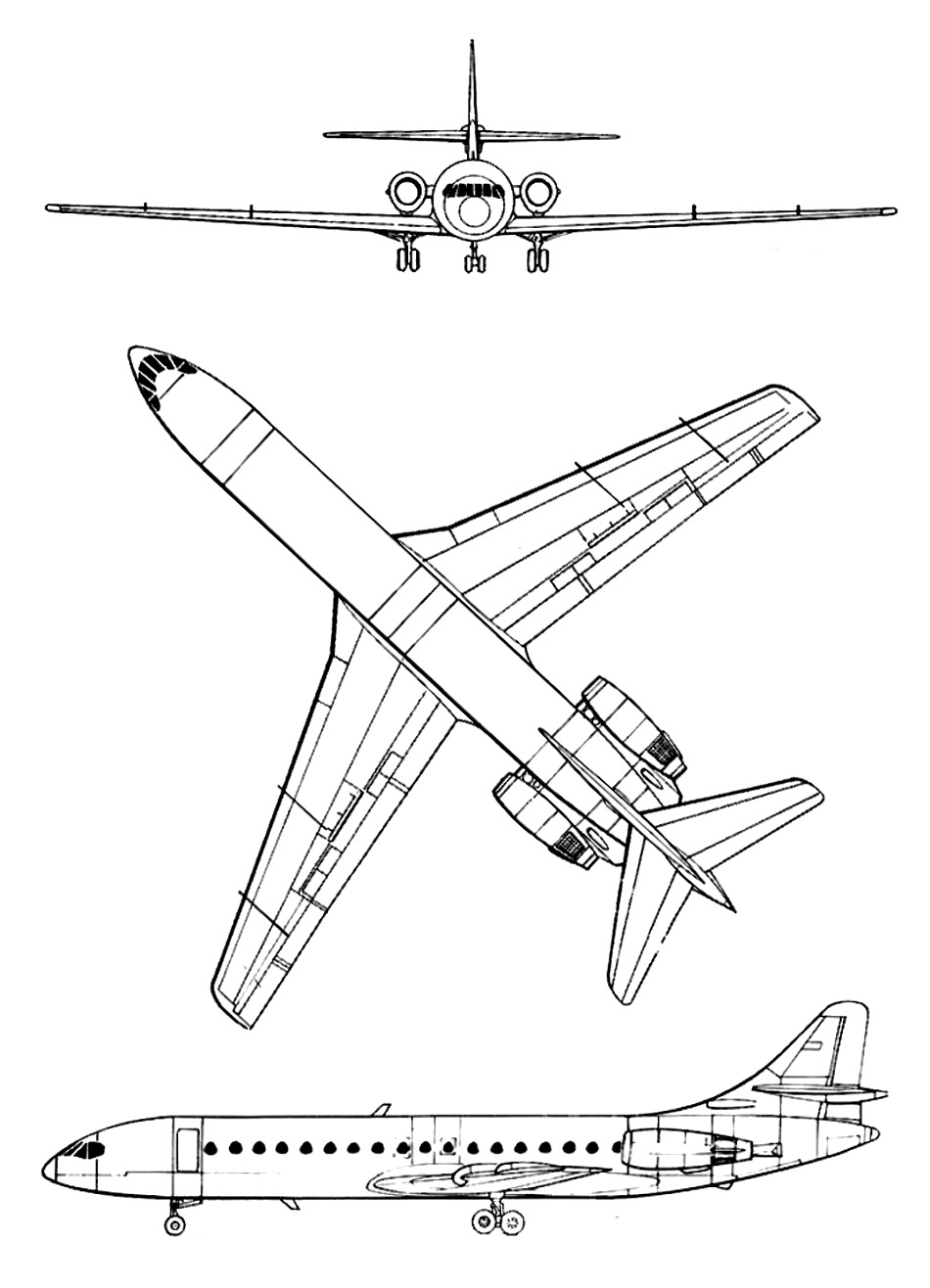
The modification of the aircraft required strengthening the airframe and landing gear. Externally, there were noticeable differences from its predecessor: the wing’s leading edge gained a break near the fuselage, and a spindle-shaped fairing was installed at the intersection of the vertical and horizontal stabilizers. The 169th production model served as the prototype for the “Caravelle Super B,” first flying on March 3, 1964, with registration number F-WLKJ. The Finnish airline Finnair was the first to acquire the new model, beginning its regular operation on August 16 on the Helsinki-Milan route.
Soviet Interest in the Caravelle
Many examples of foreign aviation equipment visited the Soviet Union. Some aircraft were in widespread operation, while others were thoroughly investigated both on the ground and in the air. Soviet specialists never missed an opportunity to delve deeper into the achievements of “decaying capitalism.”
A similar scenario unfolded with the proposal from Mr. J. Hérail, president of the Sud-Est French aircraft construction company. In late 1955, he proposed a contract to supply “Caravelle” passenger jet liners to the USSR. It must be said that, at this time, flight tests of the Tu-104 were in full swing in our country, and its serial production was being prepared. However, the “Caravelle,” created almost simultaneously with the Tu-104, advantageously differed from the Soviet jet pioneer, primarily in comfort, economy, and more advanced equipment.
J. Hérail hoped to establish himself in the Soviet market by selling a batch of aircraft. And we “bit.” As Air Force Commander-in-Chief S. Zhavoronkov and Minister P. Dementyev wrote to trade representative V. Dashkevich in France on January 21, 1956: “The Council of Ministers decided to purchase 2-5 aircraft and instructed the Ministry of Aviation Industry and the Main Directorate of the Civil Air Fleet… to send a commission to France to resolve these issues.”
From Dashkevich’s conversation with Hérail in May of the same year, it became clear that despite the offers made, an official decision from the French authorities on the sale of the aircraft should be awaited. Moreover, it was necessary to resolve the issue of choosing the type of engines and equipment, particularly the autopilot for Aeroflot.
The French were somewhat disconcerted by the launch of serial production of the Tu-104 and a possible rejection of the “Caravelle.” But even in this case, they were ready to acquaint our specialists with the machine and provide the opportunity to make several flights on it.
In February 1957, the head of the Main Directorate of the Civil Air Fleet, P. Zhigarev, approached the president of Sud Aviation with a proposal to supply Aeroflot with two aircraft in 1958, so that, based on the experience of their operation, the question of ordering a batch of aircraft of this type could be decided later. The response from the French side to this proposal is unknown.
It seems that the first stage of correspondence regarding the “Caravelle” ended, only to resume four years later. During this time, Sud Aviation released 10 modifications of the liner.
In June 1961, the French firm offered the USSR to acquire three “Caravelle” VIP aircraft with Rolls-Royce engines, with delivery in May and September of the following year. The offer remained valid until September 1.
In this regard, Deputy Minister of Foreign Trade Borisov appealed to the Central Committee of the CPSU, and on July 13, a decision was made to hold the next stage of negotiations for the purchase of the “Caravelle” VIP. On July 25, GKAT (State Committee for Aviation Technology) Chairman Dementyev wrote to D. F. Ustinov: “The ‘Caravelle’ VIP aircraft with production English ‘Avon’ engines is well known to our designers; it is a production passenger aircraft, operated on routes, including the Paris-Moscow route. It has no technical innovations, and its acquisition will not justify large foreign currency expenditures… GKAT considers it more expedient to acquire the latest model of the ‘Caravelle’ X with… JT8D-1 engines from Pratt & Whitney. This aircraft is advertised for deliveries… to the USA in 1962. In order to maximize the use of technical experience, it is desirable to acquire, along with the aircraft, individual samples of the most interesting onboard and ground equipment for study and possible assimilation.”
As we can see, all efforts of the Soviet side were directed at studying advanced Western technologies. Somewhat later, Dementyev informed Deputy Minister of Foreign Trade I. Semichastny: “It is also necessary to stipulate the desirability of acceptance of the aircraft by our specialists, including familiarization with the latest stages of its production, such as assembly of units, final assembly, technical control, testing, and maintenance of the aircraft.”
The French, apparently understanding the meaning of this whole game, allowed only the “Caravelle” VIP to be bought. This is confirmed by the repeated demand from GKAT for the purchase of only the latest modification. “This model,” Dementyev wrote, “includes improvements related to operational experience, and the Pratt & Whitney turbofan engine, according to available information, possesses high technical characteristics: low weight, small size, and low fuel consumption.”
But all was in vain, and only publications of a “Caravelle” photograph under the “Aeroflot” flag in French magazines recall this story.
Technical Specifications
| Modification | Caravelle 10 |
| Wingspan, m | 34.30 |
| Length, m | 32.01 |
| Height, m | 9.00 |
| Wing area, m2 | 146.70 |
| Empty weight | 26205 |
| Maximum takeoff weight | 52000 |
| Engine type | 2 Turbojet engines Pratt Whitney JT8D-7 |
| Thrust, kgf | 2 x 6340 |
| Maximum speed, km/h | 805 |
| Cruising speed, km/h | 750 |
| Practical range, km | 3295 |
| Range with maximum payload, km | 2900 |
| Service ceiling, m | 12000 |
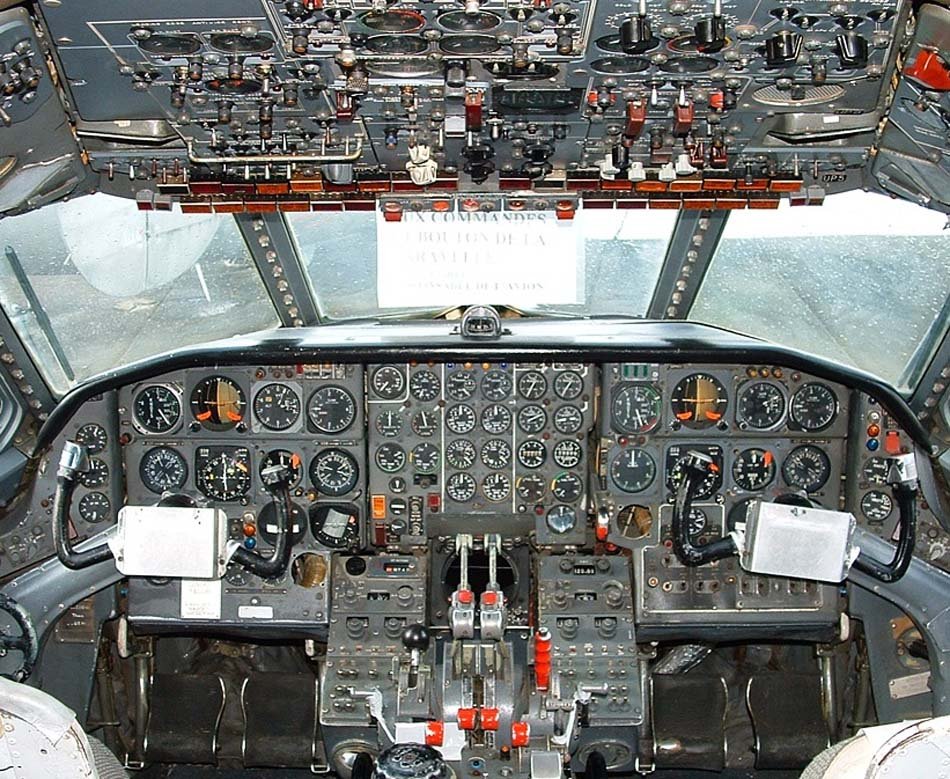
| Crew, crew members | 3 |
| Payload: | 64 passengers in two-class cabin or 80 in economy class |
Image gallery of the Caravelle 10(11)