
After the departure of chief designers Ernst Heinkel and Karl Theiss from the firm Hanseatische Flugzeugwerke Karl Caspar AG, Ernst von Loessl took over as chief engineer. Alongside military aircraft development, Loessl also began designing a range of civilian aircraft.
Development for Competition
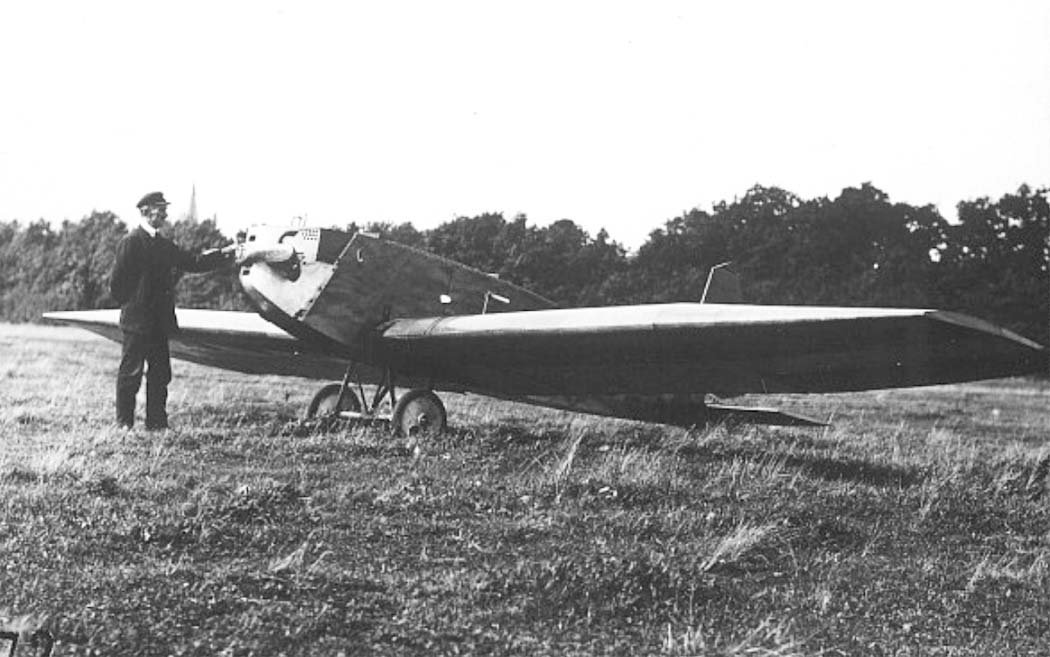
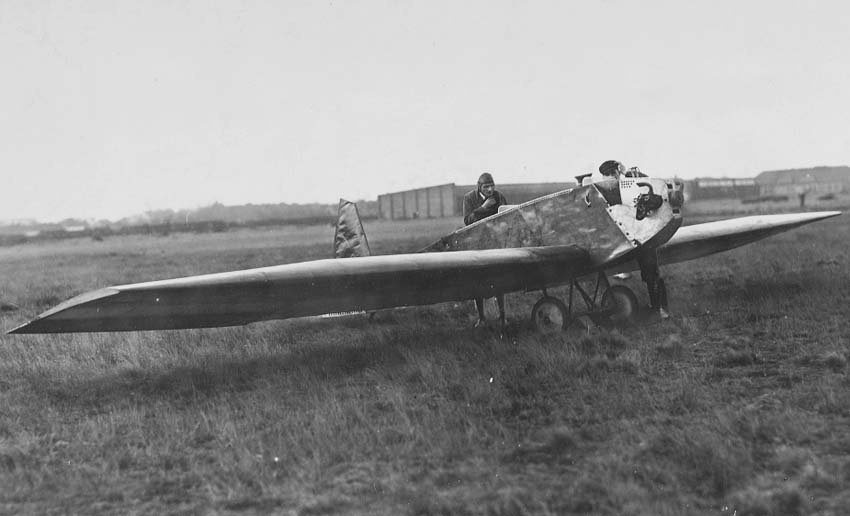
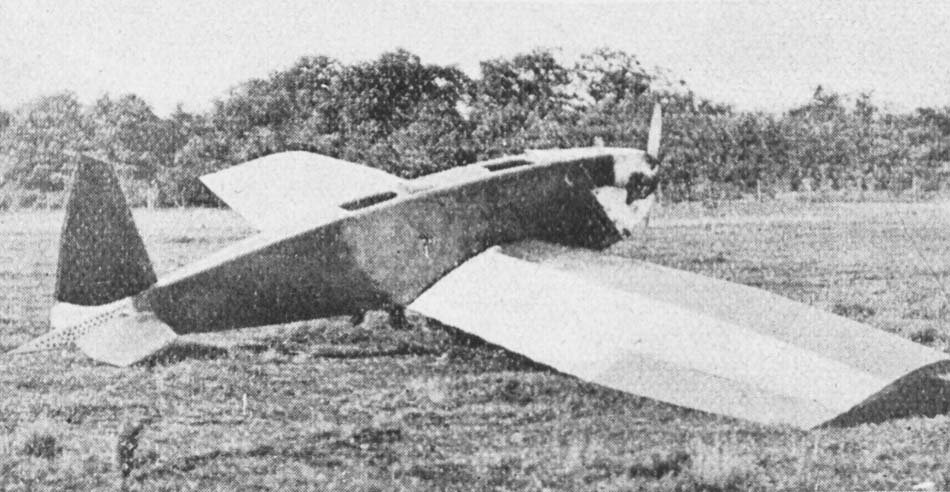
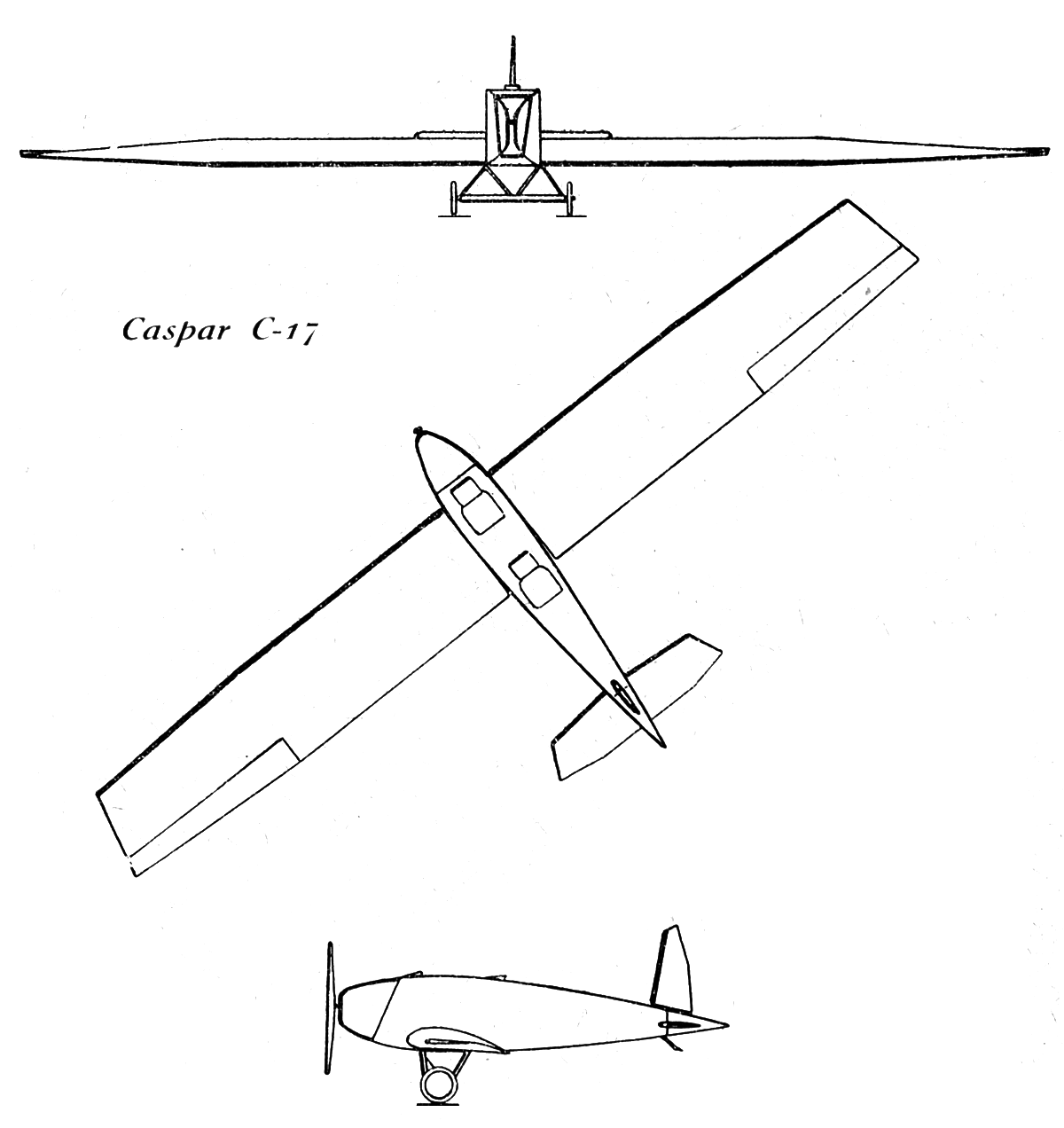
In 1924, the light aircraft Caspar C.17 was built to participate in the Deutschen Rundflug competition. It was a two-seater wooden low-wing monoplane, equipped with an ABC Scorpion engine producing 30 hp.
A Single Prototype
The unsuccessfully chosen power plant prevented the aircraft from achieving widespread recognition. Consequently, only a single example of the Caspar C.17 was ever built.
Technical Specifications
| Modification | C.17 |
| Wingspan, m | 12.00 |
| Length, m | 5.00 |
| Wing area, m2 | 15.59 |
| Empty weight | 145 |
| Normal takeoff weight | 325 |
| Engine type | 1 Piston engine ABC Scorpion |
| Power, hp | 1 x 30 |
| Maximum speed, km/h | 1 25 |
| Cruising speed, km/h | 105 |
| Service ceiling, m | 3500 |
| Crew | 2 |
Image gallery of the Caspar C.17
How to cite this article:
APA: Caspar C.17 (). Caspar C.17. archivoaereo.com. https://archivoaereo.com/en/caspar-c-17-2/
VANCOUVER: Caspar C.17 [online]. archivoaereo.com; [cited 2026-04-30]. Available at: https://archivoaereo.com/en/caspar-c-17-2/