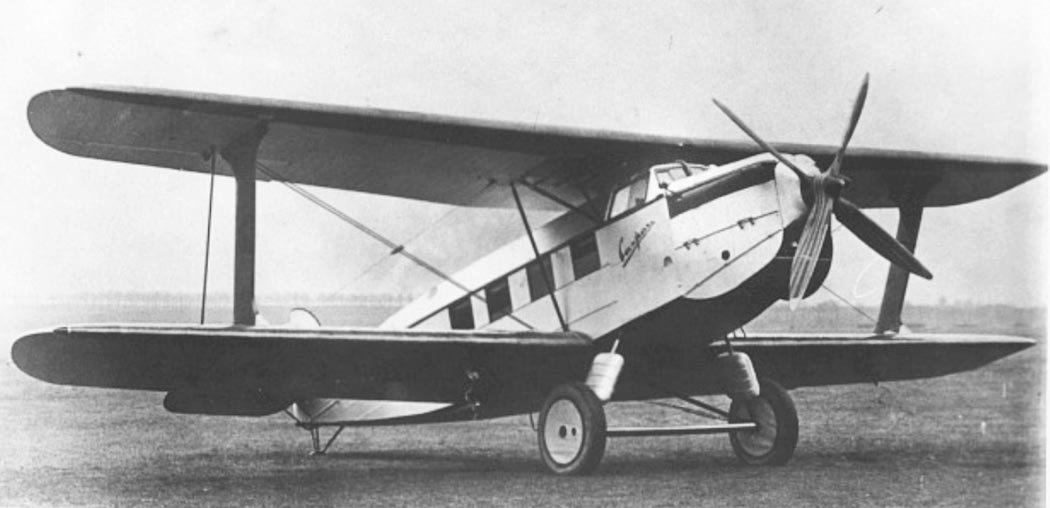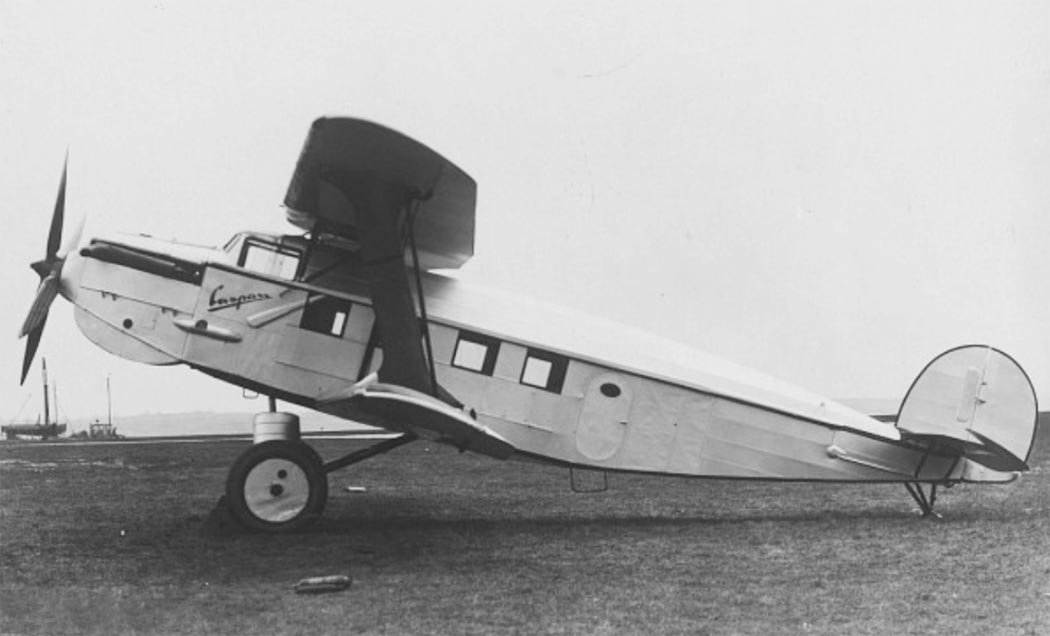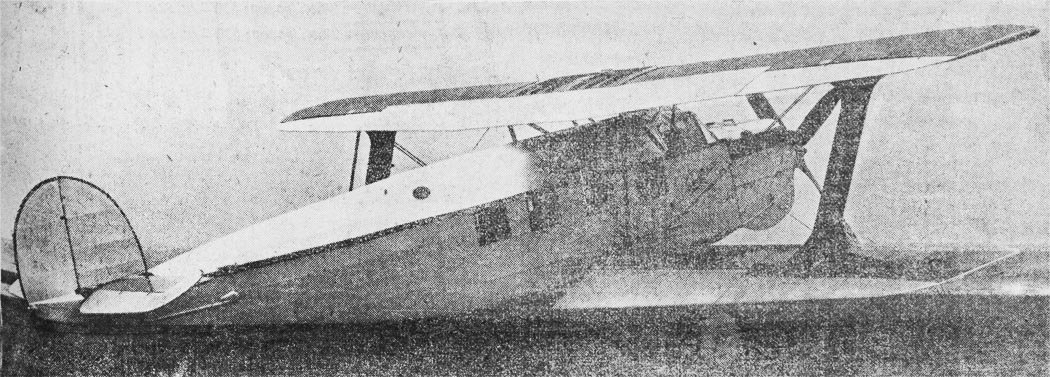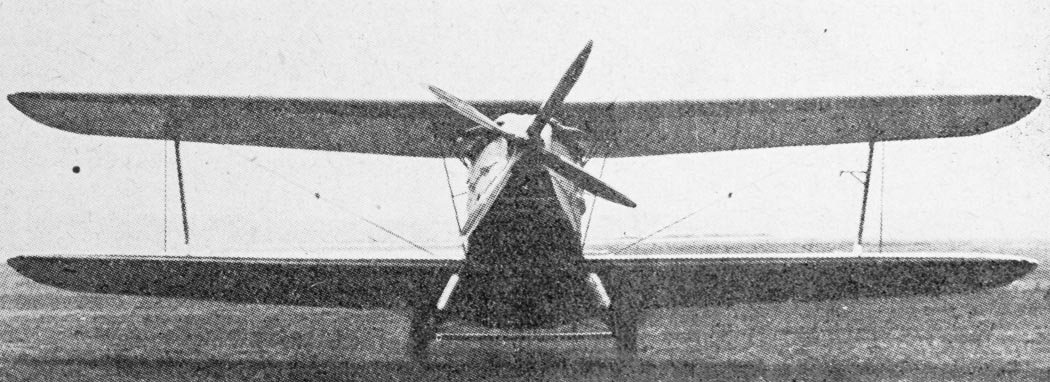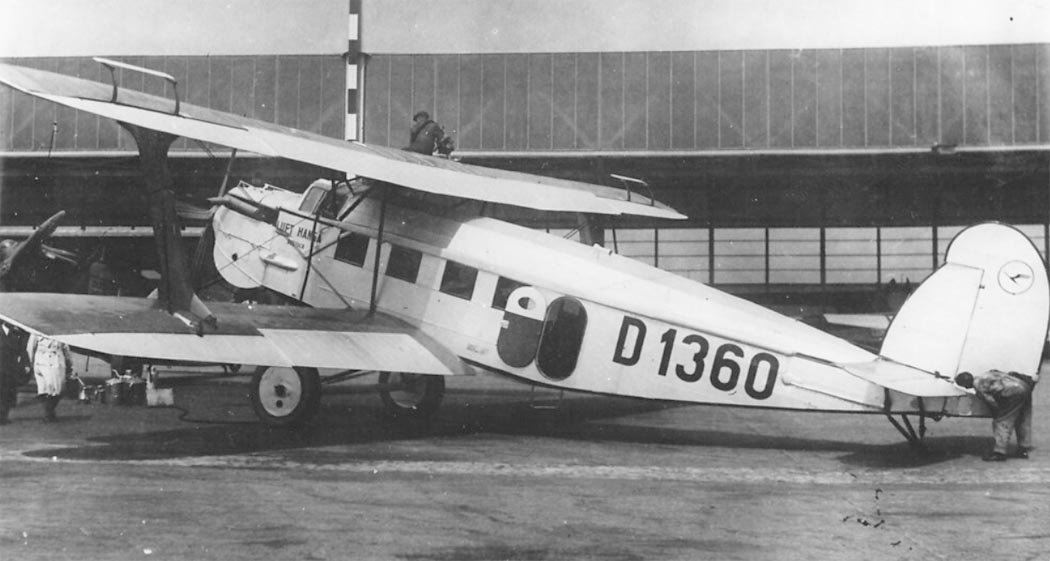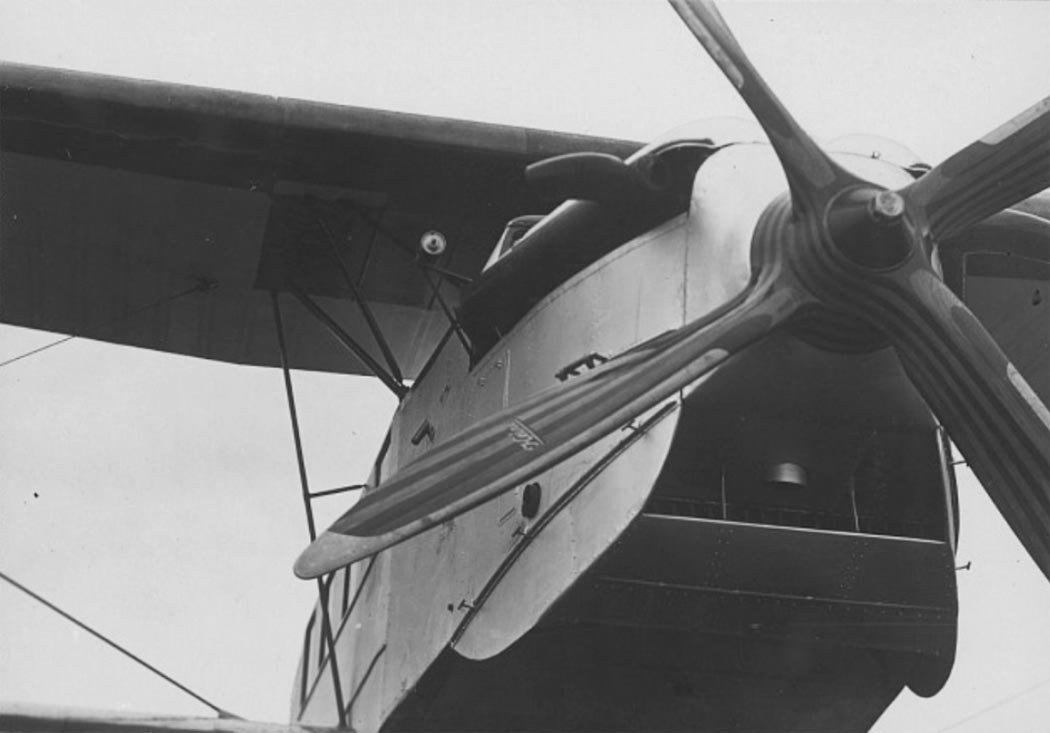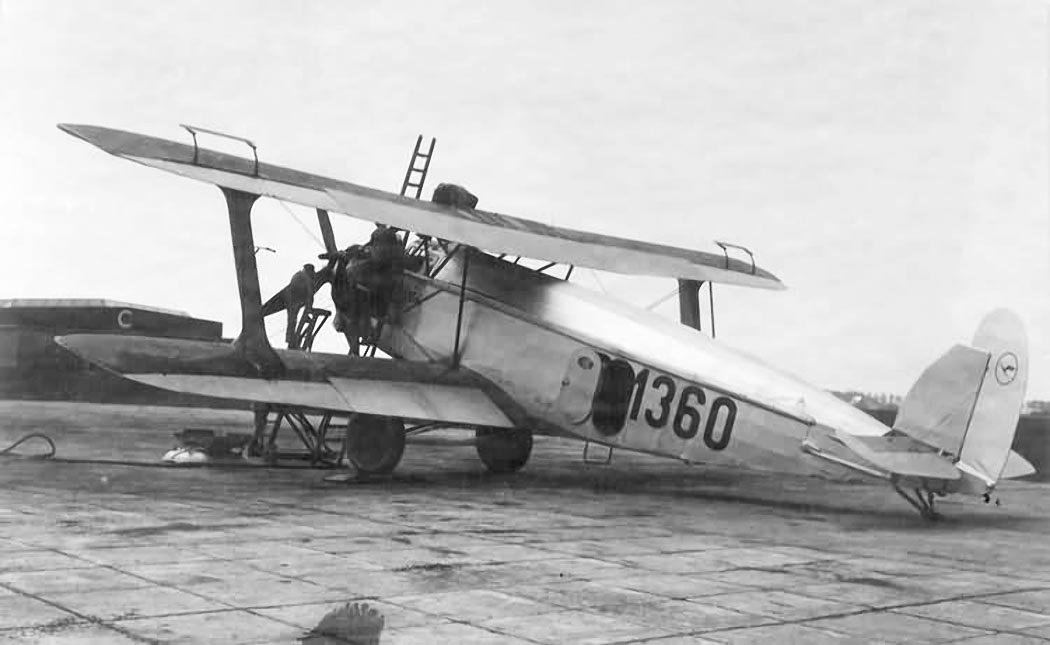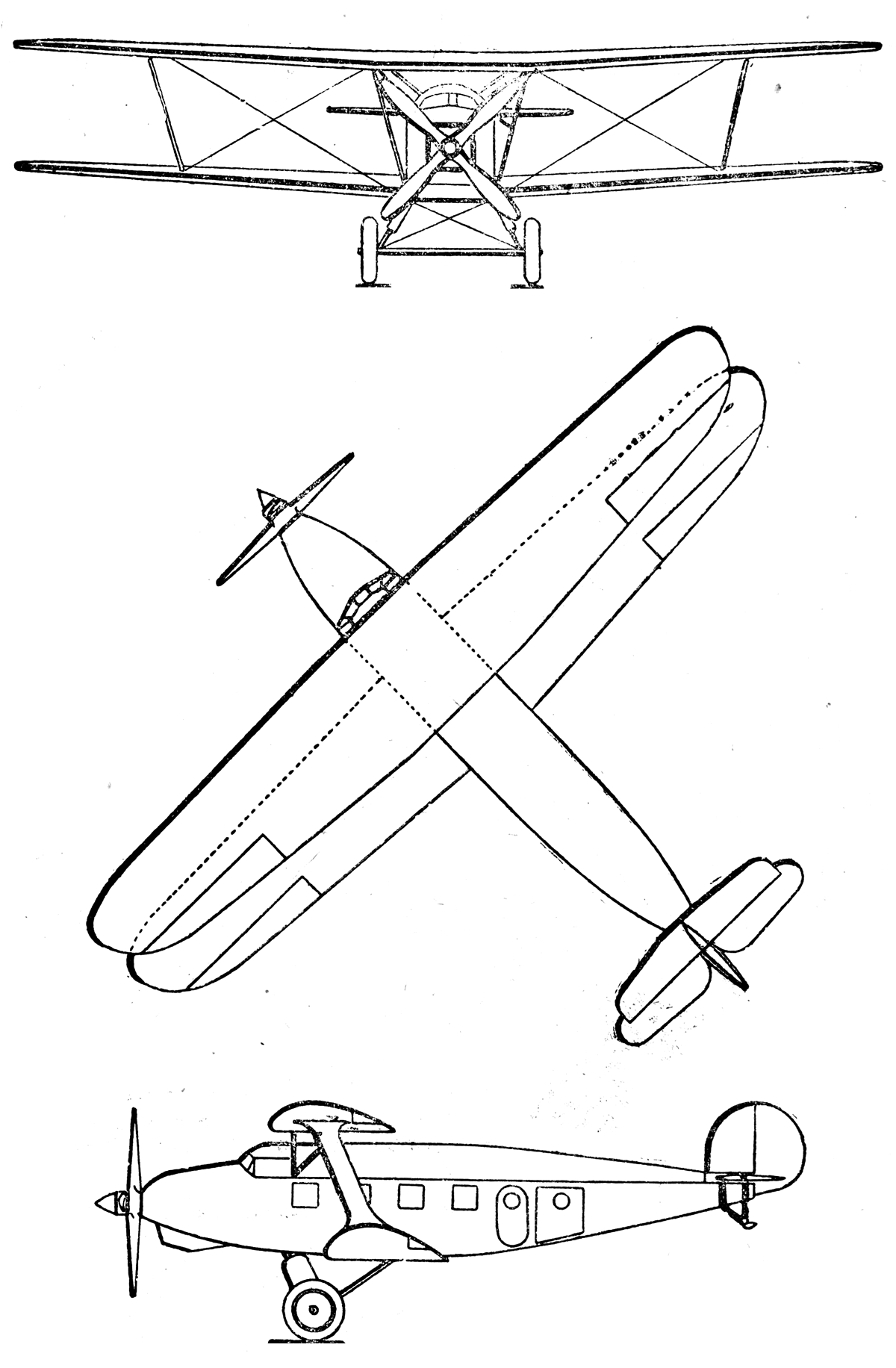
In 1927, Caspar Werke AG constructed a light transport aircraft, designated the Caspar C.35 Priwall. Designed by H. Herrmann, this ten-seater, single-strut biplane was powered by a 500 hp BMW VIU engine.
Development and Initial Service
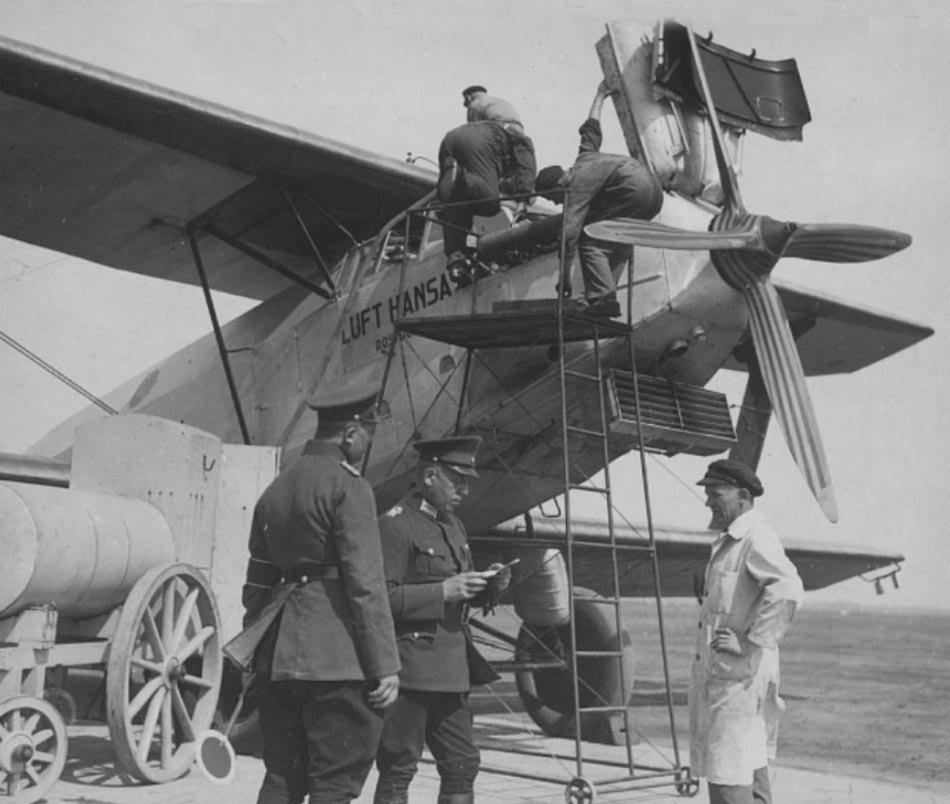
The aircraft’s maiden flight occurred in early 1928. From April of that year, the C.35 Priwall was utilized by Caspar Werke itself. However, after just five months, it was transferred to the Deutsche Luft Hansa AG (DLH) airline, where it received registration number D-1360 and its own name, “Rostock”.
Dual-Purpose Capabilities and Testing
Like many contemporary aircraft, the C.35 was designed for dual-purpose roles. It was envisioned as both a military transport and a maritime patrol aircraft, undergoing necessary trials for these functions in 1929. During these tests, the passenger cabin windows were securely sealed.
A Short Operational Life
The operational life of this aircraft proved to be very brief. Tragically, the Caspar C.35 Priwall crashed in July 1930, bringing its short flight history to an end.
Technical Specifications
| Modification | C.35 |
| Wingspan, m | 16.72 |
| Length, m | 13.24 |
| Height, m | 4.78 |
| Wing area, m2 | 69.00 |
| Empty weight | 2400 |
| Normal takeoff weight | 4600 |
| Engine type | 1 Piston engine BMW VIU |
| Power, hp | 1 x 500 |
| Maximum speed, km/h | 203 |
| Cruising speed, km/h | 180 |
| Practical range, km | 1000 |
| Service ceiling, m | 4000 |
| Crew, crew members | 2 |
| Payload | up to 8 passengers |
Image gallery of the Caspar C.35 Priwall