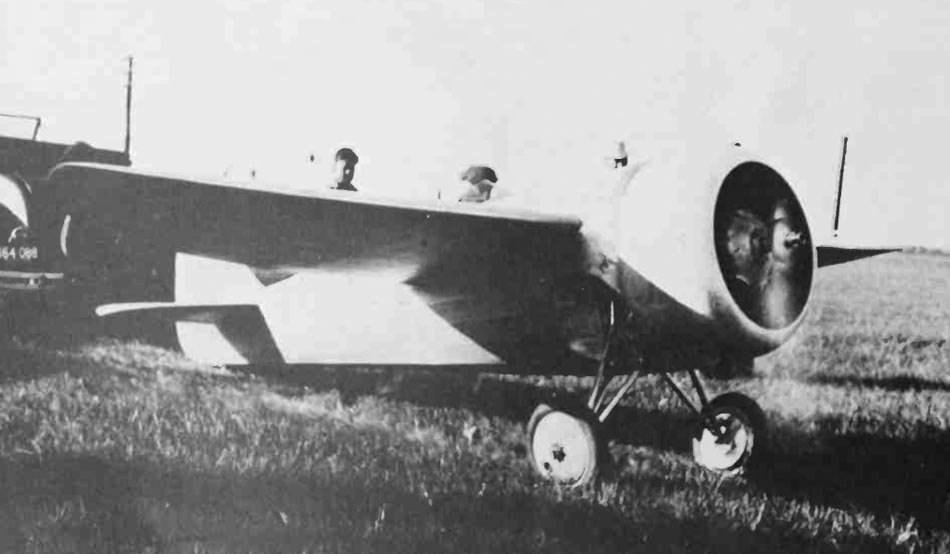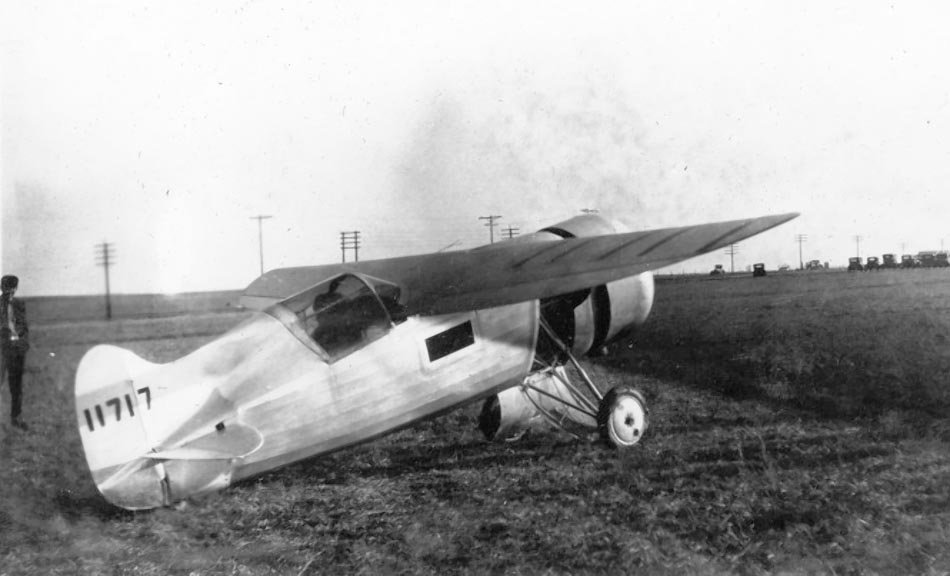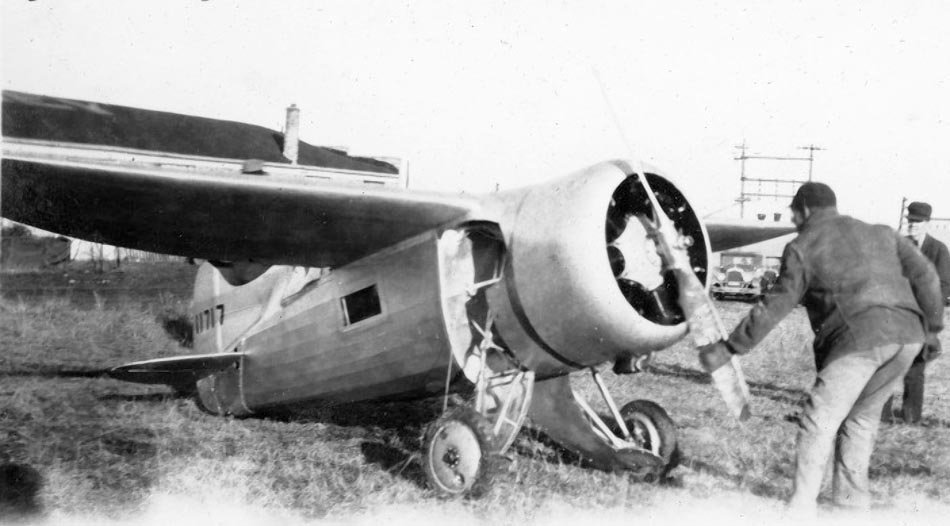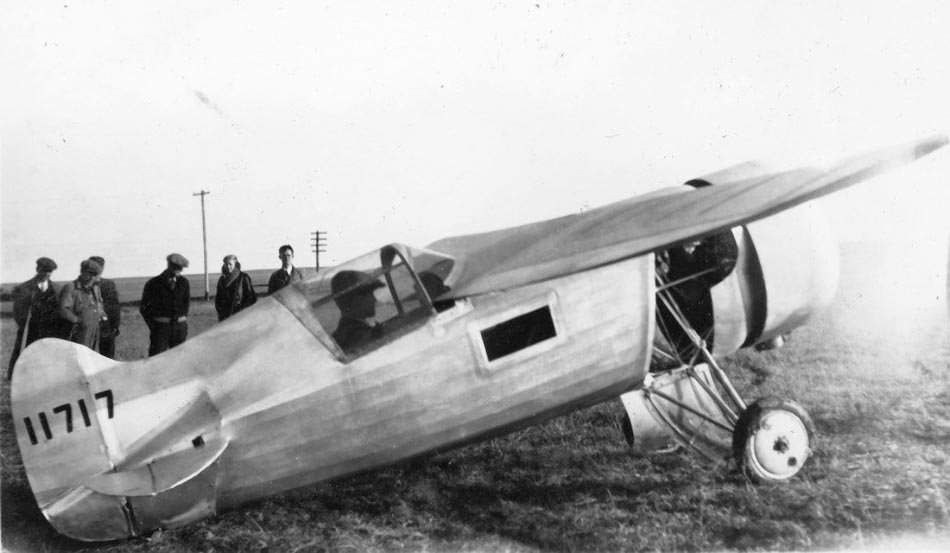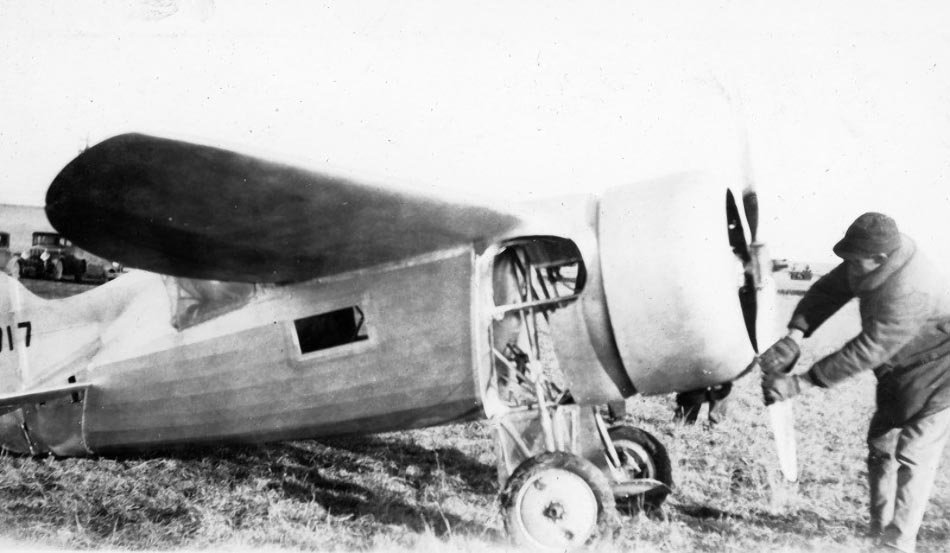
After receiving a $1200 prize for Eldon Cessna’s third-place finish in a racing version of the AW aircraft, Clyde V. Cessna began developing another racing aircraft: the Cessna CR-1 (Cessna Racer). In the early 1930s, in an attempt to revitalize its business, Cessna Aircraft went to the other extreme, severely limiting its model range.
Only the DC-6A and -B models remained in production, as there was hope they would find buyers among the “fat cats” unaffected by the Great Depression. However, by year-end, sales of these machines also dwindled to nothing. The company’s commercial infrastructure was destroyed, and “Cessna Aircraft’s” operations were almost paralyzed.
Navigating the Great Depression
Under these conditions, shareholders voted for Cessna’s resignation as company president. On January 31, 1931, all employees (about 300 people) were laid off, and the factory closed. In total, nearly 1000 aircraft builders lost their jobs in Wichita then, most of them from “Cessna” and “Travel Air”.
As journalist Stan Finger of the Wichita Eagle aptly noted: “A relatively small, but prosperous aircraft manufacturing center suddenly became an industrial graveyard.” However, Clyde Vernon Cessna and his son did not succumb to defeat. They still had the Cessna AW aircraft at their disposal.
In September, Eldon Cessna used it to participate in the Cleveland National Air Races, where he secured 3rd place. With the $1200 prize money, the aviators purchased a workshop on the outskirts of the city, near the airport. It was decided to focus on racing planes: despite the crisis, air races at that time attracted many spectators and brought good profits to organizers. The prize money would allow them to stay afloat for a while.
The Innovative Design of the CR-1
Once, in the early 1920s, Clyde Cessna had proclaimed with some pathos: “Speed is the only meaning of flight.” Now, this phrase took on a literal meaning – the survival of their beloved endeavor depended on the results shown in races. First and foremost, they settled on an engine, choosing the light and reliable 110 hp Warner “Scarab.”
Autumn 1931 was spent building the new CR-1 (Cessna Racer), which they intended to enter in the Miami All-American Air Races the following January. This was a single-seat, cantilever monoplane with an enclosed cockpit, powered by a 110 hp (82 kW) Warner Scarab 422 radial engine. The machine turned out to be very small: 3.65 m long, with a wingspan of 4.9 m and a wing area of about 4 m².
It featured a mid-mounted wing and landing gear that retracted into the fuselage using a lever mechanism (Cessna did not want “to make cutouts in the wing just to retract the wheels”). The construction was mixed: an all-wood wing, a steel tube truss fuselage, whose front part was covered with duralumin sheets and plywood, and the rest with fabric.
The Challenging Maiden Flight
On January 18, 1932, Eldon took the CR-1 into the air for the first time (and, as it turned out, the last). The airplane took a very long time to accelerate on the frozen ground, unwilling to take off even when speed reached 160 km/h. The airfield fence was already close, but then the plane bounced on a small bump and lifted off the ground.
The pilot was horrified – the aircraft proved almost uncontrollable, rocking violently and responding to stick movements with an opposite reaction. Furthermore, visibility from the cockpit was poor, requiring him to lean out to the right or left. Nevertheless, Eldon managed a successful landing. At full speed, he brought the machine to the ground and, reducing power, landed. Immediately after the flight, it was decided to upgrade the aircraft to the more advanced CR-2.
Technical Specifications
| Modification | CR-1 |
| Wingspan, m | 4.90 |
| Length, m | 3.65 |
| Wing area, m2 | 3.70 |
| Engine type | 1 Piston engine Warner Scarab 422 |
| Power, hp | 1 x 110 |
| Crew, crew members | 1 |
Image gallery of the Cessna CR-1 (Cessna Racer)