Skip to content
archivoaereo.com

archivoaereo.com

  • Military Aviation
    • World War I
      • Attack airplane WWI
      • WWI Attack Aircraft
      • WWI Bombers
      • WWI Fighters
      • WWI Flying Boats
      • WWI Reconnaissance
    • World War II
      • WWII Attack Aircraft
      • WWII Bombers
      • WWII Fighters
      • WWII Flying Boats
      • WWII Maritime Patrol
      • WWII Military Transport
      • WWII Reconnaissance
    • Cold War
      • Cold War Bombers
      • Cold War Fighters
    • Modern
      • Modern Attack Aircraft
      • Modern Bombers
      • Modern Fighters
      • Modern Flying Boats
      • Modern Maritime Patrol
      • Modern Military Transport
      • Modern Reconnaissance
      • Modern AWACS
  • Civil & Commercial Aviation
    • Classic Airliners
    • Modern Airliners
    • Classic Regional Airliners
    • Modern Regional Airliners
    • Pioneer Light Aircraft
    • Classic Light Aircraft
    • Modern Light Aircraft
    • Classic Flying Boats
    • Modern Flying Boats
    • Gliders & Sailplanes
    • Aerobatic & Sports Aircraft
    • Agricultural Aircraft
    • Racing Aircraft
  • Helicopters
    • Attack Helicopters
    • Cargo & Heavy Helicopters
    • Light & Observation Helicopters
    • Passenger Helicopters
    • Pioneer Helicopters
    • SAR Helicopters (Rescue)
    • Specialized Helicopters
    • Utility Helicopters
  • Technology
    • Weapons & Technology
    • Drones & UAVs
    • Experimental Aircraft
  • History
    • History and Biographies
    • History & Battles
  • Toggle search form

Cessna CR-3

Posted on April 21, 2026 By

Table of Contents

Toggle
    • The Birth of the CR-3
    • Triumph and Tragedy at the Air Races
    • The Legacy of a Broken Dream
    • Technical Specifications
  • Image gallery of the Cessna CR-3
The Birth of the CR-3

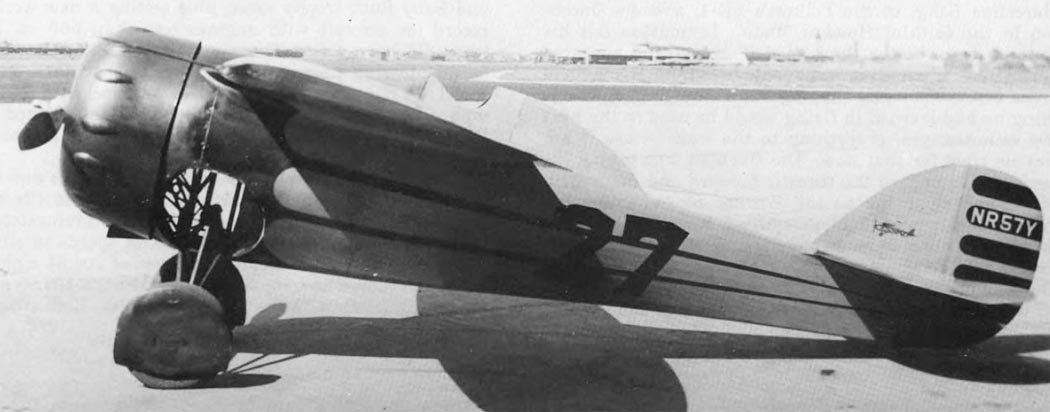
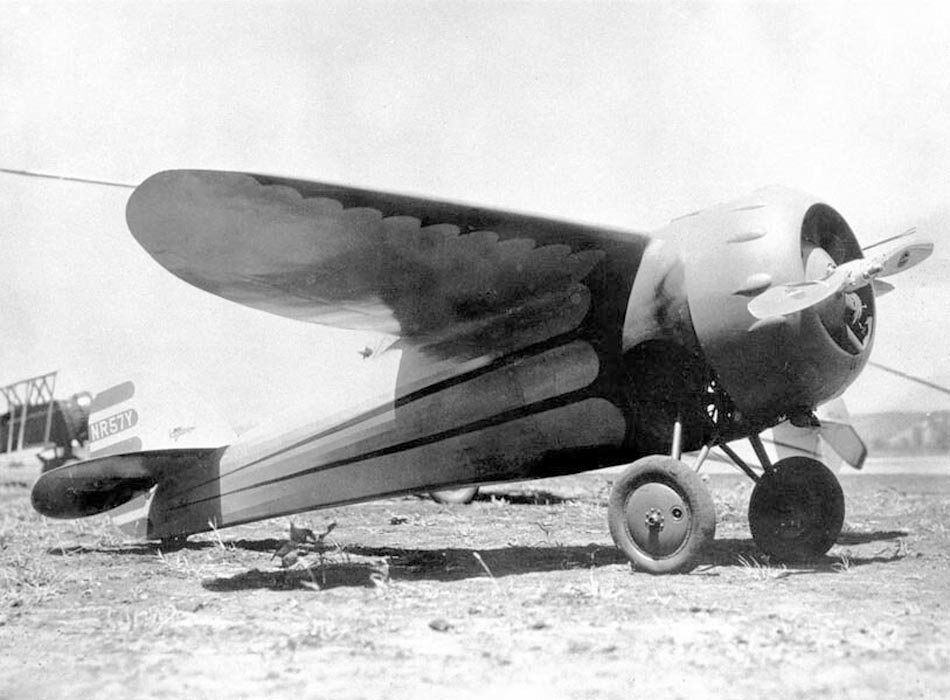
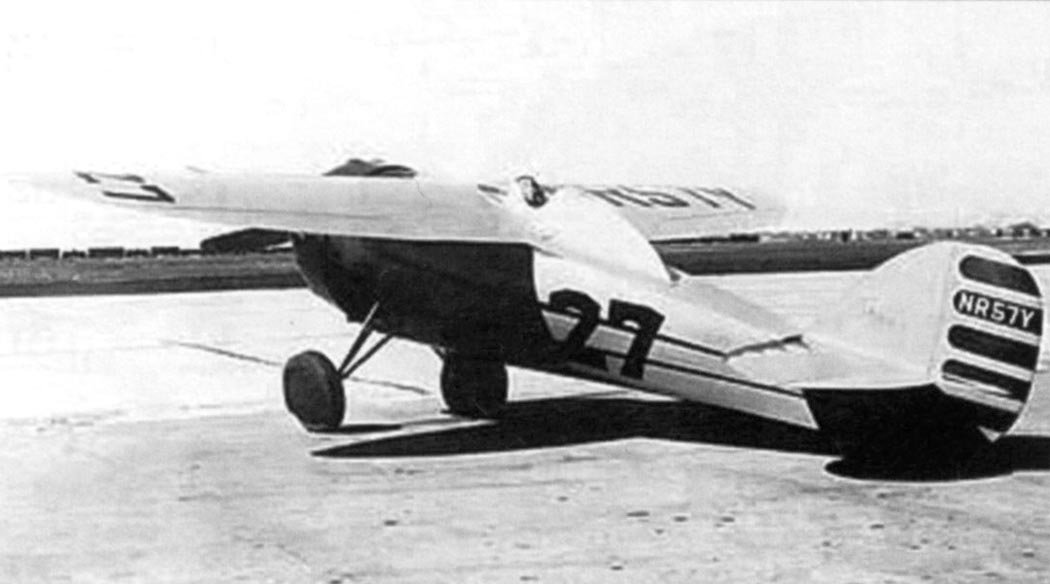
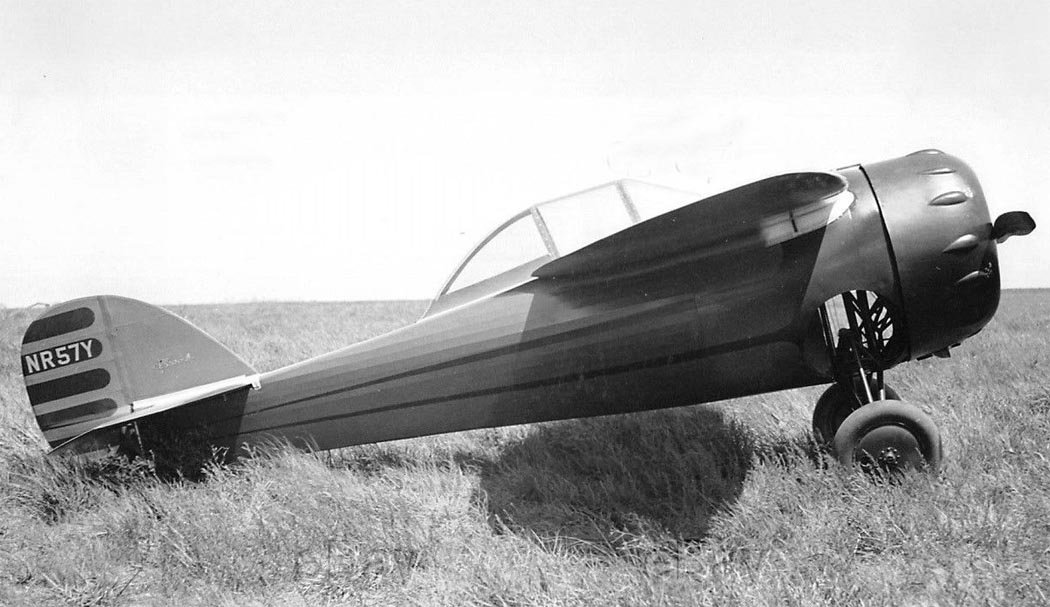
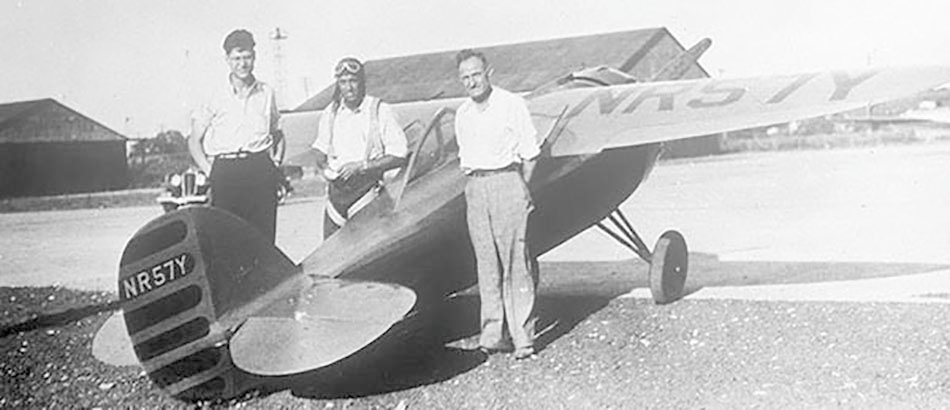
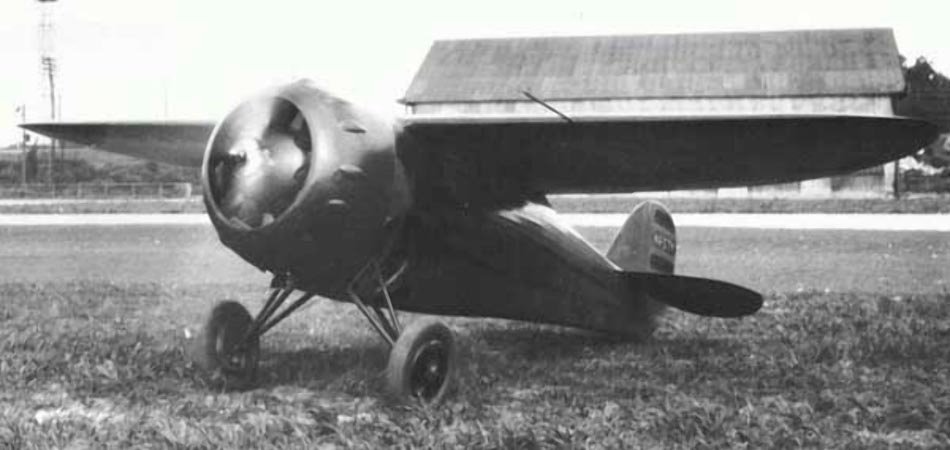
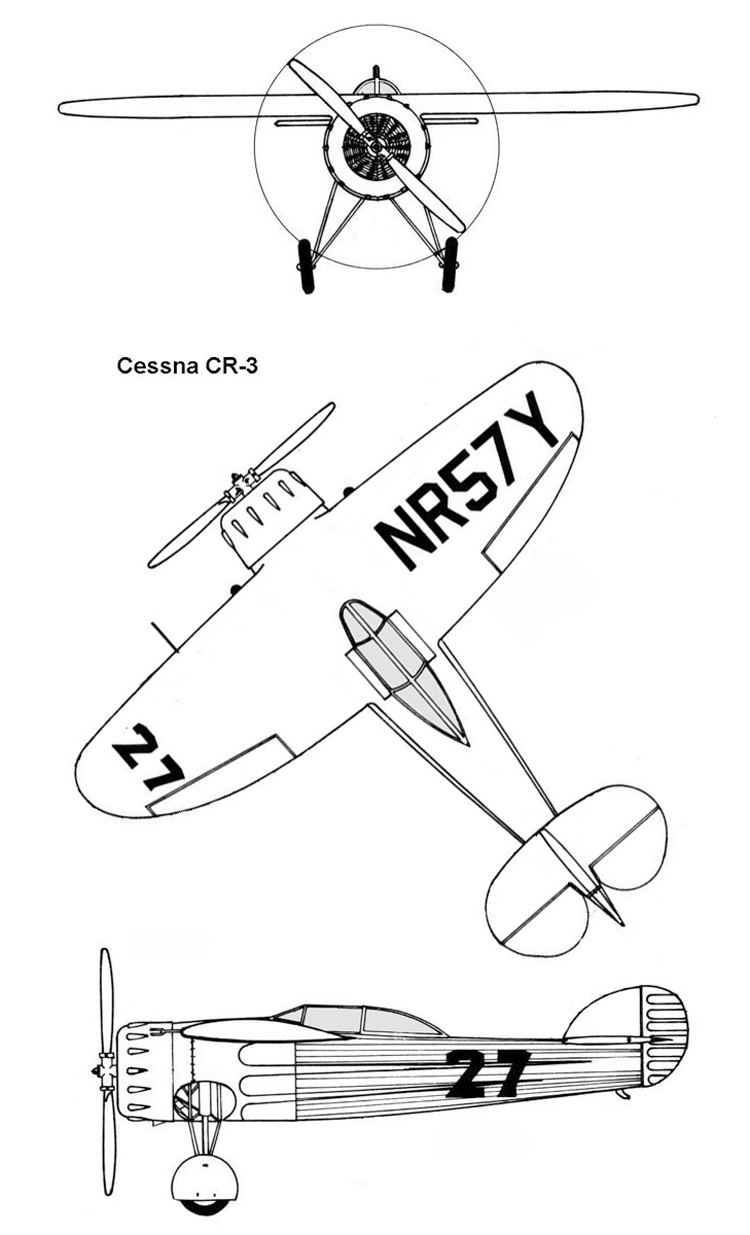
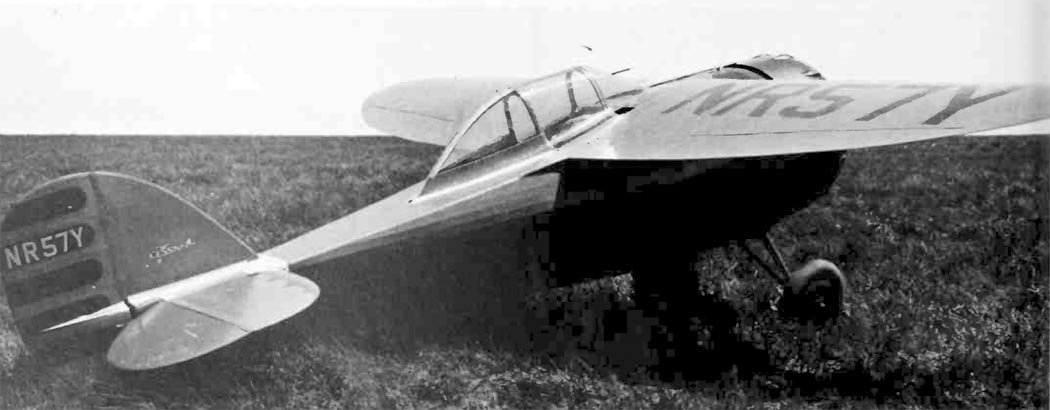
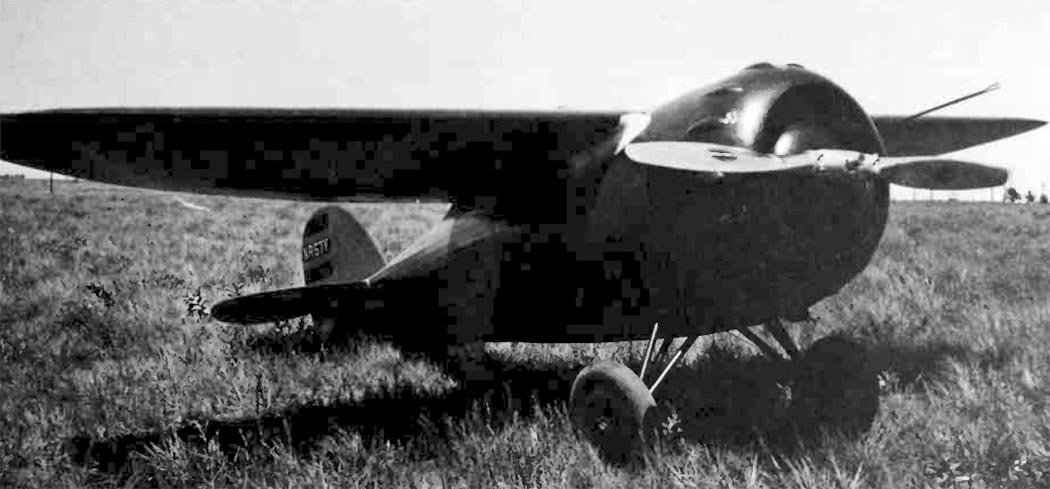
During the spring, Clyde and his colleagues built a new aircraft, the CR-3. Structurally, it was similar to the “two” (CR-2) but differed in its larger dimensions, high-wing configuration, and modified tail empennage. The fuselage became more “tucked in” at the tail, with its rear-underside covered in plywood. The pilot’s cockpit was enclosed by a canopy with a small cut-out at the top.

An strengthened landing gear was installed with a completely redesigned retraction-extension system, and provision was made for retracting the tail skid. The aircraft was equipped with a “Super Scarab” engine that Livingston had removed from his old machine. The construction of the “three” cost 5000 USD.

Triumph and Tragedy at the Air Races

In July, John Livingston in the yellow-red “three” (registration NR57Y) and Art Davis in the “two” were unmatched at the Chicago American Air Races. John emerged as the winner, outpacing his teammate by fractions of a second, a testament to his cornering skills. Prize money totaled 3500 USD for the duo. During the race, Livingston also broke the speed record in his category, reaching 381 km/h.

The very next day, the team again headed to Chicago for the International Air Races. On September 2, during the Shell Speed Dash race, foul weather struck. Battling a squall, Liggett took off and flew his plane diagonally across the airfield. Cessna Sr., watching him, suddenly saw with horror how a detached cowl section from the “two” struck the wing, which began to disintegrate. Before the eyes of numerous spectators, the plane crashed to the ground.

Shock and horror! Clyde was devastated by what happened: a close friend had died in his aircraft. Alas, this absurd death was not the only one on that ill-fated day. “Time” magazine, published on September 11, wrote: “The cowling stripped from the wing of the yellow-red ‘Gee Bee’ of 26-year-old Florence Klingensmith of Minneapolis… The plane crashed, dooming Miss Klingensmith to death before the stands.”

The Legacy of a Broken Dream

Later, a relative of Clyde Cessna would say: “He was literally destroyed by Liggett’s death and lost interest in aviation.” Furthermore, almost simultaneously, the CR-3 was also lost. Livingston had to bail out by parachute after a malfunction prevented the landing gear from deploying. The racing saga had come to an end.

For many months, Clyde fell into a deep depression, unwilling to hear anything about airplanes. This series of tragedies marked the end of an era for him.

Technical Specifications

Modification CR-3
Wingspan, m 5.61
Length, m 5.20
Height, m 1.37
Empty weight 340
Engine type 1 Piston engine Warner Super Scarab
Power, hp 1 x 145
Maximum speed, km/h 410
Crew 1 crew

Image gallery of the Cessna CR-3
Spread the love
Racing Aircraft Tags:Clyde Cessna, United States

Post navigation

Previous Post: Waco CG-15A
  • Español
  • Agricultural Aircraft
  • Attack Aircraft
  • Aviation Biographies
  • Cargo & Heavy Helicopters
  • Classic Airliners
  • Classic Light Aircraft
  • Classic Regional Airliners
  • Drones & UAVs
  • Experimental Aircraft
  • History & Battles
  • Interwar Reconnaissance
  • Light & Observation Helicopters
  • Maritime Patrol
  • Military Trainer Aircraft
  • Military Transport
  • Modern Airliners
  • Modern Cargo Aircraft
  • Modern Light Aircraft
  • Modern Maritime Patrol
  • Modern Military Transport
  • Modern Regional Airliners
  • Other Aircraft
  • Pioneer Air Transport
  • Pioneer Helicopters
  • Pioneer Light Aircraft
  • Racing Aircraft
  • SAR Helicopters (Rescue)
  • Sin categoría
  • Utility Helicopters
  • Weapons & Technology
  • WWI Attack Aircraft
  • WWI Bombers
  • WWI Fighters
  • WWI Flying Boats
  • WWI Reconnaissance
  • WWII Attack Aircraft
  • WWII Flying Boats
  • WWII Military Transport
CL-289CL-289Admin
CLA.4CLA.4Admin
Couzinet 21Couzinet 21Admin

Legal

  • About ArchivoAereo
  • Terms and Conditions
  • Contact Us
  • Privacy Policy

Copyright © 2026 archivoaereo.com.

Powered by PressBook WordPress theme