Origins and Development of the CH-7 Angel
The CH series helicopters owe their existence to the famous Argentinian helicopter designer Augusto Ulderico Cicaré. In 1989, the Italian company EliSport (known as HeliSport S.r.l. from 1997) acquired a license for the Cicaré CH-6.
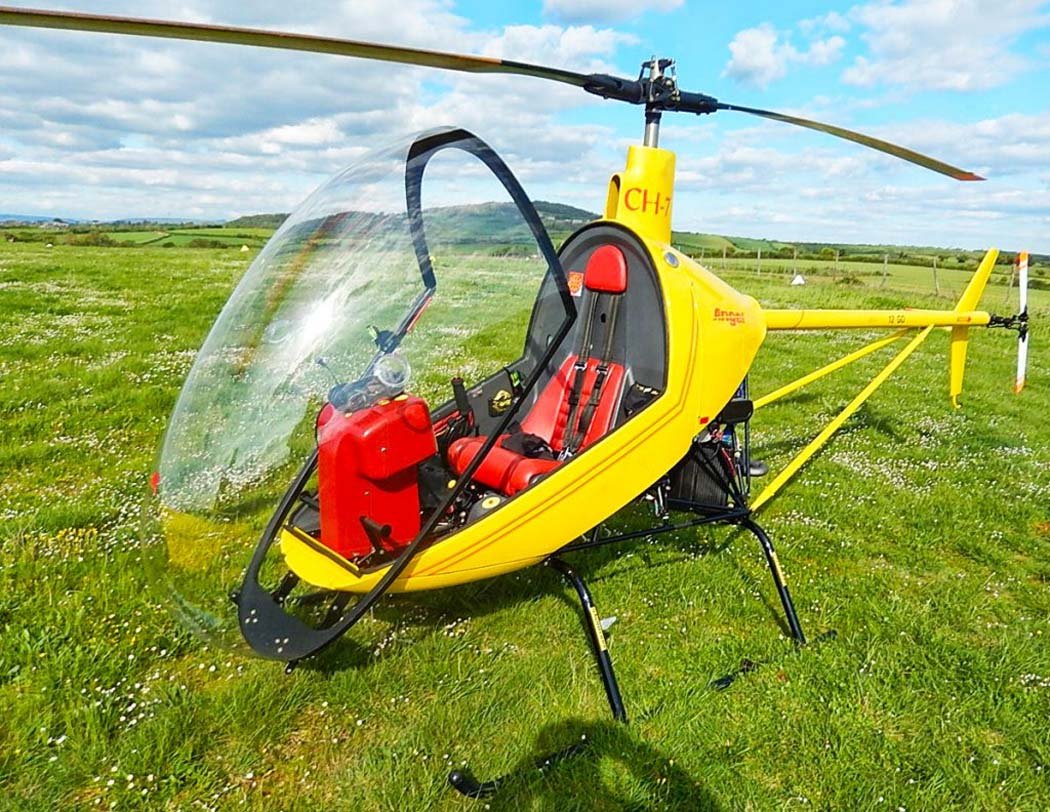
A design team comprising engineers Josi and Claudio Barbero, and sports car designer Marcello Gandini, with the active participation of Augusto Cicaré, developed an improved version of the helicopter in 1992. This model was designated as the CH-7 Angel.
Specifications and Variants
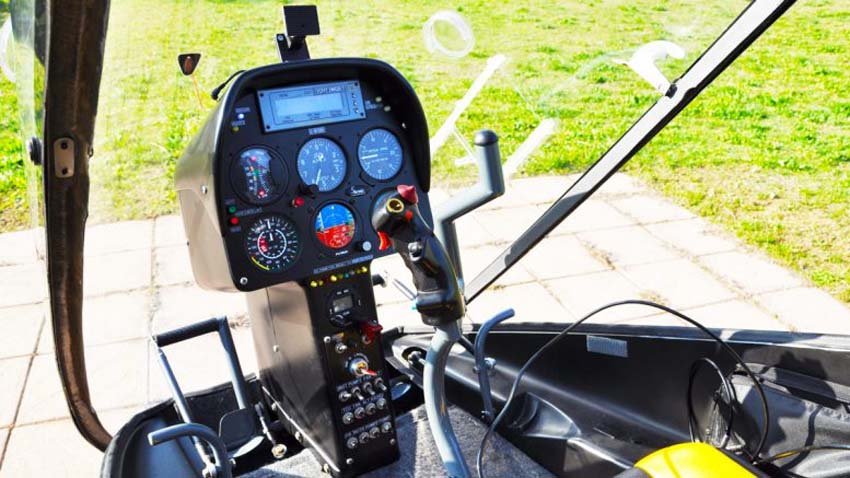
The original CH-7 Angel was a single-seat ultralight helicopter, powered by a 64 hp (48 kW) Rotax 582UL engine. Optionally, an 80 hp Rotax 912UL could also be installed for enhanced performance.
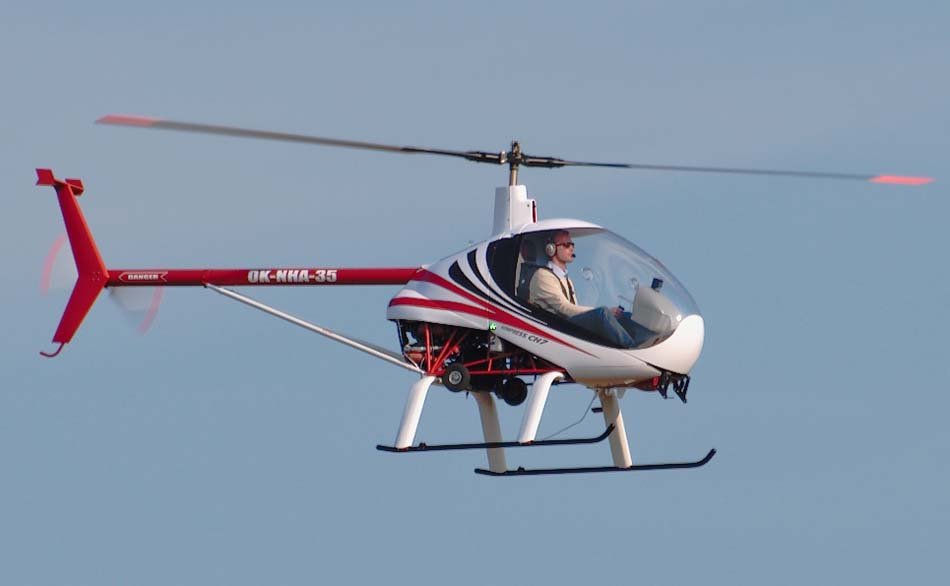
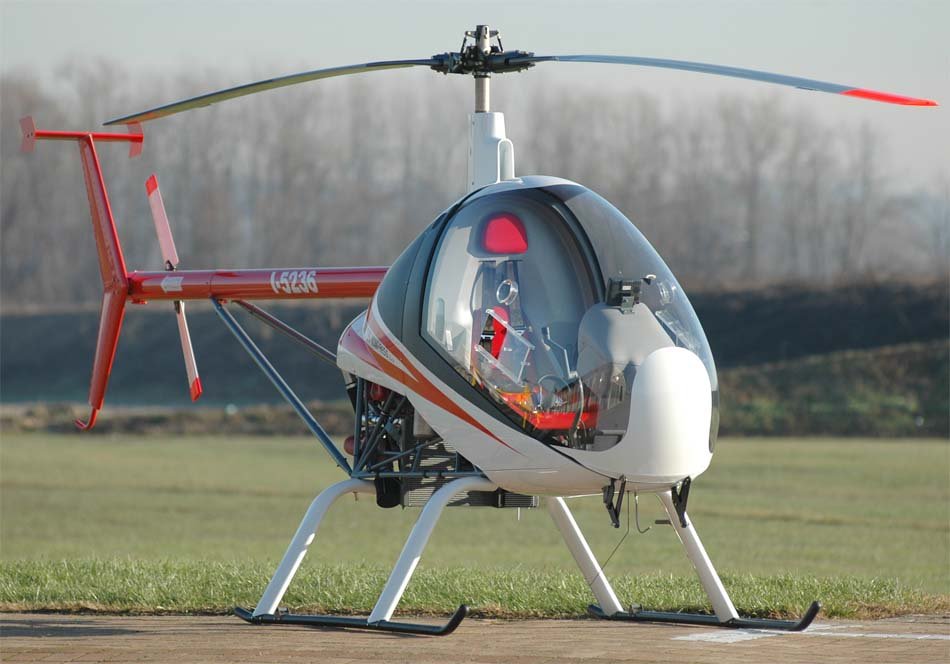
From 1992 to 1997, 120 CH-7 assembly kits were released. Subsequently, an additional 215 helicopters were produced in two-seat Kompress variants, including the Kompress, Kompress Charlie, and Kompress Charlie 2, all powered by 114 hp (85 kW) Rotax 914 engines.
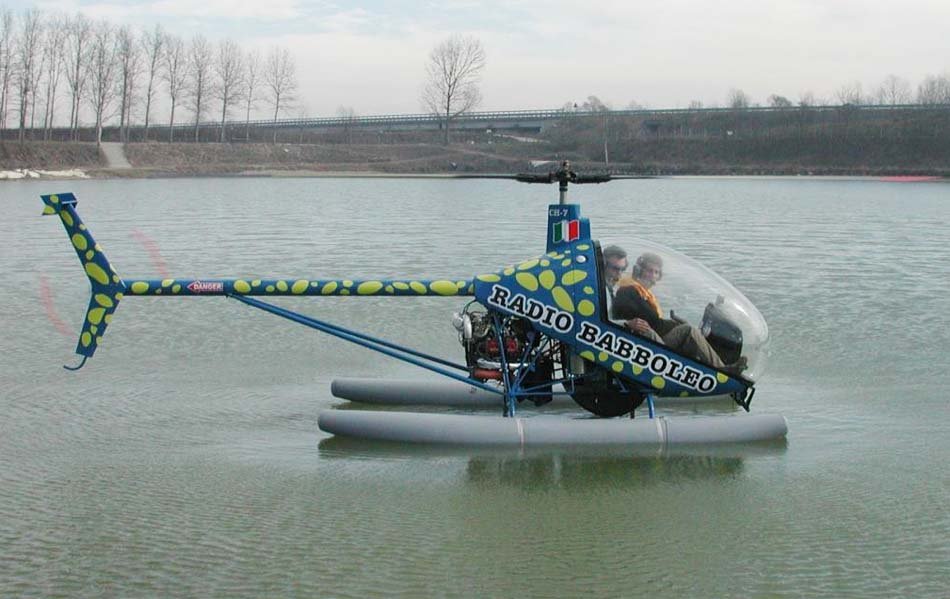
In these configurations, the passenger and pilot seats are arranged in tandem, much like a motorcycle. The frame was welded from steel tubes, while the skids and tail section were made of aluminum. It uses Ai95 gasoline as fuel. Furthermore, several machines were built in the Mariner version, equipped with inflatable floats for amphibious operations.
Sporting Achievements and Legacy
The CH-7 proved to be a capable sport helicopter. In 2007, it secured first place in the Italian Helicopter Championships, and two years later, it achieved third place in the World Air Games competition.
Technical Specifications
| Modification | CH-7 Kompress Charlie |
| Main rotor diameter, m | 6.20 |
| Length, m | 7.05 |
| Height, m | 2.35 |
| Empty weight | 275 |
| Maximum takeoff weight | 450 |
| Engine type | 1 Piston engine Rotax 914 |
| Power, hp | 1 x 114 |
| Maximum speed, km/h | 192 |
| Cruising speed, km/h | 160 |
| Practical range, km | 480 |
| Practical ceiling, m | 5000 |
| Crew | 2 |
Image gallery of the CH-7 Angel