Origin and Development
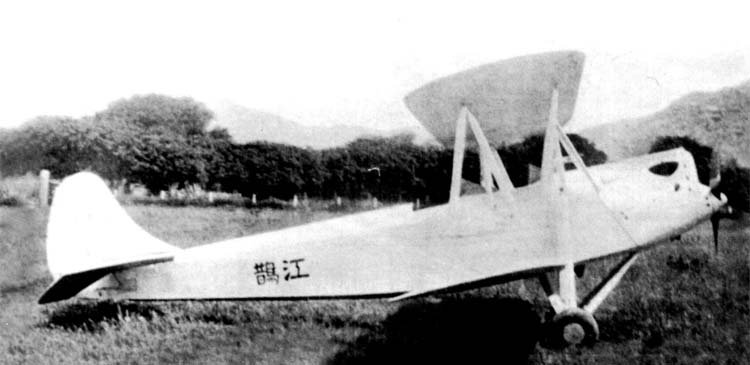
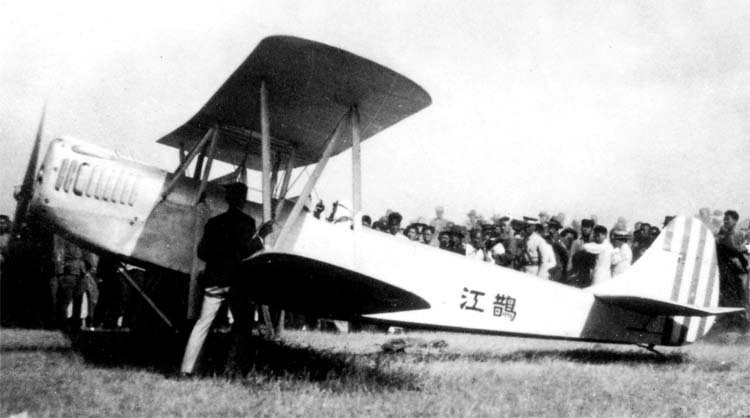
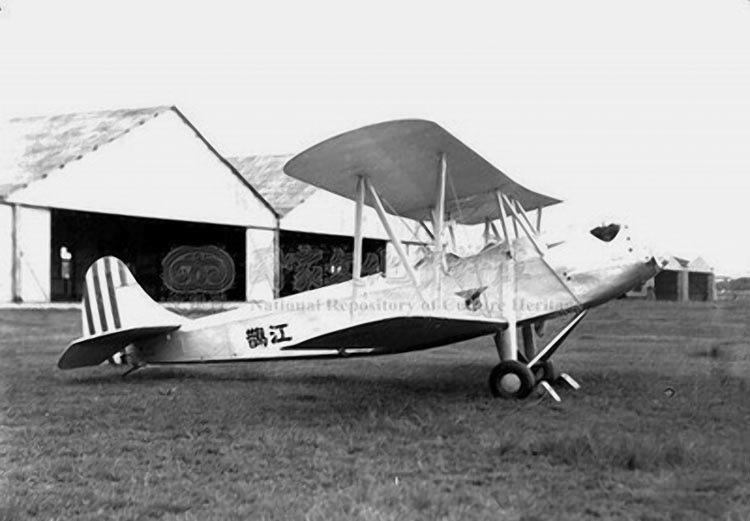
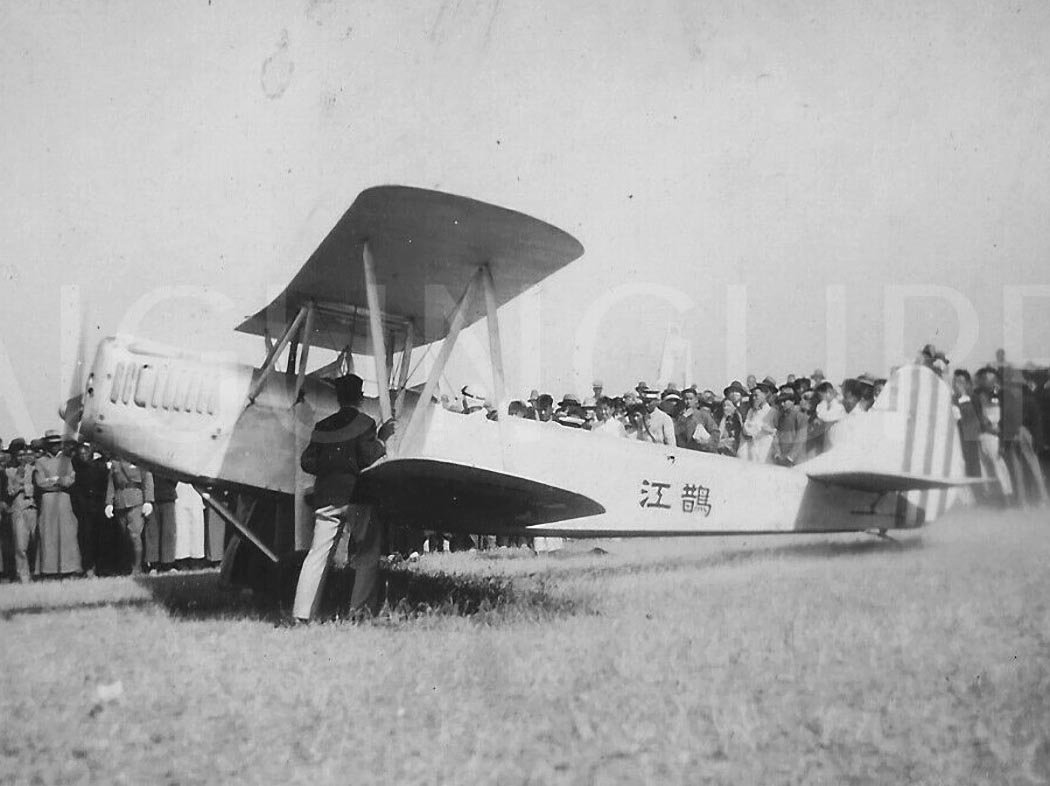
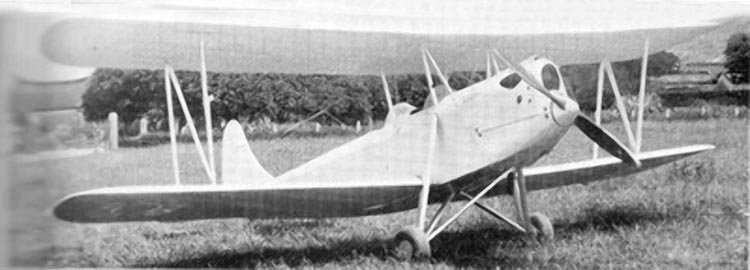
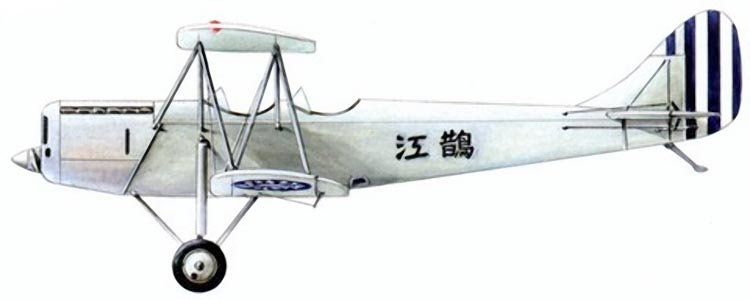
In 1933, the Chinese Fleet received a two-seater training aircraft. It was initially equipped with an 85 hp ADC Cirrus III engine, which was later replaced by a 104 hp Cirrus Hermes engine. This aircraft was developed by engineer D. S. Pan (P’an Ting-hsin).
Engineer Pan, together with Captain Chen Wen-lin, supervised the aircraft’s construction at the Amoy firm, which belonged to the fleet. Chinese wood and English components were used in its construction, resulting in an aircraft resembling the Avro Avian.
Identity and Early Flights
The aircraft was named Chiang Ch’ueh (also Chiang Ch’io or Chiang Ch`üeh), meaning “river magpie.” In July 1933, Chen and Pan undertook a cross-country flight, following a route from Hangzhou, Shanghai, Nanjing, to Jinan.
Subsequent Projects
In 1935, Captain Chen Wen-lin developed two additional small aircraft, powered by 75 hp Pobjoy engines. However, there is no precise information on whether these aircraft were completed.
Technical Specifications
| Modification | Chiang Ch’ueh |
| Wingspan, m | 8. 90 |
| Length, m | 7. 40 |
| Height, m | 2. 50 |
| Wing area, m2 | 20.70 |
| Empty weight | 468 |
| Normal takeoff weight | 772 |
| Engine type | 1 Piston engine ADC Cirrus III |
| Power, hp | 1 x 85 |
| Maximum speed, km/h | 152 |
| Crew, crew members | 2 |
Image gallery of the Chiang Ch’ueh