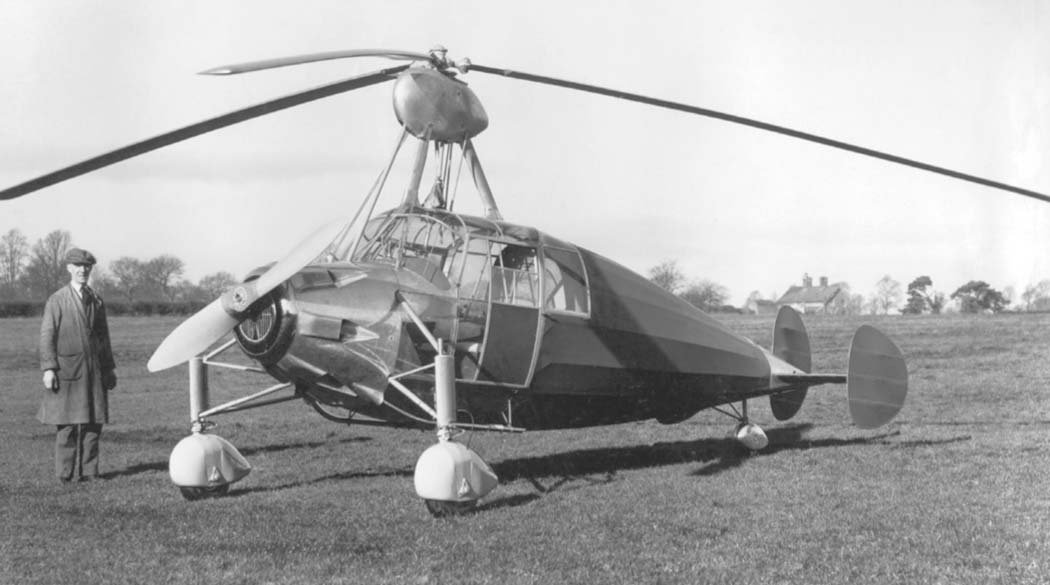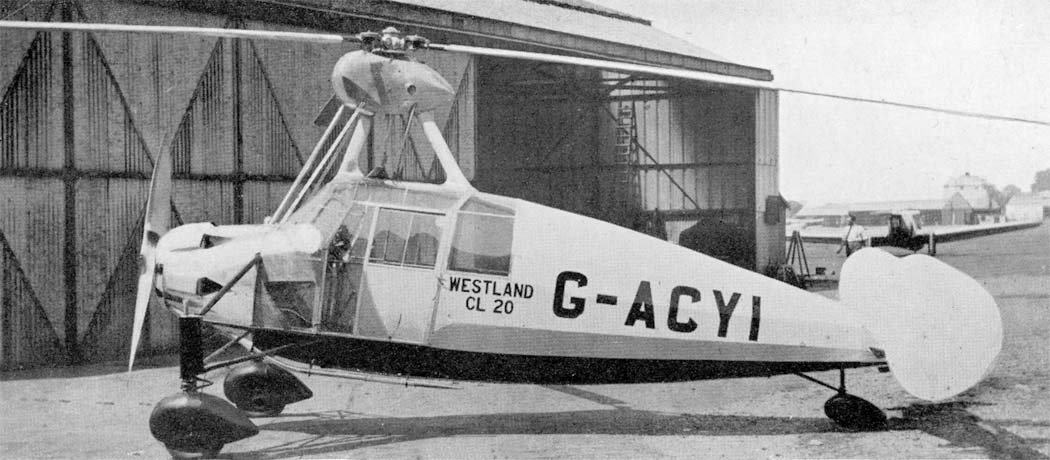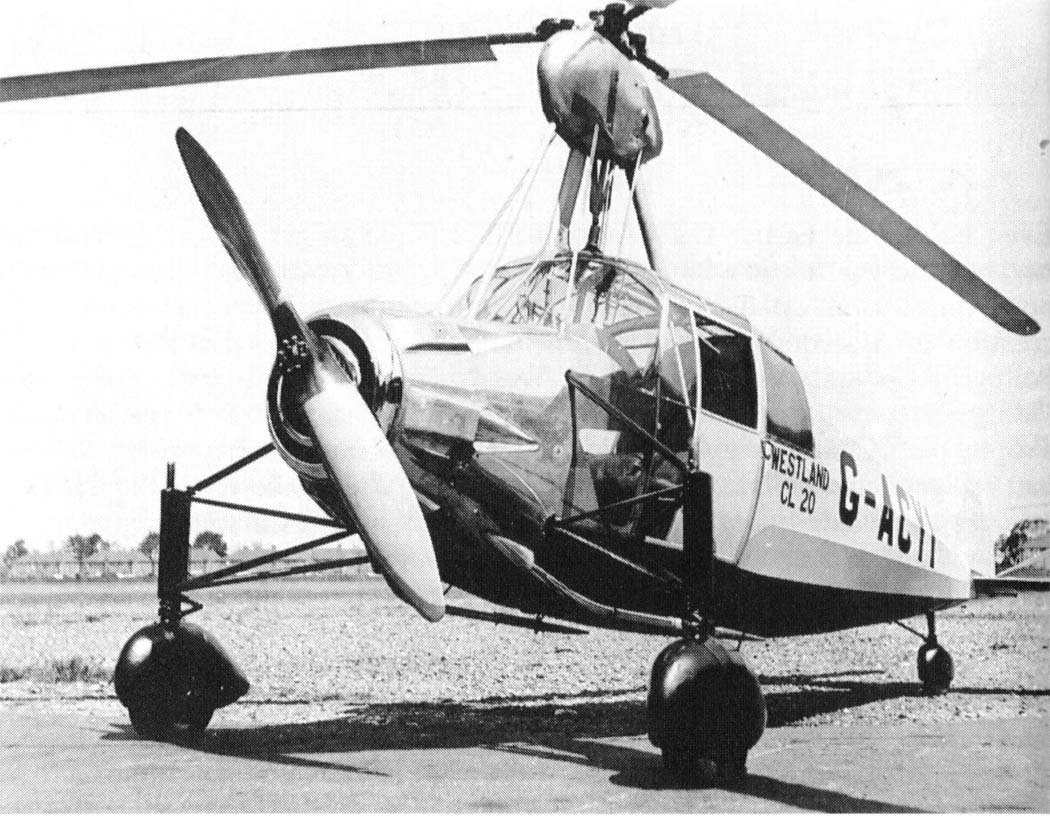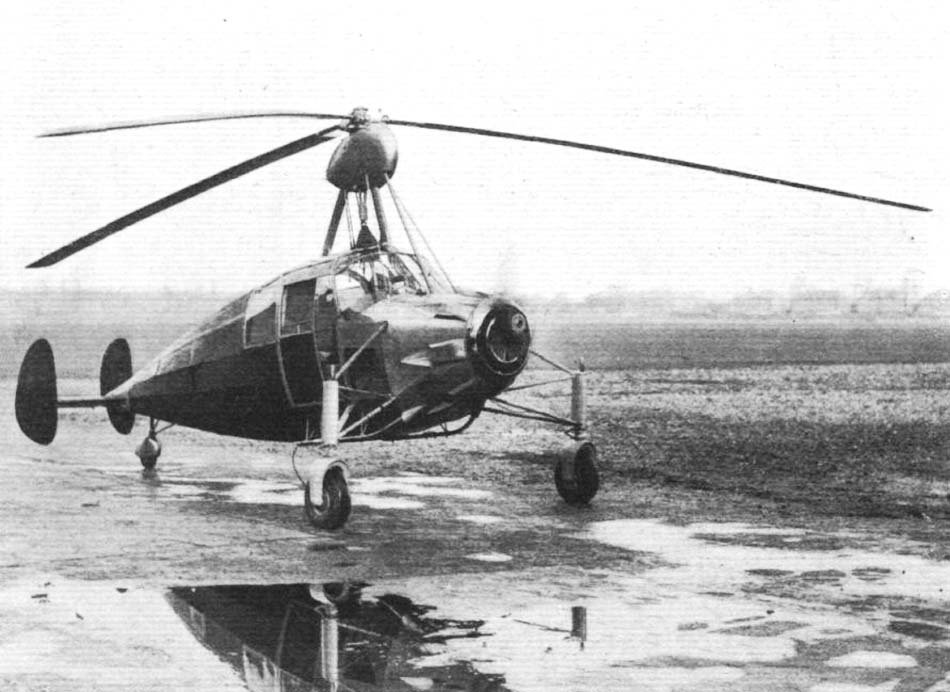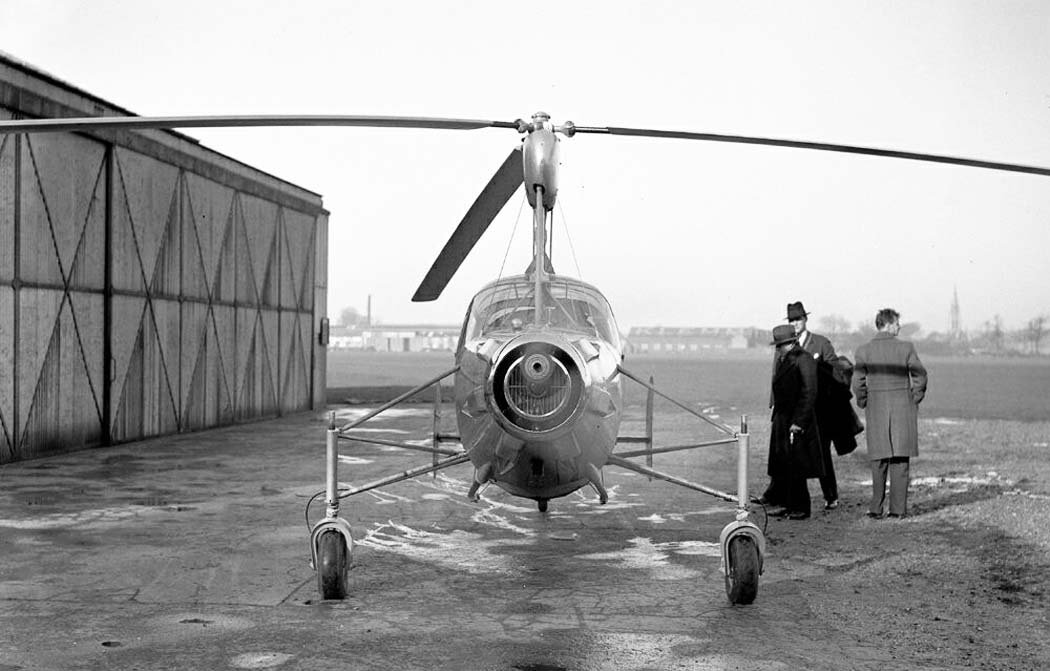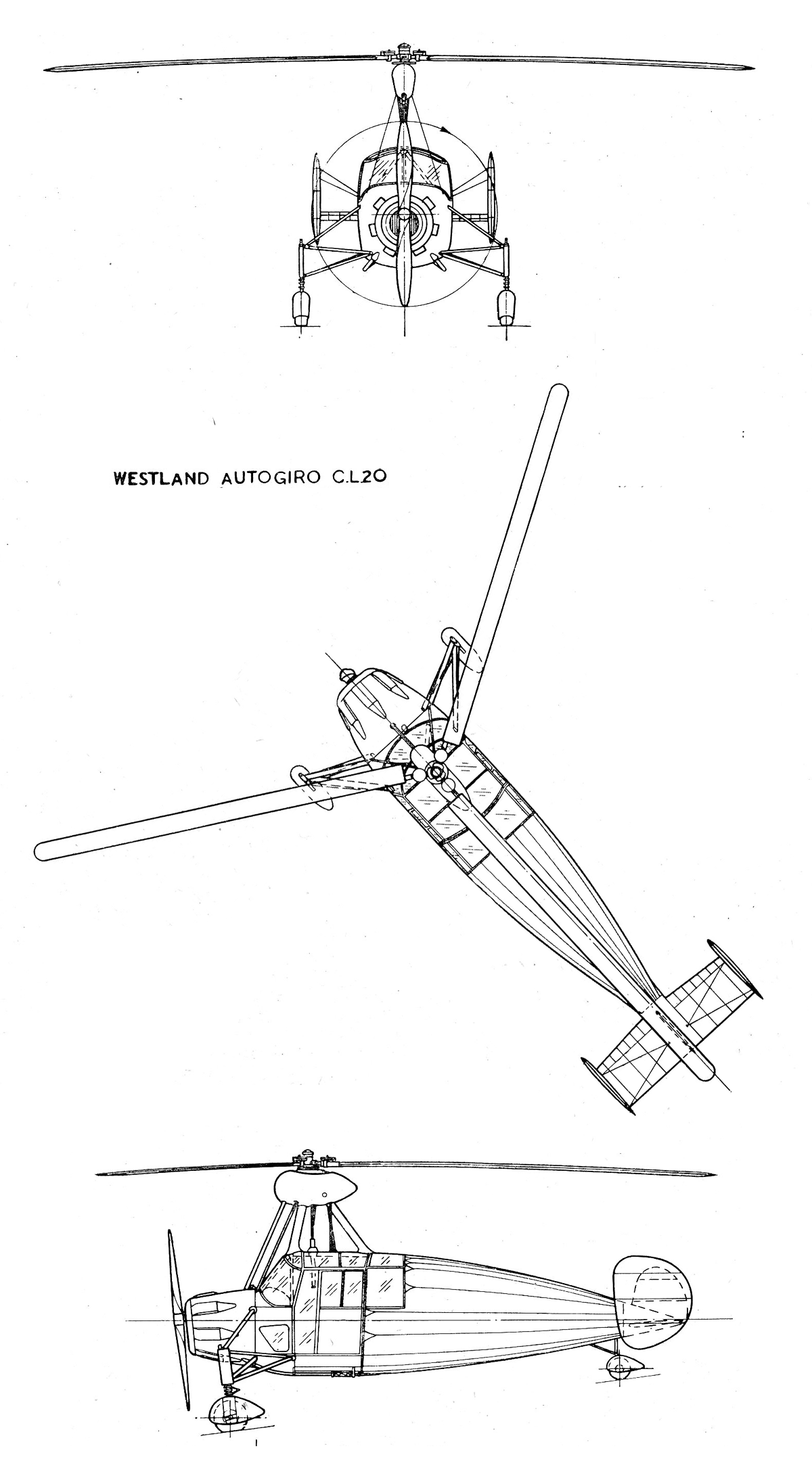
After the failure of the C.29, William Edward Petter (William Edward Willoughby “Teddy” Petter) invited the French designer Georges Lepère to build the next autogiro. The design of the CL.10B autogiro, developed by Lepère in collaboration with Juan Cierva, was used as the basis for the project.
Development and Design
The prototype of the new autogiro, designated CL.20, was completed in December 1934 and tested in early the following year. After several flights, the autogiro was disassembled and transported to the Cierva testing center at Hanworth Airfield.
Testing and Improvements
Test results led to the decision to replace the Pobjoy R engine with a more powerful 95-horsepower Pobjoy S Niagara III. However, all deficiencies could not be rectified.
Despite the negative assessment of the CL.20 obtained during testing, Teddy Petter convinced the Westland company management to manufacture six examples of the autogiro. However, these plans could not be realized.
The Fate of the CL.20
The sole example (G-AYCI) was disassembled in 1938.
Technical Specifications
| Modification | CL.20 |
| Main rotor diameter, m | 9.75 |
| Length, m | 9.68 |
| Height, m | 3.12 |
| Empty weight | 381 |
| Maximum takeoff weight | 635 |
| Engine type | 1 Piston engine Pobjoy S Niagara III |
| Power, hp | 1 x 95 |
| Maximum speed, km/h | 171 |
| Cruising speed, km/h | 155 |
| Crew, crew members | 2 |
Image gallery of the CL.20 Autogiro