Origin and Development
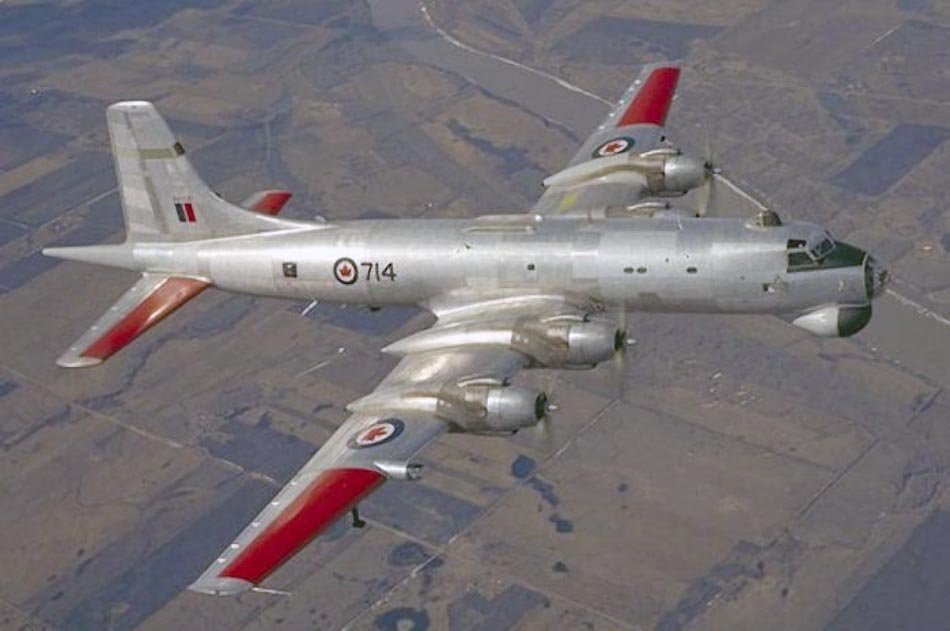
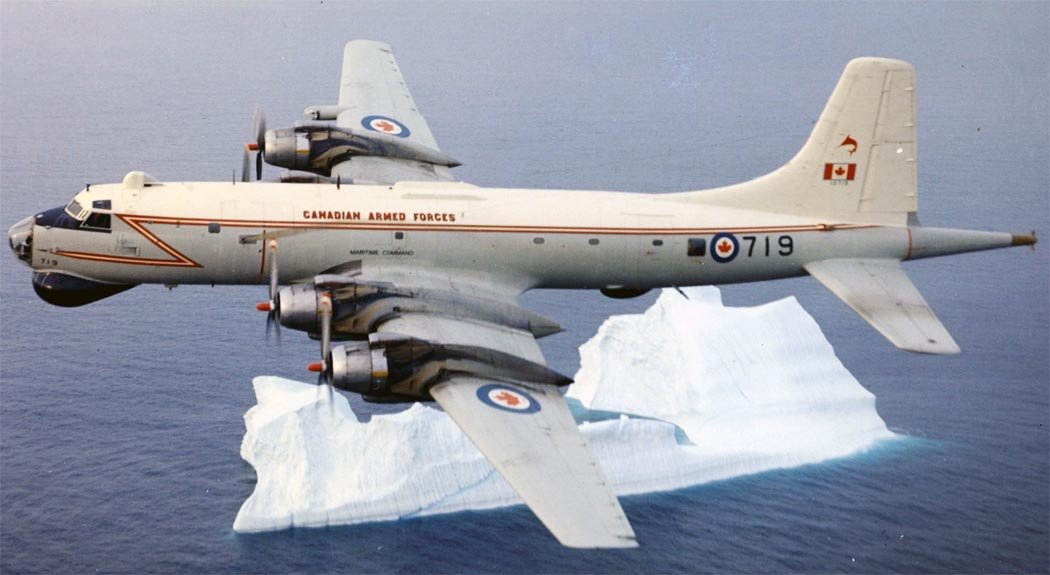
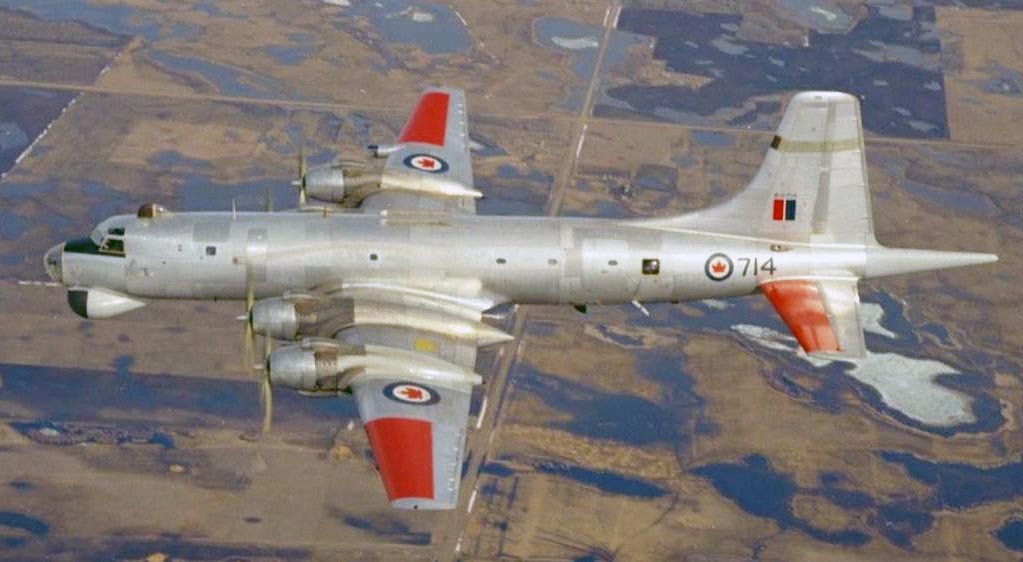
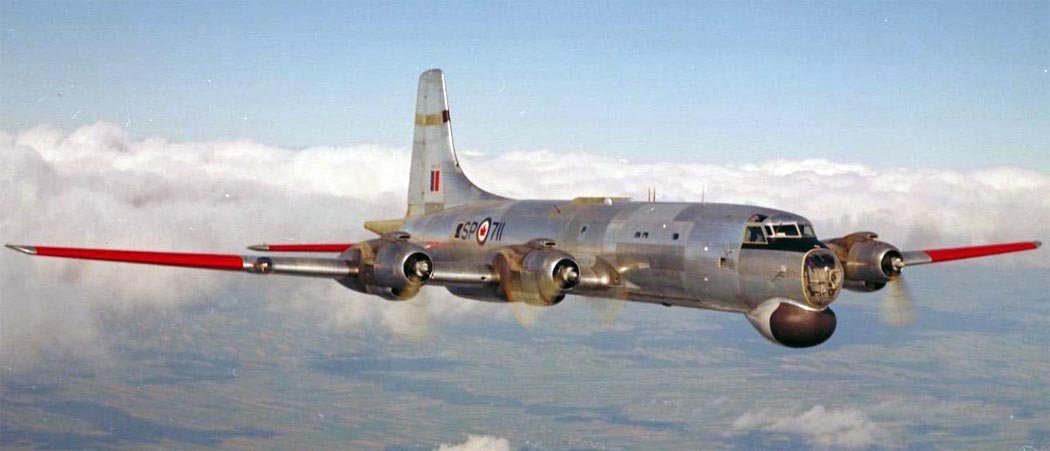
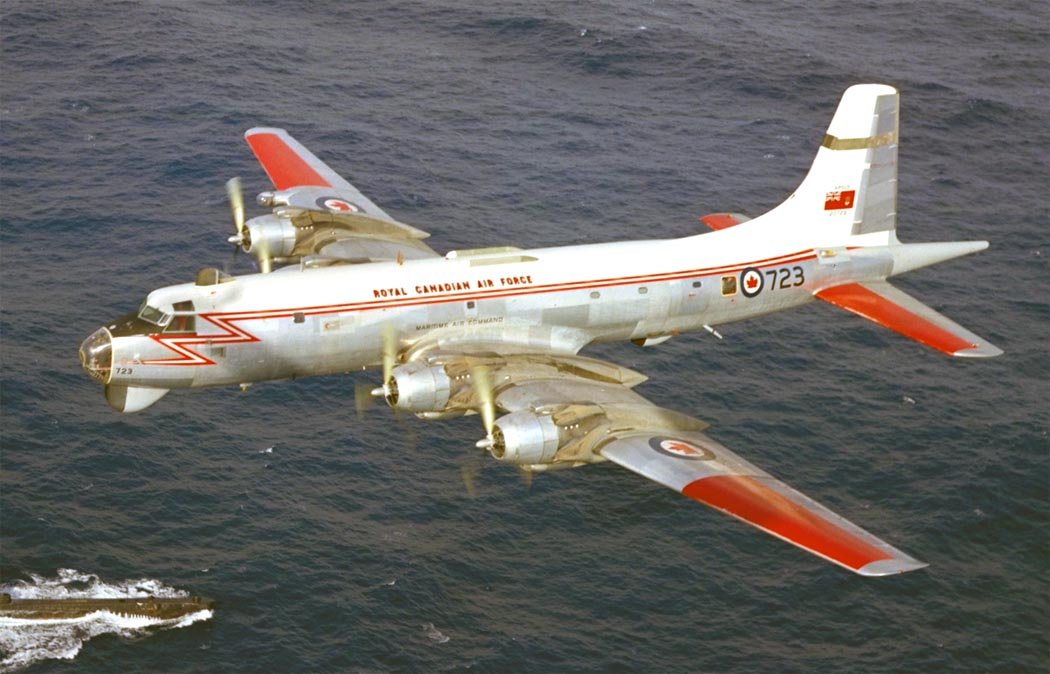
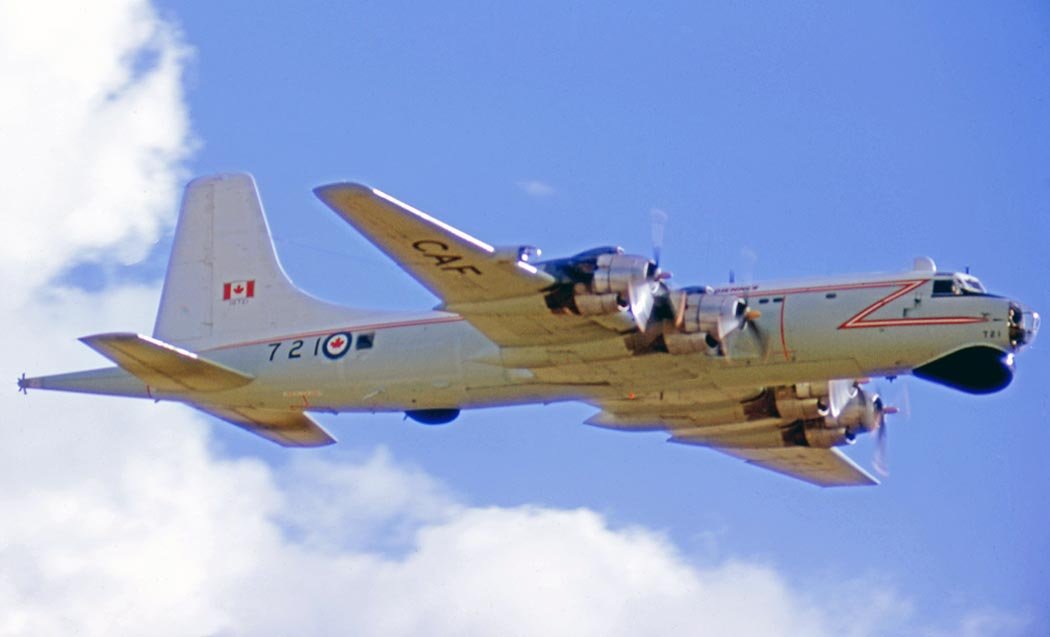
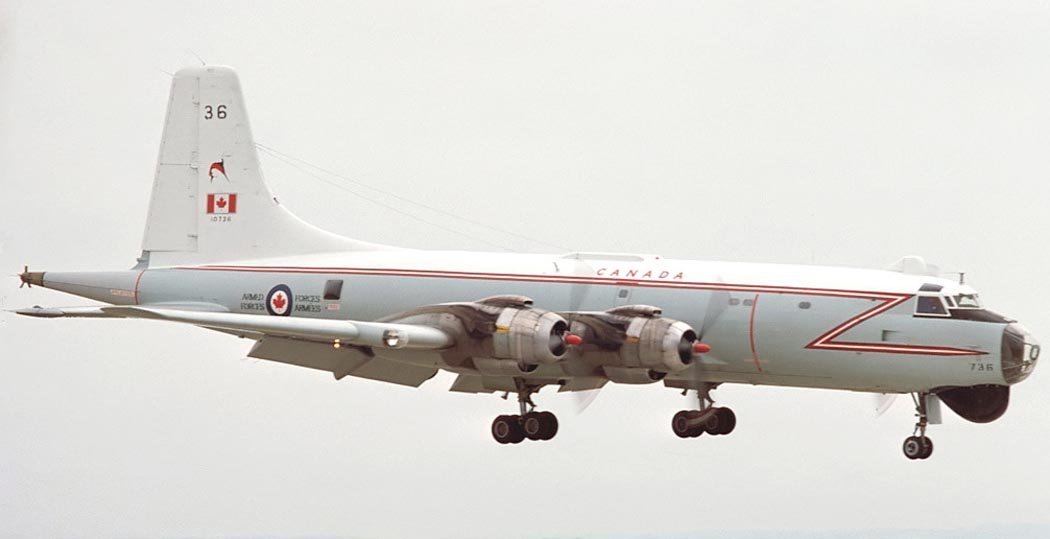
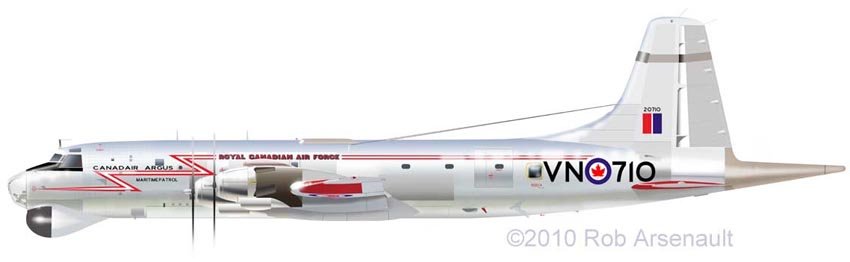
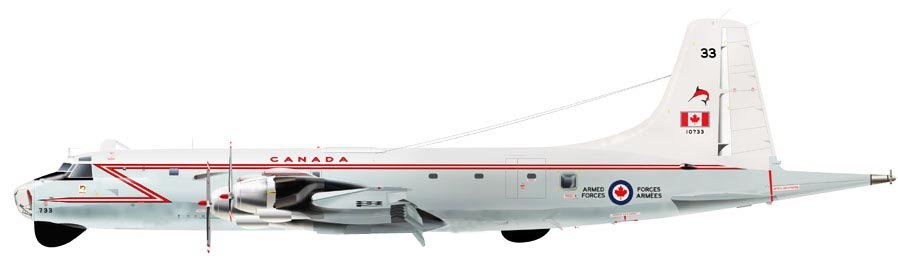
The Canadair CL-28 (military designation CP-107 Argus Mk.I) was designed to meet a requirement for a maritime patrol and anti-submarine warfare aircraft, which emerged in 1952. This aircraft was developed based on the Bristol Type 175 Britannia airliner.
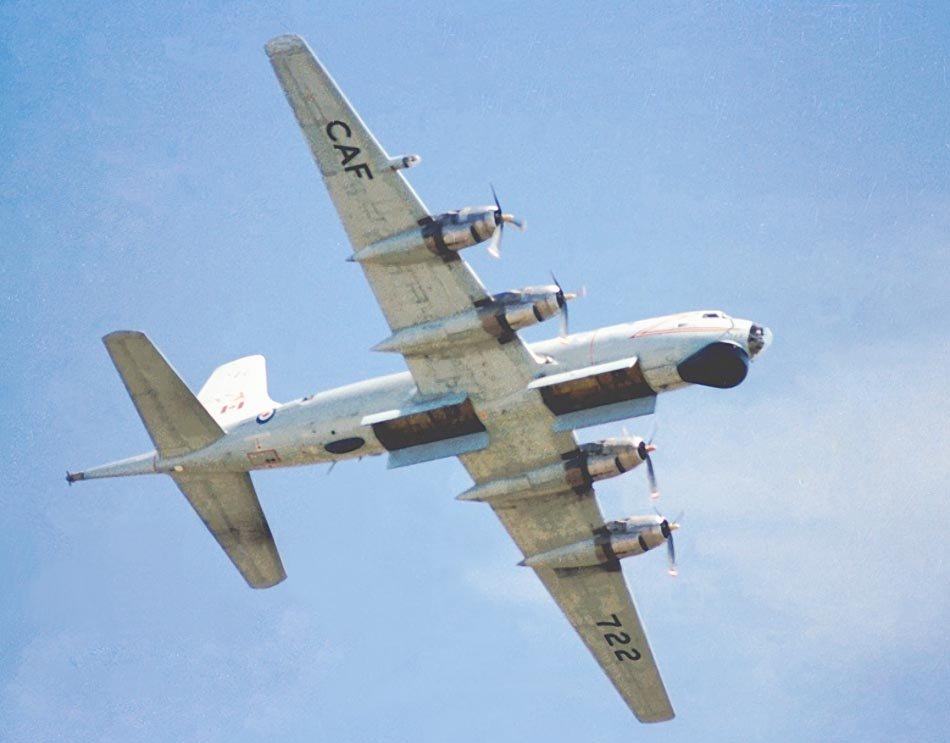
The fuselage was redesigned to accommodate two weapon bays, and the pressurization system was removed as it was deemed unnecessary, given the customer intended to use the aircraft as a maritime reconnaissance platform for low-altitude flights. The Argus Mk.1 first flew on March 28, 1957.
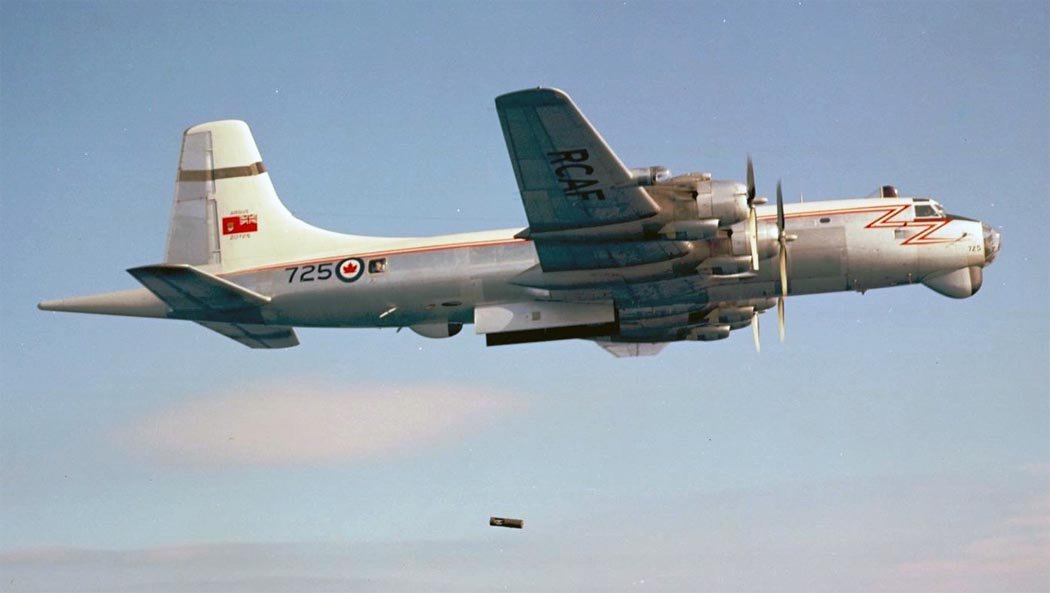
An additional 12 aircraft were produced, equipped with APS-20 radars, enclosed in a fairing under the forward fuselage. Twenty Argus Mk.2 aircraft (an upgraded version of the CP-107 Argus Mk.I) were fitted with EMI ASV.Mk.21 radars and the Julie sonar system, covered by smaller fairings. Production concluded in 1960.
Crew and Operational Capabilities
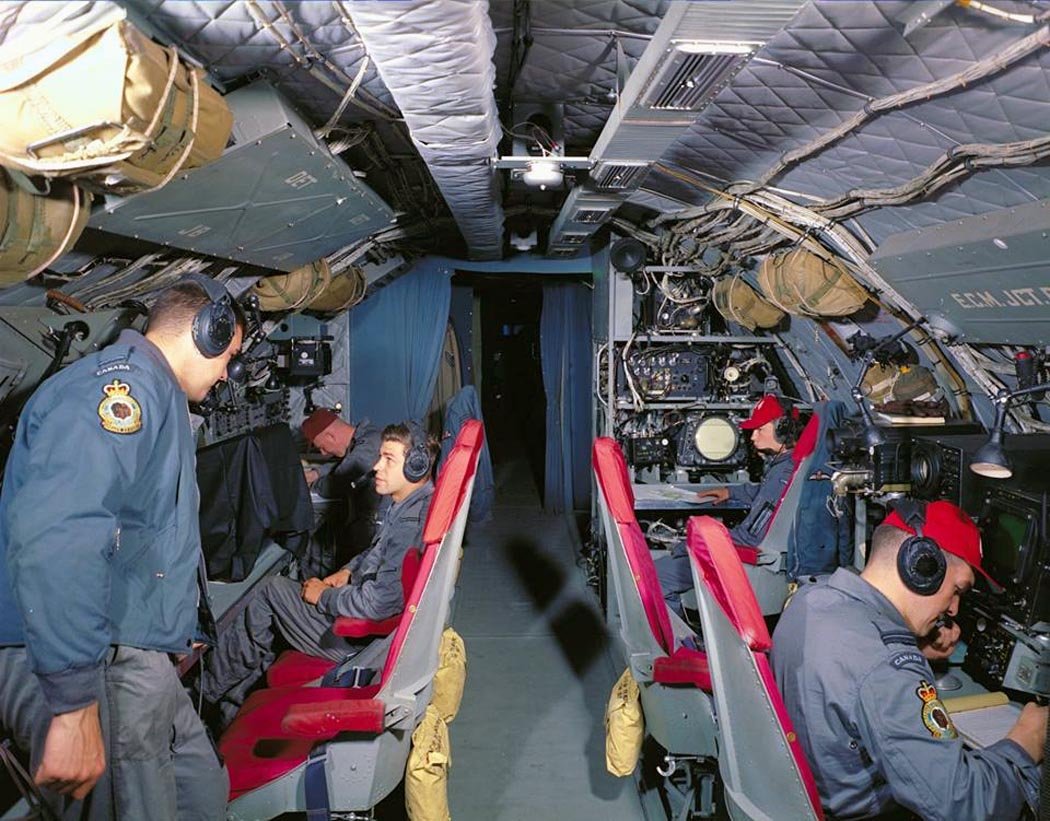
The typical Argus crew consisted of 15 people, including three pilots, two flight engineers, three navigators, and seven anti-submarine system operators. This allowed the crew to work in shifts during flights lasting up to 20 hours.
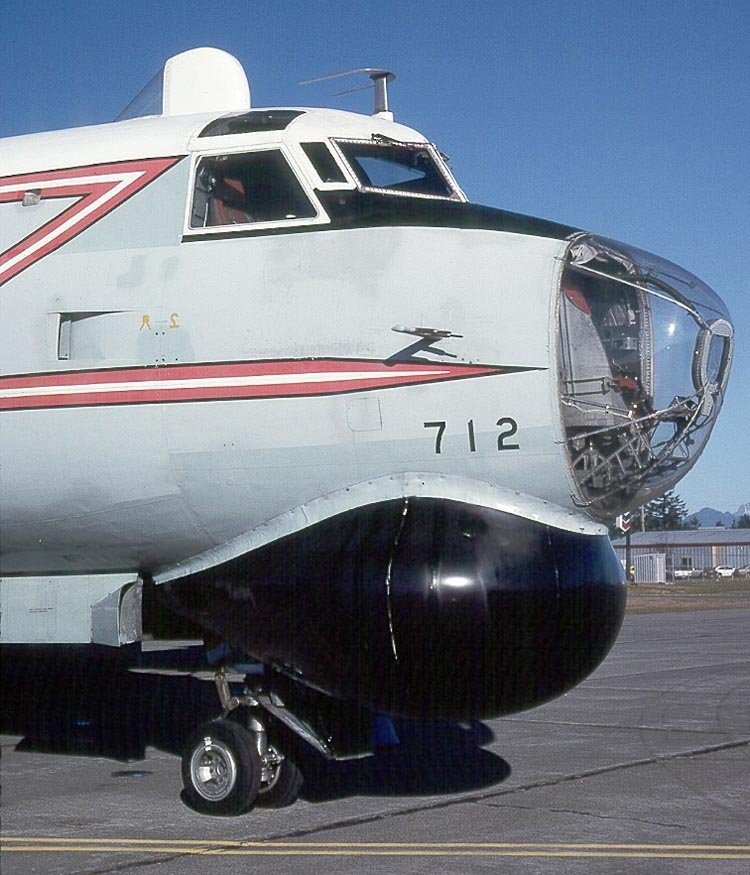
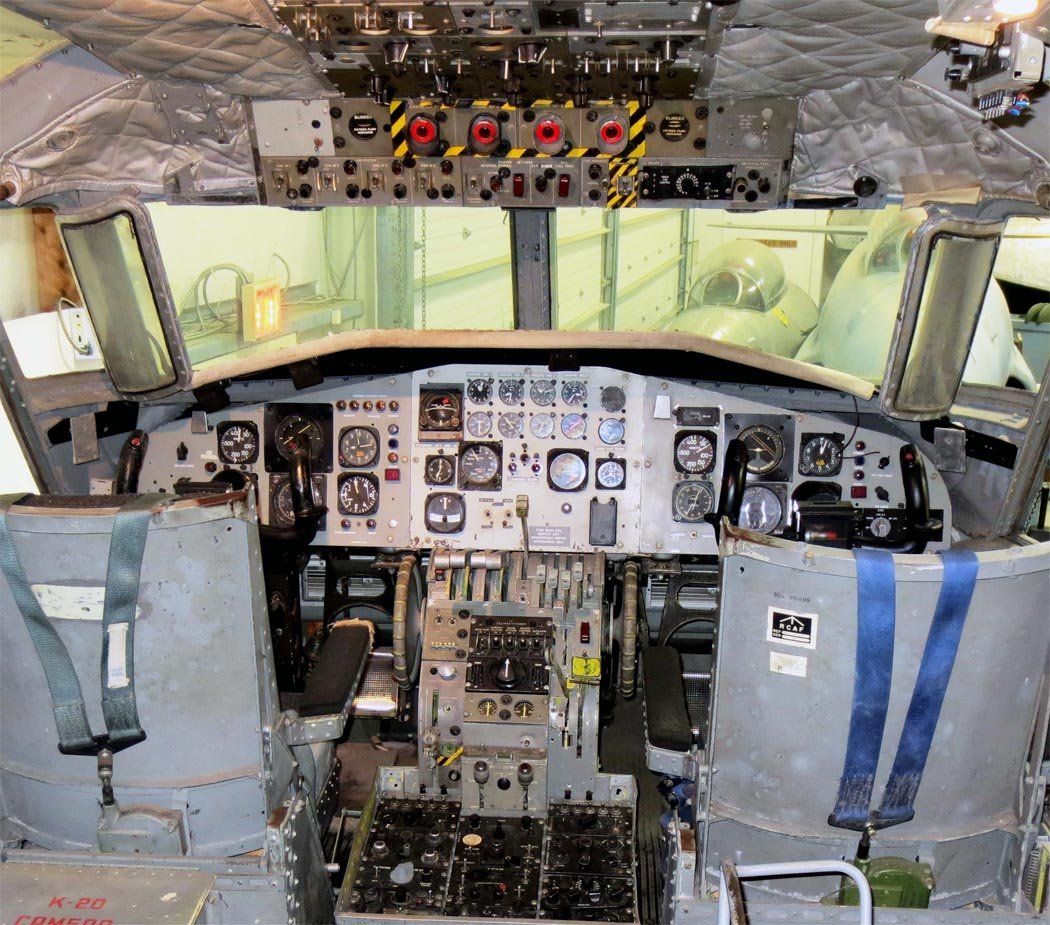
Crew stations included: an observer/bombing operator’s position in the glazed nose; the main cockpit for the pilot, co-pilot, and flight engineer; behind them, a duty navigator and radio operator. In the aft compartment were six or seven anti-submarine system operators led by a tactical coordinator, with two aft observer positions located behind this compartment.
Equipment and Service Retirement
The anti-submarine equipment installed on the Argus included a search radar, a magnetic anomaly detector, electronic counters/measurers, and an acoustic diesel engine detector. Acoustic buoys, illuminating flares, and sea markers were housed in a compartment in the rear fuselage.
Offensive weapons, which could include acoustically guided torpedoes and depth charges, were loaded into two internal bays specifically designed for armament. In 1972, due to landing gear-related issues, a special variant of the Lockheed P-3 Orion, designated CP-3 Aurora, was released.
By the end of 1981, all CP-107 aircraft were withdrawn from service, marking the end of the Argus era.
Technical Specifications
| Modification | Argus Mk.I |
| Wingspan, m | 43.37 |
| Aircraft length, m | 39.26 |
| Aircraft height, m | 11.79 |
| Wing area, m2 | 192.77 |
| Empty weight | 36741 |
| Normal takeoff weight | 67133 |
| Maximum takeoff weight | 71214 |
| Internal fuel, l | 32776 |
| Engine type | 4 Piston engine Wright R-3350-TC981-EA1 Turbo-Compound |
| Power, hp | 4 x 3400 |
| Maximum speed, km/h | 507 |
| Cruising speed, km/h | 463 |
| Practical range, km | 9495 |
| Operational range, km | 6437 |
| Flight endurance, h.min | 26.30 |
| Service ceiling, m | 7620 |
| Crew, crew | 5 + 6 operators |
| Armament | Combat load – 5352 kg in 2 weapon bays and 2 hardpoints. In weapon bays: 12 depth charges, or 8 mines, or 6 Mk.44 or Mk.46 torpedoes. On hardpoints: 4 depth charges, or 2 mines, or 2 anti-ship missiles. |
Image gallery of the CL-28 Argus