Origins and Development
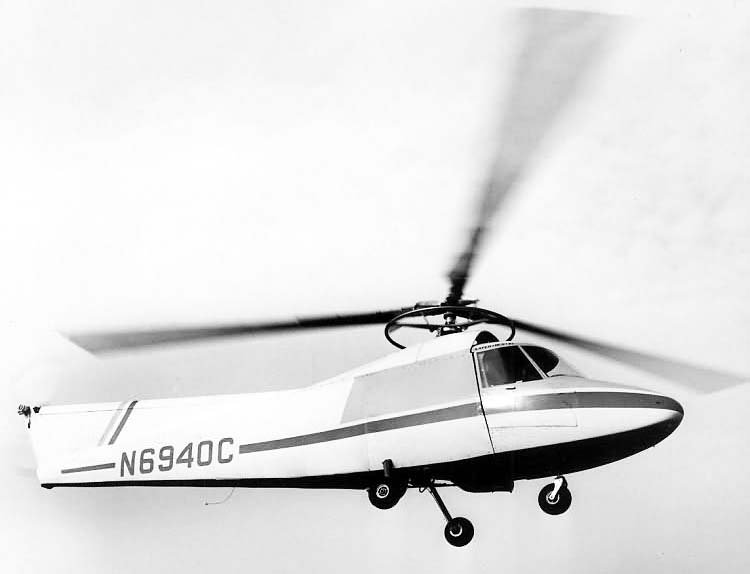
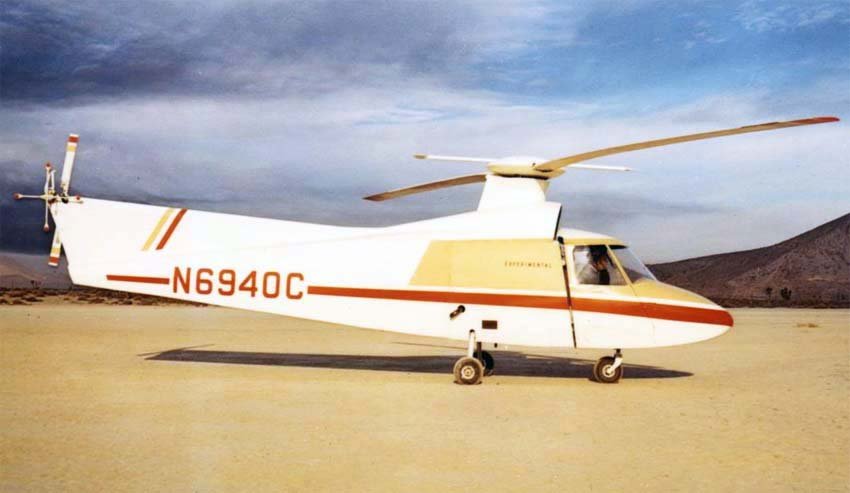
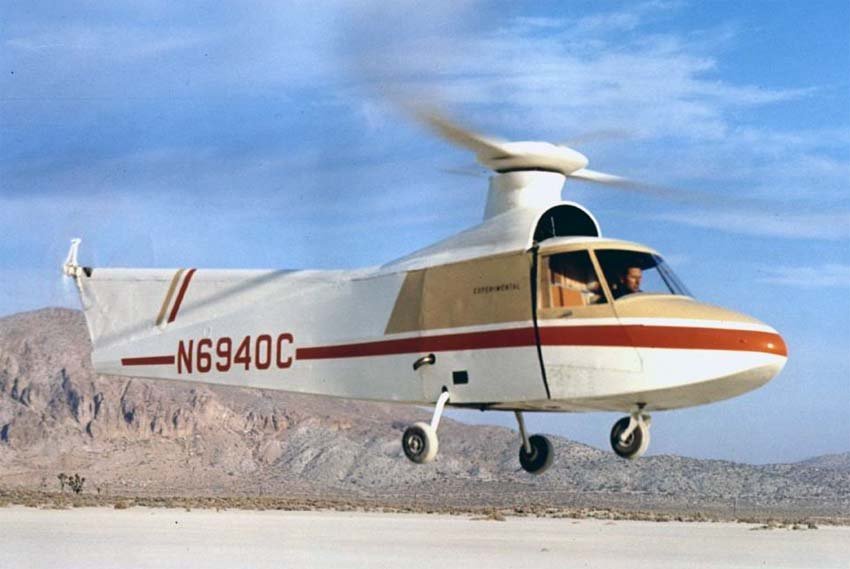
The CL-475 was Lockheed’s first helicopter. It was developed by a team of specialists from the “Advanced Concepts Group,” led by Irven Culver, who had previously worked on the P-39 and P-80 programs. It is believed that Culver was the one who proposed the well-known “Skunk Works” name for Lockheed’s advanced programs division.
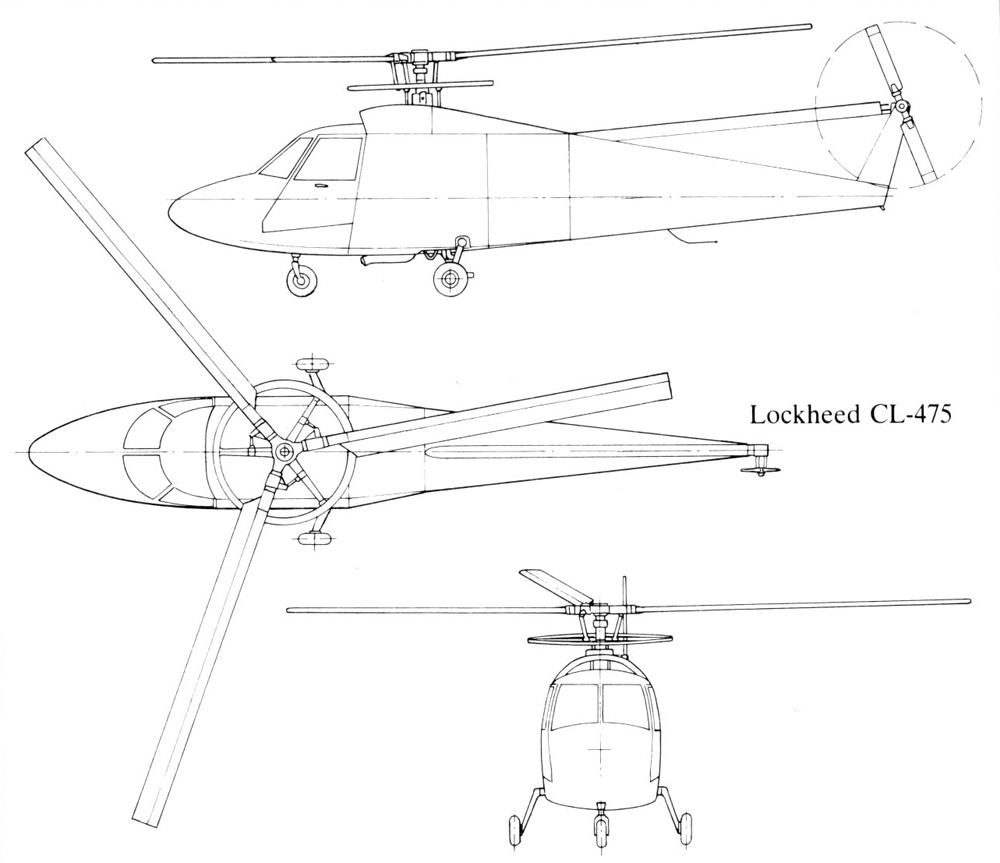
After tests conducted in 1959 with a radio-controlled scale model, the development team began the construction of a two-seat experimental helicopter. The CL-475 featured a main rotor with rigid blade attachments.
First Flight and Overcoming Challenges
The CL-475 made its maiden flight on November 2, 1959. Serious vibration problems immediately arose, which were only overcome after the implementation of a three-bladed metal main rotor and a redesigned swashplate.
The modified XH-51 demonstrated excellent handling during testing. A test pilot, who had no prior helicopter piloting experience, easily completed the flight mission on the very first attempt.
Legacy and Preservation
Subsequently, Lockheed applied the rigid rotor blade concept in a light reconnaissance helicopter, which the company began developing in 1961, although it did not generate customer interest. However, the U.S. Army and Navy ordered two experimental XH-51s.
After the completion of the test program, the CL-475 was sent to storage. In 1975, it was transferred to the National Air and Space Museum, and subsequently, the helicopter was sent to the U.S. Army Aviation Museum in Fort Rucker.
Technical Specifications
| Модификация | CL-475 |
| Диаметр несущего винта, м | 9. 75 |
| Высота ,м | 2.82 |
| Пустого | 737 |
| Максимальная взлетная | 907 |
| Тип двигателя | 1 ПД Lycoming VO-360-A1A |
| Мощность, квт | 1 х 140 |
| Максимальная скорость, км/ч | 145 |
| Практическая дальность, км | 120 |
| Статический потолок, м | 610 |
| Экипаж, чел | 2 |
Image and diagram gallery of the CL-475