From Glider to Transport Aircraft
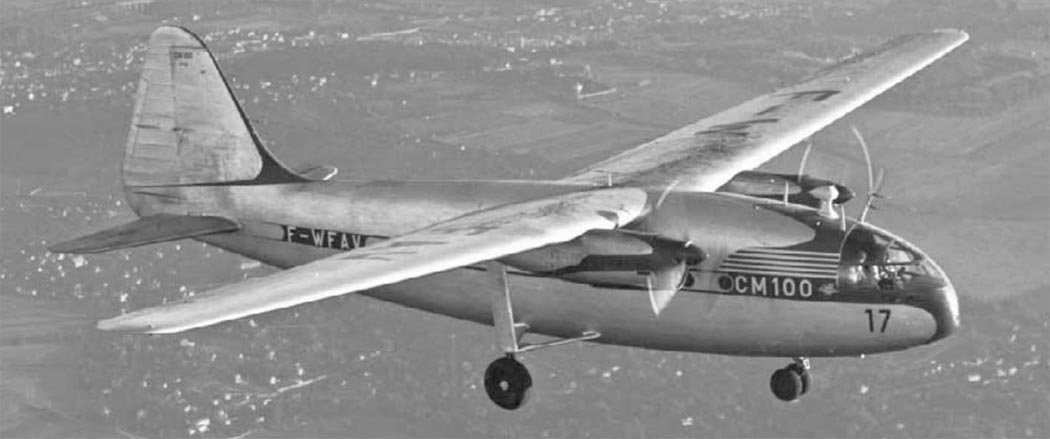
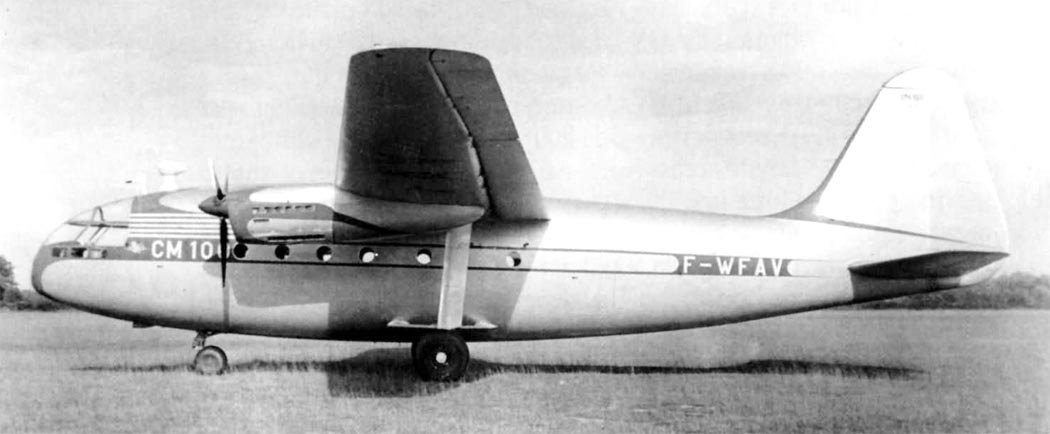
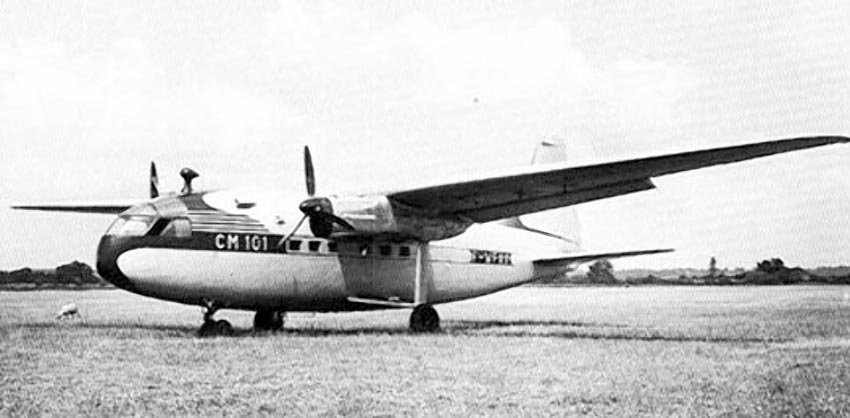
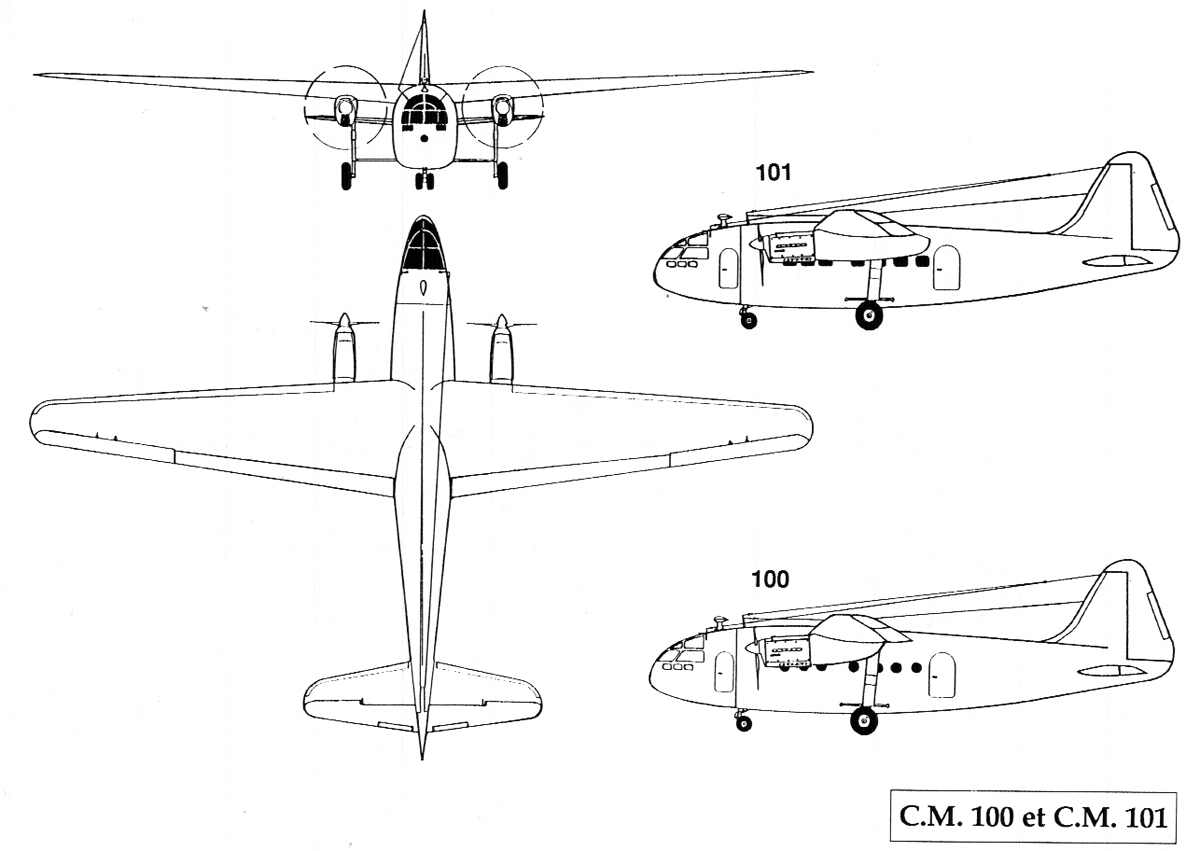
Following the failure of the CM.10 transport glider, the management of “Etablissments Fouga et Cie” decided to convert the glider into a transport aircraft for the French Air Force. The CM.10’s unchanged design, including its hinged nose section, was retained.
The aircraft was fitted with two SNECMA (Renault) 12S-02 engines, each delivering 580 hp, mounted in wing nacelles and driving three-bladed Ratier propellers. The cabin was designed for a maximum of 15 passengers or could be reconfigured for cargo transport.
Extensive African Flight Trials
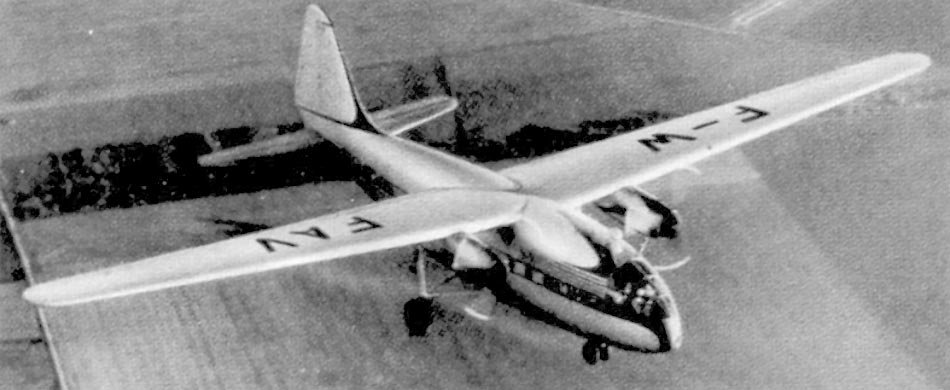
The modernization project was ready by autumn 1948, and the first flight of the CM.100 (registration F-WFAV) took place on January 19, 1949. For testing, the aircraft was sent to Africa, where it accumulated 130 flight hours in 29 days, visiting numerous countries including Morocco, Mauritania, Senegal, Guinea, Côte d’Ivoire, Ghana, Nigeria, Congo, Zaire, Central African Republic, Chad, Niger, and Mali.
Despite positive pilot impressions and successful flight completion, no orders for the aircraft were received.
The Hybrid Evolution of the CM.101R
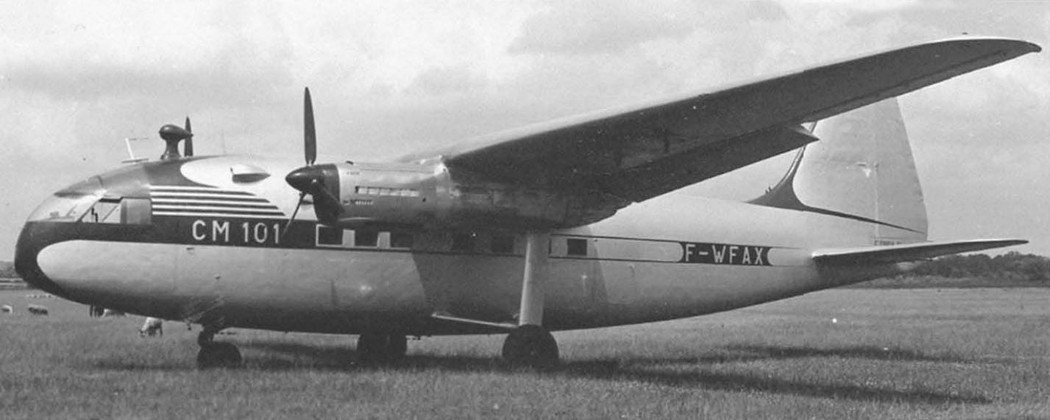
After these trials, another modernization was decided, replacing the conventional power plant with a mixed one. This consisted of two SNECMA (Renault) 12S-02 piston engines and two Turbomeca Pimene jet engines with 100 kgf thrust, intended for emergency use or in overloaded conditions.
The new aircraft variant, designated CM.101R, also featured retractable tricycle landing gear. It performed several flights before eventually being dismantled.
Technical Specifications
| Modification | CM.100 |
| Wingspan, m | 26.70 |
| Length, m | 17.90 |
| Wing area, m2 | 71.90 |
| Empty weight | 4540 |
| Maximum takeoff weight | 7300 |
| Engine type | 2 Piston engines SNECMA 12S-02 |
| Power, hp | 2 x 580 |
| Maximum speed, km/h | 245 |
| Cruising speed, km/h | 205 |
| Practical range, km | 500 |
| Crew, crew members | 2 |
| Payload: | up to 14 soldiers or 1600 kg of cargo |
Image gallery of the CM.100