At the beginning of the First World War, Henri Coandă returned to France and was hired by the Section Technique de l’Aéronautique (STAé) at the request of Colonel Étienne. In early 1915, he moved to the design office of SIA-Delaunay-Belleville, the aviation division of a well-known French automobile manufacturer.
At this new company, Coandă developed three aircraft projects, as always unusual, such as a single-seat artillery biplane with folding wings, equipped with a 140 hp Hispano-Suiza engine.
The Coanda No.4 Project
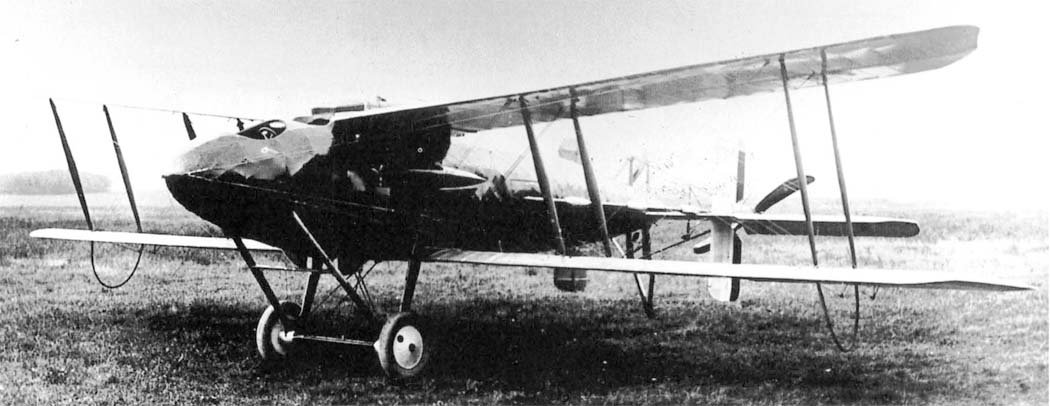
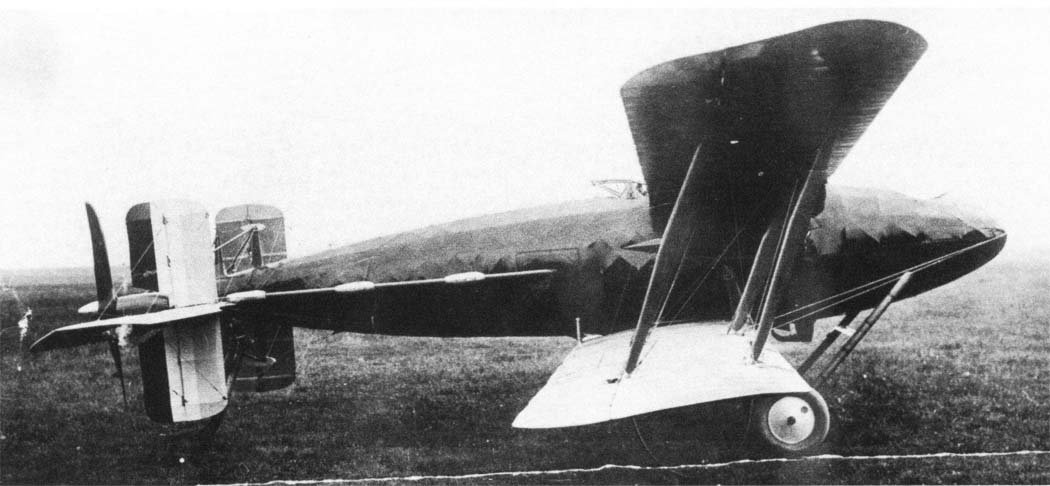
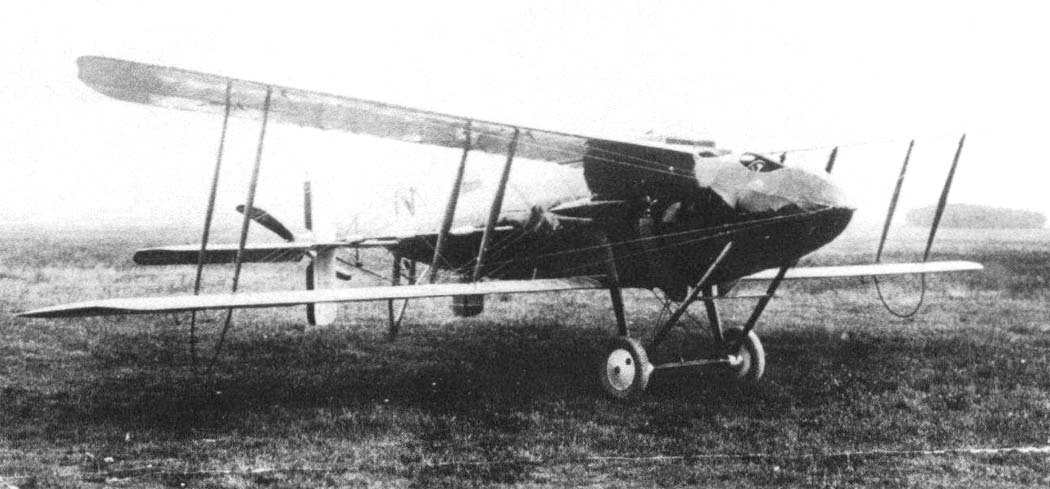
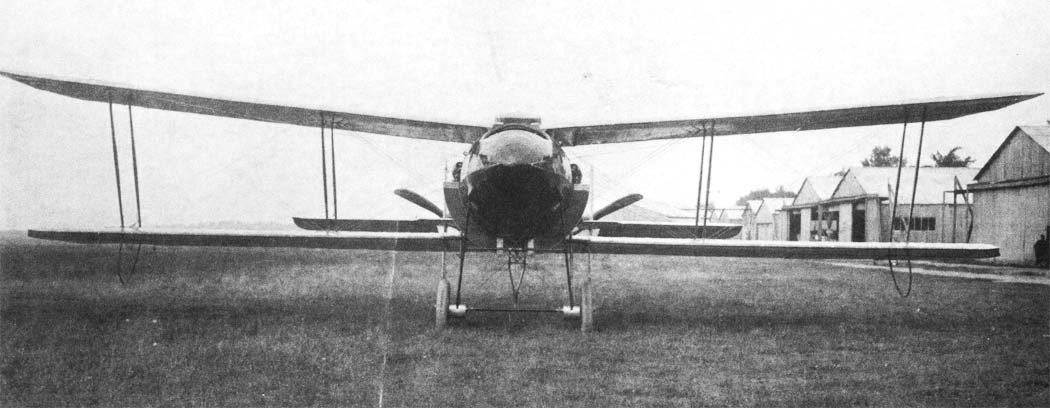
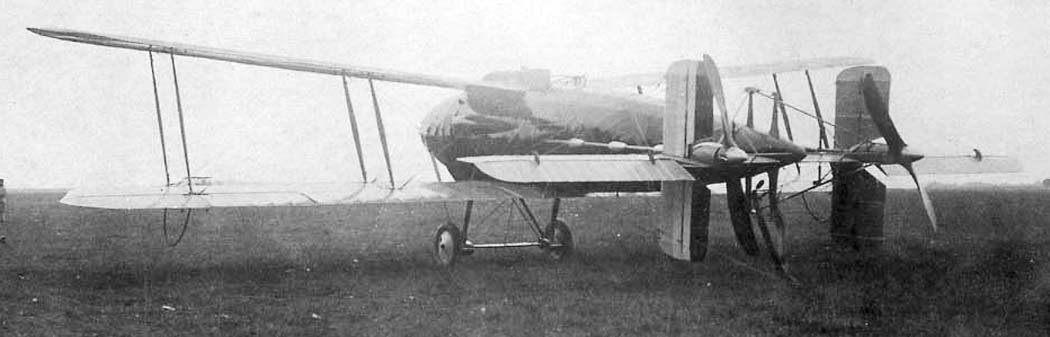
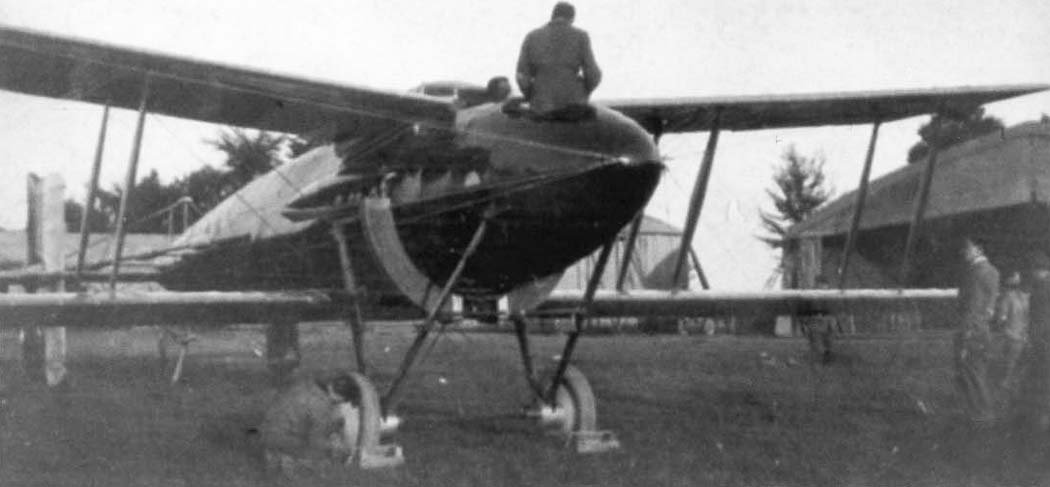
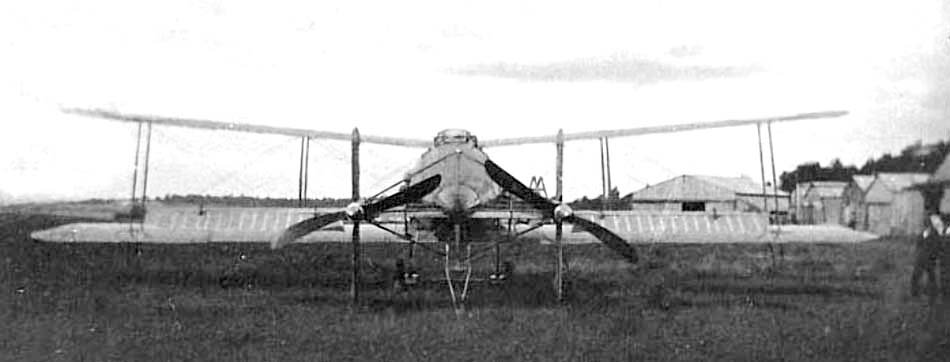
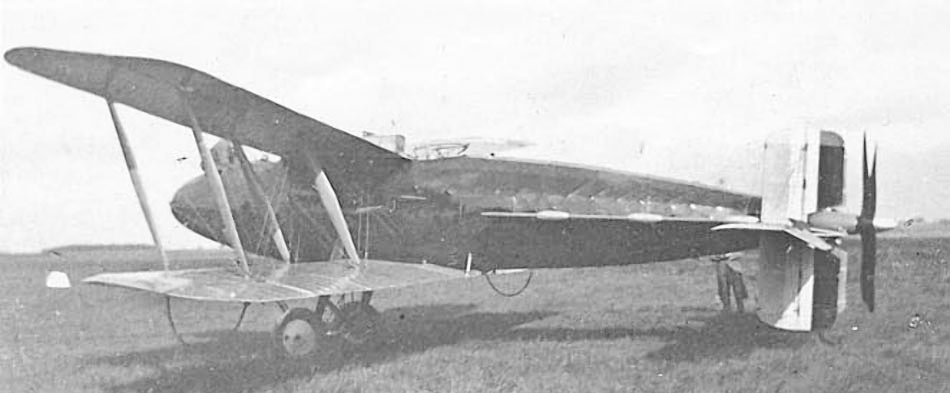
Coandă’s fourth project was the Coanda No.4 bomber-reconnaissance aircraft (or heavy escort fighter), also known as Coanda-Delaunay-Belleville No.4 or Coanda 1916. Work on the aircraft began in 1916. It was a three-seat, two-bay biplane with a torpedo-shaped fuselage.
It was powered by a twin engine consisting of two Hispano-Suiza 8Aa units, delivering a total of 300 hp. The engines were installed inside the fuselage and cooled by two round Lamblin radiators, located under the fuselage. After modifications, these were replaced by larger side radiators. The first (nose) cockpit housed the gunner, armed with a 7.7-mm Lewis machine gun.
Testing and Cancellation
Tests of the bomber began in the spring of 1917 near the town of Étampes-Villesauvage. During the trials, the aircraft never managed to demonstrate the required flight characteristics. Despite this, the Coanda No.4 tests interested the British RNAS, which ordered five similar machines from Delaunay-Belleville (serial numbers 1395-1399).
However, in November of the same year, the aircraft crashed. It was not rebuilt for several reasons, including the scarcity of Hispano-Suiza engines, which were installed on many types of French combat aircraft. Furthermore, a more promising project, the SIA BN2, was practically ready. Naturally, the RNAS also canceled its order.
Technical Specifications
| Modification | Coanda No.4 |
| Wingspan, m | 17.40 |
| Length, m | 8.20 |
| Engine type | 2 Piston engine Hispano-Suiza 8Aa |
| Power, hp | 2 x 150 |
| Crew, crew members | 3 |
| Armament: | one 7.7-mm forward Lewis machine gun, one identical machine gun in the rear cockpit on a movable turret. |
Image gallery of the Coanda No.4