Development and Origin
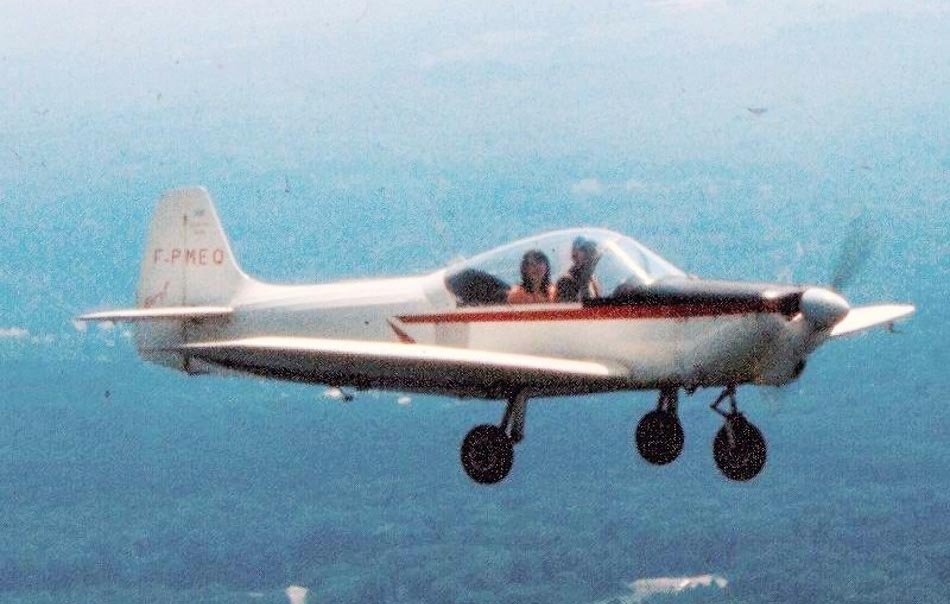
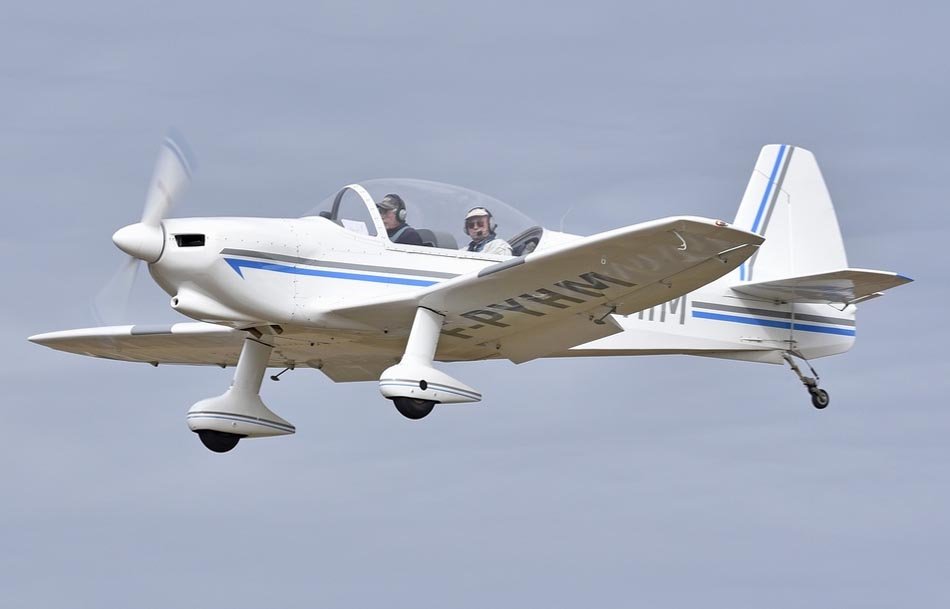
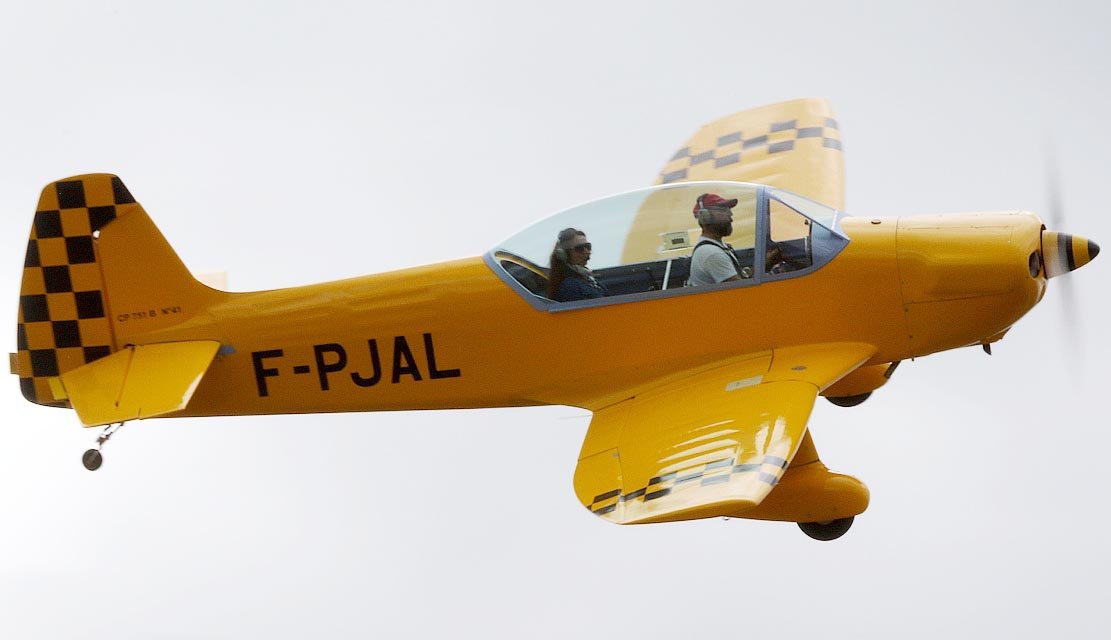
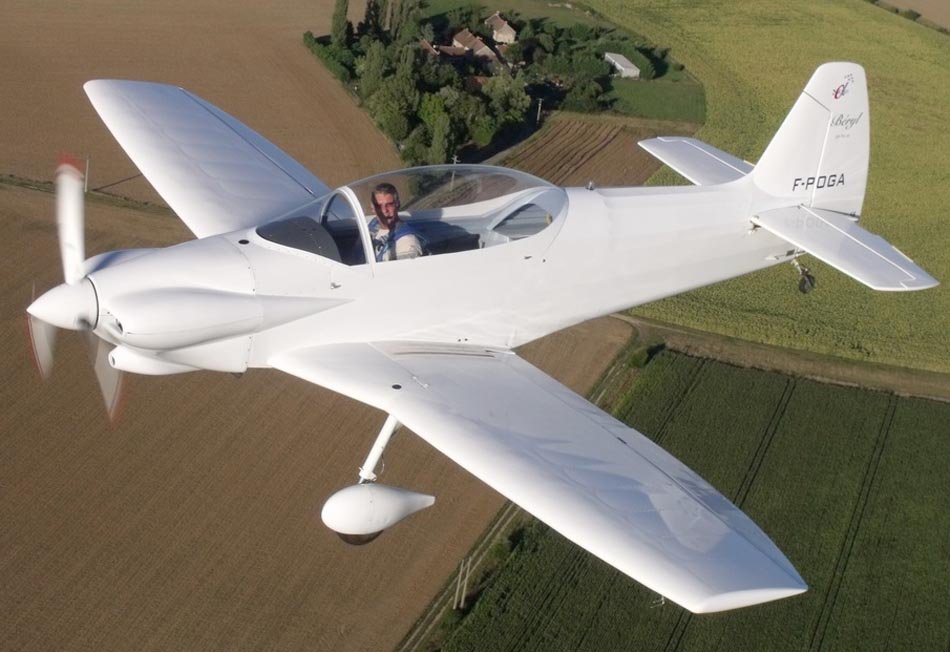
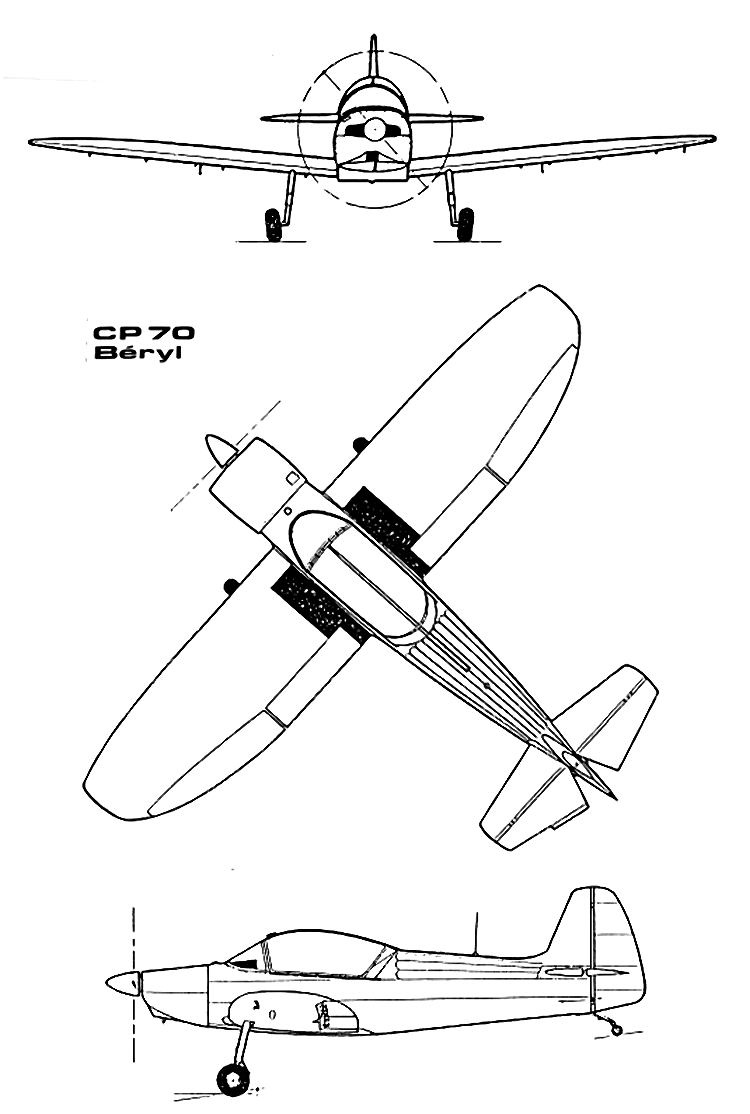
The CP-70 Beryl is a light, multi-purpose aircraft developed by the French engineer Claude Piel in the mid-1960s. Its design drew inspiration from the successful Piel CP-30 Emeraude. The prototype made its maiden flight in 1965, introducing a versatile new aircraft to the aviation scene.
Versatility and Design
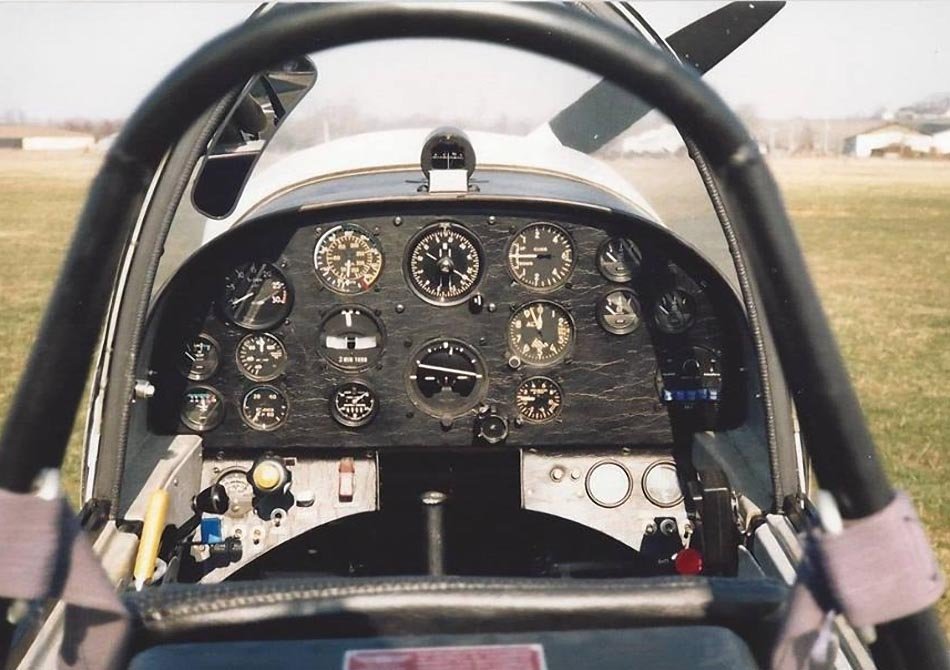
The CP-70 was intended for various roles, including pleasure flights, touring, and sport aviation, thanks to its excellent maneuverability. Its relatively compact design contributed to its agility, making it a favorite among pilots seeking a dynamic flying experience. Unlike the CP-30, the Beryl’s cockpit accommodates two people in a tandem configuration.
Behind the rear seat, a luggage compartment provides space for approximately 20-40 kilograms of baggage. Power options included an American Continental A65-8F piston engine delivering 65 hp (48 kW) or a more powerful Lycoming O-235 with 118 hp (88 kW).
Production and Legacy
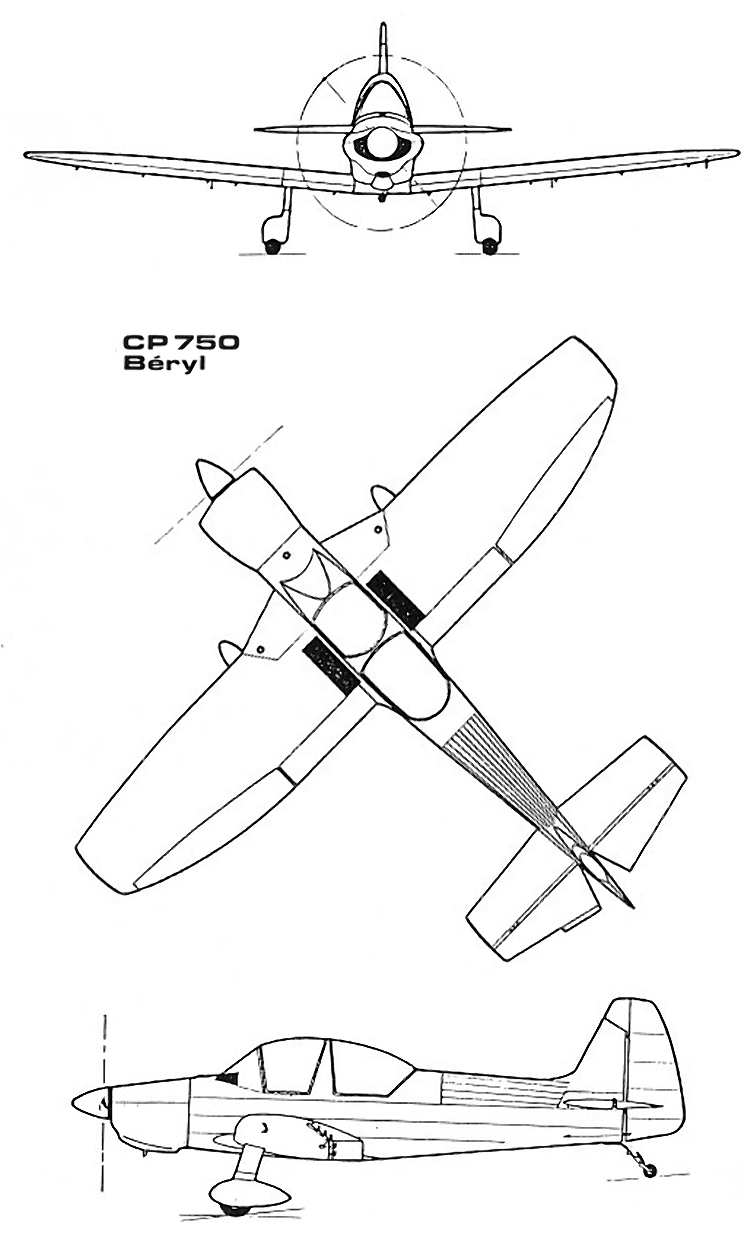
The Piel CP-70 Beryl was exclusively produced as a kit for self-assembly, catering to homebuilders and aviation enthusiasts. Approximately three dozen units were assembled in total, including the CP-750 and CP-751 modifications. It remains a notable example of a successful kit-built light aircraft.
Technical Specifications
| Modification | CP-70 |
| Wingspan, m | 8.25 |
| Length, m | 6.45 |
| Height, m | 1.60 |
| Wing area, m2 | 10.90 |
| Empty weight | 320 |
| Maximum takeoff weight | 540 |
| Engine type | 1 Piston engine Continental A65-8F |
| Power, hp | 1 x 65 |
| Maximum speed, km/h | 175 |
| Cruising speed, km/h | 155 |
| Practical range, km | 600 |
| Practical ceiling, m | 300 |
| Crew | 2 crew members |
Image gallery of the CP-70 Beryl