Glenn Hammond Curtiss (1878-1930) was a true aviation pioneer. In the summer of 1908, he constructed his first aircraft, the AEA June Bug, which resembled the Wright brothers’ Flyers but featured a wheeled landing gear. Curtiss was also responsible for the world’s first successful seaplane, the Curtiss A-1 Triad, which first flew in 1911.
In 1909, Curtiss joined forces with another aviation pioneer, Augustus Herring, to establish the Curtiss-Herring Aeroplane & Motor Co. in Hammondsport, New York. This company, which underwent numerous reorganizations and name changes, developed a series of floatplanes and flying boats. Among them, the Curtiss NC-4 stands out, a flying boat that in May 1919 made the first aerial crossing of the Atlantic Ocean, albeit with two intermediate landings.
From Bomber to Airliner
Curtiss built his first transport aircraft in 1914, the twin-engine flying boat Curtiss H-1 America, designed to carry two passengers in an enclosed cabin. Curtiss prepared it for an attempt to conquer the Atlantic, but the outbreak of World War I prevented this endeavor. The 1920s saw the emergence of commercially successful models like the Carrier Pigeon 1 and the Falcon Conqueror Mailplane, single-engine biplanes mass-produced for airmail transport.
The genesis of Curtiss’s first airliner was somewhat accidental. In 1927, the twin-engine bomber Curtiss Model 52 XB-2, based on the Martin MB-2, was developed. However, during competitive trials in February 1928, the US Army favored its rival, the Keystone XLB-6. The US Army Air Corps ultimately ordered only 12 units of the B-2 Condor, the production variant, far fewer than expected.
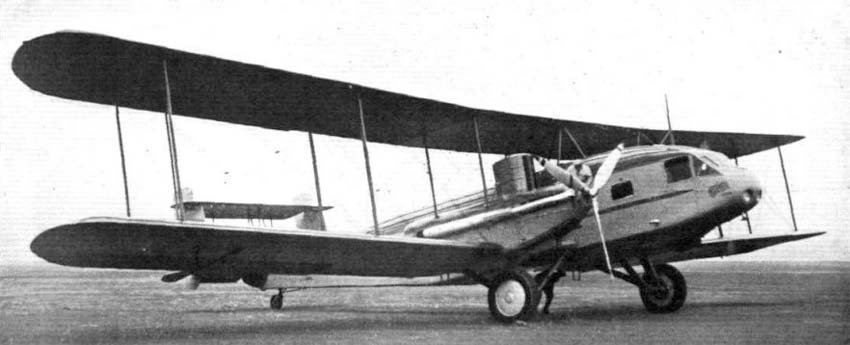
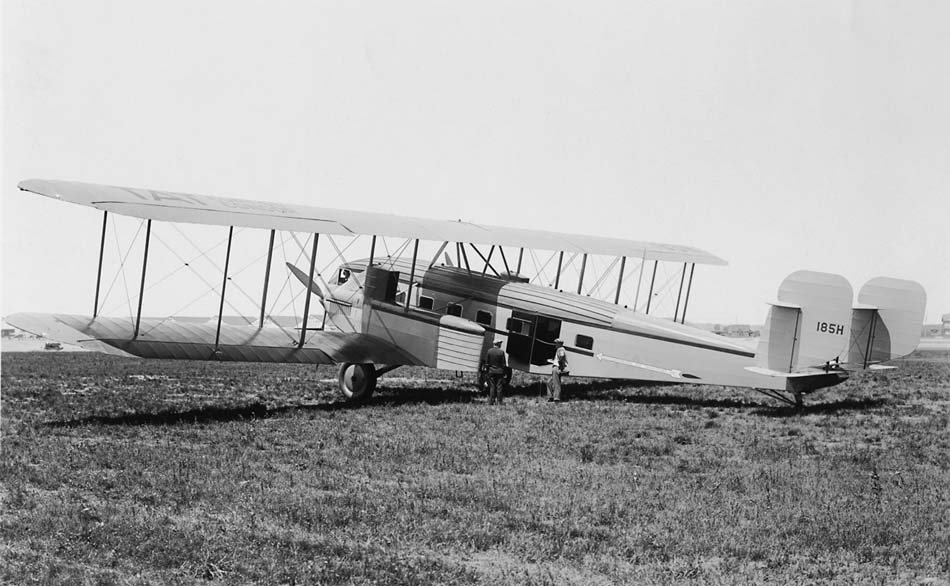
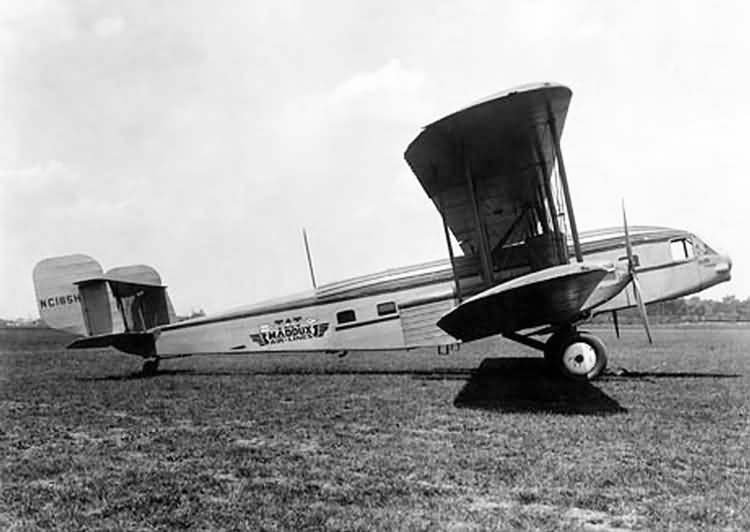
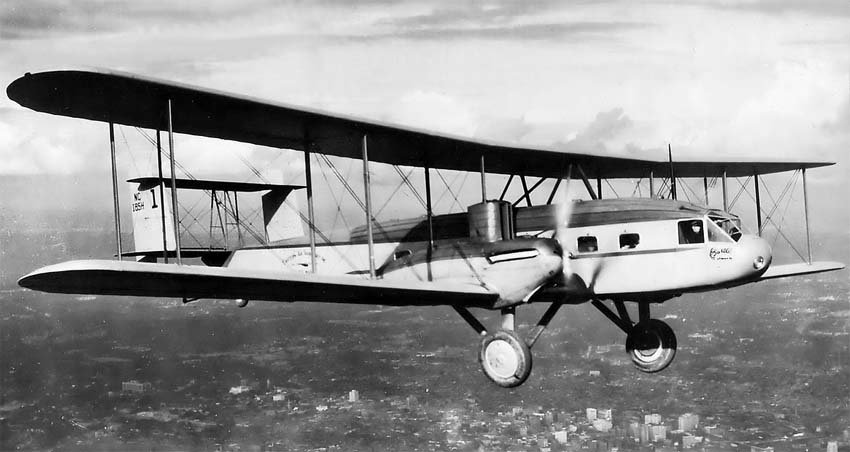
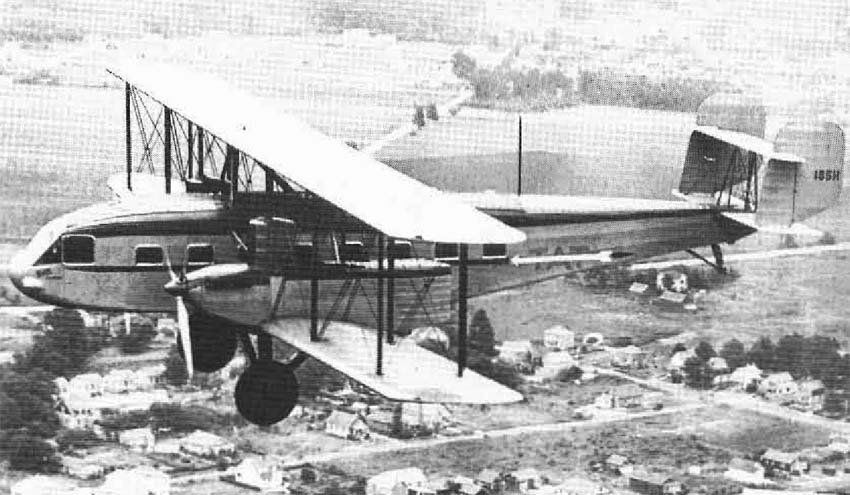
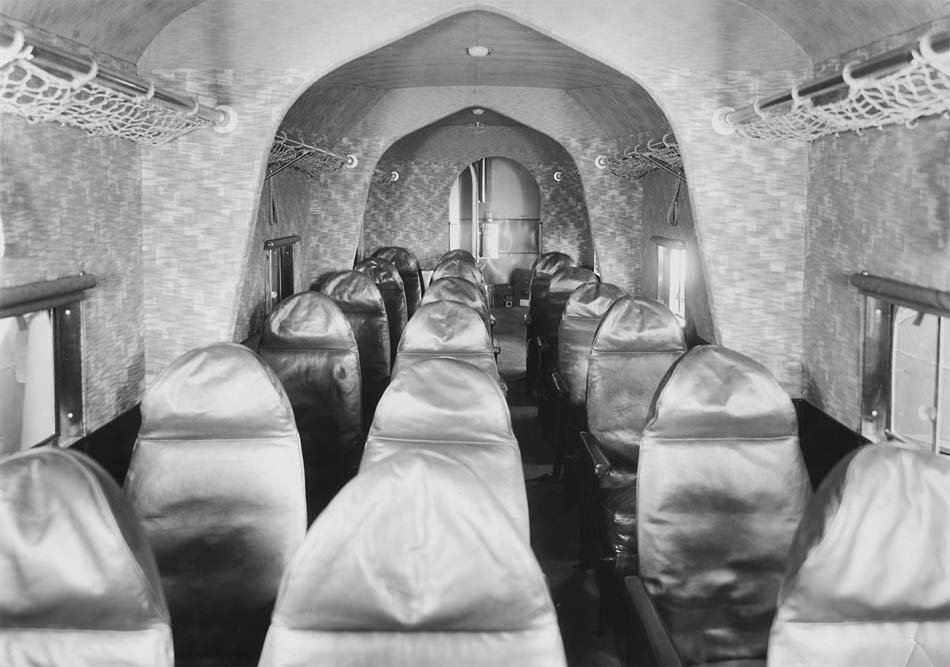
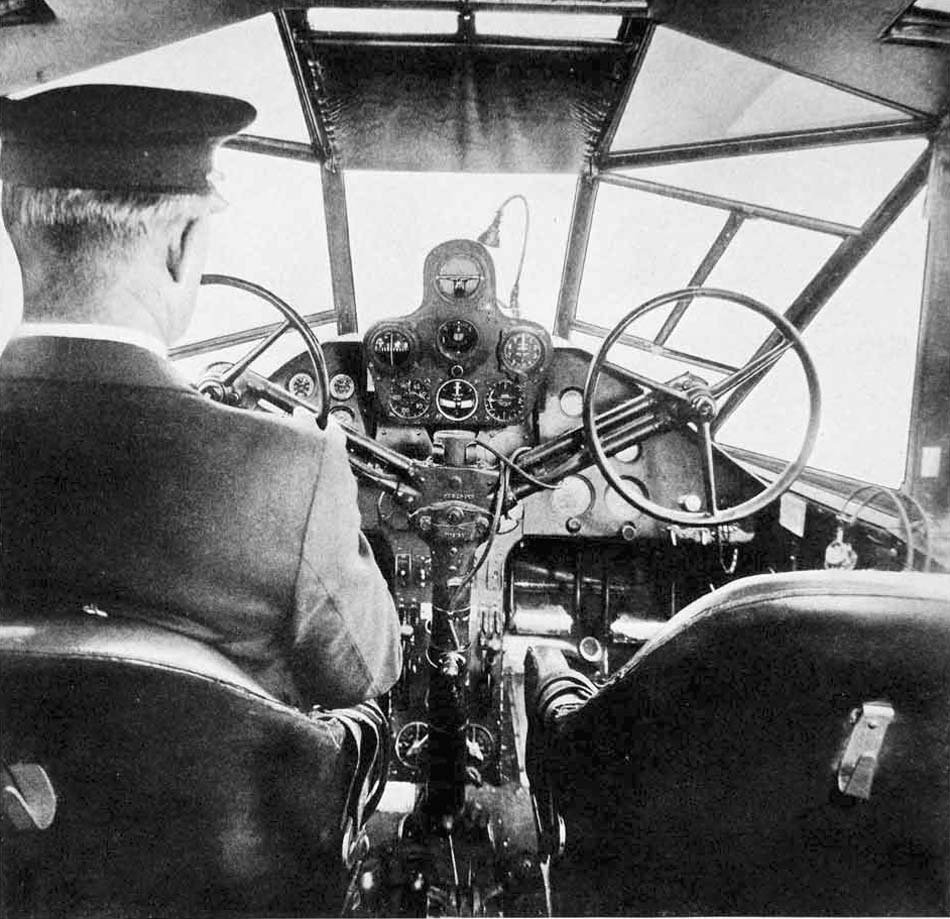
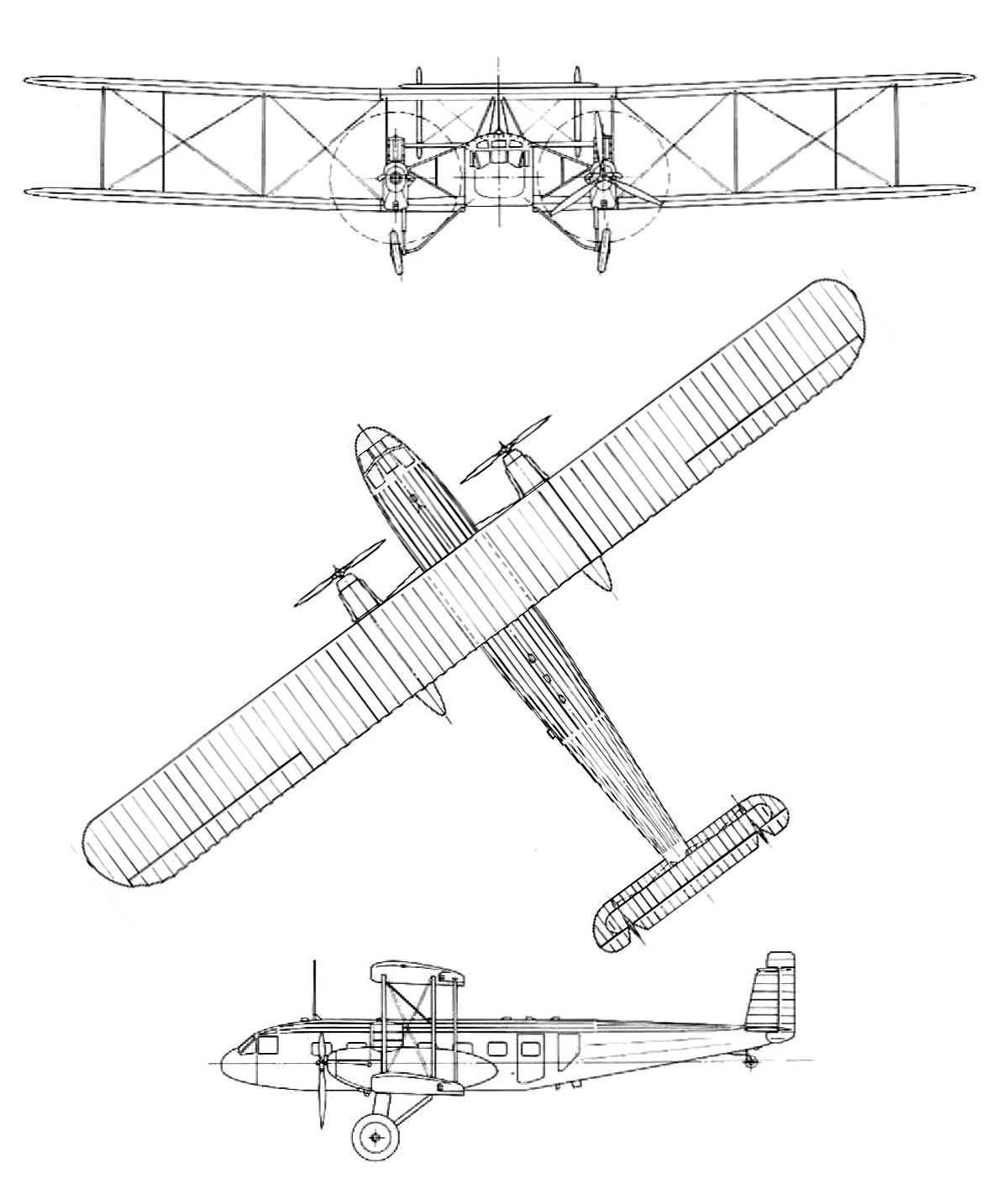
Given the aircraft’s substantial payload capacity and the limited bomber orders, the company decided to create a transport version of the bomber. The fuselage was redesigned to include an enclosed pilot’s cockpit, and a spacious passenger cabin behind it was fitted with 18 seats. The fuselage width reached almost two meters. This new version, named Model 18 Condor, made its maiden flight in June 1929 and received certification in August.
Operational History and Notable Features
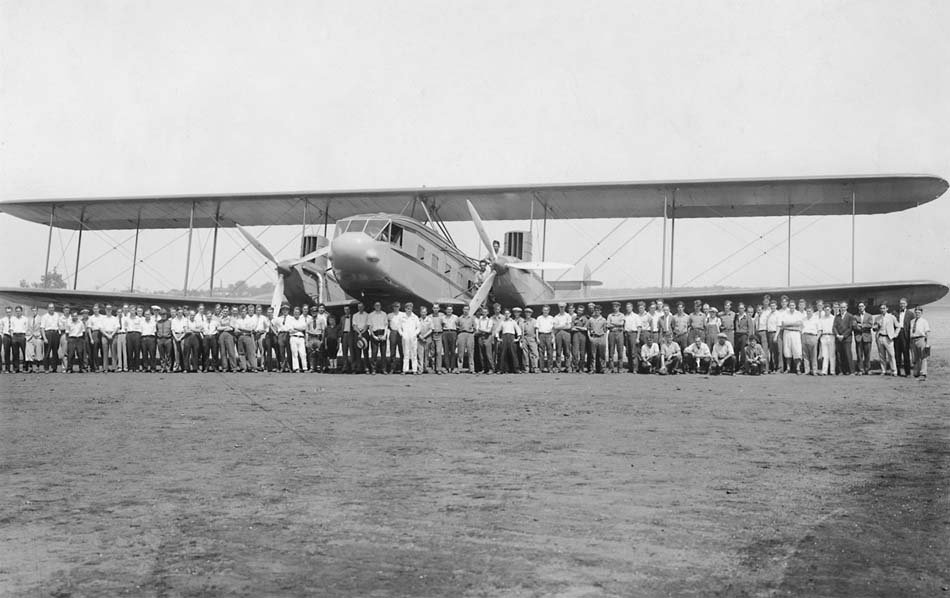
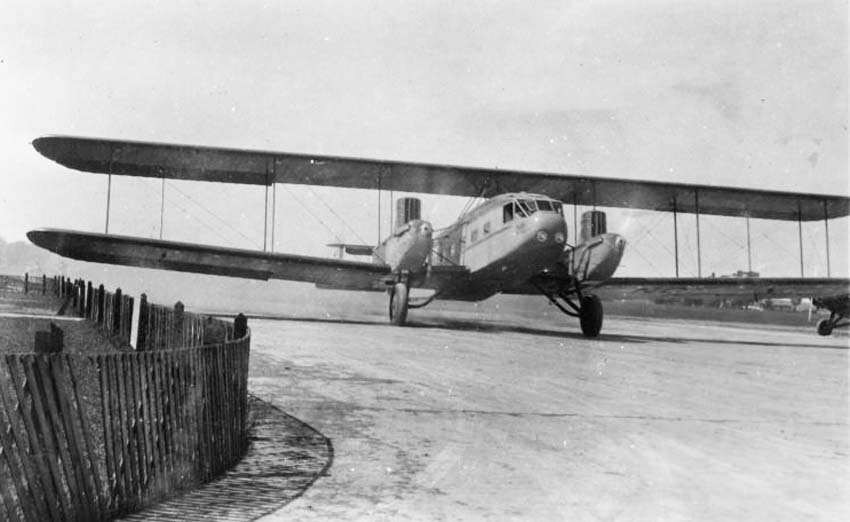
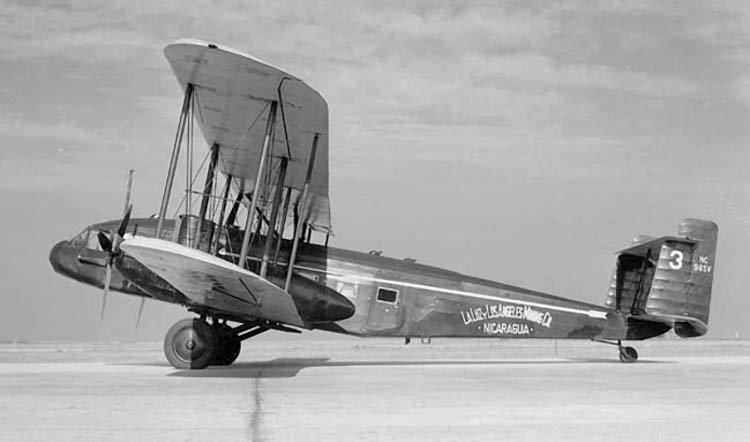
The first three Condors closely resembled the B-2, with fuselage modifications to accommodate 18 passengers across three rows and a three-person crew. The pilots’ cabin was moved to the very nose of the aircraft and enclosed, much like on Curtiss’s earlier Model 19 Eagle from 1919. The aircraft’s length was increased by extending the fuselage both fore and aft of the wings. The engine nacelles were identical to those on the bomber, differing only in their enclosed gunner cabins.
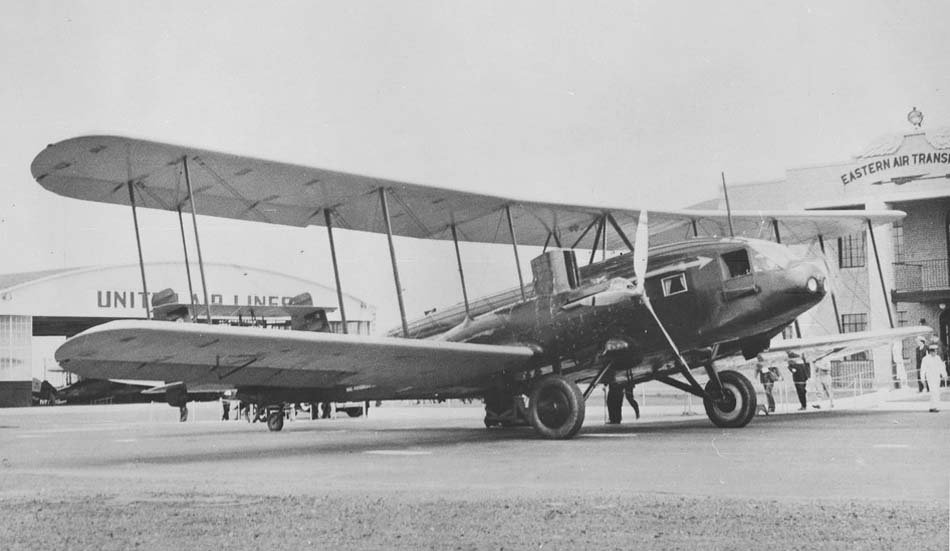
The subsequent three aircraft featured significant improvements: a fuselage shorter by 2 feet (0.61 m), both wings gained a transverse V-dihedral (only the lower wing had it on the first batch), a taller vertical stabilizer, and a wider horizontal stabilizer. The engine nacelles were completely redesigned, adopting a monocoque metal structure at the front and a streamlined, almost parabolic shape at the rear.
Despite these innovations, the market proved challenging. American airlines preferred Fokker and Ford Trimotors (models 4-AT and 5-AT). Transcontinental Air Transport briefly leased a couple of Condors for evaluation but soon returned them. With the onset of the economic crisis in the autumn of 1929, hopes for airliner sales dwindled, and the aircraft were largely grounded. Glenn Curtiss himself made his last flight on a Condor in May 1930, just two months before his untimely death.
Legacy and Features
However, a breakthrough emerged in late 1930. Against the backdrop of the crisis, some airlines thrived, notably Eastern Air Transport, which experienced significant growth in passenger traffic throughout 1930. Needing more capacity, the airline purchased all six Condors, securing a substantial discount from the manufacturer’s asking price. On December 10, 1930, the first three airliners began service on the New York-Atlanta route. On January 1 of the following year, a new route from New York to Florida, covering Miami and St. Petersburg, was inaugurated. This 14-hour flight, known as the “From Winter to Summer” line, became highly popular among wealthy New Yorkers.
The Curtiss Condor notably became the second airliner, after the Boeing 80, to feature stewardesses serving passengers. These Condor aircraft remained in service with Eastern Air Transport until 1934. While not a commercial success or an easy aircraft to fly, the Curtiss Condor deserves recognition for its reliability and comfort. Passengers particularly enjoyed the low cabin noise, arguably the quietest among airliners of that era.
Additional attractive features for air travelers included an effective heating system and hot and cold water in the lavatory. The spacious cabin, adorned with elegant trim, large windows, individual lighting, and good ventilation for each seat, further enhanced the passenger experience. Despite its somewhat archaic design, the aircraft’s structure offered room for improvement, which Curtiss readily exploited.
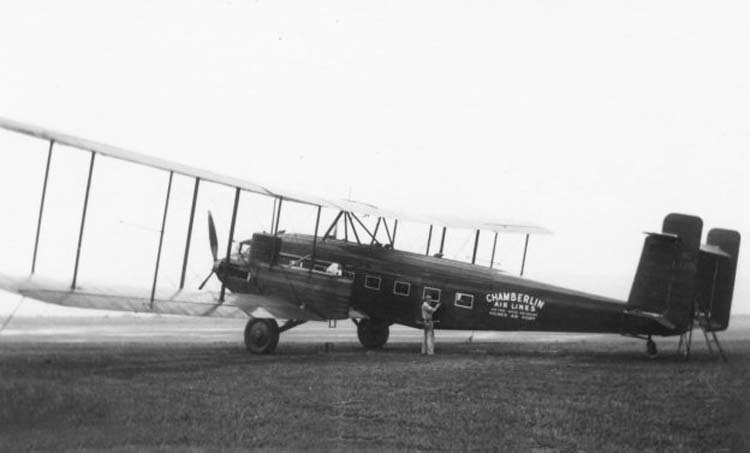
The most notable post-Eastern Air Transport use of the Condors occurred between July 1935 and April 1936. The renowned Atlantic conqueror, pilot Clarence D. Chamberlin, acquired four Condors. He removed their luxurious interiors to install additional seating, increasing capacity to a maximum of 26 passengers. Chamberlin then utilized these aircraft for several years in his aerial tours across the United States, offering flights to anyone for a small fee.
Technical Specifications
| Modification | CO |
| Wingspan, m | 27.93 |
| Length, m | 17.52 |
| Height, m | 4.95 |
| Wing area, m2 | 140.20 |
| Empty weight | 5 636 |
| Normal takeoff weight | 8119 |
| Engine type | 2 Piston engines Curtiss V-1570-7 Conqueror |
| Power, hp | 2 x 633 |
| Maximum speed, km/h | 234 |
| Cruising speed, km/h | 201 |
| Practical range, km | 917 |
| Practical ceiling, m | 5182 |
| Crew | 2-3 |
| Payload | 18 passengers |
Image gallery of the Curtiss Condor