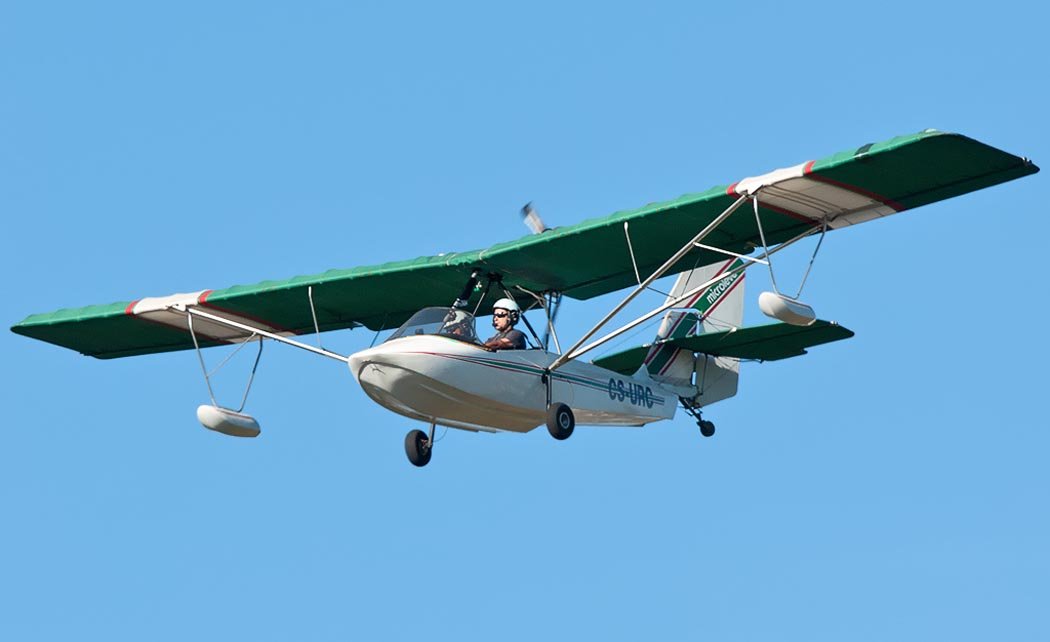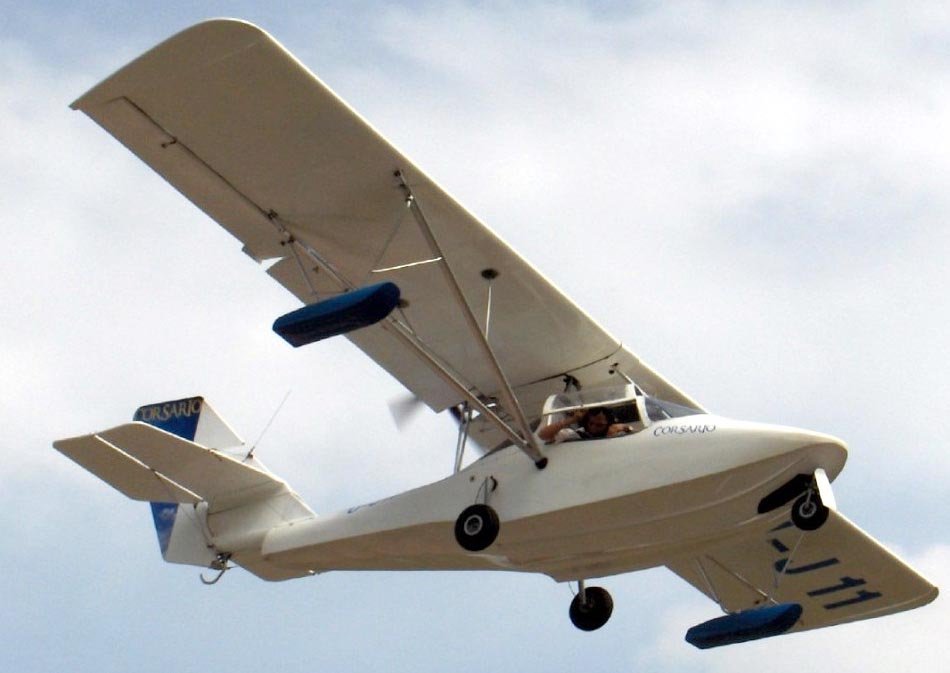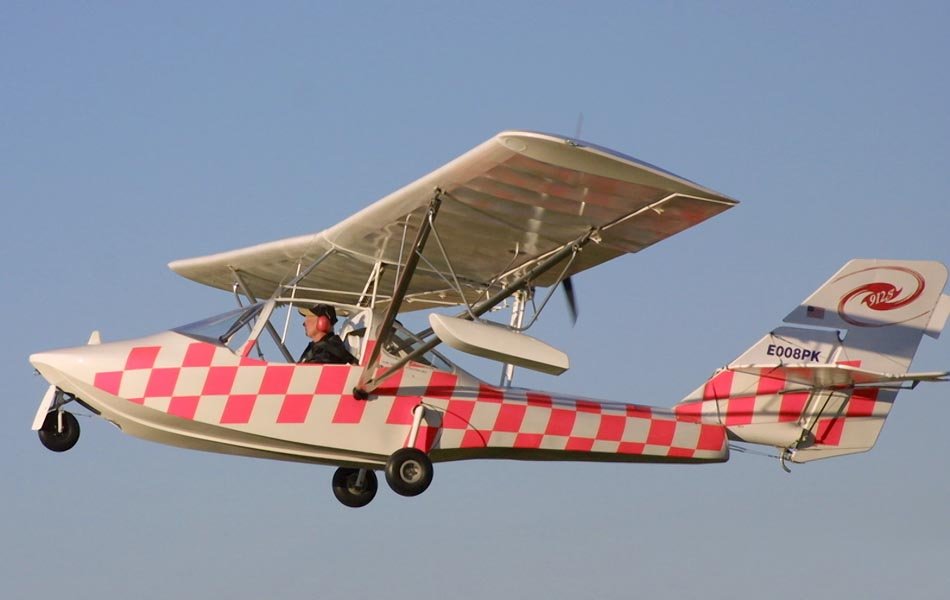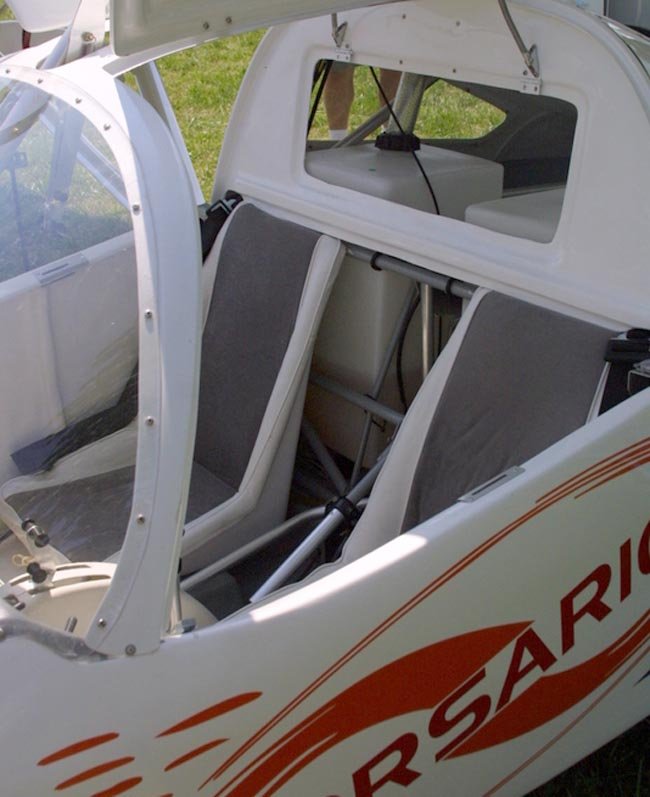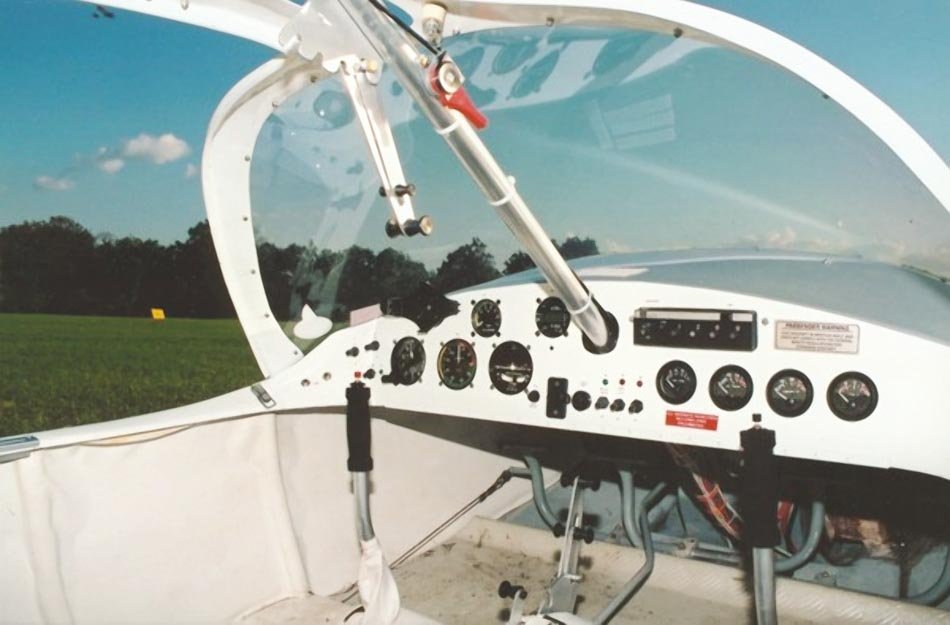
In 1988, the Brazilian aircraft manufacturing company Microleve, based in Rio de Janeiro, introduced the light multi-purpose amphibious aircraft, the Microleve Corsário. It was a two-seater, strut-braced high-wing monoplane, equipped with a single piston engine with a pusher propeller.
The amphibian featured a tricycle landing gear with either a nose wheel or a tailwheel. Auxiliary floats were installed on the wingtips. Fuel was stored in two 25- or 35-liter tanks.
Development and Variants
The Microleve Corsário was produced as a kit for self-assembly for over 30 years in five main modifications: Corsário Mk.I, Mk.II, Mk.III, Mk.IV, and Ml.V. The aircraft differed in minor structural elements, landing gear design, and powerplant.
Powerplant Options
The primary engines for the Mk.IV and Mk.V versions were the Rotax 582 with 64 hp (48 kW), the Rotax 618 with 74 hp (55 kW), and the Rotax 912 UL with 80 hp (60 kW). At the customer’s request, a 100 hp Rotax 912ULS could also be used as the powerplant.
Technical Specifications
| Modification | Corsário Mk.V |
| Wingspan, m | 10.30 |
| Length, m | 6.82 |
| Height, m | 2.10 |
| Wing area, m2 | 16.26 |
| Empty weight | 247 |
| Maximum takeoff weight | 525 |
| Fuel, l | 50 (70) |
| Engine type | 1 Piston engine Rotax 912UL |
| Power, hp | 1 x 80 |
| Maximum speed, km/h | 160 |
| Cruising speed, km/h | 120 |
| Practical range, km | 852 |
| Maximum rate of climb, m/min | 274 |
| Practical ceiling, m | 2438 |
| Maximum operational overload | 4 |
| Crew | 2 crew |
Image gallery of the Microleve Corsário