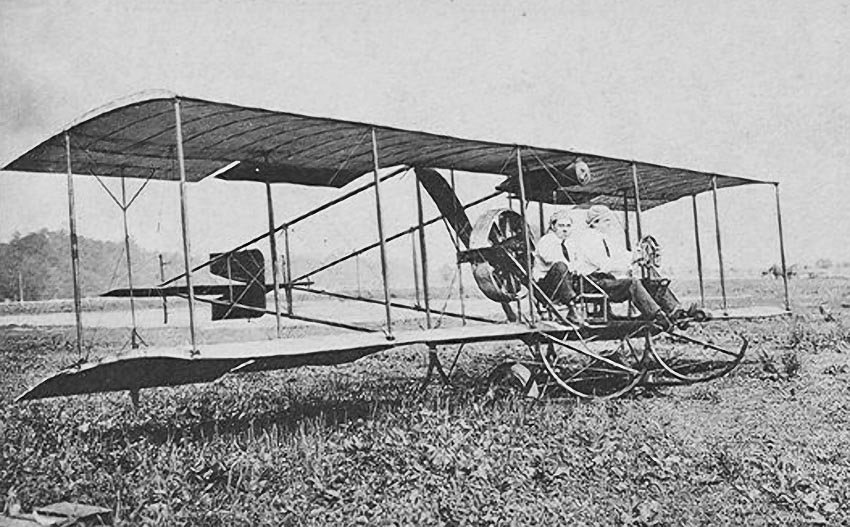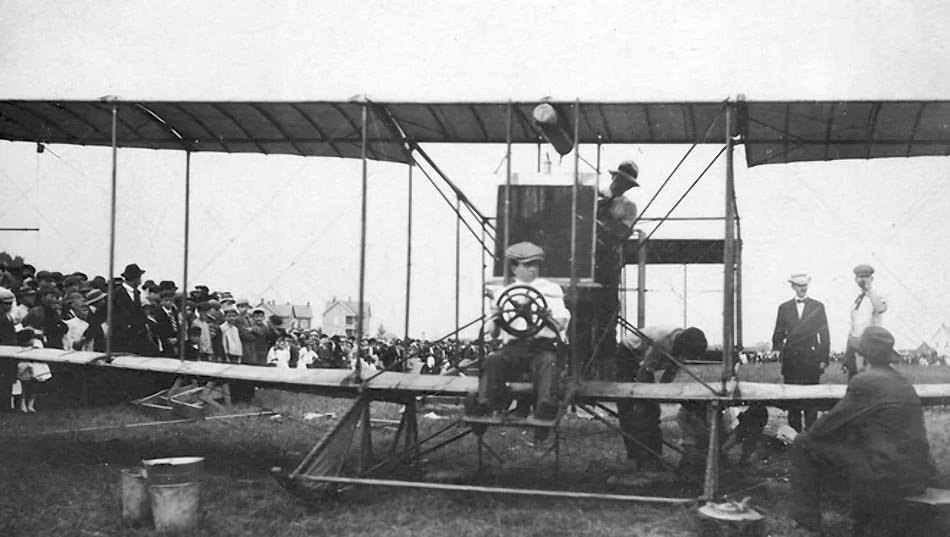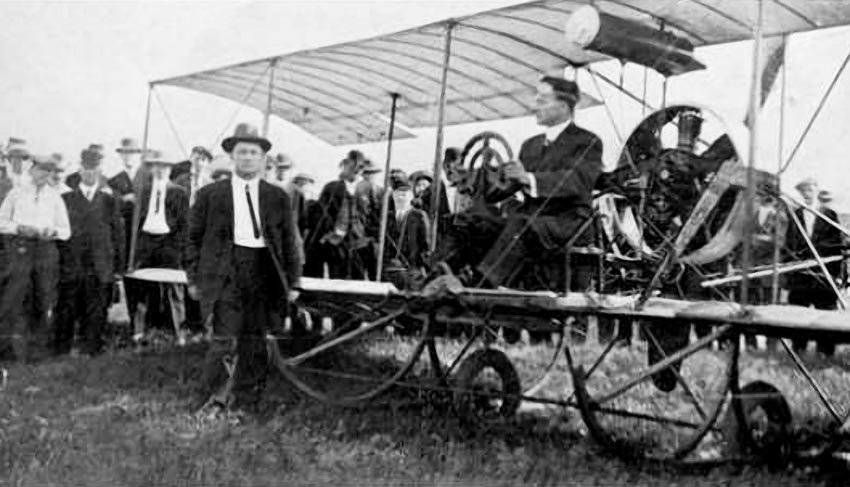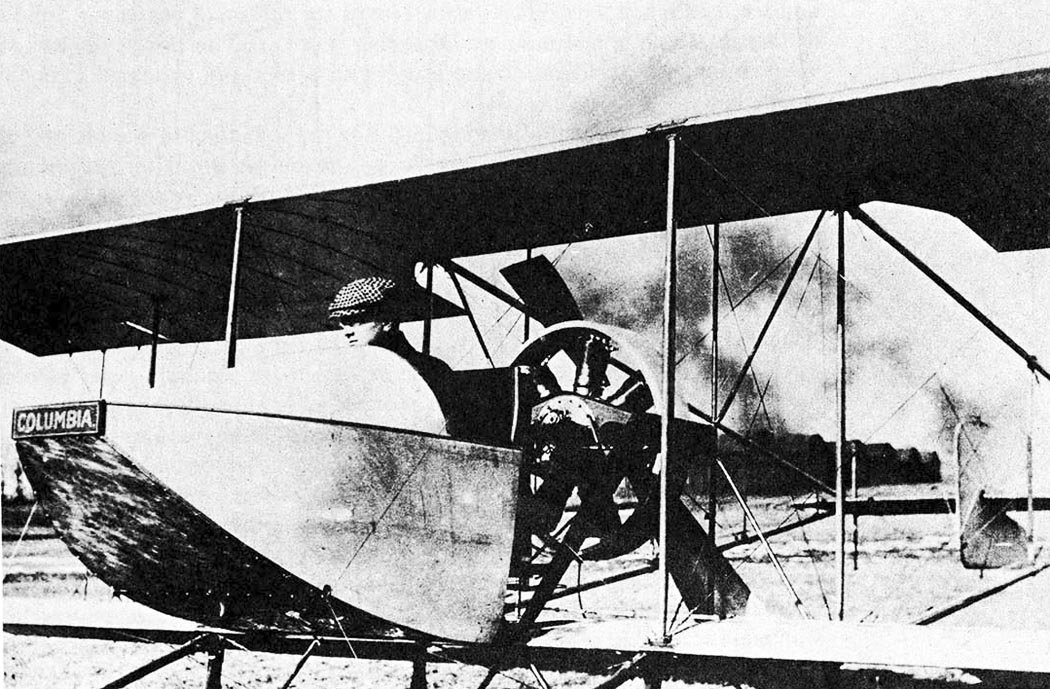
In 1910, Colonel Paul Peck, a pioneer in early aviation, embarked on constructing an aircraft of his own innovative design. His vision materialized the following year with the completion of the Peck Columbian. This unique biplane was a single-seater, powered by a 50 hp Gyro radial engine that utilized a pusher propeller configuration.
Record-Breaking Flights and Modifications
Peck, a skilled aviator, secured his pilot’s license in the same year and personally undertook the rigorous testing of his biplane. In May 1912, while piloting the Columbian, he achieved a remarkable national record, staying airborne for an impressive 4 hours, 23 minutes, and 15 seconds. The aircraft was subsequently modified with a closed gondola to prepare it for the prestigious Gordon Bennett race.
A Tragic End
Tragically, the aircraft’s inherently heavy engine played a pivotal role in its ultimate demise. On September 11, 1912, Colonel Paul Peck lost his life when he was unable to recover the Columbian from a dive, marking a somber moment in the nascent era of flight.
Technical Specifications
| Modification | Columbian |
| Engine type | 1 Piston engine Gyro |
| Power, hp | 1 x 50 |
| Crew, crew | 1 |
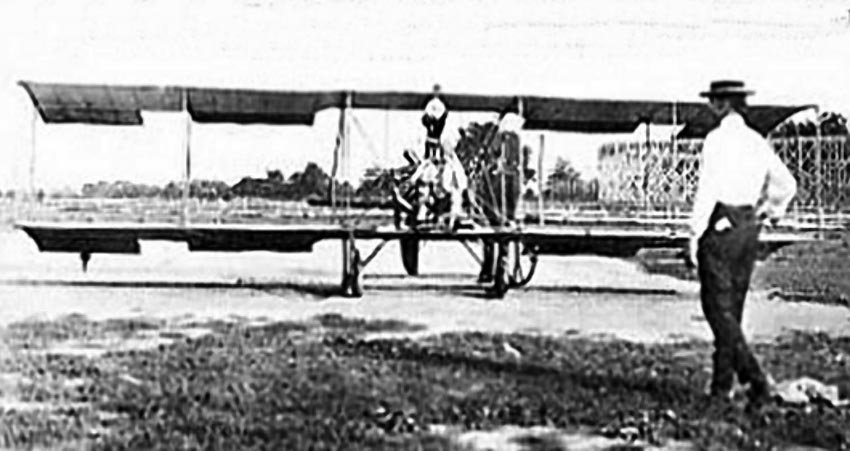
Image gallery of the Peck Columbian